




Advanced Laboratory Digital Ultrasonic Sonicator with Temperature Control - Ideal for Ultrasonic Resin Dispersion


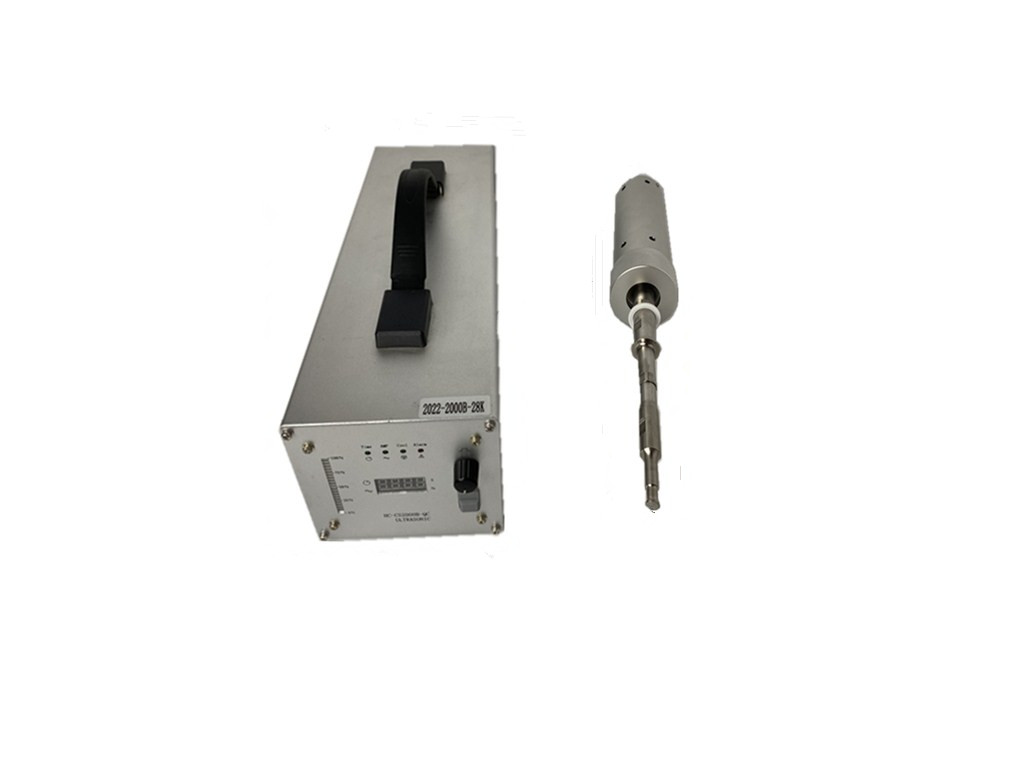
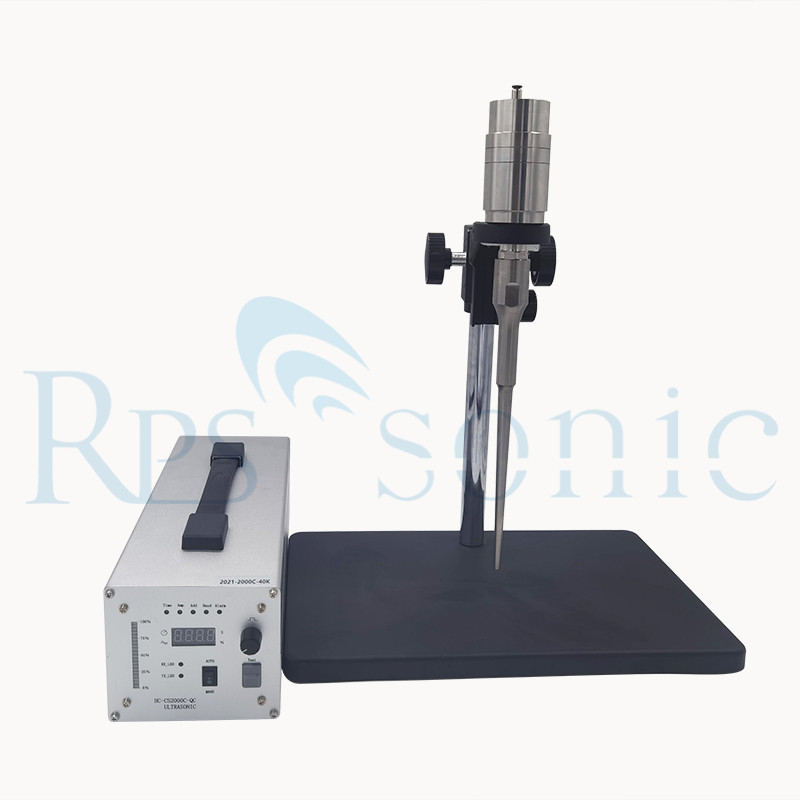
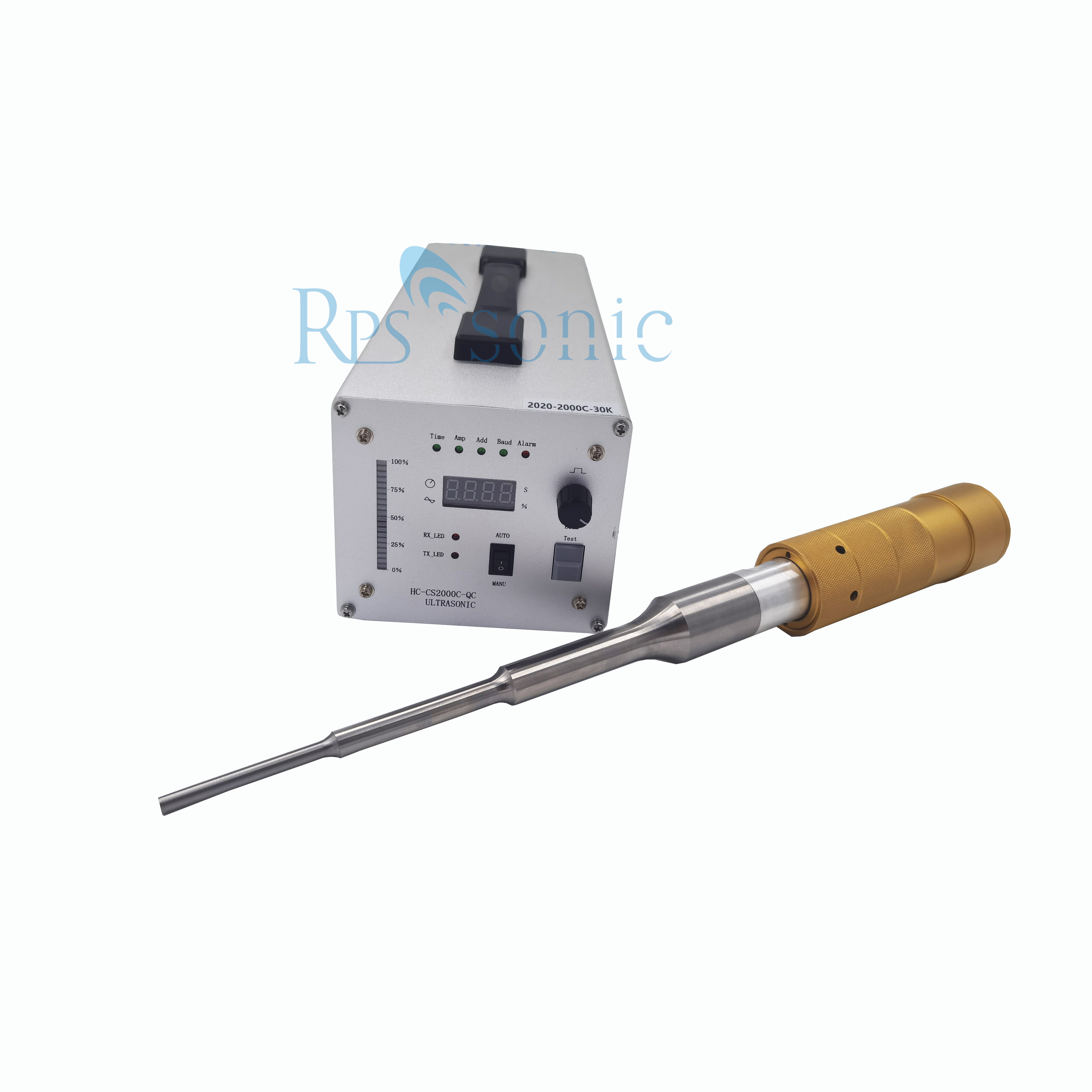
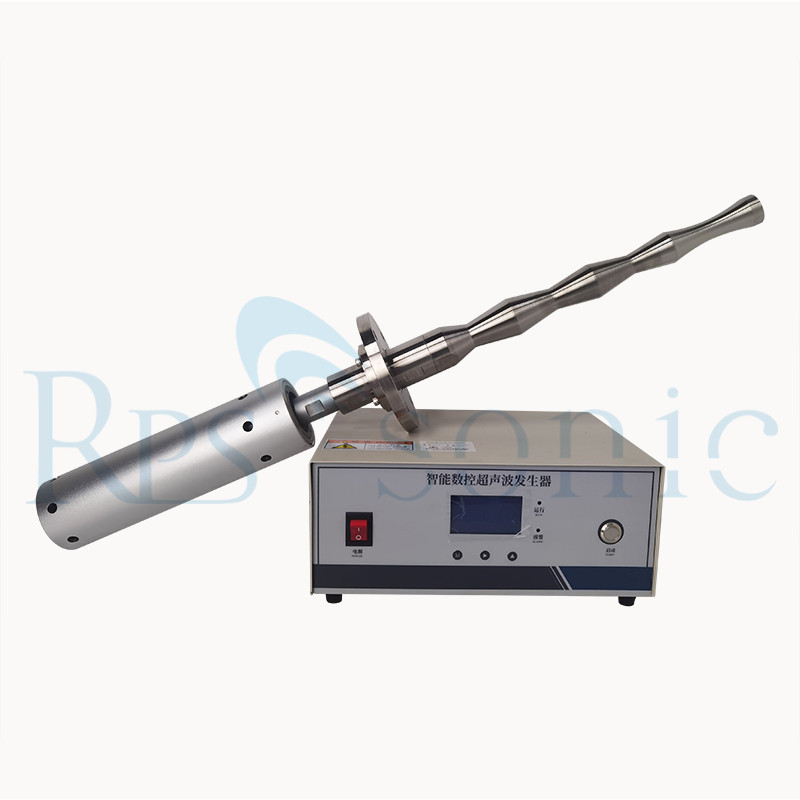
Laboratory digital ultrasonic sonicator with temperature controller for ultrasonic extracting/mixing
Parameter
| Frequency | 28Khz |
| Frequency adjustment | Auto-tracking type |
| Max. power output6 | 00W |
| Power output | Infinitive adjustment |
| Power supply | AC220V-240V 50/60Hz |
| Amplitude | 0.1-99.9% |
| Temperature control | -20~100℃ |
| Horn size | 2-8mm |
Sonication is the act of applying sound energy via an ultrasonic bath or an ultrasonic probe to agitate particles in a sample. Ultrasonicators are found in academic, clinical and forensic laboratories that need to disintegrate cells, bacteria, spores or tissue.
Difference Between Probe Sonicator and Bath Sonicator
The key difference between probe sonicator and bath sonicator is that in probe sonication, the probe is in direct contact with the sample, while bath sonicator isolates the sample from the energy source.
Sonication is a cell disruption method which utilizes sound energy or high-frequency sound waves to break cells. It is a physical cell disruption technique which is highly effective in disrupting bacteria, yeasts, fungi, algae and mammalian cells. When high-frequency sound waves are applied, it generates a lot of heat. Hence, it is necessary to carry out sonication under cool conditions, especially immersing the sample in an ice bath.
Sonication is best suited for samples having a volume below 100 mL. Compared to other methods, cell lysis by sonication is fast and easy to manage. Sonicator is the equipment used in sonication. Probe sonicator and bath sonicator are two types of equipment used in sonication. Probe or bath sonicator provides sound energy in the audible range.
What is Probe Sonicator?
Probe sonicator is a technique by which sound energy is administered into a sample with the purpose of breaking cells. A probe is inserted into the sample, so the probe is in the direct contact with the sample. Hence, the sample receives more concentrated energy.
Probe sonication is a type of direct sonication method. However, probe sonicator is not suitable for small volumes. Moreover, it can lead to sample cross-contamination and contamination by the erosion of the probe tip.
What is Bath Sonicator?
Bath sonication is an indirect sonication method in which a water bath is used. In bath sonication, ultrasonic energy is transmitted to a water bath and then into a vessel or multiple sample tubes. This method is most effective for very small samples.
Bath sonicator separates samples from the energy source. Therefore, bath sonication requires significantly more energy input to energize whole water bath, unlike probe sonication. Moreover, bath sonicator eliminates the need for a probe to come into contact with the sample. Hence, the sample cross-contamination and contamination by the erosion of the probe tip can be prevented by bath sonicator. In addition to the agitation of particles in a sample or cell breaking, bath sonication is useful when cleaning objects such as spectacles and jewellery.
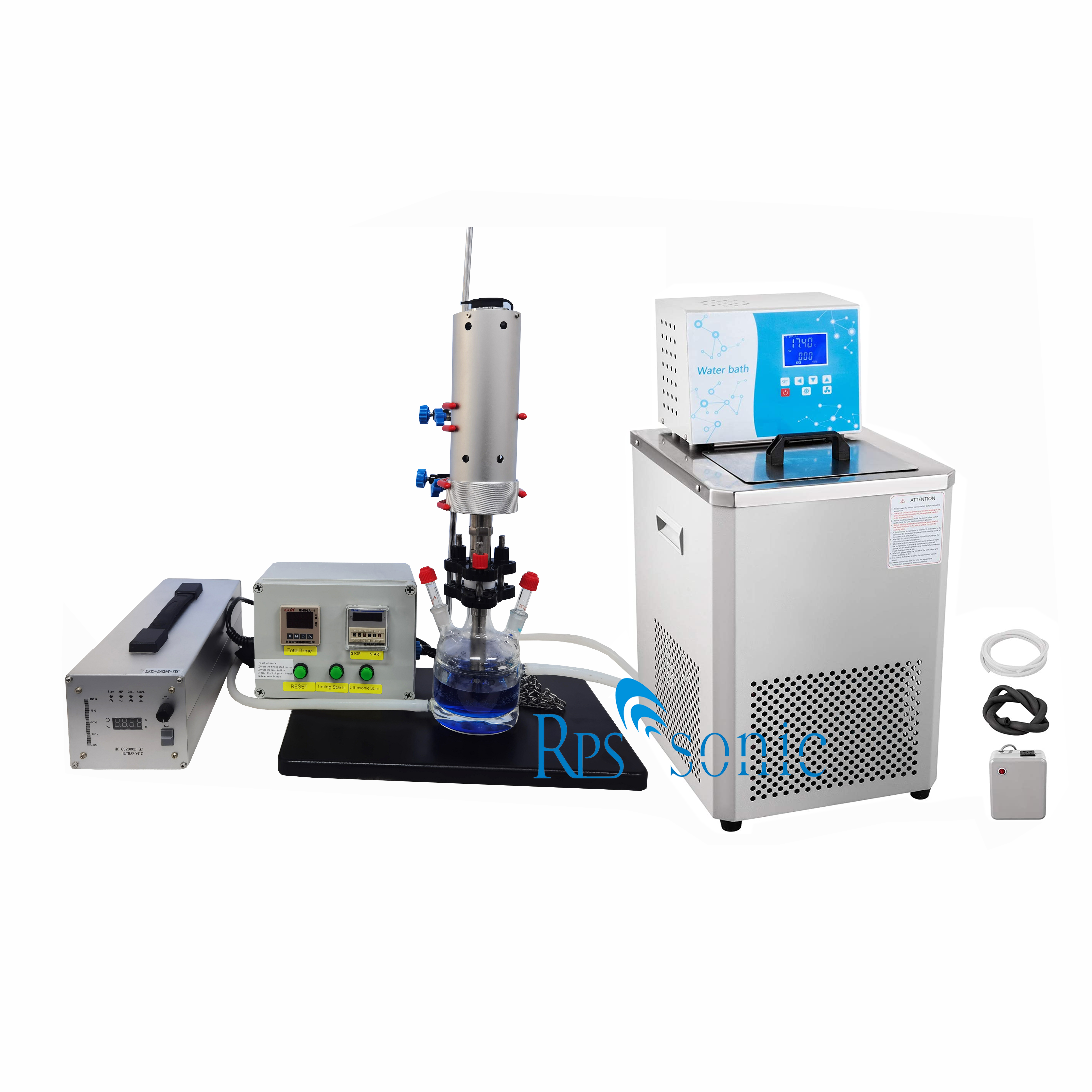
One of the standout features of our ultrasonic sonicator is its ability to automatically track frequency adjustments, which ensures consistent and reliable performance at its optimal 28Khz frequency. This auto-tracking mechanism eliminates the need for manual recalibration, making the machine user-friendly and efficient. The built-in temperature controller plays a critical role in maintaining the stability and integrity of your samples during sonication, providing you with consistent high-quality results every time. When it comes to ultrasonic resin dispersion, our sonicator stands out due to its remarkable capability to break down and evenly distribute resin particles in various solvents. This process improves the quality and characteristics of the final product, making it ideal for applications in pharmaceuticals, nanotechnology, materials science, and other fields that require meticulous and uniform dispersion. With its robust design and precise controls, the Powersonic Ultrasonic Sonicator is geared towards enhancing your laboratory's efficiency and achieving superior outcomes in ultrasonic resin dispersion, mixing, and extraction.
Q1.What kind material of the horn?
A. Titanium alloy, we also customized aluminum hom for customer before.
Q2.What’s the time of delivery?
A. For Conventional hom, 3 days, for customized hom 7 work days.
Q3.Does ultrasonic extraction also require the addition of a chemical catalyst?
A. No . but some time need Mechanical stiring.
Q4.Can the device work continously?
A. Yes ,it can work 24hours continously.
Q5.What’s the Processing capacity of one set ultrasonic extraction equipment?
A. Different hor different Processing capacity, for 2000W Nine section whip horm can dealing 2L~10Lmin.
Q6.What’s the warranty of your sonicator equipment?
A. All equipment one year warranty.
-

Industrial ultrasonic extraction machine ultrasonic homogenizer
-
Factory Cheap Butt-Welding Machine Hot Air Welder Plastic Welding Heat Welder
-

Wholesale Biobase Ultrasonic Cell Disruptors Ultrasonic Homogenizer Sonicator
-
Quots for Food Vegetable and Meat Water Purifier Ultrasonic Sterilization Vegetable Washers
-
Hot New Products China Biobase Laboratory Portable Ultrasonic Ultra High Pressure Homogenizer
-
High Power Ultrasonic Dispersion Equipment 20Khz For Biodiesel Production