




Cutting-Edge Ultrasonic Defoaming: Powersonic's 20Kh 2000w Nanoparticle Disperser
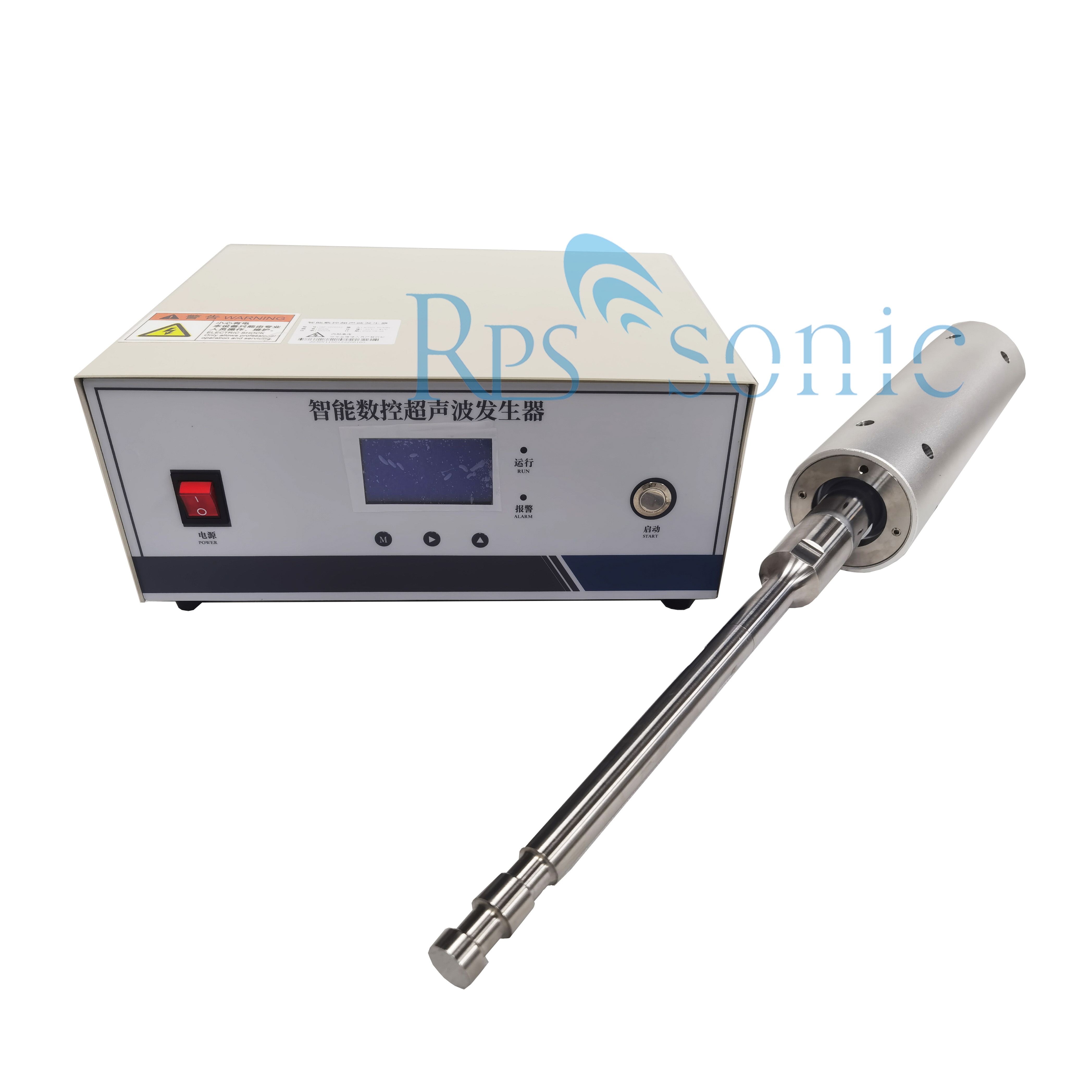
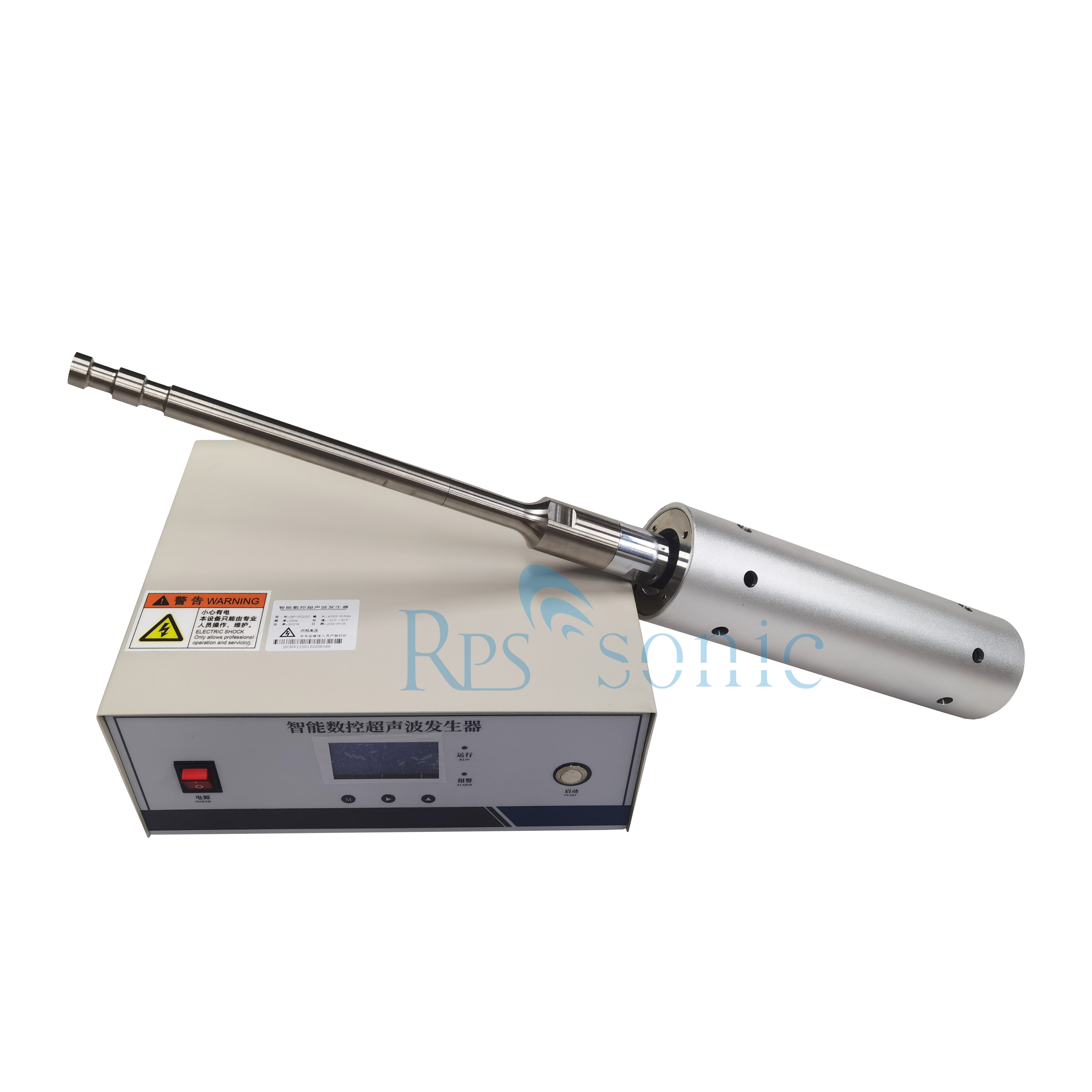
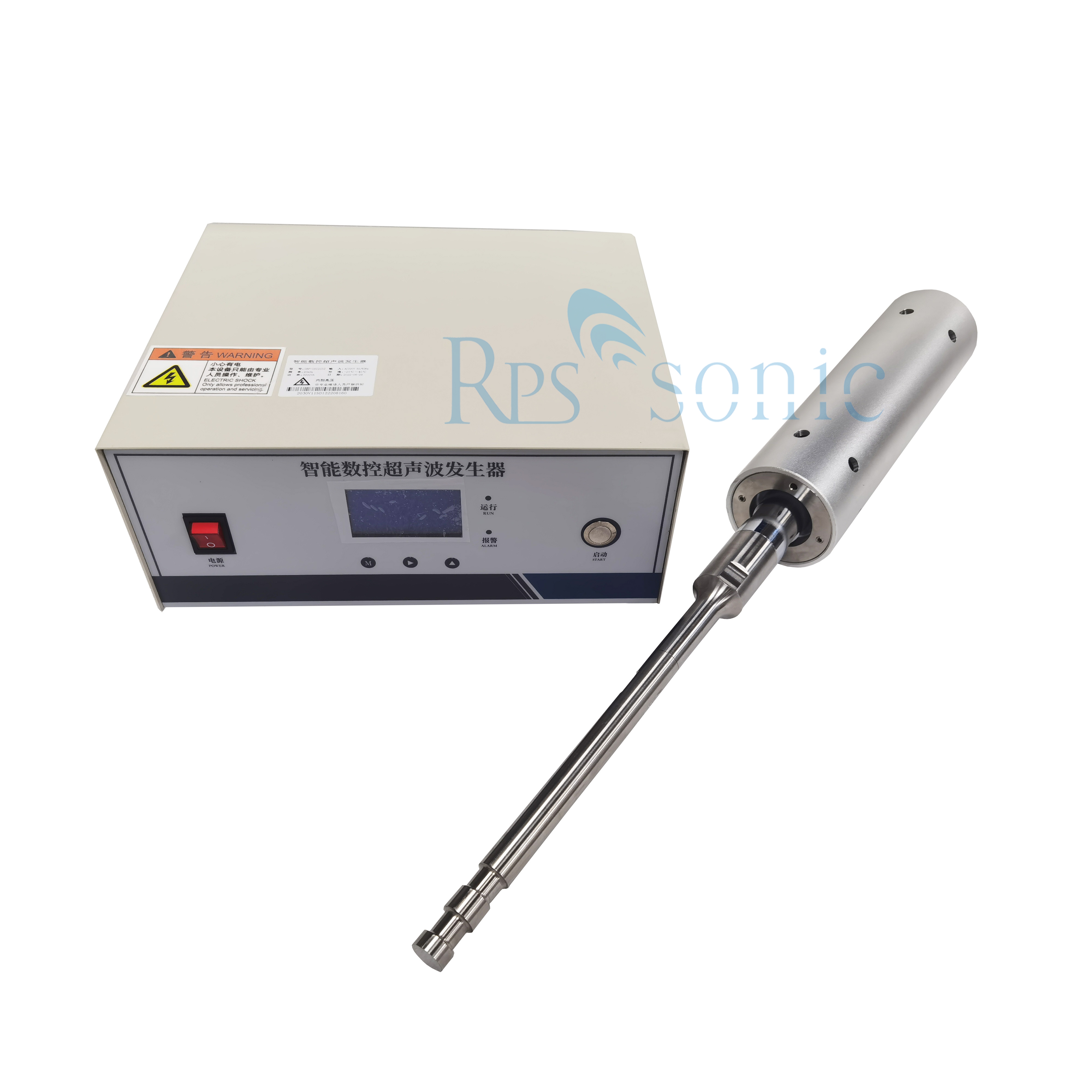
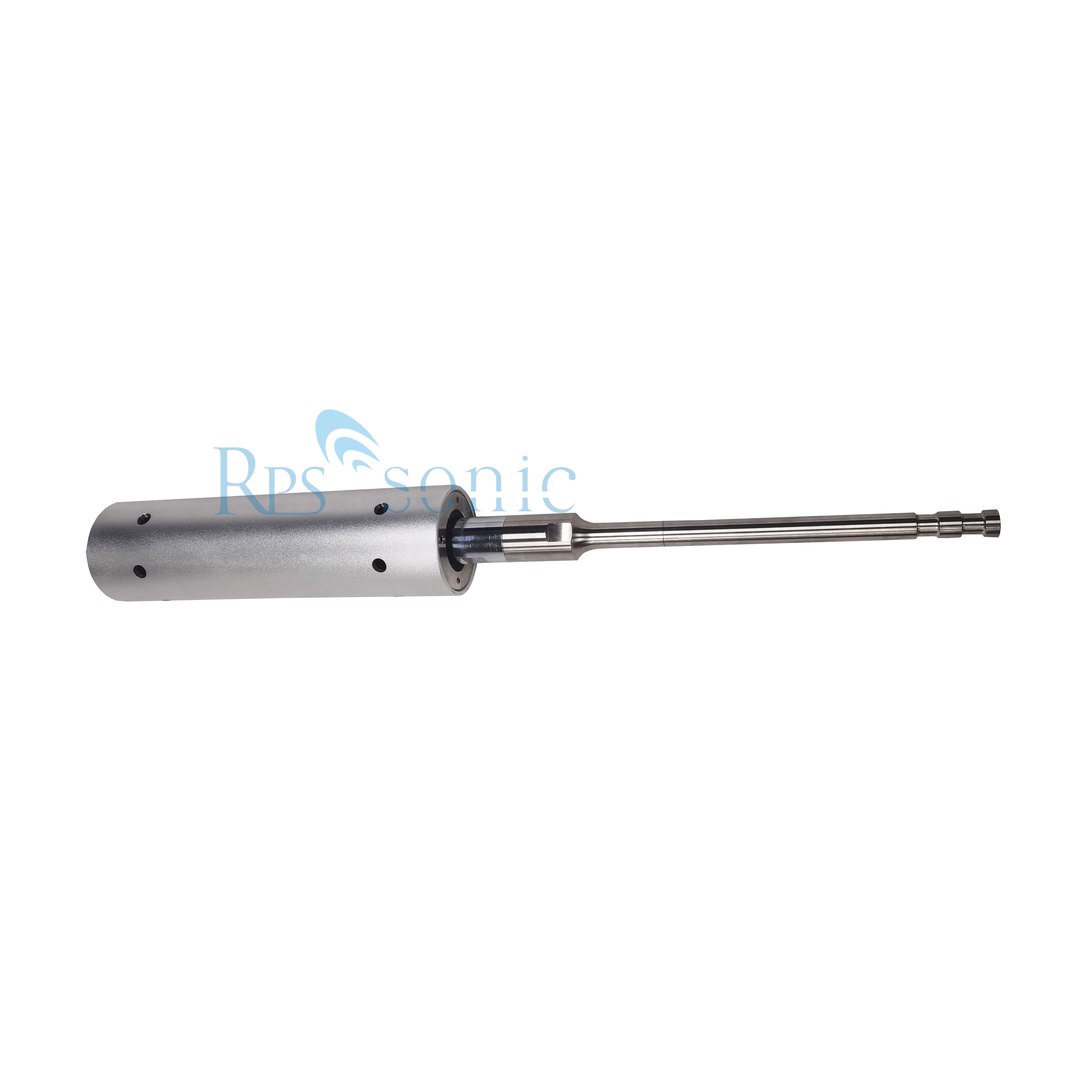
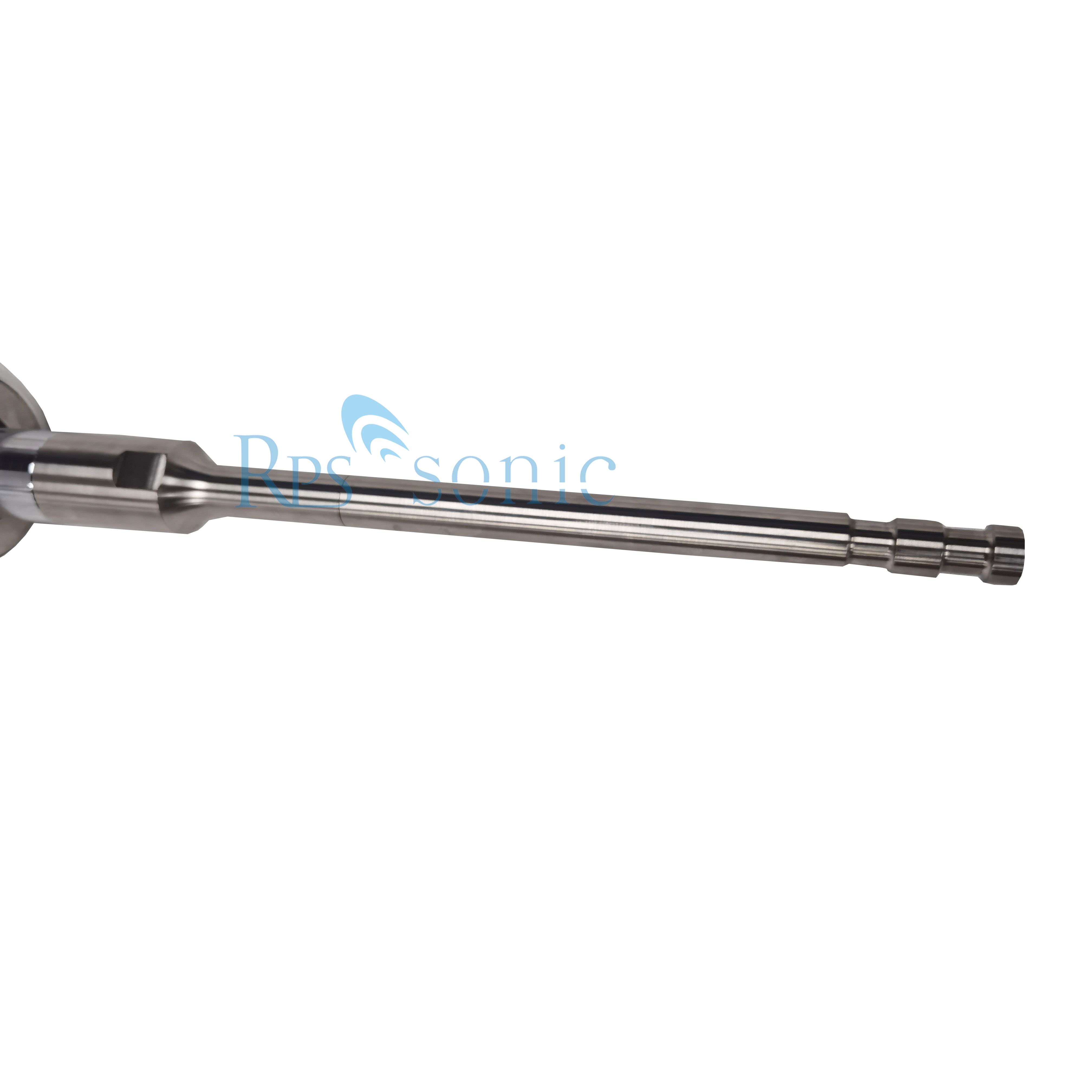
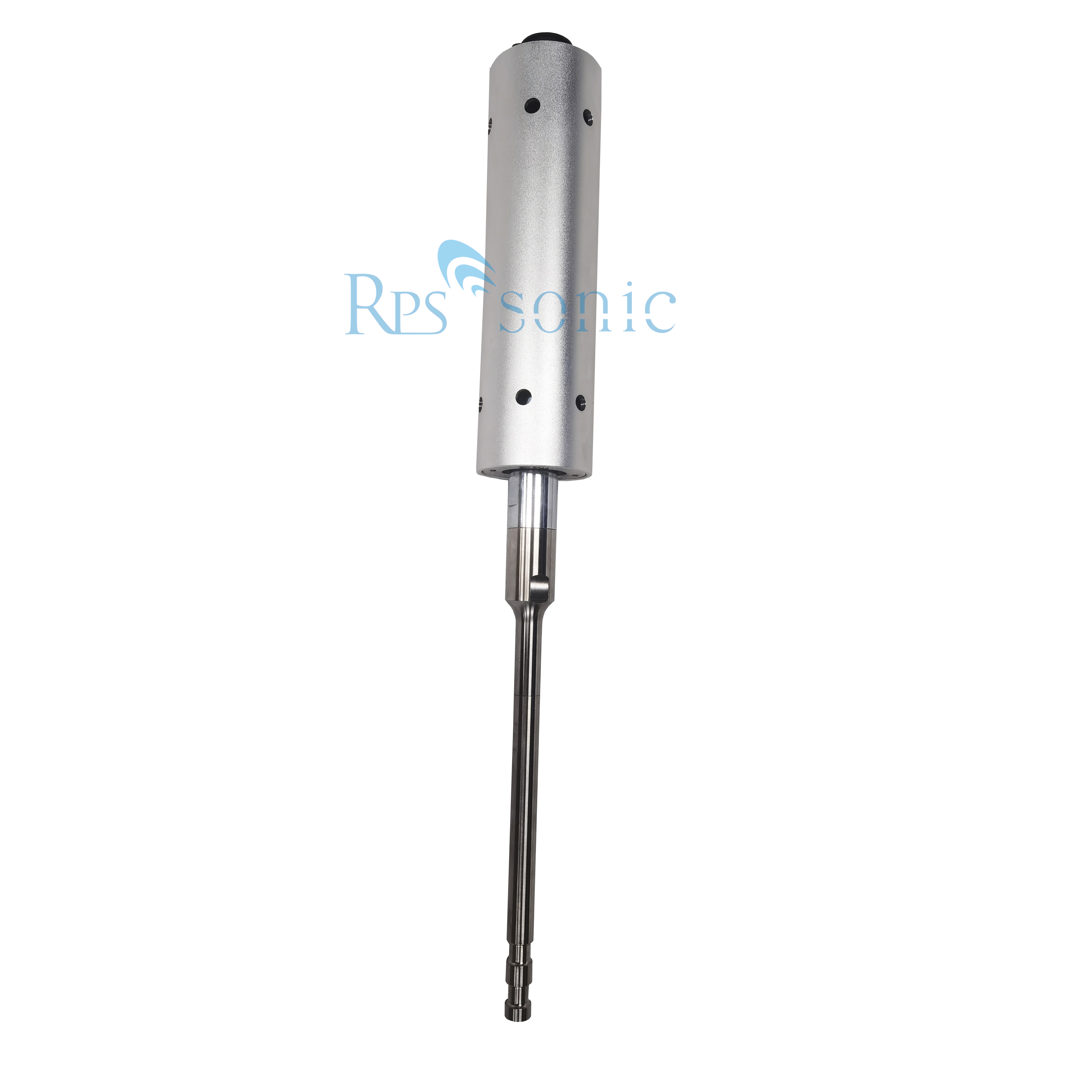
20Kh 2000w Ultrasonic dispersion of nanoparticles ultrasonic sonicator
Parameter
| Model | SONO20-1000 | SONO20-2000 | SONO15-3000 | SONO20-3000 |
| Frequency | 20±0.5 KHz | 20±0.5 KHz | 15±0.5 KHz | 20±0.5 KHz |
| Power | 1000 W | 2000 W | 3000 W | 3000 W |
| Voltage | 220/110V | 220/110V | 220/110V | 220/110V |
| Temperature | 300 ℃ | 300 ℃ | 300 ℃ | 300 ℃ |
| Pressure | 35 MPa | 35 MPa | 35 MPa | 35 MPa |
| Intensity of sound | 20 W/cm² | 40 W/cm² | 60 W/cm² | 60 W/cm² |
| Max Capacity | 10 L/Min | 15 L/Min | 20 L/Min | 20 L/Min |
| Tip Head Material | Titanium Alloy | Titanium Alloy | Titanium Alloy | Titanium Alloy |
Description
Ultrasonic treatment systems have proven effective in killing bacteria, plankton and larger organisms. Ultrasonic ballast water removal is a mechanical/physical treatment method that avoids adding any expensive reactive chemicals to ballast water. This ensures that the environment is not polluted, and at the same time has a high biological effect on the destruction and inactivation of animal and plant organisms and microorganisms in the ballast water.
Use background
If a vessel has no cargo or is partially loaded, ballast is required to maintain its stability and safety. Water is usually used as ballast, but when collected from the source, a range of organisms enter the water, usually consisting of plankton communities, which may be a completely new ecological environment at the destination (ex situ) and may cause unnecessary biological contamination. To avoid this possible contamination, we must use an efficient system to sanitize the ballast water.
The invasive spread of aquatic organisms has been identified by the World Environmental Protection Fund (GEF) as one of the top four threats to the oceans. Can have extremely serious impacts on the environment, economy and public health. To avoid the introduction of harmful mollusks (zebra mussels, Asian clams, etc.), various ballast water sterilization treatments (also known as disinfection or neutralization) are available. A common treatment method is chemical cleaning of ballast water. The chemicals used are environmentally harmful and expensive. With the continuous increase of laws and regulations on ship ballast water management, various ballast water treatment methods, such as ultrasonic disinfection, have been integrated on ships.
Ultrasonic Ballast Water Sterilization
Ultrasonic ballast water treatment is a mechanical/physical method that avoids the use of harmful and expensive chemicals. Cavitation forces kill small aquatic organisms and microorganisms. Several studies have demonstrated that ultrasound has a high biological effect on zebra mussels, nematodes, bacteria and viruses.
Ultrasonic cavitation disinfection
High-power ultrasonic waves generate cavitation bubbles in the liquid, which lead to the creation of strong shear forces and high stresses. When intense ultrasonic waves are coupled into a liquid, the sound waves propagate into the liquid medium, causing alternating cycles of high and low pressure at a rate that depends on the frequency. During the low-pressure cycle (thinning phase), high-intensity ultrasound creates small vacuum bubbles or voids in the liquid. When the bubbles reach a volume where they can no longer absorb energy, they collapse violently during the high-pressure cycle (compression phase). This phenomenon is called cavitation. During the implosion, very high temperatures (about 5,000K) and pressures (about 2,000 atm) are locally reached. The implosion of cavitation bubbles also leads to liquid jet velocities as high as 280 m/s.
This high-energy bubble creation and collapse causes hydrodynamic shear forces and ultrasonic oscillations that disrupt the organism’s cell walls – effectively killing them. There are no known or anticipated environmental issues with regard to the impact of ultrasound-assisted technology on the environment.
Biological Effects of Ultrasound
Several studies have proven that ultrasound can effectively affect viruses and bacteria. Sterilization studies using an ultrasonic device with a volume flow of 100 gpm (gallons per minute), equivalent to 23 m3/h, showed a 7 log reduction (<5 μm) for poliovirus and a 6-7 log reduction for Cryptosporidium parvum bacteria. With nematodes (Ascaris) (8-10 μm) and mollusk zebra mussels (70 μm), 100% mortality was obtained. Mortality of zebra mussels was the same in the 600 gpm flow system.
The inactivation rate of large organisms reached 100%, and the inactivation rate of bacteria and viruses was reduced by 6-7 percentage points. The inactivation rate of Cryptosporidium ocyst was 93-98.6% after 20 s exposure in an experimental continuous flow system, with a reduction (4 log) at 10 s, which had been exposed in a laboratory batch reactor. Inactivation rates for Cryptosporidium parvum (7log), live helminth eggs (4.2log), poliovirus (8log), Salmonella (9log), and Escherichia coli (9log) were also reported.
A 2 log reduction means that 99% of the organisms originally present in the water have been inactivated. A 3 log reduction means 99.9% has been inactivated etc.
The throughput of the ultrasonic system also depends on the output power, high power/high intensity ultrasonic devices require less exposure time to inactivate, thus allowing the processing of higher flow rates. This ultrasonic system can be used for ballast and decompression.
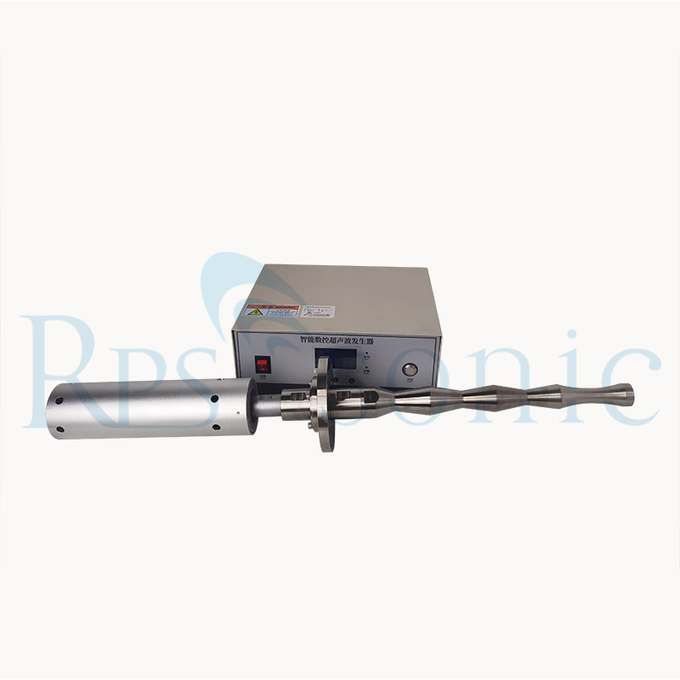
Powersonic's Ultrasonic Defoaming delivers efficiency and effectiveness beyond the traditional dispersion methods. Our nanoparticle disperser is not just a piece of equipment; it is a technological breakthrough that enhances industrial processing and delivers superior results. When you choose Powersonic's Ultrasonic Defoaming system, you choose unparalleled performance, precision, and progressiveness. Our 20Kh 2000w sonicator, renowned for its quality and reliability, ensures your nanoparticles are dispersed with utmost efficiency. Upgrade your process with Powersonic's Ultrasonic Defoaming technology, and revolutionize your nanoparticle dispersion today. We look forward to becoming your partner in providing advanced dispersion solutions.
Q1.What kind material of the horn?
A. Titanium alloy, we also customized aluminum hom for customer before.
Q2.What’s the time of delivery?
A. For Conventional hom, 3 days, for customized hom 7 work days.
Q3.Does ultrasonic extraction also require the addition of a chemical catalyst?
A. No . but some time need Mechanical stiring.
Q4.Can the device work continously?
A. Yes ,it can work 24hours continously.
Q5.What’s the Processing capacity of one set ultrasonic extraction equipment?
A. Different hor different Processing capacity, for 2000W Nine section whip horm can dealing 2L~10Lmin.
Q6.What’s the warranty of your sonicator equipment?
A. All equipment one year warranty.
-

28Khz handheld Ultrasonic spot welder for plastic welding
-
Professional China Best Price Superior Quality for Reinforcement Utrasonic Weld Steel Plastic Geogrid
-
Quoted price for China Ultrasonic Lace Sewing Machine for Surgical Coat (CE)
-
Factory Cheap Hot China Blue Agilent Impedance Analyzer Impedance Network Analyzer for Optimization Impedance
-
High definition China BOPP Bread Bag Making Machine with Ultrasonic Welding
-

Factory directly China 2021 New Super Quality Mattress Ultrasonic Sewing Quilting Embroidery Machine Price