




Factory-Grade Ultrasonic Sewing Machine 15Khz 2600W

Product Main Parameters
| Frequency | 15Khz |
|---|---|
| Power | 2600W |
| Horn Size | Customized |
| Weight | 110kg |
| Generator | Digital |
Common Product Specifications
| Material Compatibility | Thermoplastics |
|---|---|
| Air Pressure | 0.2-0.8Mpa |
| System Language | English/Chinese |
Product Manufacturing Process
According to research in ultrasonic technology, the manufacturing process involves precise alignment and calibration of transducers and generators to achieve optimal resonance. This ensures effective energy transfer from the electronic energy to mechanical vibrations, maintaining high efficiency in plastic welding. Studies suggest that maintaining consistent resonance can significantly improve the longevity and performance of ultrasonic sewing machines.
Product Application Scenarios
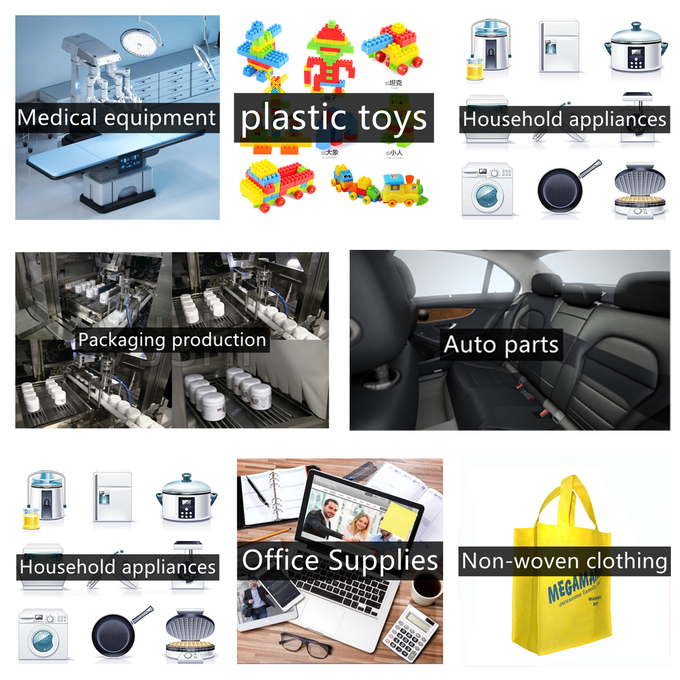
Ultrasonic sewing machines are widely used in the textile, automotive, and medical industries. In textiles, they enable the manufacturing of seamless garments and outdoor gear. The automotive industry benefits from ultrasonic welding for interior components, enhancing both durability and aesthetics. Research shows that ultrasonic technology also strengthens medical disposables, ensuring sterility and safety.
Product After-Sales Service
Our factory offers a comprehensive warranty and technical support for all ultrasonic sewing machines. Customers can avail of troubleshooting guides and direct assistance from our experts for any technical queries post-purchase.
Product Transportation
Ultrasonic sewing machines are carefully shipped in reinforced packaging to ensure safe delivery. The factory's logistics partner provides tracking services to monitor transit.
Product Advantages
- Fast and efficient welding process
- Eco-friendly with no consumables needed
- High seam strength and quality
- Adaptable for various materials
Product FAQ
1. How long is the lifespan of the factory ultrasonic sewing machine?
With proper maintenance, our ultrasonic sewing machines can last over a decade, thanks to high-quality factory components and precision engineering.
2. Can the machine handle all types of fabrics?
While ultrasonic sewing machines at our factory excel with thermoplastic and synthetic materials, natural fabrics like cotton require a blend for optimal results.
3. What is the energy requirement?
The factory machines operate efficiently with a standard 220V or 110V power supply, suitable for most factory environments.
4. How does the machine ensure seam quality?
Factory machines use precise ultrasonic vibrations to produce seamless and strong bonds between materials, enhancing product durability.
5. Is training available for using the machine?
Yes, the factory provides comprehensive training materials and support to ensure users can operate the machines efficiently.
6. Are replacement parts available?
Our factory stocks a full range of replacement parts to ensure quick repairs and minimize downtime for your ultrasonic sewing machines.
7. How eco-friendly is this technology?
The factory's ultrasonic sewing technology is highly eco-friendly as it eliminates the need for consumables and reduces waste production.
8. What industries use this machine?
Our factory products are utilized in textiles, automotive, medical, and packaging industries due to their versatility and efficiency.
9. Can the machine be customized?
The factory offers customization options for horns and generators to meet specific application needs, ensuring tailored solutions for customers.
10. What is the warranty period?
The factory provides a comprehensive warranty covering parts and service for a specified duration, ensuring peace of mind for customers.
Product Hot Topics
1. Innovations in Factory Ultrasonic Sewing Machines
The ongoing innovations in factory ultrasonic sewing machines have significantly enhanced their adaptability, making them suitable for a broad range of industrial applications. These machines are now equipped with advanced control systems allowing for precision in operations. As technology progresses, factories continue to push the envelope in improving material compatibility and integrating these machines with automation systems, improving overall productivity.
2. Eco-Friendly Manufacturing with Ultrasonic Sewing Machines
Factories aiming to reduce their carbon footprint are increasingly turning to ultrasonic sewing machines. The eco-friendly nature of these machines lies in their ability to bond materials without requiring consumables like threads or adhesives, which aligns with sustainable manufacturing practices. This aspect not only cuts down on waste but also boosts efficiency and cost-effectiveness in production lines.
3. Enhancing Durability in Textile Manufacturing
Ultrasonic sewing machines have revolutionized the textile manufacturing process in factories by providing durable seams that withstand various stresses. Unlike traditional sewing, which pierces fabrics and potentially weakens them, ultrasonic sewing ensures that the strength of textiles is maintained. Factory operations benefit from these high-quality seams, resulting in longer-lasting garments and reduced repairs or returns.
4. The Role of Factory Machines in Medical Equipment Production
In the medical industry, the demand for sterile and safe equipment is paramount, and factories have found ultrasonic sewing machines indispensable. These machines ensure precise and strong bonds necessary for products such as surgical gowns and drapes. Factory settings benefit from the machine's ability to produce medical disposables efficiently while adhering to strict hygiene standards.
5. Adopting Ultrasonic Technology in Automotive Factories
The integration of ultrasonic sewing machines in automotive factories has streamlined the production of interior components. With their ability to deliver high-quality seams without the need for stitches, these machines contribute to the aesthetic and functional aspects of automobile interiors. Factories adopting this technology see improvements in both production speed and product quality.
6. Challenges in Implementing Ultrasonic Sewing Machines
Despite their advantages, factories face challenges when implementing ultrasonic sewing machines. These challenges include the initial cost and the requirement for skilled operators to maximize the benefits provided by this technology. However, as factories adapt and integrate these machines, they witness significant drops in operational costs and wastes over time.
7. Customization in Factory Ultrasonic Sewing Machines
Factories seeking unique solutions for specific applications are turning towards customized ultrasonic sewing machines. Customization involves tailoring the horns and generators to fit particular manufacturing needs. Factories benefit from this flexibility as it allows them to address specific challenges while maintaining high production standards.
8. Future Directions for Factory Ultrasonic Sewing Machines
The future of factory ultrasonic sewing machines is promising, with advancements continually being made in automation and control systems. Factories are exploring new materials and applications, expanding the capabilities of these machines beyond their current uses. As factories continue to innovate, ultrasonic sewing machines are expected to play a crucial role in efficient, sustainable manufacturing.
9. Cost-Effectiveness of Ultrasonic Sewing in Factories
While the initial investment in ultrasonic sewing machines might be considerable, factories find them cost-effective in the long run. The elimination of traditional sewing consumables such as threads and needles leads to substantial savings. Additionally, the increase in production speed and efficiency further contributes to cost reduction, making these machines a valuable asset in factories.
10. The Impact of Factory Machines on Product Quality
Factory ultrasonic sewing machines have positively impacted product quality across various industries. The ability to create seamless, strong bonds without compromising material integrity ensures that final products meet high standards. This capability is especially crucial in industries where product performance and durability are pivotal, solidifying the role of ultrasonic sewing machines in quality assurance.
Image Description
Q1.What kind material of the horn?
A. Titanium alloy, we also customized aluminum hom for customer before.
Q2.What’s the time of delivery?
A. For Conventional hom, 3 days, for customized hom 7 work days.
Q3.Does ultrasonic extraction also require the addition of a chemical catalyst?
A. No . but some time need Mechanical stiring.
Q4.Can the device work continously?
A. Yes ,it can work 24hours continously.
Q5.What’s the Processing capacity of one set ultrasonic extraction equipment?
A. Different hor different Processing capacity, for 2000W Nine section whip horm can dealing 2L~10Lmin.
Q6.What’s the warranty of your sonicator equipment?
A. All equipment one year warranty.
-

Reasonable price Ultrasonic Border Cutting Machine - High Efficiency Ultrasonic Cutting Device Titanium Ultrasonic Guillotine Cutter – Powersonic
-
New Arrival China Ultrasonic Vibration Cutting - Plastic Rubber Ultrasonic Hand Cutter Steel Blade 5mm Cutting Thickness – Powersonic
-
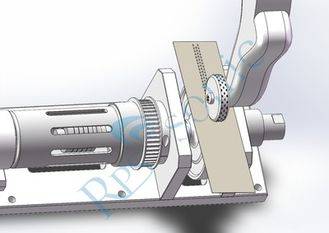
Manufacturer of Branson X2000 Ultrasonic Welder - 20Khz Textile Ultrasonic Welding Machine with Continuous Welding Force Monitoring – Powersonic
-

Factory Supply Nsk Sonic Cutter - 20khz 1000w Ultrasonic Food Cutting Machine For Frozen Cakes – Powersonic
-

Quality Inspection for Homogenizer Supplier - 1Khz – 5Mhz Ultrasonic Welding Tool Automatic Ultrasonic Impedance Analyzer – Powersonic
-

Chinese Professional Ultrasonic Handheld Welder - Automated Ultrasonic Welding Equipment For Polycarbonate / Polypropylene – Powersonic