




High power ultrasonic homogenizer for Liquid Homogenization 3000w

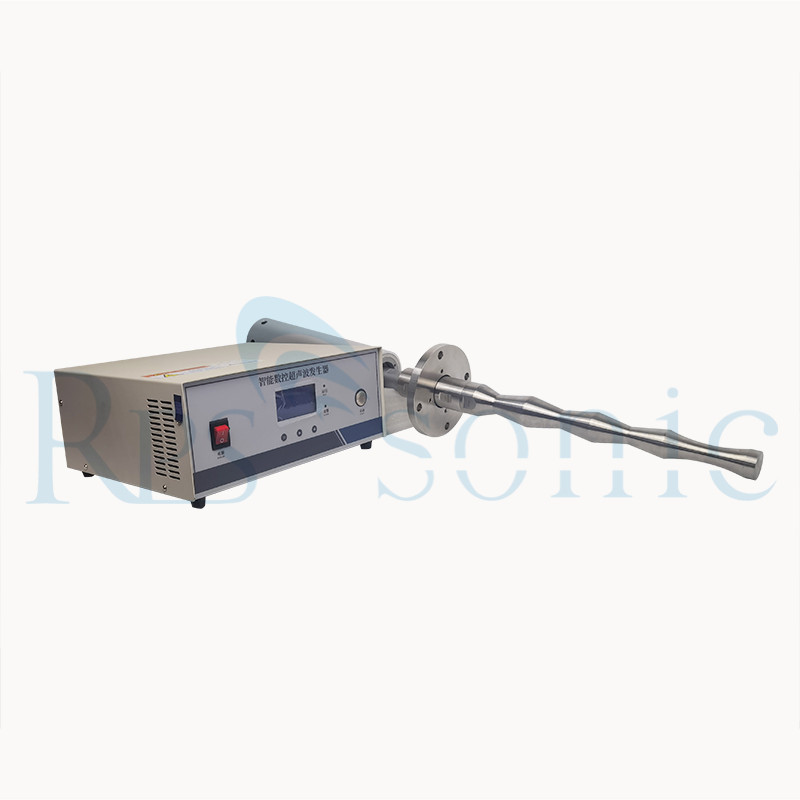
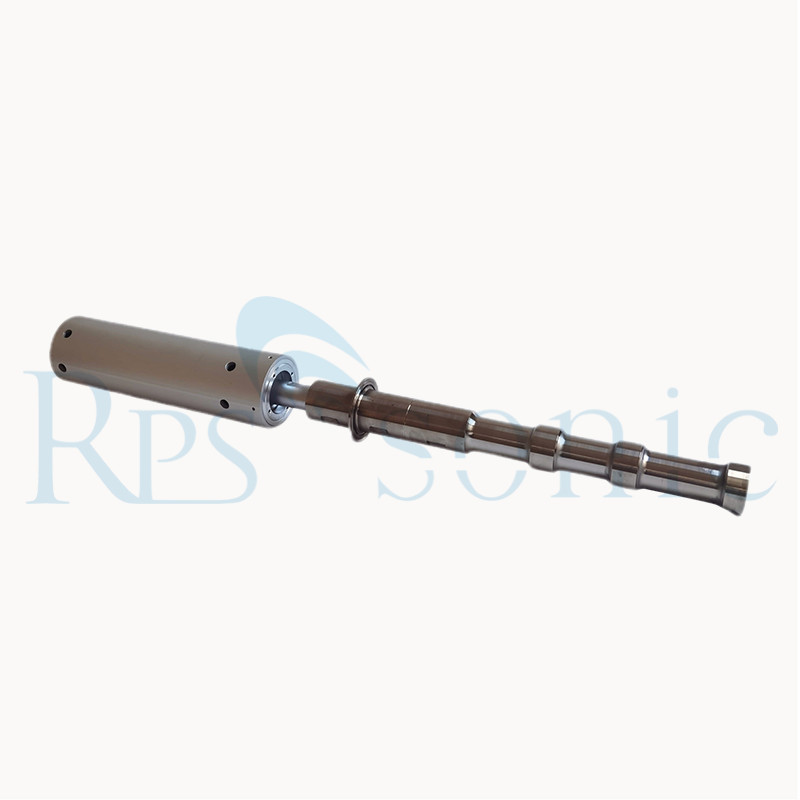
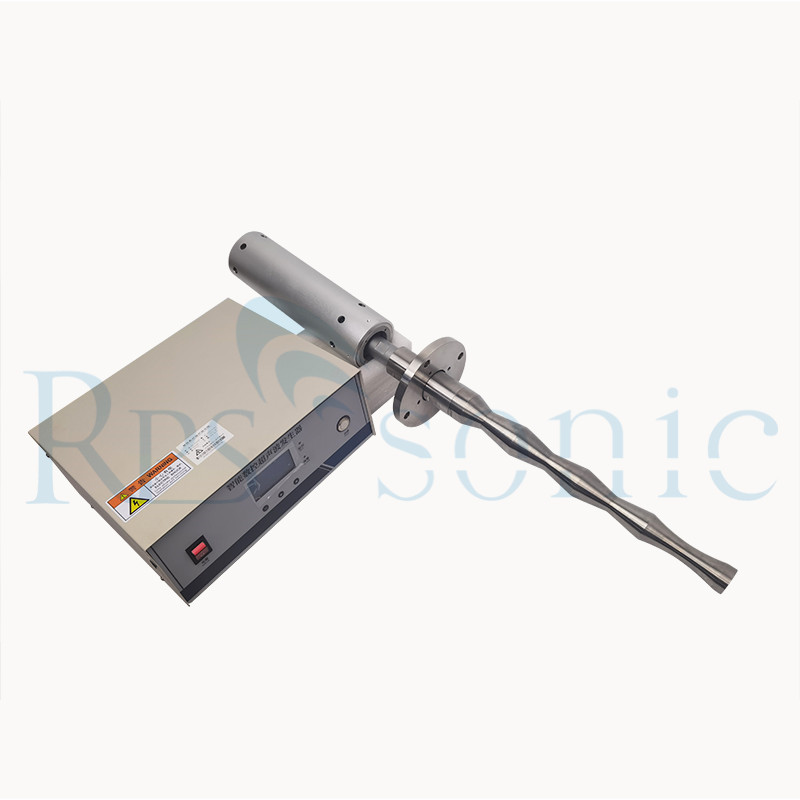


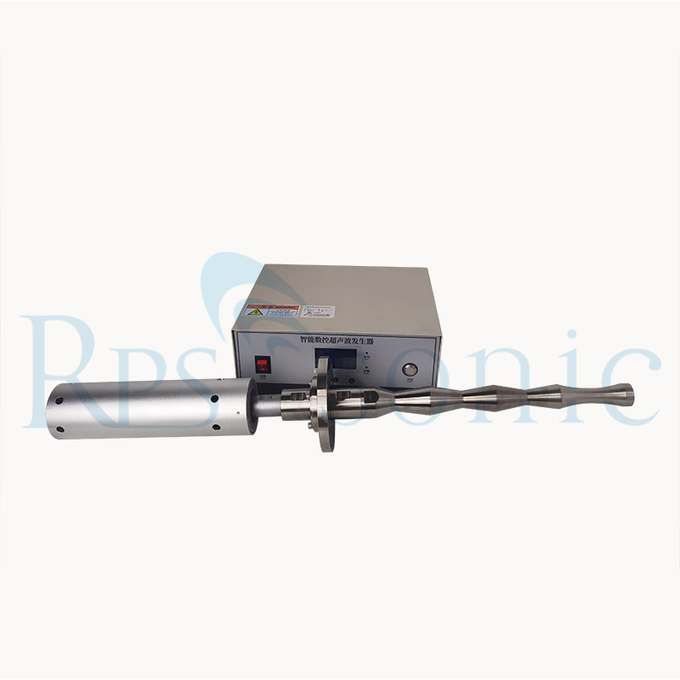
3000w High power ultrasonic homogenizer for Liquid Homogenization
Parameter
| Model | SONO20-1000 | SONO20-2000 | SONO15-3000 | SONO20-3000 |
| Frequency | 20±0.5 KHz | 20±0.5 KHz | 15±0.5 KHz | 20±0.5 KHz |
| Power | 1000 W | 2000 W | 3000 W | 3000 W |
| Voltage | 220/110V | 220/110V | 220/110V | 220/110V |
| Temperature | 300 ℃ | 300 ℃ | 300 ℃ | 300 ℃ |
| Pressure | 35 MPa | 35 MPa | 35 MPa | 35 MPa |
| Intensity of sound | 20 W/cm² | 40 W/cm² | 60 W/cm² | 60 W/cm² |
| Max Capacity | 10 L/Min | 15 L/Min | 20 L/Min | 20 L/Min |
| Tip Head Material | Titanium Alloy | Titanium Alloy | Titanium Alloy | Titanium Alloy |
Description
Homogenizers come in a variety of shapes and sizes and operate under several different kinds of forces. The ultrasonic homogenizer is a specific type of homogenizer which uses ultrasonic waves and cavitation to force apart and reduce the size of particles (both liquid and solid) within a liquid substance.
Also known as sonicators, ultrasonic homogenizers consist of three parts:
- A generator, which supplies energy.
- A converter, which converts and increases electrical energy into mechanical motion.
- A horn, probe or tip, which when placed into a liquid moves in a rapid fashion and causes bubbles to form. These bubbles expand and contract, breaking apart the surrounding particles (called cavitation).
Of course, the goal of homogenization is not only to break apart, but to mix, particles. And in this sense, ultrasonic homogenizers hold an advantage, as their stimulation of cavitation so effectively disrupts molecular bonds that the total particle surface area is greatly increased. This is because breaking apart particles creates more particles with more surfaces. And when there is a greater total surface area and a tighter distribution of particles, there is improved opportunity for particle agglomeration and overall improved stability.Furthermore, ultrasonic homogenizers have fewer parts to maintain and to clean, and they can be customized according to specific amplitude and pressure ranges, making them great choices for scientists and manufacturers wanting complete control over the cavitation process.
Ultrasonic homogenizers can be used to homogenize samples, lyse cells, reduce particle size, extract biological material, refine chemical processes and more, but only with liquid (or mostly liquid) samples. They are appropriate for application in both laboratory and industrial settings and are especially valuable when a sample can’t be stirred, doesn’t require grinding or cutting for processing and won’t be degraded by heat (as high temperatures often result with the rapid agitation of the sonicator tip).
As mentioned, ultrasonic homogenizers can be used in a wide variety of industries by all kinds of professionals. Life scientists can use them to facilitate sonoporation. Jewelers and opticians can use them to clean their merchandise. Food scientists, agriculturalists and chemists can use them to enhance their “soft goods” processing. Archaeologists can use them to uncover microfossils. Pharmaceutical researchers can use them to produce betters drugs. And these are just a few examples!
Picking the right kind of homogenizer depends on the type of materials with which you work and what you want to accomplish with them. If you need help selecting the right homogenizer for your task, contact our team at RPS-SONIC.
Q1.What kind material of the horn?
A. Titanium alloy, we also customized aluminum hom for customer before.
Q2.What’s the time of delivery?
A. For Conventional hom, 3 days, for customized hom 7 work days.
Q3.Does ultrasonic extraction also require the addition of a chemical catalyst?
A. No . but some time need Mechanical stiring.
Q4.Can the device work continously?
A. Yes ,it can work 24hours continously.
Q5.What’s the Processing capacity of one set ultrasonic extraction equipment?
A. Different hor different Processing capacity, for 2000W Nine section whip horm can dealing 2L~10Lmin.
Q6.What’s the warranty of your sonicator equipment?
A. All equipment one year warranty.
-
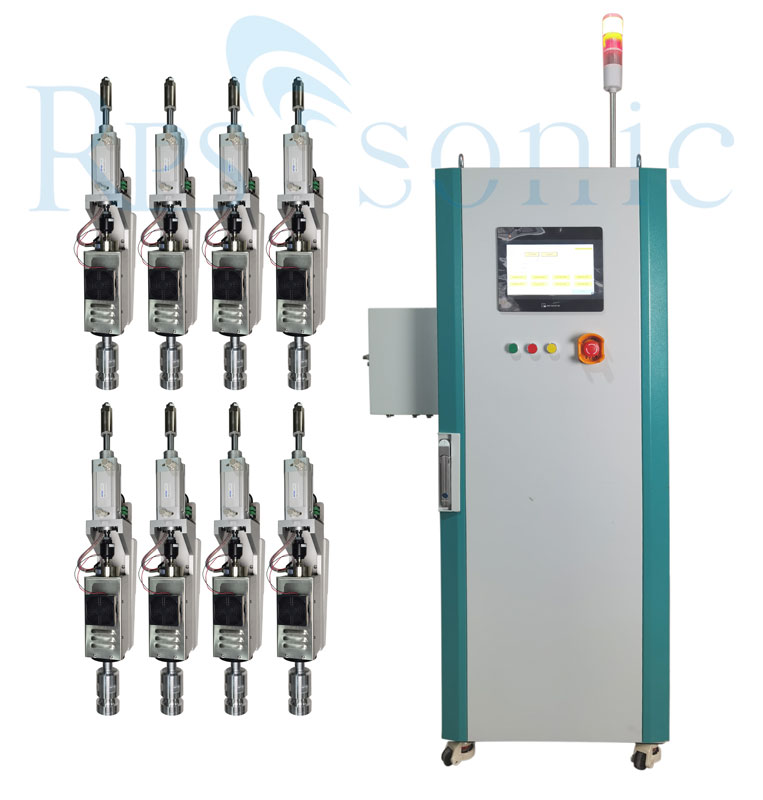
20Khz customized ultrasonic welding machine ultrasonic welding plastic
-
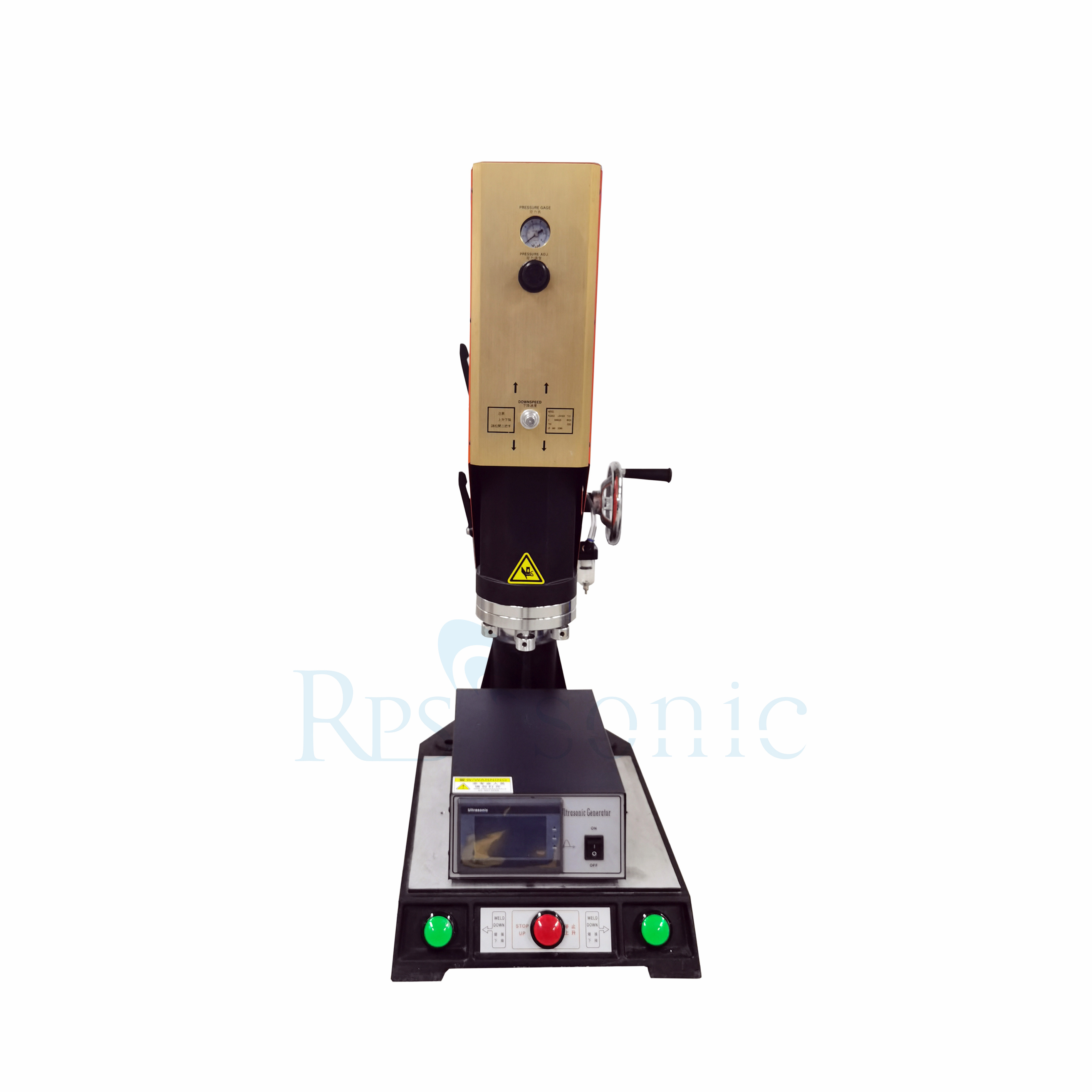
Chinese Professional Ultrasonic Welding Machine for Ear Loop 35kHz with Generator 500W
-

Factory Cheap Hot China Commercial Automatic Cake Cutting Machine Be Used To Sandwich
-
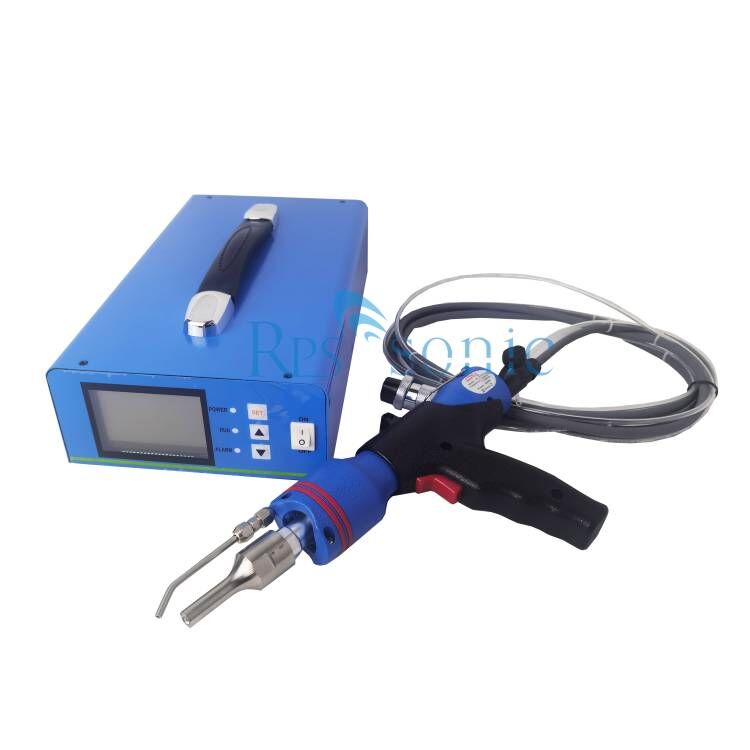
OEM/ODM China China Spot Welder Machine High Quality Compact Type Ultrasonic Metal Manufacturing Plant for Lithium Ion Battery Welding Spare Parts
-
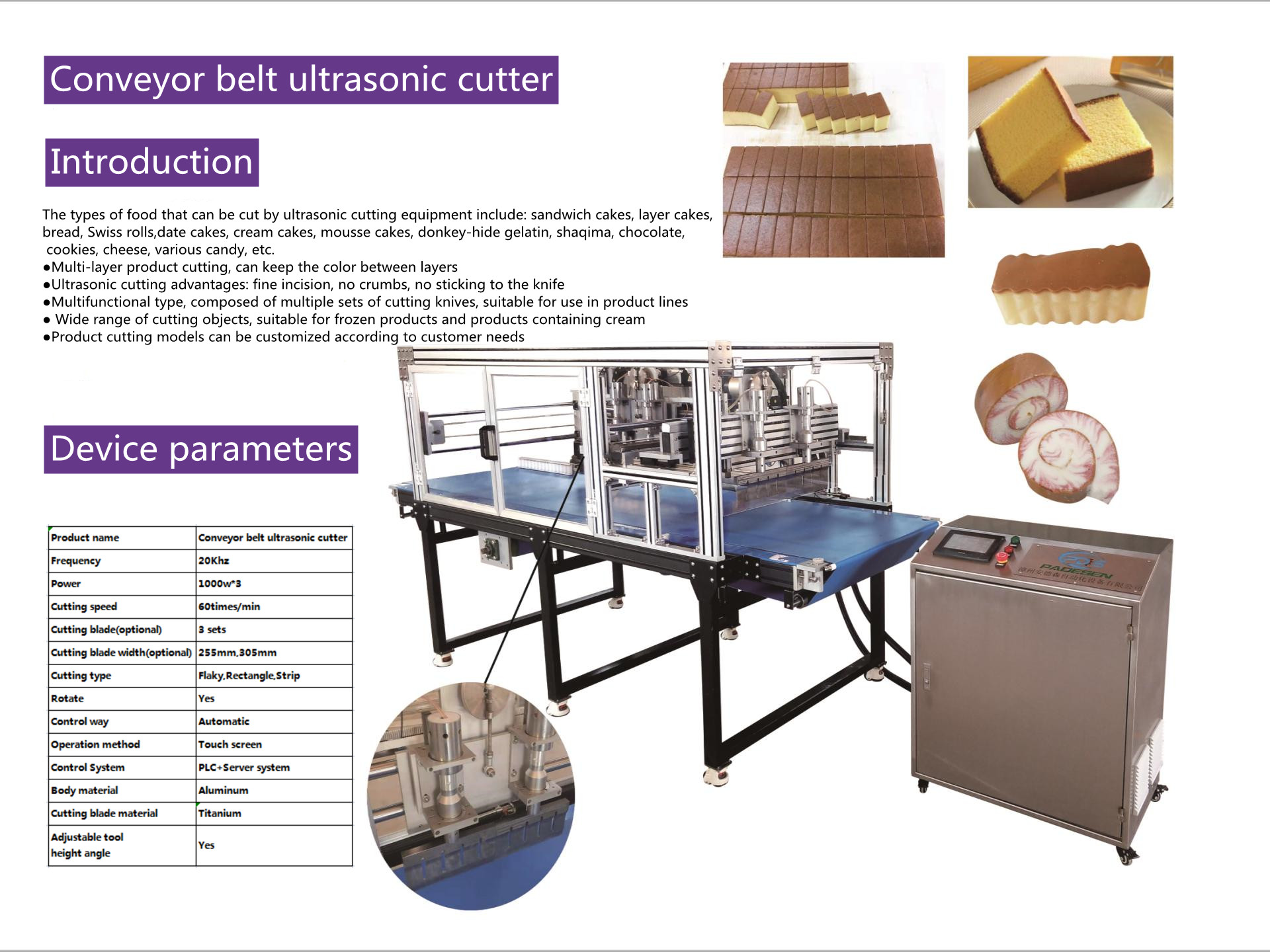
China New Product China 1000W Ultrasonic Food Cutting Machine for Sugar Candy Cutting
-
Manufacturer of China Hot Product: Ultrasonic Lace Sewing Machine Welding Sealing Bonding Soldering for Non-Woven and Plastic