



Ultrasonic soldering irons are suitable for a variety of materials, mainly including:
Glass and ceramics: Ultrasonic soldering irons can weld materials that are difficult to weld, such as glass and ceramics, without the need for flux and without corrosive effects on the surface of the base material12.
Aluminum and its alloys: Aluminum is an easily oxidized metal. Ultrasonic soldering irons use ultrasonic vibrations to break the oxide film and achieve welding of aluminum metals. This method does not require flux, the welding is firm, there are no bubbles, and the phenomenon of cold welding is eliminated3.
Titanium, silicon, metal oxides, superconductors: Ultrasonic soldering irons can weld these materials under normal pressure without flux, and are particularly suitable for welding special base materials such as glass, ceramics, aluminum, steel, titanium, silicon, metal oxides and superconductors.
Working principle and advantages of ultrasonic soldering iron
Ultrasonic soldering iron uses ultrasonic vibration to firmly bond solder to the surface of the object being soldered. During the soldering process, ultrasonic vibration can clean and remove oxides on the substrate surface from the molten solder without the need for flux. This method does not corrode the surface of the base material and is particularly suitable for materials that are difficult to solder.
Application areas
Ultrasonic soldering irons are widely used in the manufacture of electronics, medical equipment and structural components. Due to its feature of not requiring flux, it is particularly suitable for the welding of electronic instruments or components, and has broad application prospects in the future.

- English
- French
- German
- Portuguese
- Spanish
- Russian
- Japanese
- Korean
- Arabic
- Irish
- Greek
- Turkish
- Italian
- Danish
- Romanian
- Indonesian
- Czech
- Afrikaans
- Swedish
- Polish
- Basque
- Catalan
- Esperanto
- Hindi
- Lao
- Albanian
- Amharic
- Armenian
- Azerbaijani
- Belarusian
- Bengali
- Bosnian
- Bulgarian
- Cebuano
- Chichewa
- Corsican
- Croatian
- Dutch
- Estonian
- Filipino
- Finnish
- Frisian
- Galician
- Georgian
- Gujarati
- Haitian
- Hausa
- Hawaiian
- Hebrew
- Hmong
- Hungarian
- Icelandic
- Igbo
- Javanese
- Kannada
- Kazakh
- Khmer
- Kurdish
- Kyrgyz
- Latin
- Latvian
- Lithuanian
- Lithuanian
- Macedonian
- Malagasy
- Malay
- Malayalam
- Maltese
- Maori
- Marathi
- Mongolian
- Burmese
- Nepali
- Norwegian
- Pashto
- Persian
- Punjabi
- Serbian
- Sesotho
- Sinhala
- Slovak
- Slovenian
- Somali
- Samoan
- Scots Gaelic
- Shona
- Sindhi
- Sundanese
- Swahili
- Tajik
- Tamil
- Telugu
- Thai
- Ukrainian
- Urdu
- Uzbek
- Vietnamese
- Welsh
- Xhosa
- Yiddish
- Yoruba
- Zulu
- Kinyarwanda
- Tatar
- Oriya
- Turkmen
- Uyghur

What materials are suitable for ultrasonic soldering irons?
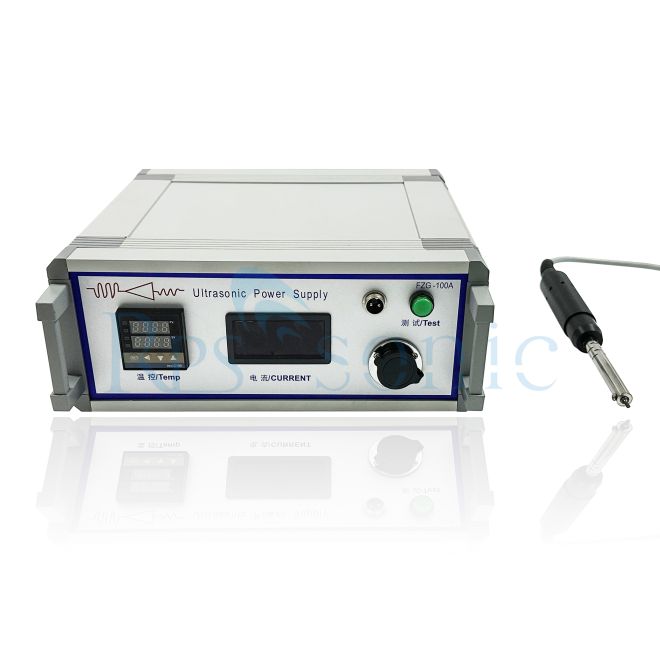
Table of Contents