


Importance of Regular Maintenance
Maintaining an ultrasonic welding machine, especially for applications involving copper, is crucial for ensuring optimal performance and extending the lifespan of the equipment. This requires a systematic approach to preventive maintenance, which includes regular inspections, adjustments, and cleaning processes. Copper, known for its excellent conductivity and malleability, demands precise control in the welding process, making maintenance essential to avoid defects and ensure efficiency. This article guides on key maintenance practices necessary for ultrasonic welding machines in the context of a factory setting, especially considering suppliers in China.
Heat Dissipation and Ventilation
Ensuring Adequate Airflow
Proper heat dissipation and ventilation are critical for ultrasonic welding machines to function effectively. The high-frequency vibrations used in welding generate significant heat, which needs to be managed to prevent equipment failure. Ensuring that the machine's cooling vents are unobstructed and fans are functional is vital. In a China-based factory setting, with generally higher ambient temperatures, paying attention to cooling systems can significantly enhance machine longevity.
Checking and Tightening Wire Connectors
Importance of Secure Connections
Loose wire connectors can lead to inefficient energy transfer and potential power losses during the welding process. Regularly inspecting and tightening these connectors is essential to maintain the machine's performance. Suppliers recommend checking connections every month to prevent operational inefficiencies. A 5% drop in power efficiency can significantly increase energy consumption and operational costs over time.
Cleaning Welding Heads and Bottom Dies
Avoiding Contaminants
Regular cleaning of welding heads and bottom dies is crucial. Copper's high thermal and electrical conductivity means that even minor contaminants can lead to welding defects. It's recommended to use appropriate cleaning solvents to remove residues without leaving damaging deposits. In a factory setting, daily cleaning routines can prevent long-term wear and reduce downtime.
Regular Lubrication and Greasing
Components Requiring Attention
The mechanical components of an ultrasonic welding machine, such as the grooves and screws, require regular lubrication to prevent wear and rust. Using high-quality yellow grease every two months ensures smooth operation. For copper welding machines, maintaining lubrication prevents the accumulation of copper dust, which could impede machine parts and lead to costly repairs.
Workplace Conditions and Temperature Control
Maintaining Optimal Conditions
The environment in which an ultrasonic welding machine operates must be controlled. The optimum ambient temperature should not exceed 40°C. Excessive heat can cause components to expand, affecting machine precision and efficiency. Factories in warmer regions, such as some areas in China, should implement cooling solutions or schedule welding operations during cooler times to maintain optimal conditions.
Air Filter Maintenance and Cleaning
Keeping Air Paths Clear
Ultrasonic welding machines are equipped with air filters to prevent dust and debris from entering the system. Regular cleaning of these filters is essential to maintain airflow and prevent operational inefficiencies. It's advisable to clean filters monthly or more often in dusty environments. Clean filters ensure that contaminants do not enter the machine, thus preserving its functionality and performance.
Handling and Storage of Ultrasonic Welders
Best Practices for Longevity
Proper handling and storage are crucial for the longevity of ultrasonic welding machines. When not in use, machines should be cleaned, lubricated, and covered to protect them from dust and humidity. In a factory setting, particularly among suppliers in regions with varying climates, such as China, ensuring the machine is stored in a dry, ventilated area prevents corrosion and other environmental damage.
Frequency Monitoring and Adjustments
Detecting Early Signs of Wear
Monitoring the operating frequency of the ultrasonic welding machine is key to detecting early signs of wear and potential equipment failure. A shift of more than 0.25% from the baseline frequency indicates the need for preventive maintenance. Suppliers often provide tools for frequency monitoring to ensure machines remain within operational tolerances, reducing the risk of costly repairs and downtime.
Surface Inspection and Reconditioning
Maintaining Component Integrity
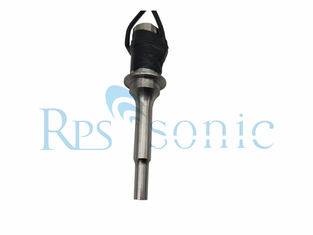
Surface inspection and reconditioning of the machine's components, such as sonotrodes and boosters, are critical to maintaining integrity and performance. Regular visual inspections for wear, corrosion, and deposits should be conducted. Reconditioning can involve sanding and polishing surfaces, ensuring they meet flatness and parallelism standards. Components with a deviation greater than 0.025 mm require immediate attention to prevent operational failures.
Powersonic Provide Solutions
Powersonic offers comprehensive maintenance solutions tailored to the needs of ultrasonic welding machines used for copper applications. Our services include regular inspections, frequency monitoring, and specialized cleaning solutions. We work closely with factories and suppliers in China to provide customized maintenance schedules, ensuring your equipment operates at peak performance. Our expert team is committed to enhancing your machine's longevity, reducing downtime, and saving costs.
User hot search: ultrasonic welding machine for copper