



Ultrasonic tinning equipment promotes the uniform deposition of microscopic particles of molten tin on the surface of the workpiece through the high-frequency energy of ultrasonic vibration. It is often used for surface treatment of electronic components, connectors, circuit boards and other precision parts. Therefore, companies in the electronics manufacturing, semiconductor, automobile manufacturing and other industries will use this equipment. The following is a detailed introduction:
1. Electronic manufacturing companies: For example, companies that produce PCB boards need to tin the PCB pins to ensure that the pins are well connected to other electronic components, reduce the phenomenon of false solder joints and leaks, and improve product quality. Such companies include Shenzhen South Circuit, Shanghai Electric Co., Ltd., etc. There are also companies that produce electronic components such as relays, resistors, capacitors, etc., which also use ultrasonic tinning equipment to surface treat the component pins, such as relay manufacturers such as Hongfa Co., Ltd.
2. Semiconductor companies: In the semiconductor manufacturing process, many links require precise surface treatment. Ultrasonic tinning equipment can be used in the semiconductor packaging link to tin the pins and other parts to ensure the reliability of electrical connections. Semiconductor companies such as SMIC and Huatian Technology may use it in related production processes. In addition, Changzhou Jingxin Semiconductor Equipment Co., Ltd. not only produces ultrasonic jet tinning machines, but also conducts research on tinning of aluminum alloys and launches related tinning materials. It also uses this equipment in its own research and development and production process.
3. Automobile manufacturers: There are a large number of wiring harnesses and electronic control systems inside the car. Automobile wiring harness manufacturers such as Sumitomo Electric and Yazaki General Industry need to perform anti-oxidation treatment on aviation wires, sensor terminals, etc. to ensure conductive stability and long-term durability, and will use ultrasonic tinning equipment. At the same time, manufacturers of components such as automotive electronic control units (ECUs) will also use this equipment for relevant surface treatment to ensure reliable connection of components on circuit boards.
4. New energy companies: In the production of solar cells, solar cells need to be connected in series and in parallel, and the welding quality of the connection parts is crucial. Ultrasonic tinning equipment can be used for welding of solar cell glass, ceramic heaters and other components. Companies such as Longi Green Energy and Tongwei Co., Ltd. may use it in related production links. In addition, lithium battery manufacturers may also use ultrasonic tinning equipment in processes such as battery electrode welding to improve welding quality and reliability, such as CATL and BYD.
5. Electrical equipment manufacturing companies: such as Guangdong Beijiang Switch Factory Co., Ltd., which mainly produces high and low voltage complete switchgear, will use ultrasonic tinning equipment to treat busbars and other components during the production process to improve conductivity and corrosion resistance. Some companies that produce electrical equipment such as transformers and mutual inductors may also use this equipment to tin the surface of related metal parts.

- English
- French
- German
- Portuguese
- Spanish
- Russian
- Japanese
- Korean
- Arabic
- Irish
- Greek
- Turkish
- Italian
- Danish
- Romanian
- Indonesian
- Czech
- Afrikaans
- Swedish
- Polish
- Basque
- Catalan
- Esperanto
- Hindi
- Lao
- Albanian
- Amharic
- Armenian
- Azerbaijani
- Belarusian
- Bengali
- Bosnian
- Bulgarian
- Cebuano
- Chichewa
- Corsican
- Croatian
- Dutch
- Estonian
- Filipino
- Finnish
- Frisian
- Galician
- Georgian
- Gujarati
- Haitian
- Hausa
- Hawaiian
- Hebrew
- Hmong
- Hungarian
- Icelandic
- Igbo
- Javanese
- Kannada
- Kazakh
- Khmer
- Kurdish
- Kyrgyz
- Latin
- Latvian
- Lithuanian
- Lithuanian
- Macedonian
- Malagasy
- Malay
- Malayalam
- Maltese
- Maori
- Marathi
- Mongolian
- Burmese
- Nepali
- Norwegian
- Pashto
- Persian
- Punjabi
- Serbian
- Sesotho
- Sinhala
- Slovak
- Slovenian
- Somali
- Samoan
- Scots Gaelic
- Shona
- Sindhi
- Sundanese
- Swahili
- Tajik
- Tamil
- Telugu
- Thai
- Ukrainian
- Urdu
- Uzbek
- Vietnamese
- Welsh
- Xhosa
- Yiddish
- Yoruba
- Zulu
- Kinyarwanda
- Tatar
- Oriya
- Turkmen
- Uyghur

Which companies will use ultrasonic tinning equipment?
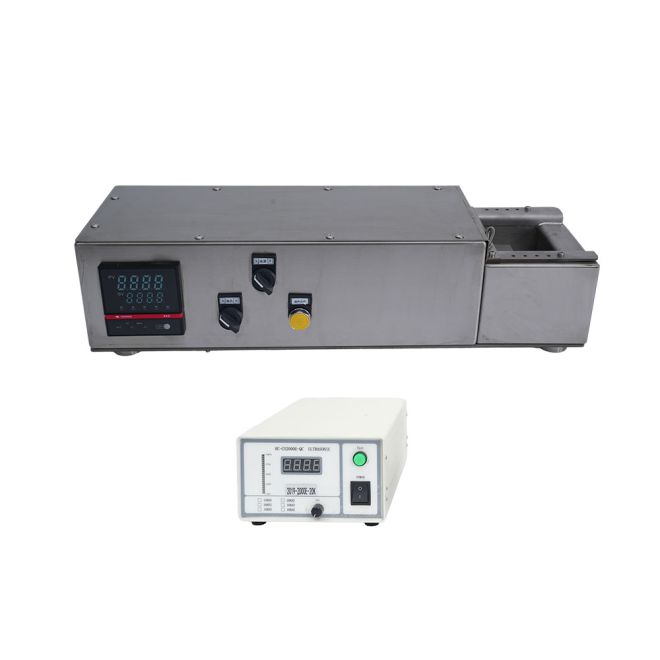
Table of Contents