




Supplier of Ultrasonic Nonwoven Welding Machine

Product Main Parameters
| Parameter | Details |
|---|---|
| Frequency | 35KHZ |
| Power | 800W |
| Ceramic Chips | 4 chips |
| Running Speed | 20m/min in max |
| Welding Width | 15mm in max |
| Welding Horn | 35Khz rotary horn |
| Generator | Digital generator |
Common Product Specifications
| Feature | Details |
|---|---|
| Material Compatibility | Thermoplastics, synthetic fabrics |
| Voltage | 220V/50Hz |
| Material | Titanium |
Product Manufacturing Process
The ultrasonic nonwoven welding machine by RPS-Sonic employs advanced ultrasonic technology to bond fabrics without adhesives or heat. According to authoritative research, the process involves electrical energy being converted to high-frequency mechanical motion, amplified and directed through a horn, creating frictional heat that melts and fuses fabric fibers. The process is optimized for performance, ensuring strong, durable bonds suitable for various industrial applications. This innovative method enhances efficiency while minimizing environmental impact, revolutionizing fabric bonding practices.
Product Application Scenarios
RPS-Sonic's ultrasonic nonwoven welding machines find applications in several key industries. In the medical sector, they produce disposable garments and hygienic products without compromising material integrity. The automotive industry benefits from seamless bonding for interior components, while packaging solutions gain tamper-evident seals. Extensive research highlights the versatility of these machines, underscoring their importance in sectors demanding high hygiene standards and efficiency. As manufacturing continues to evolve, ultrasonic bonding remains at the forefront of innovation, promising further enhancements in capability and scope.
Product After-Sales Service
- Comprehensive technical support
- Fast response to service requests
- Warranty coverage for manufacturing defects
Product Transportation
Secure packaging ensures the safe delivery of our ultrasonic nonwoven welding machines. We coordinate with reliable logistics partners to offer timely delivery options, ensuring customer satisfaction.
Product Advantages
- High-speed processing for increased throughput
- Environmentally friendly, eliminating the need for consumables
- Provides strong, durable seams
- Versatile applications across industries
- Cost-effective manufacturing solutions
Product FAQ
- What materials can be welded with this machine? Our ultrasonic nonwoven welding machines are compatible with thermoplastic materials and synthetic fabrics containing thermoplastic polymers. These materials have similar melting temperatures and compatible molecular structures, enabling effective bonding through ultrasonic energy. Factors such as fabric thickness and density can influence weld quality, so we recommend consulting with our technical team for material-specific guidance.
- How does the ultrasonic welding process work? The process begins with a transducer converting electrical energy into high-frequency mechanical vibrations. These vibrations are amplified and transferred to the welding horn, which applies the energy to the material surface. Friction between fabric layers generates localized heat, melting the fibers and forming a bond as they cool. This method ensures strong, reliable seams without the need for adhesives or threads. Our welding machines are designed to optimize this process for efficiency and precision.
- What are the power requirements for the machine? The ultrasonic nonwoven welding machine operates on standard 220V/50Hz power supply, consuming 800W of energy. It’s equipped with a digital generator to ensure optimal performance. Customers can consult our technical specifications for additional details on power configurations and compatibility with their local electrical systems.
- Can this machine handle continuous production? Yes, our machine is engineered to support continuous operation, accommodating industrial-scale production needs. With a running speed of up to 20m/min, it maintains efficiency and output consistency. Ensuring regular maintenance and correct operation helps sustain performance, prolonging the machine’s operational life and reliability.
- Are there any limitations on fabric thickness? While our ultrasonic welding machines excel at bonding various materials, there are practical limitations regarding thickness. Suitable thickness depends on fabric composition and desired bond strength. The machine effectively welds most nonwoven and synthetic materials up to 15mm in width; however, very thick or multi-layered fabrics may require specialized equipment or techniques. We recommend contacting our technical team for tailored advice.
- How do I maintain the machine for optimal performance? Regular maintenance is crucial for optimal machine performance. This includes periodic checks on the generator, transducer, and horn alignment, as well as cleaning and inspecting for wear. Following the manufacturer’s guidelines on maintenance schedules and component care can help prevent operational issues and extend machine lifespan. Our support team is available for detailed guidance and troubleshooting assistance.
- What warranty and support do you offer? We offer a comprehensive warranty that covers manufacturing defects and faulty components. Our after-sales service includes technical support, repair services, and user training to ensure smooth operation and customer satisfaction. Warranty terms and conditions will vary, and customers are encouraged to review these with our sales team upon purchase.
- Can the machine be customized for specific applications? Absolutely, RPS-Sonic offers customization options to tailor machines to specific applications and industry requirements. Whether it’s adjusting the welding horn design or enhancing machine features for specific fabrics, our engineers work closely with clients to deliver solutions that meet unique production goals and technical demands.
- Does ultrasonic welding affect material properties? Ultrasonic welding minimally affects the intrinsic properties of materials. It is especially beneficial for thermoplastic fabrics, maintaining their integrity and strength. The process involves localized heating, which does not significantly alter the overall fabric structure or characteristics, ensuring finished products retain desired qualities.
- What are the typical applications for this welding machine? The machine is widely used across various industries, including medical, automotive, and packaging. Common applications include manufacturing disposable medical garments, hygiene products, automotive interiors, and tamper-evident seals for packaging. Its versatility and efficiency make it ideal for industries requiring fast, reliable, and hygienic bonding solutions.
Product Hot Topics
- The Future of Ultrasonic Welding Technology As demand for efficient and sustainable manufacturing processes grows, ultrasonic welding continues to gain prominence. This method offers several advantages, including reduced waste, energy efficiency, and adaptability across various materials. Advances in ultrasonic technology are expected to further enhance machine performance, offering greater precision and wider applicability. For suppliers and manufacturers, investing in ultrasonic welding represents a commitment to innovation and sustainability, ensuring competitiveness in an evolving market.
- Choosing the Right Supplier for Ultrasonic Welding Machines Selecting a reliable supplier is crucial for acquiring high-quality ultrasonic welding machines. Critical considerations include supplier experience, product quality, after-sales support, and customization options. RPS-Sonic stands out as a leading supplier, offering extensive industry expertise, rigorous quality standards, and personalized customer service. Evaluating these factors helps businesses make informed decisions, ensuring they receive value and support from their chosen supplier.
Image Description

Q1.What kind material of the horn?
A. Titanium alloy, we also customized aluminum hom for customer before.
Q2.What’s the time of delivery?
A. For Conventional hom, 3 days, for customized hom 7 work days.
Q3.Does ultrasonic extraction also require the addition of a chemical catalyst?
A. No . but some time need Mechanical stiring.
Q4.Can the device work continously?
A. Yes ,it can work 24hours continously.
Q5.What’s the Processing capacity of one set ultrasonic extraction equipment?
A. Different hor different Processing capacity, for 2000W Nine section whip horm can dealing 2L~10Lmin.
Q6.What’s the warranty of your sonicator equipment?
A. All equipment one year warranty.
-

High reputation Ultrasonic Defoaming - 20Khz 2000w High Power Ultrasonic metal welding machine of Copper Wire Soldering Metal Wire Splicing – Powersonic
-
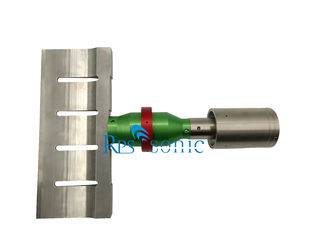
Manufacturer for Ultrasonic Food Cutter - Candy cutting Ultrasonic cutting machine High Power 10-40μM Horn Amplitude – Powersonic
-
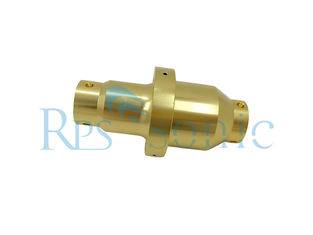
2020 China New Design Ultrasonic Extraction Equipment - Portable Ultrasonic Welding Tool O Ring Designed High Precision – Powersonic
-
Manufacturer for 20 Khz Transducer - 50mm Customized Industrial Ultrasonic Transducer Low Energy Consumption – Powersonic
-
Free sample for Ultrasonic Welding Services - 28khz 800w Portable Alloy horn Ultrasonic Spot Welding Machine – Powersonic
-

China Ultrasonic Butter Cutting Machine for Precision Cuts