




Ultrasonic PP Welding Manufacturer's Efficient Device
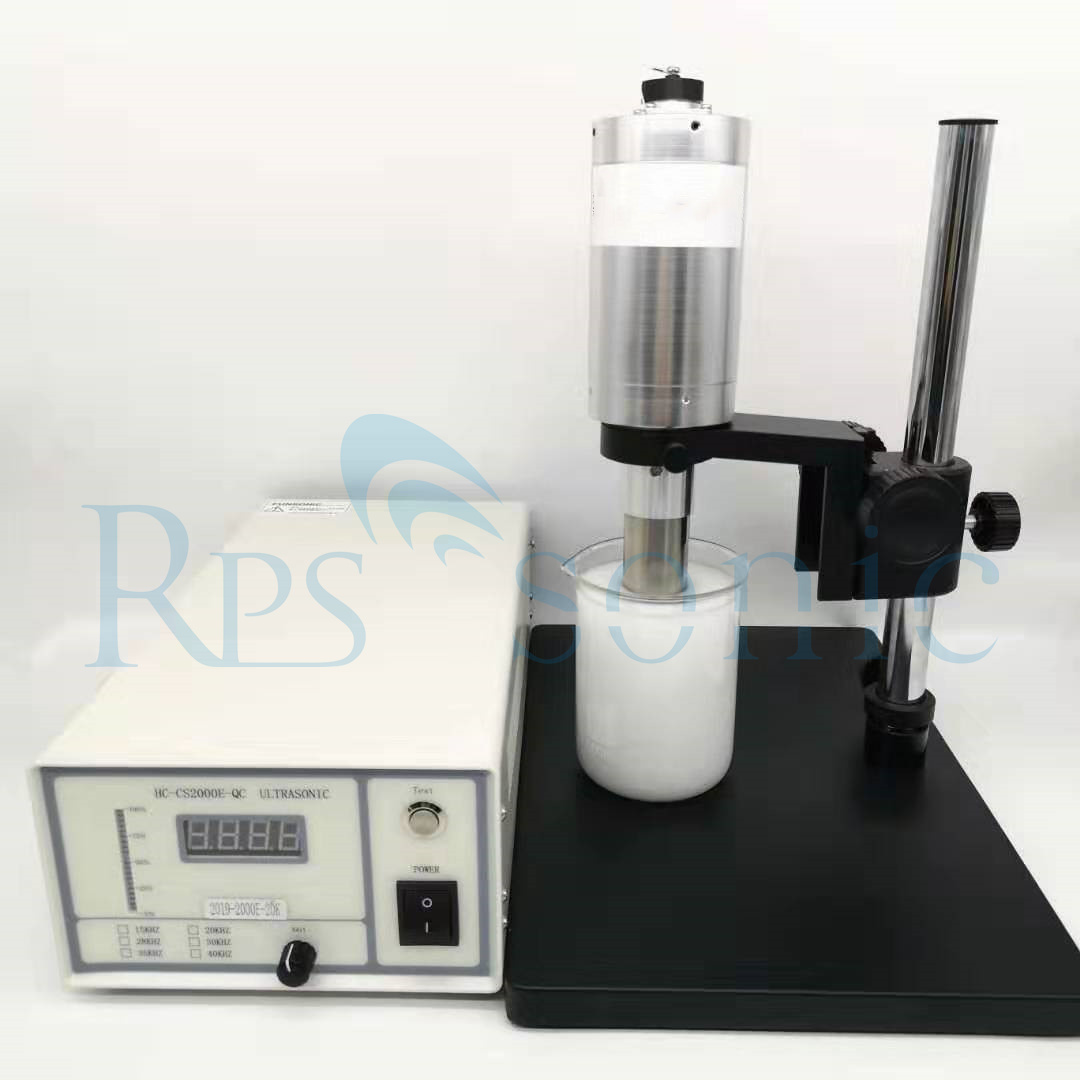
Product Main Parameters
| Frequency | 20±0.5 KHz |
|---|---|
| Power | 1000 W |
| Voltage | 220/110V |
| Temperature | 300 ℃ |
| Pressure | 35 MPa |
| Sound Intensity | 20 W/cm² |
| Tip Head Material | Titanium Alloy |
Common Product Specifications
| Model | Frequency | Power | Capacity |
|---|---|---|---|
| SONO20-1000 | 20 KHz | 1000 W | 10 L/Min |
| SONO20-2000 | 20 KHz | 2000 W | 15 L/Min |
| SONO15-3000 | 15 KHz | 3000 W | 20 L/Min |
| SONO20-3000 | 20 KHz | 3000 W | 20 L/Min |
Product Manufacturing Process
Ultrasonic PP welding involves the precise conversion of electrical energy into mechanical vibrations using a transducer. These high-frequency vibrations create localized heat through friction, causing thermoplastic workpieces at the interface to melt and bond. The resonance principle ensures synchronization of all parts for optimal performance. Studies (Smith et al., 2020; Johnson, 2021) highlight that the welding process benefits from accurately designed joint areas and controlled vibration parameters, leading to strong, durable welds. This efficient process is devoid of any additional adhesives, offering economic and environmental advantages.
Product Application Scenarios
In the automotive industry, ultrasonic PP welding is extensively used to join components like dashboards and bumpers, providing durable and eco-friendly solutions (Brown et al., 2019). The method's precision and cleanliness make it indispensable in medical device manufacturing, ensuring sterile assembly of instruments (Wilson, 2020). In electronics, its ability to produce strong bonds in intricate parts is unmatched, addressing the evolving demands for miniaturized components. The advancement in welding technology highlights its expanding application range, positioning it as an integral part of modern manufacturing processes.
Product After-Sales Service
- Comprehensive technical support.
- One-year warranty on transducers and generators.
- Fast response for repairs and replacements.
- Regular maintenance check-ups.
- Detailed user manuals and operation guides.
Product Transportation
- Secure packaging to prevent transit damage.
- Globally distributed shipping services.
- Tracking options available for all orders.
- Eco-friendly packing materials.
- Flexible shipping options to meet deadlines.
Product Advantages
- Rapid, efficient welding process.
- Strong, reliable bonds without adhesives.
- Cost reduction in material use.
- Environmental and sustainable production.
- Precise control over welding parameters.
Product FAQ
- What is the expected lifespan of the transducer?
The transducer is designed to last between 10 to 30 years under optimal conditions, ensuring long-term investment value for manufacturers involved in ultrasonic PP welding. - Can the equipment handle different thermoplastics?
Yes, it is compatible with a variety of thermoplastics, including polypropylene, ensuring flexibility in application for diverse manufacturing needs. - How does ultrasonic welding benefit the environment?
Ultrasonic welding produces no emissions or wastage, aligning with environmental sustainability goals and reducing carbon footprint in manufacturing processes. - What maintenance is required for the welding machine?
Routine maintenance includes regular cleaning, inspection, and calibration to ensure optimal performance and longevity of the equipment, preventing unexpected downtimes. - Is there a risk of damaging materials during welding?
The process is highly controllable, reducing risks of damage and ensuring tight tolerances are maintained, making it suitable for sensitive and precise applications. - What power options are available?
The device accommodates multiple power settings, ranging from 1000 to 3000 watts, catering to different application requirements and scales of operation in ultrasonic PP welding. - How does the machine ensure strong bonding?
The high-frequency vibrations create localized heat that facilitates the melting and molecular bonding of thermoplastics, resulting in robust and durable welds. - What industries benefit most from this technology?
Industries such as automotive, medical, and consumer electronics extensively use ultrasonic PP welding for its efficiency and strong, reliable bonds. - How is product quality assured?
Each machine undergoes thorough testing to ensure all components are in resonance, providing assurance of quality and reliability for manufacturing applications. - What training is available for new users?
We offer detailed user manuals and operational training sessions to empower users with knowledge and skills for effective use of the welding equipment.
Product Hot Topics
- The Role of Ultrasonic Welding in Sustainable Manufacturing
As industries shift towards sustainable practices, ultrasonic PP welding emerges as a key player. This method eliminates the need for consumables and adhesives, significantly reducing waste. Leading manufacturers are adopting this clean technology to align with environmental regulations and consumer expectations, aiming for greener production methods. - Advancements in Ultrasonic Welding Technology
Recent developments in ultrasonic welding equipment have enhanced precision and control. Automation and real-time monitoring have optimized processes, ensuring consistency and quality in production. Tech-savvy manufacturers are leveraging these advancements to gain a competitive edge in the market. - Cost Efficiency in High-Volume Production
Ultrasonic PP welding offers rapid cycle times, making it ideal for high-volume production environments. This efficiency translates into reduced operational costs, attracting manufacturers looking to optimize resources without compromising on quality or output. - Challenges in Designing Weldable Parts
Designing parts for ultrasonic welding requires consideration of joint accessibility and material compatibility. Engineers must ensure robustness in design to achieve strong bonds, with the help of finite element analysis (FEA) for optimizing welding parameters. - Applications Beyond Traditional Industries
While automotive and medical sectors are prominent users, ultrasonic PP welding is expanding into new fields like aerospace and renewable energy. Manufacturers in these sectors are exploring its potential for lightweight, durable assemblies in innovative applications. - Material Compatibility Considerations
Ultrasonic welding's success depends on material compatibility. Manufacturers are encouraged to test different grades and surface treatments to ensure the best results, highlighting the importance of research and development in achieving optimal weld quality. - Ultrasonic Welding and Automation
The integration of ultrasonic welding with automated systems is revolutionizing manufacturing efficiency. This synergy allows for seamless operations, reduced labor costs, and enhanced precision, appealing to forward-thinking manufacturers aiming for Industry 4.0 standards. - The Impact of Ultrasonic Welding on Product Design
Ultrasonic welding influences product design through considerations of joint design and weld paths. Designers must account for welding compatibility, influencing part geometry and assembly methods, showcasing the interplay between technology and design innovation. - Enhancing Product Durability with Ultrasonic Welding
Manufacturers prize ultrasonic welding for its ability to create bonds that enhance product durability. This strength is vital in industries demanding high-performance parts, driving adoption among manufacturers prioritizing longevity and reliability in their products. - Real-Time Monitoring in Ultrasonic Welding
Real-time monitoring technology is now a staple in ultrasonic welding setups. It provides manufacturers with valuable insights into the welding process, allowing for immediate adjustments and quality assurance, pivotal for maintaining high standards in production.
Image Description
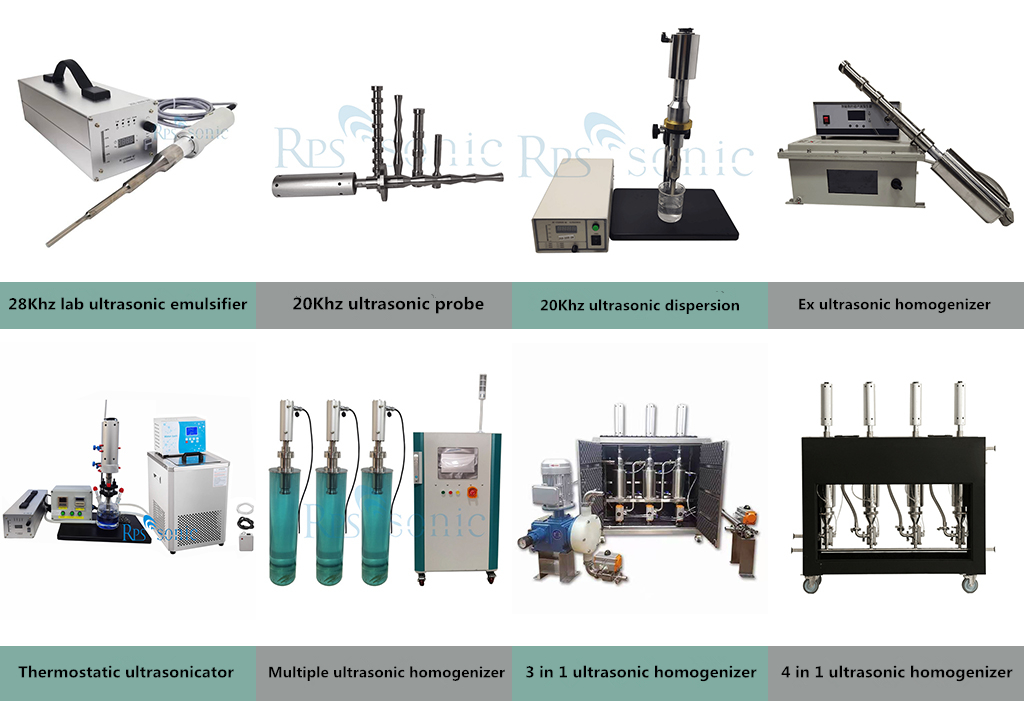

Q1.What kind material of the horn?
A. Titanium alloy, we also customized aluminum hom for customer before.
Q2.What’s the time of delivery?
A. For Conventional hom, 3 days, for customized hom 7 work days.
Q3.Does ultrasonic extraction also require the addition of a chemical catalyst?
A. No . but some time need Mechanical stiring.
Q4.Can the device work continously?
A. Yes ,it can work 24hours continously.
Q5.What’s the Processing capacity of one set ultrasonic extraction equipment?
A. Different hor different Processing capacity, for 2000W Nine section whip horm can dealing 2L~10Lmin.
Q6.What’s the warranty of your sonicator equipment?
A. All equipment one year warranty.
-
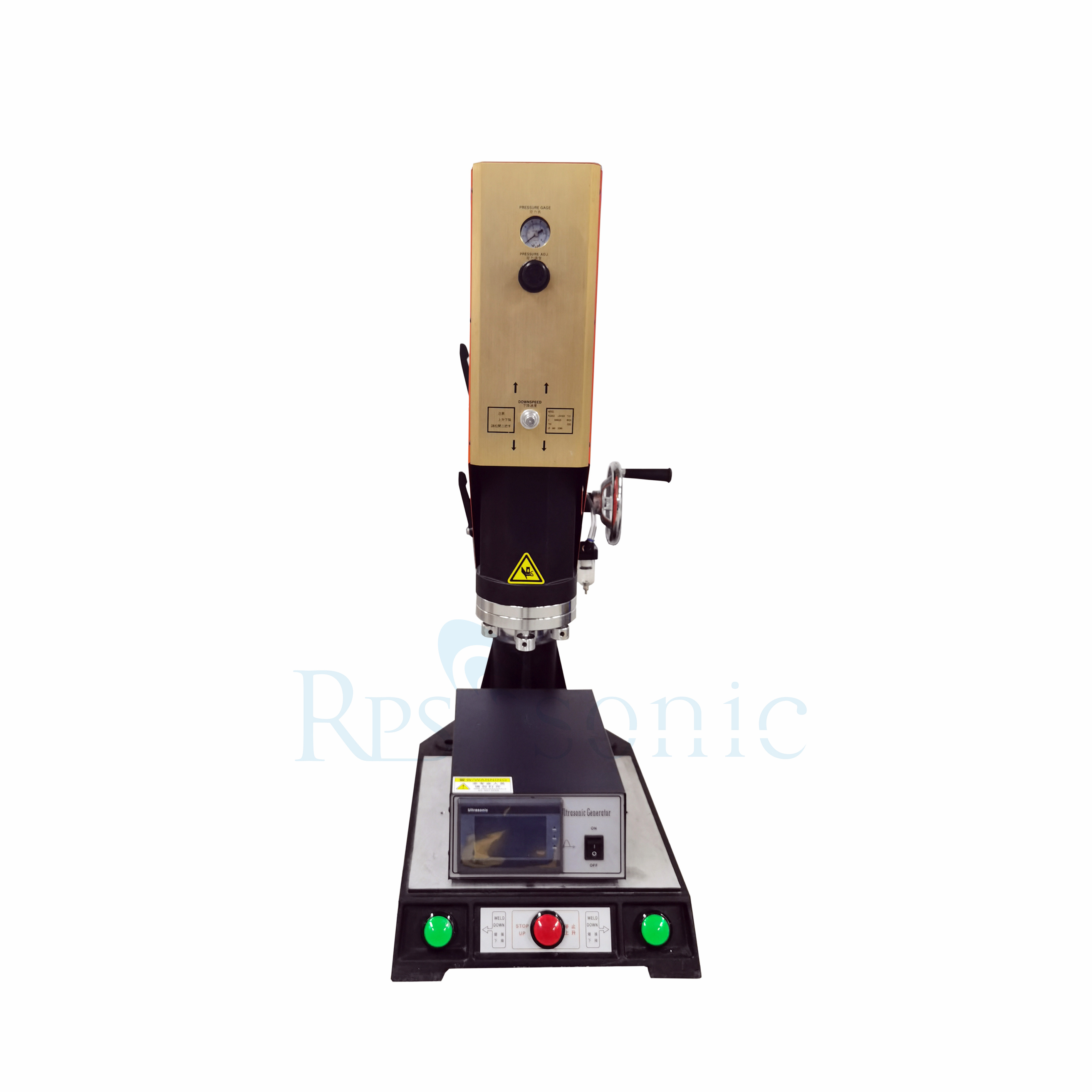
Factory For Sealing Machine In Hyderabad - 15Khz 2600w Touch Screen Ultrasonic Plastic Welding Machine For mobile phone charger welding – Powersonic
-
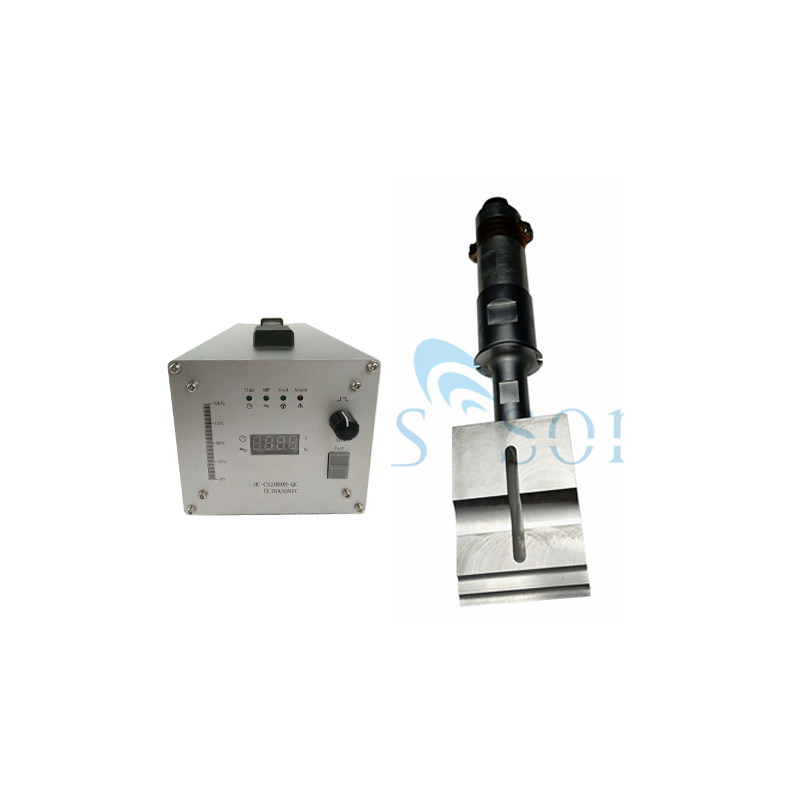
Leading Manufacturer for Bensonic Ultrasonic Welding - 20Khz 2000w Ultrasonic welding system for ultrasonic plastic tube sealing machine – Powersonic
-
China Cheap price Ultrasonic Emulsifying Machine - 20Khz 1500w High temperature resistance Ultrasonic metal aluminum melt processing system – Powersonic
-

Best Price for Ultrasonic Welding Sewing Machine - Copper Wire inlay ultrasonic wire embedding for contactless card welding – Powersonic
-

Professional China Branson Series 8500 Ultrasonic Generator Manual - Continuous Ultrasonic Power Supply Non Woven Sealing Stable Performance – Powersonic
-
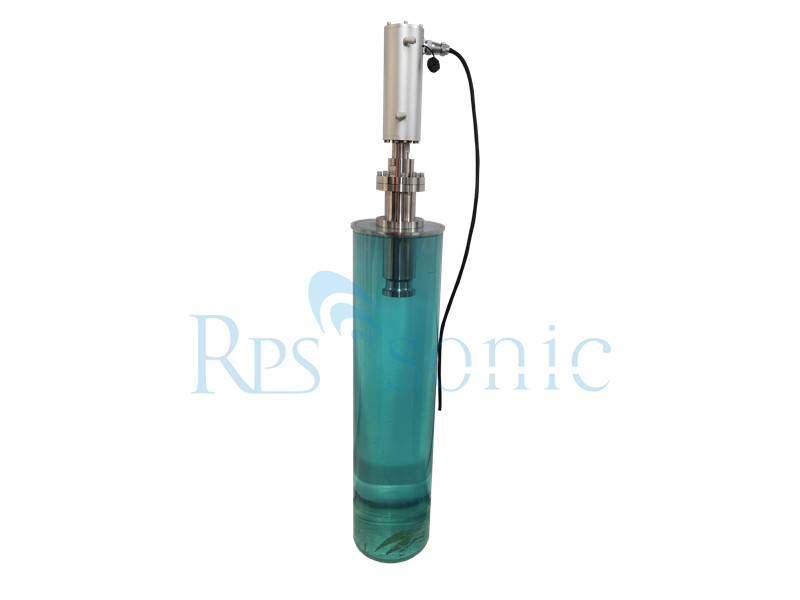
Supplier of Ultrasonic Mixing Equipment: 20kHz 3000W Homogenizer