




Wholesale Ultrasonic Cutter For Fabric: Precision Cutting Solution
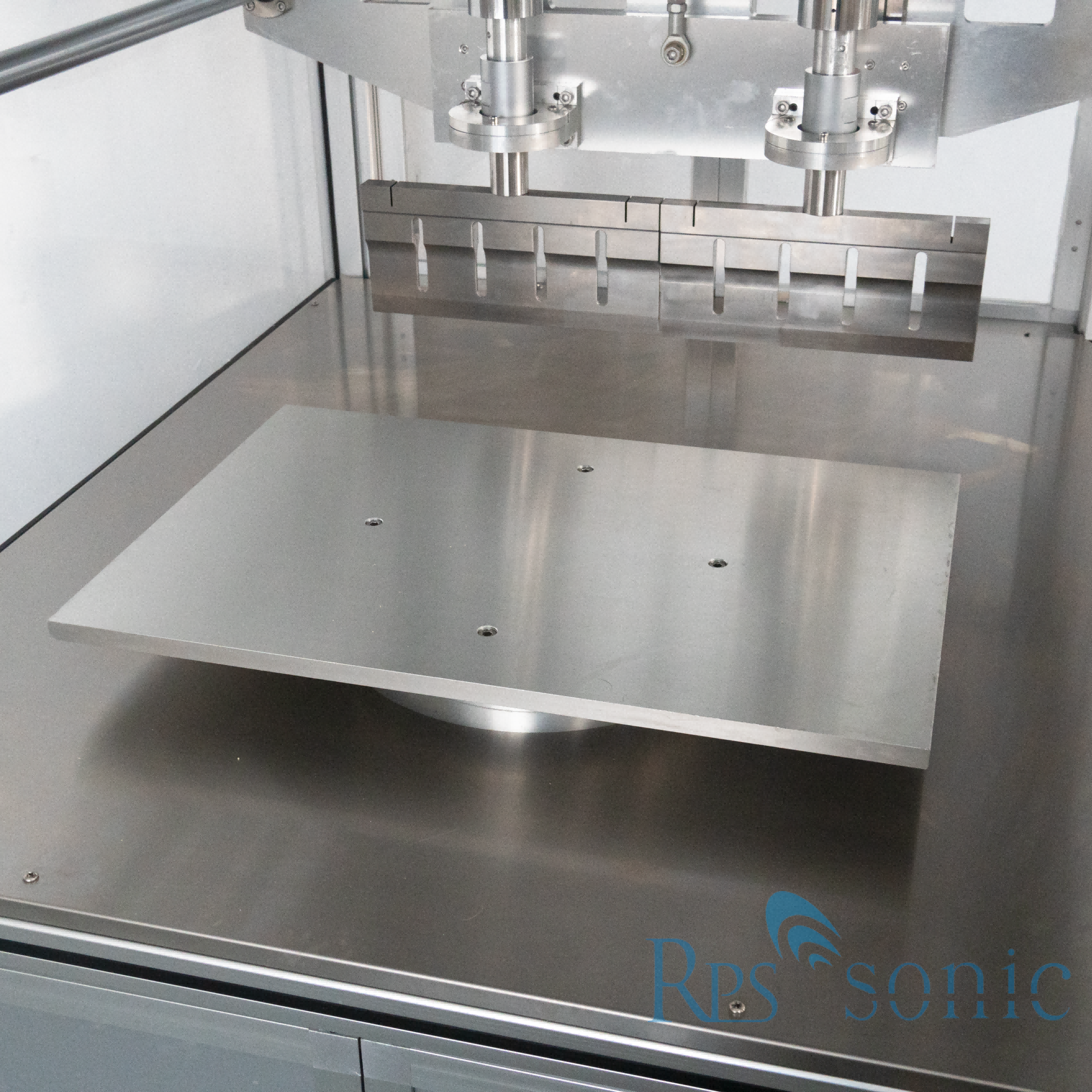
Product Main Parameters
| Frequency | 20-40 kHz |
|---|---|
| Power | 500-6000 W |
| Horn Material | Titanium |
| Horn Size | 305 mm |
| Weight | 10 kg |
| Generator | Digital |
Common Product Specifications
| Dimensions | Varies |
|---|---|
| Control System | Multi-axis Control System |
| Power Supply | Single phase, 220V, 50-60Hz |
| Safety Features | Safety Protection Grating |
Product Manufacturing Process
Ultrasonic cutting technology utilizes piezoelectric transducers to convert electrical signals into mechanical energy, resulting in high frequency ultrasonic vibrations. This energy is then transferred to a cutting horn made from durable materials like titanium. The horn's vibrations enable precision cutting without fraying or thermal distortion. Authoritative studies have shown that ultrasonic cutting is particularly effective in maintaining material integrity and cutting efficiency, making it a preferred choice in industries ranging from textiles to aerospace. As technology advances, the precision and versatility of ultrasonic cutting equipment continue to improve, enhancing their application range and efficiency.
Product Application Scenarios
Ultrasonic cutters are highly valued in various industries due to their precision and efficiency. In the textile industry, they ensure clean cuts with minimal material waste, crucial for high-quality garment production. In aerospace and automotive sectors, ultrasonic cutters are used to accurately shape composite materials and upholstery fabrics. Medical textiles also benefit from ultrasonic cutting as it meets stringent hygiene standards required for surgical gowns and drapes. Furthermore, industries working with technical textiles, such as geotextiles or filtration materials, prefer ultrasonic cutting for its ability to produce robust and precise cuts. These scenarios highlight the adaptability and significance of ultrasonic cutters in modern manufacturing processes.
Product After-Sales Service
Rps-sonic provides comprehensive after-sales services, including technical support, maintenance, and replacement parts. Our expert team is available to ensure the optimal performance and longevity of your ultrasonic cutter for fabric. We offer training and detailed user manuals to help you maximize the potential of your equipment.
Product Transportation
Our products are securely packaged and shipped worldwide. We collaborate with reliable logistics partners to ensure timely and safe delivery. Tracking information is provided for all orders, and our customer service team is available for assistance with shipping inquiries.
Product Advantages
- Precision cuts without fraying or distortion
- Durable and adaptable for various fabrics
- Minimized blade maintenance
- Enhanced safety with no sharp blades
- Versatile applications across industries
Product FAQ
- What materials can the ultrasonic cutter handle? The wholesale ultrasonic cutter for fabric is highly versatile and can handle a wide range of materials, including natural fibers like cotton and synthetics like polyester and nylon. It's also effective for composite materials, making it suitable for various industrial applications.
- How does ultrasonic cutting minimize fraying? Ultrasonic cutting seals the edges of fabric as it cuts, which reduces or completely eliminates fraying. This is due to the high-frequency ultrasonic energy, which softens and separates materials at the molecular level.
- Is there a high initial investment cost? While ultrasonic cutters can be an expensive initial investment, their long-term benefits include reduced maintenance costs, extended blade life, and increased cutting efficiency, which can offset the initial expense.
- Can the equipment cut thick fabrics? Ultrasonic cutting is most effective on medium to thin fabrics. It may not be as effective on very thick materials or those with high-density filler content.
- How often does the blade need replacing? Due to the nature of ultrasonic cutting, the blades remain sharp for longer periods, thus requiring less frequent replacements compared to traditional cutting methods.
- Does ultrasonic cutting generate heat? The process generates minimal heat, ensuring that delicate fabrics are not compromised, unlike other cutting methods that can cause thermal distortion.
- What industries benefit most from ultrasonic cutting? Industries such as textile, automotive, aerospace, and medical textiles benefit greatly from the precision and efficiency of ultrasonic cutting technology.
- Is training available for operating the cutter? Yes, Rps-sonic provides comprehensive training and support to ensure proper operation and maintenance of your ultrasonic cutter for fabric.
- Can the cutter be customized for specific needs? Rps-sonic offers customization options to suit specific industrial applications, ensuring that your ultrasonic cutter meets your unique requirements.
- How is the equipment maintained? Regular maintenance involves cleaning the horn and blade and ensuring the transducer and power supply are functioning correctly. Detailed maintenance guides are provided with the equipment.
Product Hot Topics
- The Future of Textile Manufacturing with Ultrasonic Cutters As technology evolves, the textile industry continues to adopt innovative tools like the wholesale ultrasonic cutter for fabric. This tool is revolutionizing how fabrics are cut, ensuring precision and reducing waste. With advancements in ultrasonic technology, we can expect even greater efficiency and lower costs in production. The ability to handle intricate cuts without fraying is setting new standards in fabric manufacturing, making ultrasonic cutters indispensable in modern textile production.
- Enhancing Safety in Fabric Cutting Safety is paramount in industrial settings, and the wholesale ultrasonic cutter for fabric is making significant strides in this area. Unlike traditional cutters with sharp blades, the ultrasonic version operates with minimal risk to operators. By eliminating high-speed blades and hot surfaces, the ultrasonic cutter reduces potential injuries, providing a safer working environment. This shift towards safer cutting methods is crucial for companies prioritizing worker safety and operational efficiency.
Image Description
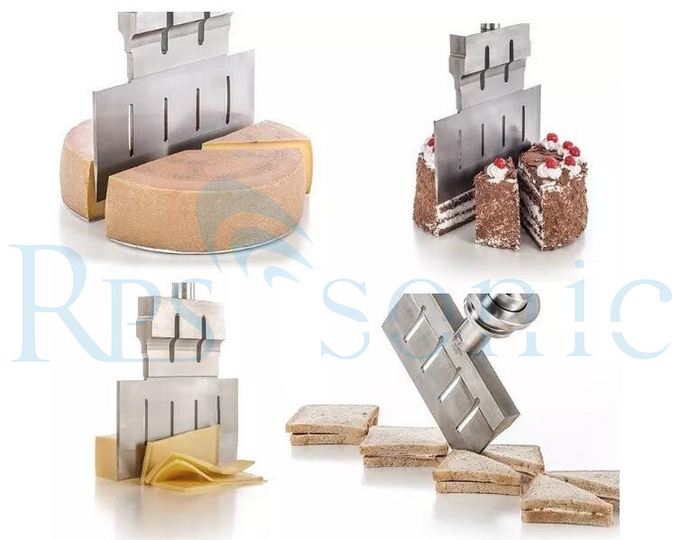
Q1.What kind material of the horn?
A. Titanium alloy, we also customized aluminum hom for customer before.
Q2.What’s the time of delivery?
A. For Conventional hom, 3 days, for customized hom 7 work days.
Q3.Does ultrasonic extraction also require the addition of a chemical catalyst?
A. No . but some time need Mechanical stiring.
Q4.Can the device work continously?
A. Yes ,it can work 24hours continously.
Q5.What’s the Processing capacity of one set ultrasonic extraction equipment?
A. Different hor different Processing capacity, for 2000W Nine section whip horm can dealing 2L~10Lmin.
Q6.What’s the warranty of your sonicator equipment?
A. All equipment one year warranty.
-

Manufacturer for Welding Machine Brands In China - 60Khz Ultrasonic Smart Card Welding Machine to Weld the Wire and Chips on the Thin Plastic Plate – Powersonic
-
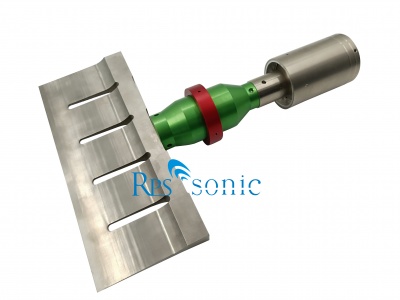
2020 wholesale price Ultrasonic Cutter For Fabric - Ultrasonic cutting machine with titanium blade for candy sugar cutting – Powersonic
-

Factory Price Ultrasonic Sewing Machine For Sale - Copper strip ultrasonic welding machine by 20Khz ultrasonic roller weld horn – Powersonic
-

Best quality 28khz - 1Khz – 5Mhz Ultrasonic Welding Tool Automatic Ultrasonic Impedance Analyzer – Powersonic
-

High Quality Food Cutting Machine - Hand held ultrasonic cutting with oscillating tangential cutting blades – Powersonic
-
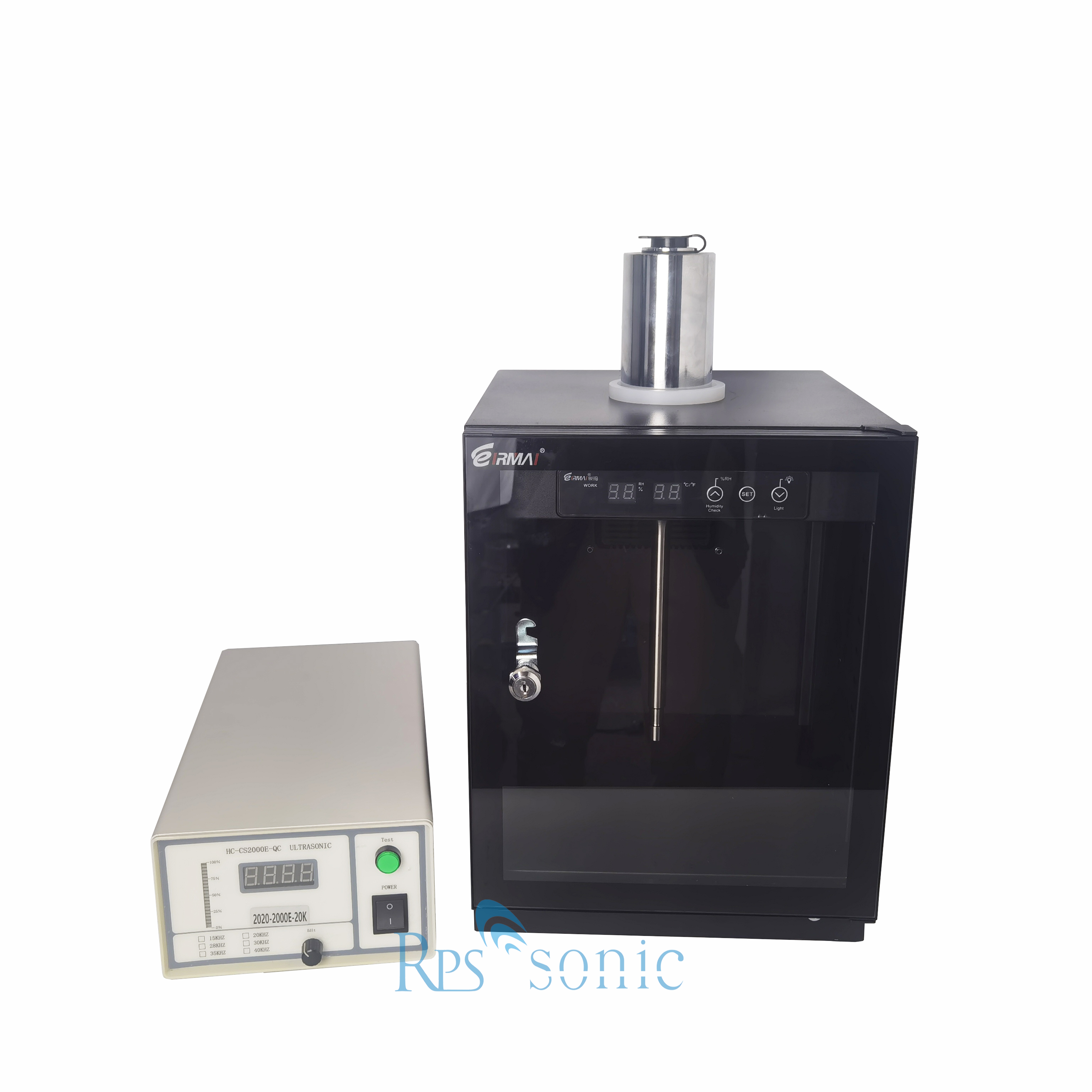
China Ultrasonic Extraction Machine 20Khz 1000W