




Wholesale Ultrasonic Soldering Iron for Advanced Bonding
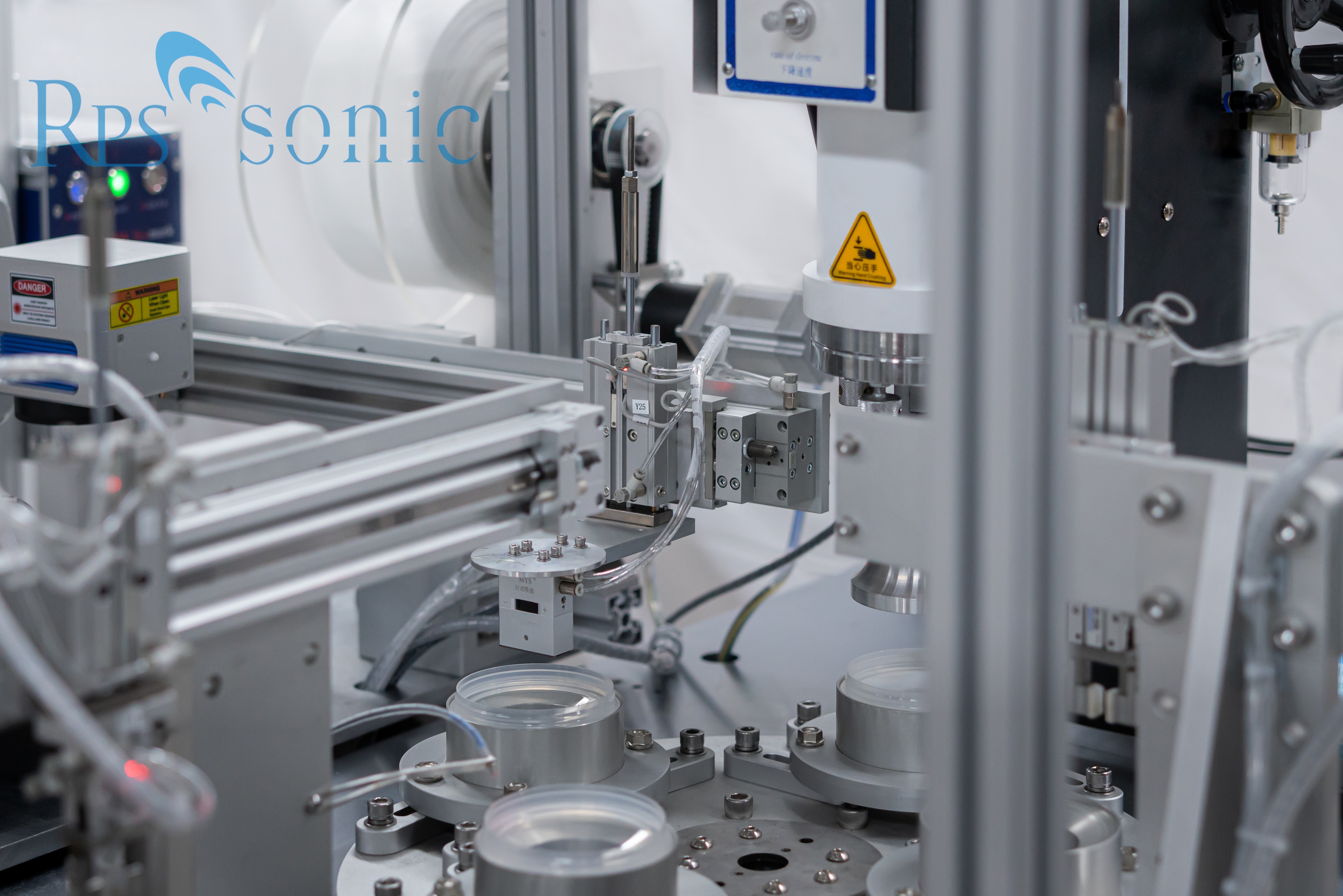
Product Details
| Frequency | Power | Horn Material | Generator |
|---|---|---|---|
| 20-40 kHz | 2500W | Titanium alloy, steel, aluminum | Digital |
Common Product Specifications
| Frequency | Power | Working Distance | Input Voltage | Air Pressure | System Language |
|---|---|---|---|---|---|
| 15-40 kHz | 800W-4000W | 75mm-100mm | 220V or 110V | 0.2-0.8 Mpa | English/Chinese |
Product Manufacturing Process
Ultrasonic soldering is a sophisticated method that integrates high-frequency ultrasonic vibrations into the soldering process to enhance bonding performance, especially for materials difficult to solder, such as ceramics and glass. Research indicates that the introduction of ultrasonic energy disrupts oxide layers effectively and promotes better wetting of the solder, without requiring chemical flux. The process involves a piezoelectric transducer that generates ultrasonic waves, facilitating the bonding of non-wettable surfaces, and resulting in strong, durable joints. Its applicability extends across industries such as electronics and aerospace, where reliability and strength are paramount.
Product Application Scenarios
Ultrasonic soldering irons are essential in sectors where conventional methods fall short. Industries such as electronics benefit greatly due to the increased use of glass substrates and ceramic components that require reliable soldering techniques. Furthermore, metal matrix composites, known for strength and lightweight properties, pose significant soldering challenges. Ultrasonic technology overcomes these by offering improved wetting and bonding, without compromising material integrity. This method's precision and efficiency also attract the jewelry and art sectors, where aesthetic and structural integrity must align.
Product After-Sales Service
- 24/7 customer support via phone and email
- Comprehensive user manuals and online troubleshooting guides
- One-year warranty including parts and labor
- Options for extended warranty coverage
- Repair and maintenance services available globally
Product Transportation
- Secure packaging to prevent damage during transit
- Global shipping with tracking capabilities
- Partnerships with reputable logistic providers for expedited delivery
- Options for insured shipments
- Environmentally friendly packaging materials utilized
Product Advantages
- Enables flux-free and clean soldering processes
- Reduces the need for solvents and chemicals, lowering operational costs
- Highly reliable and robust bonds suitable for demanding applications
- Versatile across a range of materials including metals and ceramics
- Extended lifespan of soldering components due to reduced operational stress
Product FAQ
- What materials can be soldered with an Ultrasonic Soldering Iron?
Ultrasonic Soldering Irons are suitable for a wide range of materials, particularly those challenging to bond like glass, ceramics, and certain metal composites. This versatility makes them an ideal choice for industries requiring specialized bonding solutions.
- Is ultrasonic soldering cost-effective?
While the initial investment may be higher, the ultrasonic soldering process reduces the need for chemicals and offers long-term savings through less material waste and improved bond durability, making it a cost-effective solution in the long run.
- Does ultrasonic soldering require special skills?
Operating an ultrasonic soldering iron does require some specialized knowledge, particularly in adjusting parameters like frequency and power for specific applications. However, with proper training, even technicians new to this technology can achieve excellent results.
- How does ultrasonic soldering improve bond strength?
The ultrasonic waves break down oxide layers on metal surfaces, enhancing solder wetting and creating strong, reliable bonds. This improved interfacial reaction is key to the enhanced bond strength seen in ultrasonic soldering.
- What applications benefit most from ultrasonic soldering?
Industries such as electronics, aerospace, and automotive manufacturing, where reliability and precision are critical, benefit greatly from ultrasonic soldering. Additionally, it's advantageous in fine art and jewelry making for seamless, strong joints.
- Are there limitations to ultrasonic soldering?
While highly effective, ultrasonic soldering may not be suitable for all materials, necessitating compatibility testing. Additionally, it requires investment in specialized equipment, which might pose initial cost barriers for some users.
- How is ultrasonic soldering equipment maintained?
Regular maintenance includes inspecting and cleaning the soldering iron and ensuring the ultrasonic transducer functions correctly. Following manufacturer guidelines for maintenance can ensure longevity and optimal performance.
- What makes ultrasonic soldering environmentally friendly?
Ultrasonic soldering reduces or eliminates the need for chemical fluxes, minimizing hazardous waste production. This environmentally friendly approach is one of its key advantages over traditional soldering methods.
- Can ultrasonic soldering be automated?
Yes, ultrasonic soldering can be integrated into automated production systems, enhancing efficiency and consistency in manufacturing processes, particularly in high-volume production settings.
- What support is available for troubleshooting?
Our after-sales service includes comprehensive support, with 24/7 customer service, detailed troubleshooting guides, and access to skilled technicians for complex issues. This ensures that any problems encountered are swiftly addressed.
Product Hot Topics
- How does ultrasonic soldering revolutionize electronics manufacturing?
The introduction of ultrasonic soldering in electronics manufacturing is reshaping industry standards by providing a means for clean, efficient, and reliable connections. As electronic devices become more complex, the need for precise bonding methods grows. Ultrasonic soldering answers this demand by offering a way to join difficult substrates like ceramics and glass, often used in advanced electronics, without compromising performance or reliability. This not only improves the durability and longevity of electronic components but also reduces production costs by eliminating the need for chemical flux and enhancing throughput.
- Why is ultrasonic soldering ideal for aerospace applications?
Aerospace components require the highest standards of reliability and strength, and ultrasonic soldering provides these attributes by creating strong, flux-free bonds. The absence of chemical residues in the soldered area enhances the reliability and safety of aerospace components, which often operate under extreme conditions. Furthermore, the technology's ability to bond diverse materials without degradation aligns perfectly with the aerospace industry's demands for innovative materials and technologies that contribute to weight reduction and increased fuel efficiency.
- The environmental benefits of ultrasonic soldering
As industries increasingly focus on sustainability, ultrasonic soldering presents significant environmental benefits. By eliminating the need for chemical fluxes, ultrasonic soldering reduces hazardous waste production and improves workplace safety by minimizing exposure to harmful substances. This aligns with global environmental goals of reducing industrial pollution and promoting cleaner production methods, making ultrasonic soldering an attractive option for conscientious manufacturers.
- Ultrasonic soldering's role in innovative artworks
In the realm of art and jewelry, ultrasonic soldering has opened new avenues for creativity. Artists can achieve bonds between disparate materials like metals and ceramics seamlessly, without visible joints. This technology supports the creation of intricate, innovative designs while maintaining the structural integrity needed for durability. The ability to solder without heat-induced discoloration or damage to delicate materials further enhances its appeal in artistic applications.
- Challenges faced in implementing ultrasonic soldering
Despite its advantages, implementing ultrasonic soldering in production lines comes with challenges. The initial cost of equipment and the need for skilled operators can be barriers to entry. Additionally, not all materials are suitable for ultrasonic soldering, necessitating thorough testing and adjustment of parameters for each application. However, the long-term benefits often outweigh these challenges, making it a worthwhile investment in many scenarios.
- Future prospects of ultrasonic soldering technology
As technology advances, ultrasonic soldering is expected to evolve to meet even more stringent bonding requirements. Future developments might include greater automation capabilities, expanded material compatibility, and more energy-efficient models. These advancements could enhance its accessibility and affordability, encouraging broader adoption across diverse industries and further cementing its role in high-precision manufacturing.
- Cost-benefit analysis of transitioning to ultrasonic soldering
Transitioning to ultrasonic soldering can initially seem costly due to equipment and training expenses. However, a detailed cost-benefit analysis often reveals long-term savings. These stem from reduced material waste, lower energy consumption, and the elimination of chemical fluxes. Organizations that adopt this technology also benefit from enhanced product reliability, potentially reducing warranty claims and enhancing customer satisfaction.
- Comparing ultrasonic soldering to traditional methods
Traditional soldering methods often fall short when dealing with non-wettable or composite materials. Ultrasonic soldering offers significant advantages by creating strong, clean bonds without the need for chemical aids. This makes it a superior choice for high-tech and high-precision manufacturing sectors. While traditional methods remain relevant for simpler tasks, ultrasonic soldering represents a leap forward in both performance and environmental responsibility.
- Training requirements for ultrasonic soldering
The integration of ultrasonic soldering technology into manufacturing processes requires skilled technicians who understand the intricacies of the equipment and material interactions. Training programs are essential to ensure that operators can optimize the process for various applications. Comprehensive training not only improves efficiency but also maximizes the technology's benefits while minimizing potential errors or equipment misuse.
- The role of ultrasonic soldering in reducing manufacturing defects
By enhancing the soldering process through precise control and clean, strong bonds, ultrasonic soldering plays a crucial role in reducing manufacturing defects. This technology minimizes inconsistencies and weaknesses associated with traditional methods, leading to higher-quality products with fewer failures. The reduction in defects translates to improved customer satisfaction and lower costs related to rework and warranty claims, underlining its value in quality control.
Image Description
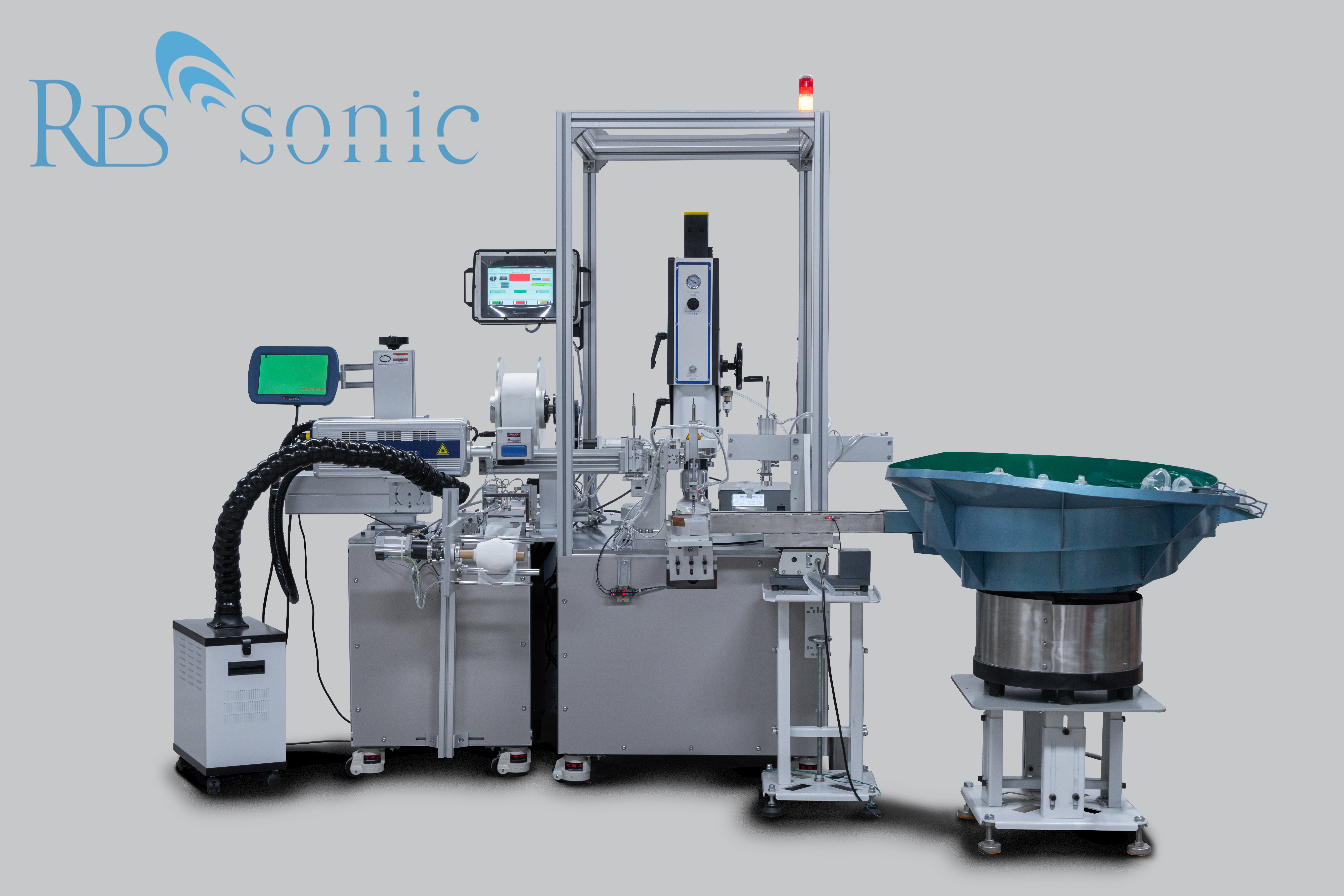
Q1.What kind material of the horn?
A. Titanium alloy, we also customized aluminum hom for customer before.
Q2.What’s the time of delivery?
A. For Conventional hom, 3 days, for customized hom 7 work days.
Q3.Does ultrasonic extraction also require the addition of a chemical catalyst?
A. No . but some time need Mechanical stiring.
Q4.Can the device work continously?
A. Yes ,it can work 24hours continously.
Q5.What’s the Processing capacity of one set ultrasonic extraction equipment?
A. Different hor different Processing capacity, for 2000W Nine section whip horm can dealing 2L~10Lmin.
Q6.What’s the warranty of your sonicator equipment?
A. All equipment one year warranty.
-
Wholesale Dealers of Spray Nozzle Supplier - 28khz 800w Portable Alloy horn Ultrasonic Spot Welding Machine – Powersonic
-

Good Quality Plastic Welding Ultrasonic - Touch Screen Ultrasonic Welding Tool Impedance Analyzer Horn Analysis – Powersonic
-
Factory Supply Ultrasonic Metal Welder - 28khz 800w Portable Alloy horn Ultrasonic Spot Welding Machine – Powersonic
-

Professional Design Cavitation Biodiesel - Copper Wire inlay ultrasonic wire embedding for contactless card welding – Powersonic
-
Manufacturer of Heat Sealing Machine For Non Woven Fabric - 35Khz 800w Ultrasonic Sealing Equipment Rotary Horn Titanium Alloy – Powersonic
-

Explore Powersonic's Ultrasonic Defoaming System: Labtoratory 28kHz Ultrasonic Sonicator