




Wholesale Ultrasonic Wire Splicer for Efficient Joins
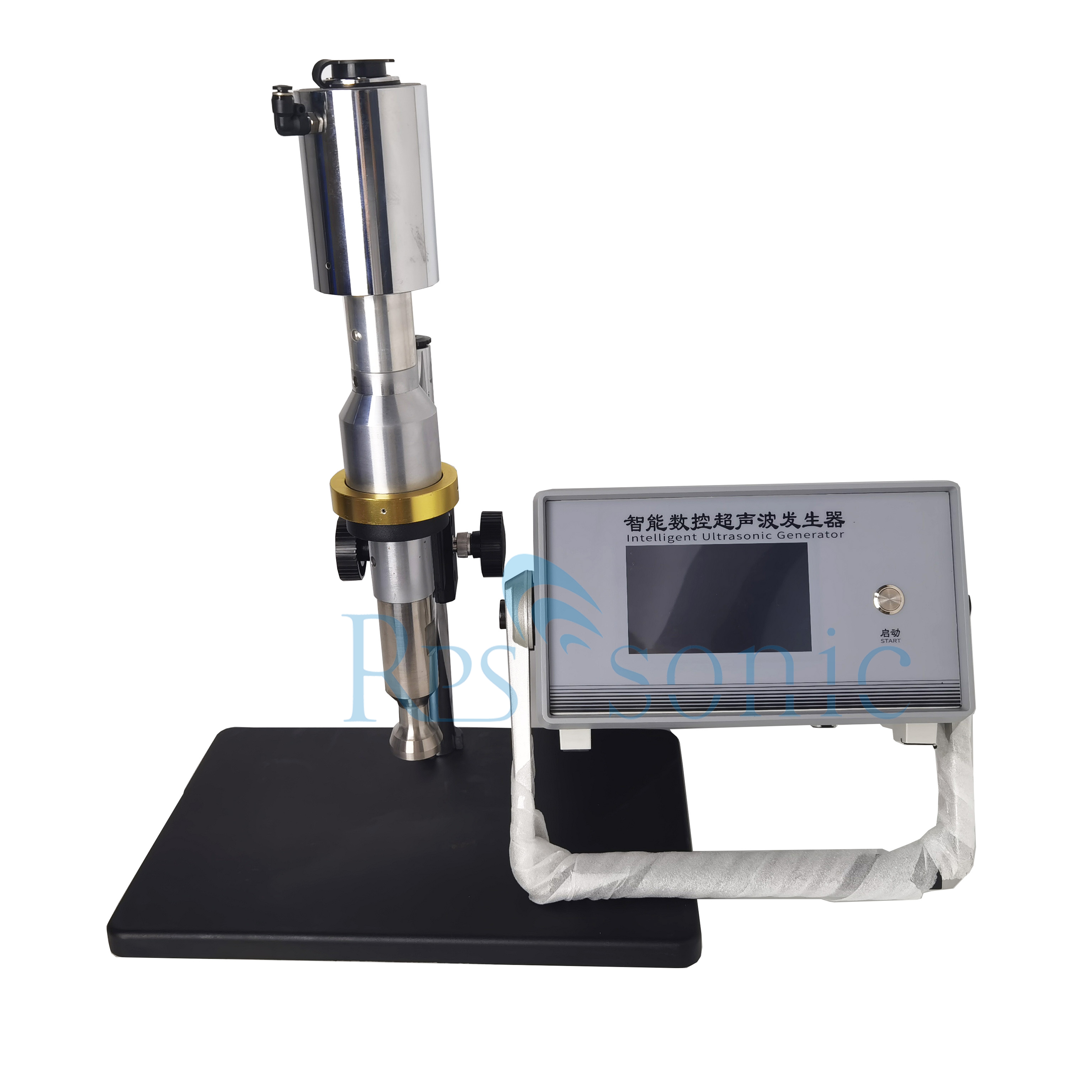
Product Main Parameters
| Parameter | Specification |
|---|---|
| Frequency | 20-40 kHz |
| Power | 1500 W |
| Material | Titanium Sonotrode |
| Weight | 15 kg |
| Generator | Digital |
Common Product Specifications
| Frequency Range | 20-40 kHz |
|---|---|
| Power | 1500-3000 W |
| Weight | 15 kg |
| Sonotrode Material | Titanium |
Product Manufacturing Process
The manufacturing of ultrasonic wire splicers involves precision engineering to ensure optimal resonance and minimal energy loss. Ultrasonic transducers convert electrical energy into mechanical vibrations, requiring materials with high fatigue strength and low acoustic impedance, such as titanium or aluminum alloys. According to recent studies, maintaining the resonant frequency is crucial for the durability and efficiency of the splice, highlighting the splicer's high-quality components and assembly process.
Product Application Scenarios
Ultrasonic wire splicers are used in diverse fields from automotive to medical devices. Their ability to create strong bonds without needing consumables makes them ideal for high-volume production environments. Authoritative research emphasizes their effectiveness in manufacturing sectors that demand precision and reliability, such as aerospace, where wire connections are crucial for safety and performance.
Product After-Sales Service
We offer comprehensive after-sales support, including technical assistance, spare parts supply, and training sessions to ensure your team fully utilizes our ultrasonic wire splicers. Our service team is available for onsite visits and remote consultations to quickly resolve any issues.
Product Transportation
Our ultrasonic wire splicers are packaged securely to prevent damage during transit. We partner with reliable logistics providers to ensure timely and safe delivery to your location, whether domestic or international.
Product Advantages
- No consumables required, reducing cost and waste
- Strong, reliable joints with high electrical conductivity
- Minimal thermal impact, ideal for sensitive materials
- Environmental benefits due to reduced energy consumption
Product FAQ
- What types of materials can be spliced?
Ultrasonic wire splicers are best suited for metals due to their compatibility with vibrational energy transfer.
- What is the initial setup cost?
While initial costs may be high, savings from reduced consumables and increased production efficiency quickly offset this.
- Is specialized training required?
Yes, operators should be trained to ensure optimal use and maintenance of the equipment.
- What industries benefit most from ultrasonic splicing?
Automotive, aerospace, electronics, and medical industries significantly benefit from the technology's precision and efficiency.
- How does ultrasonic splicing compare to traditional methods?
Ultrasonic splicing offers faster, cleaner, and more environmentally friendly processes than soldering or crimping.
- Can the splicer handle high-volume production?
Yes, ultrasonic wire splicers are designed for efficiency and speed, making them ideal for large-scale manufacturing.
- What maintenance is required?
Regular calibration and inspection ensure prolonged performance and accuracy.
- Are there any environmental benefits?
Reducing the need for consumables and energy-efficient operation results in a smaller carbon footprint.
- Is there a warranty available?
Yes, we offer a comprehensive warranty covering manufacturing defects and performance issues.
- How long do the splices last?
With proper usage, splices can last as long as the wires themselves, often surpassing traditional joint longevity.
Product Hot Topics
- Efficiency in High-Volume Manufacturing
In industries where speed and reliability are paramount, ultrasonic wire splicers prove their worth. Their capability to rapidly create strong joints without consumables aligns perfectly with the lean manufacturing principles adopted by top-tier automotive and electronics manufacturers. With sustainability also a key concern, the near-zero waste generation and lower energy consumption of ultrasonic splicing further enhance its appeal across the sector.
- Environmental Benefits of Ultrasonic Wire Splicing
As industries move towards greener practices, the ultrasonic wire splicer's role is becoming more significant. The elimination of consumables and reduction in energy use contribute to a lower carbon footprint, making it a preferred choice for forward-thinking companies looking to build a sustainable future without compromising on quality or performance.
- Ultrasonic Splicers in Aerospace Applications
Aerospace firms demand precision and reliability in every component. Ultrasonic splicers meet these needs by providing consistent, high-quality joints crucial for aircraft safety. Their effectiveness in maintaining electrical conductivity and mechanical integrity under extreme conditions underscores their growing importance in the aerospace industry.
- Innovations in Ultrasonic Splicing Technology
Continuous advancements in ultrasonic technology are enhancing splicer efficiency and capability. Research indicates improvements in transducer materials and design are further increasing joint strength and reducing cycle time, preparing the ground for even more widespread adoption across varied manufacturing sectors.
- Training and Development for Optimal Use
Proper training ensures that operators can maximize the benefits of ultrasonic wire splicers. Companies investing in comprehensive training programs report significant improvements in production efficiency and product quality, demonstrating the critical role of workforce development in technological integration.
- Cost Savings with Ultrasonic Wire Splicing
Despite the initial investment costs, ultrasonic splicing offers substantial cost reductions over time. Savings from consumables, reduced waste, and lower energy consumption accumulate quickly, presenting a clear financial advantage to adopters of the technology.
- Applications in Consumer Electronics
In the fast-paced world of consumer electronics, the demand for compact and reliable wire connections is ever-growing. Ultrasonic wire splicers provide a solution that aligns with size constraints while ensuring durability and efficiency, making them integral to modern electronics production.
- Sustainability and Economic Efficiency
The dual goals of sustainability and economic efficiency are driving the adoption of ultrasonic splicing. As companies strive to meet environmental targets while controlling costs, the technology provides a viable, effective solution that addresses both concerns head-on.
- Future Trends in Ultrasonic Splicing
Looking ahead, ultrasonic wire splicing is poised for increased automation and integration with Industry 4.0 technologies. As smart manufacturing environments emerge, the ability of ultrasonic splicers to offer real-time data and adaptive control will become even more valuable, paving the way for innovations in process optimization and quality assurance.
- Challenges and Opportunities in Ultrasonic Wire Splicing
While ultrasonic wire splicing offers numerous benefits, challenges such as initial setup cost and operator training need to be addressed. However, these challenges also present opportunities for companies to innovate in training methodologies and machine design, ultimately leading to broader adoption and enhanced operational efficiency.
Image Description

Q1.What kind material of the horn?
A. Titanium alloy, we also customized aluminum hom for customer before.
Q2.What’s the time of delivery?
A. For Conventional hom, 3 days, for customized hom 7 work days.
Q3.Does ultrasonic extraction also require the addition of a chemical catalyst?
A. No . but some time need Mechanical stiring.
Q4.Can the device work continously?
A. Yes ,it can work 24hours continously.
Q5.What’s the Processing capacity of one set ultrasonic extraction equipment?
A. Different hor different Processing capacity, for 2000W Nine section whip horm can dealing 2L~10Lmin.
Q6.What’s the warranty of your sonicator equipment?
A. All equipment one year warranty.
-
2020 High quality Ultrasonic Horn Design Guidelines – 15khz customized ultrasonic horns for welding system with FEA analysis – Powersonic
-
High Performance Branson 8400 - 20khz ultrasonic welding machine 5000W with Multi function auto welding – Powersonic
-
Cheapest Price Lithium Ion Battery Welding Machine - 15khz 2600W High Quality Ultrasonic Mask Slicer GeneratorWelding Machine – Powersonic
-

Cheapest Price Lithium Ion Battery Welding Machine - Branson replaced ultrasonic booster for ultrasonic transducer Amplifier – Powersonic
-

Best quality 28khz - Rotary Ultrasonic Welding Machine Compact Ultrasonic Seam Welding Machine – Powersonic
-

PriceList for Fabric Cutter And Sealer - Plastic Rubber Ultrasonic Cutting Device Steel Blade Ultrasonic Guillotine Cutter – Powersonic