




Advanced 28Khz Lab Ultrasonic Sonicator for Ultrasonic Aging and Emulsification


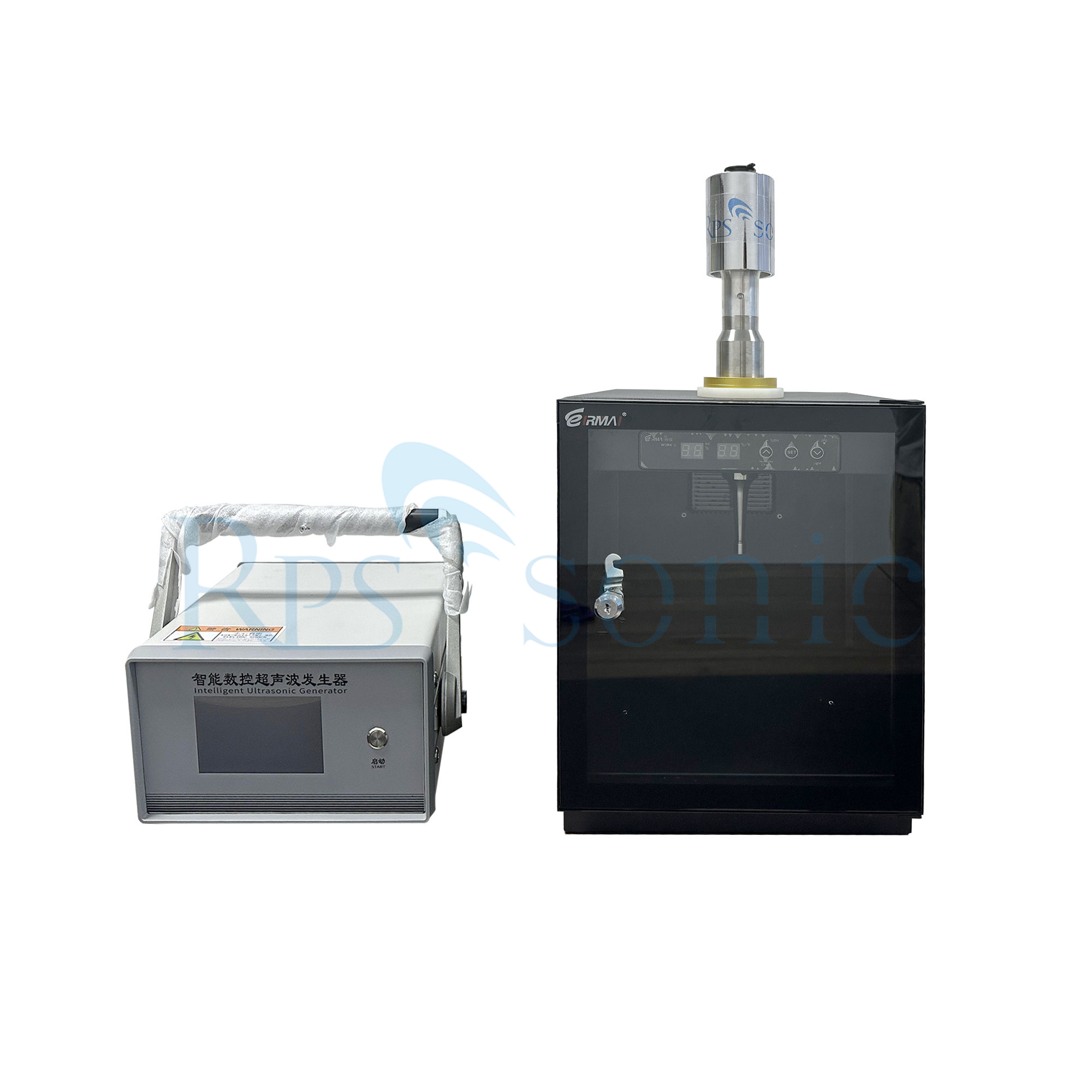
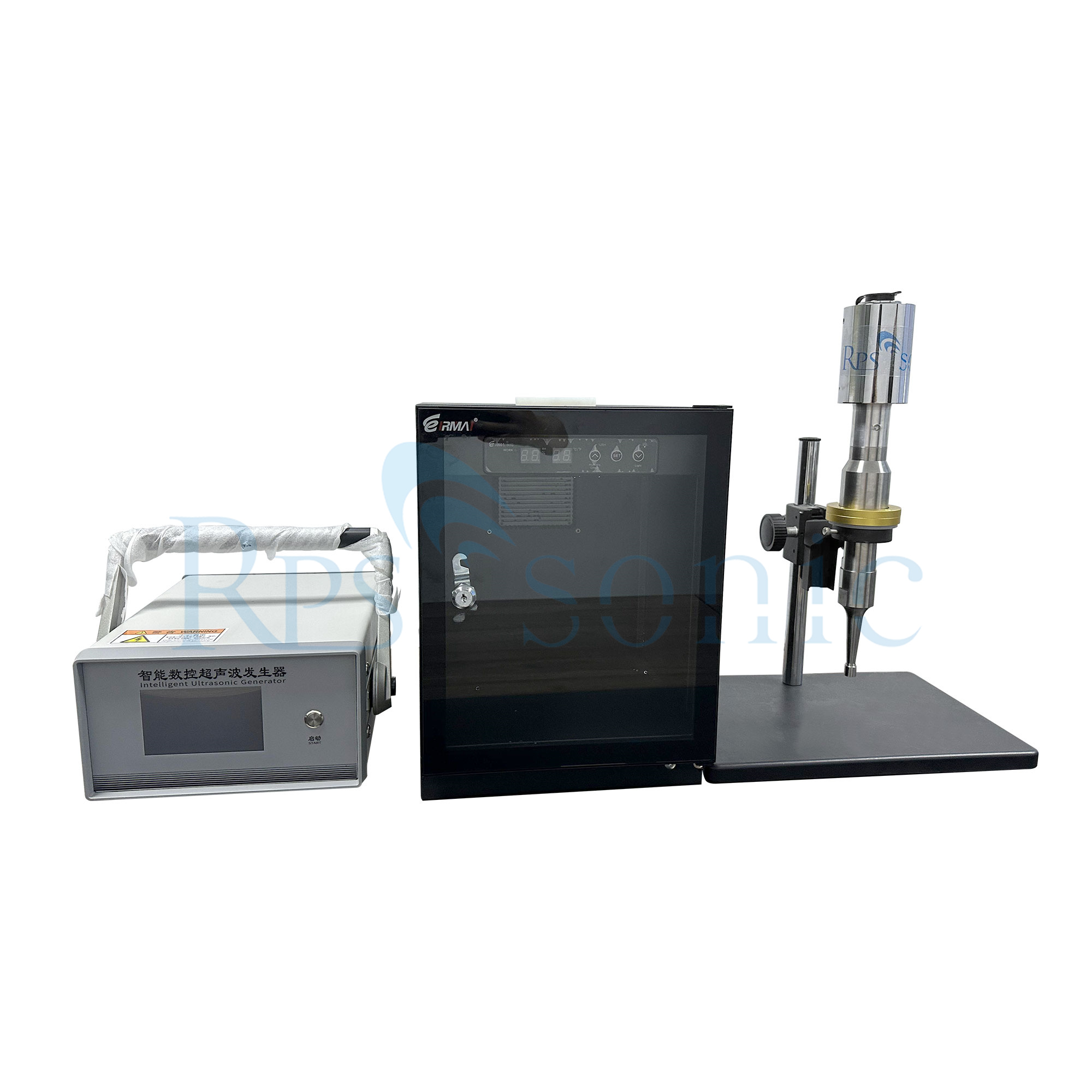
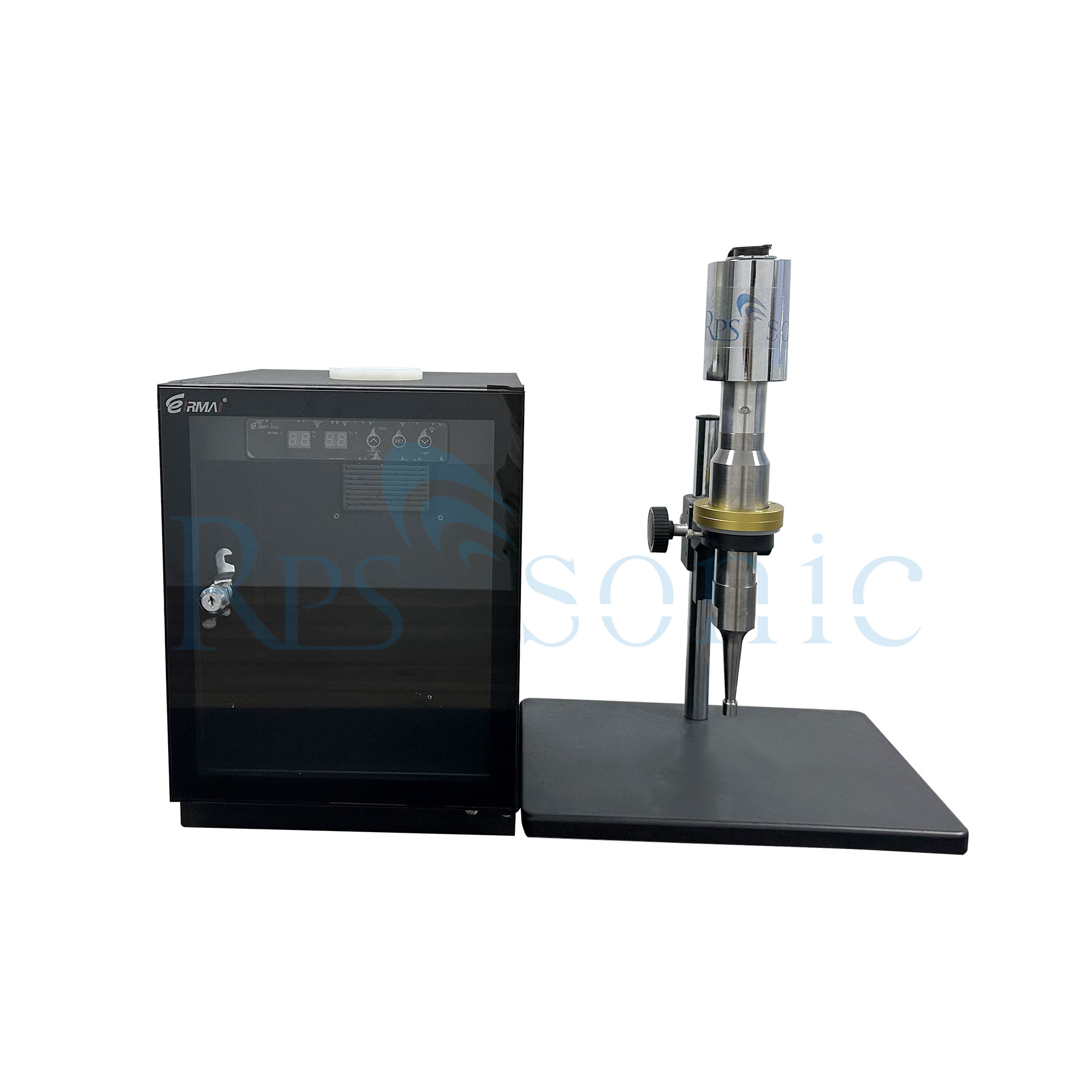
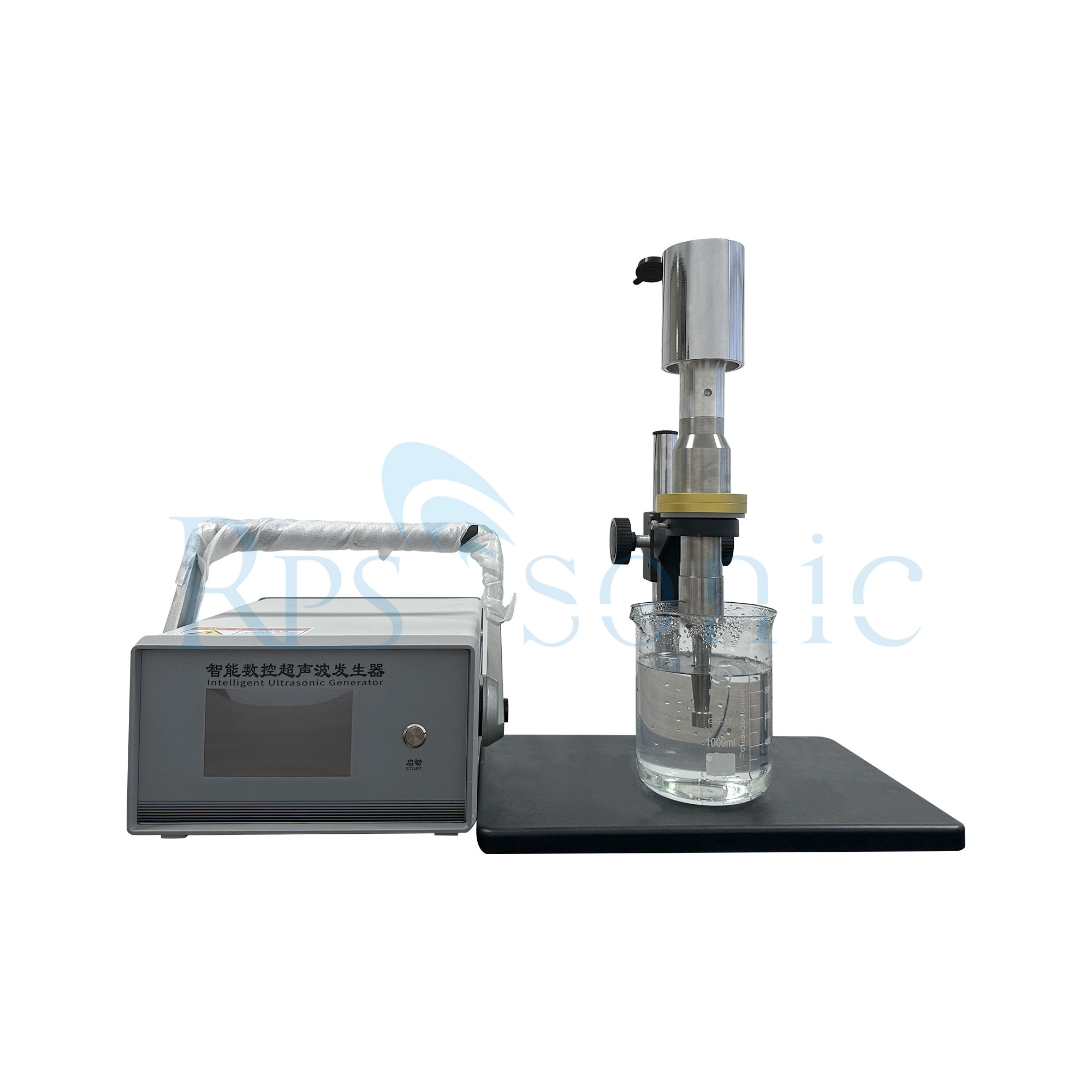
28Khz lab ultrasonic sonicator for oil and water emulsification
Parameter
| Item | Parameter |
| Frequency | 28Khz |
| Power | 500W |
| Capacity | 1L in max |
| Horn diameter | 2-8mm |
| Probe dip depth | Customized |
Description
Sonochemistry is the application of ultrasound to chemical reactions and processes. The mechanism causing sonochemical effects in liquids is the phenomenon of acoustic cavitation. RPS-SONIC ultrasonic laboratory and industrial devices are used in a wide range of sonochemical processes. Ultrasonic cavitation intensifies and speeds up chemical reactions such as synthesis and catalysis.
RPS-SONIC ultrasonic laboratory devices are compact, easy-to-use and extremely versatile. They can be used for the processing of a variety of organic and inorganic materials in a wide range of volumes.
Typical applications of ultrasonic homogenizers include sample preparation, disintegrating and cell lysis, homogenizing, dispersing and disaggregation, particle size reduction and the acceleration of chemical reactions (sonochemistry). RPS-SONIC offers a wide range of ultrasonic homogenizers to be used for these applications in a wide range of volumes from approx. 50µL to 2000mL. The selection of the ultrasonic processor depends on the sample volume to be sonicated. The table below, lists all laboratory devices and the recommended volume respectively.
Sound Protection Boxes for Noise Reduction
When applied to liquids, ultrasound causes cavitation. The cavitational noise is in the human audible range. Sound protection boxes are available for the ultrasonic laboratory devices to reduce the noise emission to more convenient levels. This is recommended for typical laboratory environments. The sound protection boxes include a stand pole and an adjustable table (acrylic glass) to hold the sample.
Application
1.Nanoparticle Dispersion
High shear forces created by ultrasonic cavitation have the ability to break up particle agglomerates and result in smaller and more uniform particles sizes. The stable and homogenous suspensions produced by ultrasonics are widely used in many industries today. Probe sonication is highly effective for processing nanomaterials (carbon nanotubes, graphene, inks, metal oxides, etc.) and Sonicators have become the industry standard for:
Dispersing
Deagglomerating
Particle size reduction
Particle synthesis and precipitation
Surface functionalization
2.Chromatin/DNA Shearing
For individual samples the easiest method is to insert a small probe directly into a sample. At Qsonica, we call this direct probe sonication. Energy is transmitted from the probe directly into the sample and the entire volume is processed very quickly.
3.Cell Disruption/Proteomics
Since the 1970s, Sonicators have been used to lyse many types of cells: mammalian cell culture, yeast, algae, bacteria, and more. Even gram-positive bacteria with their tough cell walls can be readily lysed with the powerful ultrasonic energy of a Sonicator. The ultrasonic energy output of each Sonicator model is adjustable and sonication parameters can be optimized according to your process requirements. Amplitude (intensity) can be lowered in order to gently process fragile cells, prevent organelles from being damaged or decrease degradation of enzymes. Amplitude can also be increased to powerful levels to process difficult cell types.
4.CBD oil Applications
CBD extracts thc are hydrophobic water soluble molecules. in order to overcome the immiscibility of CBD infuse edibles beverages creams and other infused products a proper method emulsification is needed. ultrasonic processors have been used pharmaceuticals industries for making stable emulsions over half century.
Through the powerful forces created by ultrasonic cavitation, Sonicators have the ability to achieve nanoparticle sizes which other emulsification technology cannot. With sufficient processing, particle sizes under 100 nm are often achievable (see particle size data). What this smaller particle size means for your CBD infused products is:
more translucency / clearer, less cloudy appearance
increased bioavailability / better absorption
more accurate dosing / more uniform concentrations

Sonochemistry, the application of ultrasound to chemical reactions and processes, opens up new possibilities for research and industrial applications. By introducing our 28Khz Lab Ultrasonic Sonicator to your lab, you can take advantage of the benefits of ultrasonic aging and emulsification. This device not only streamlines your workflow but also enhances the quality and consistency of your results. In conclusion, the Powersonic 28Khz Lab Ultrasonic Sonicator is an indispensable tool for anyone involved in chemical research, pharmaceuticals, or any industry requiring precise emulsification and aging processes. Invest in our advanced sonicator today and experience the difference it can make in your laboratory's efficiency and effectiveness.
Q1.What kind material of the horn?
A. Titanium alloy, we also customized aluminum hom for customer before.
Q2.What’s the time of delivery?
A. For Conventional hom, 3 days, for customized hom 7 work days.
Q3.Does ultrasonic extraction also require the addition of a chemical catalyst?
A. No . but some time need Mechanical stiring.
Q4.Can the device work continously?
A. Yes ,it can work 24hours continously.
Q5.What’s the Processing capacity of one set ultrasonic extraction equipment?
A. Different hor different Processing capacity, for 2000W Nine section whip horm can dealing 2L~10Lmin.
Q6.What’s the warranty of your sonicator equipment?
A. All equipment one year warranty.
-
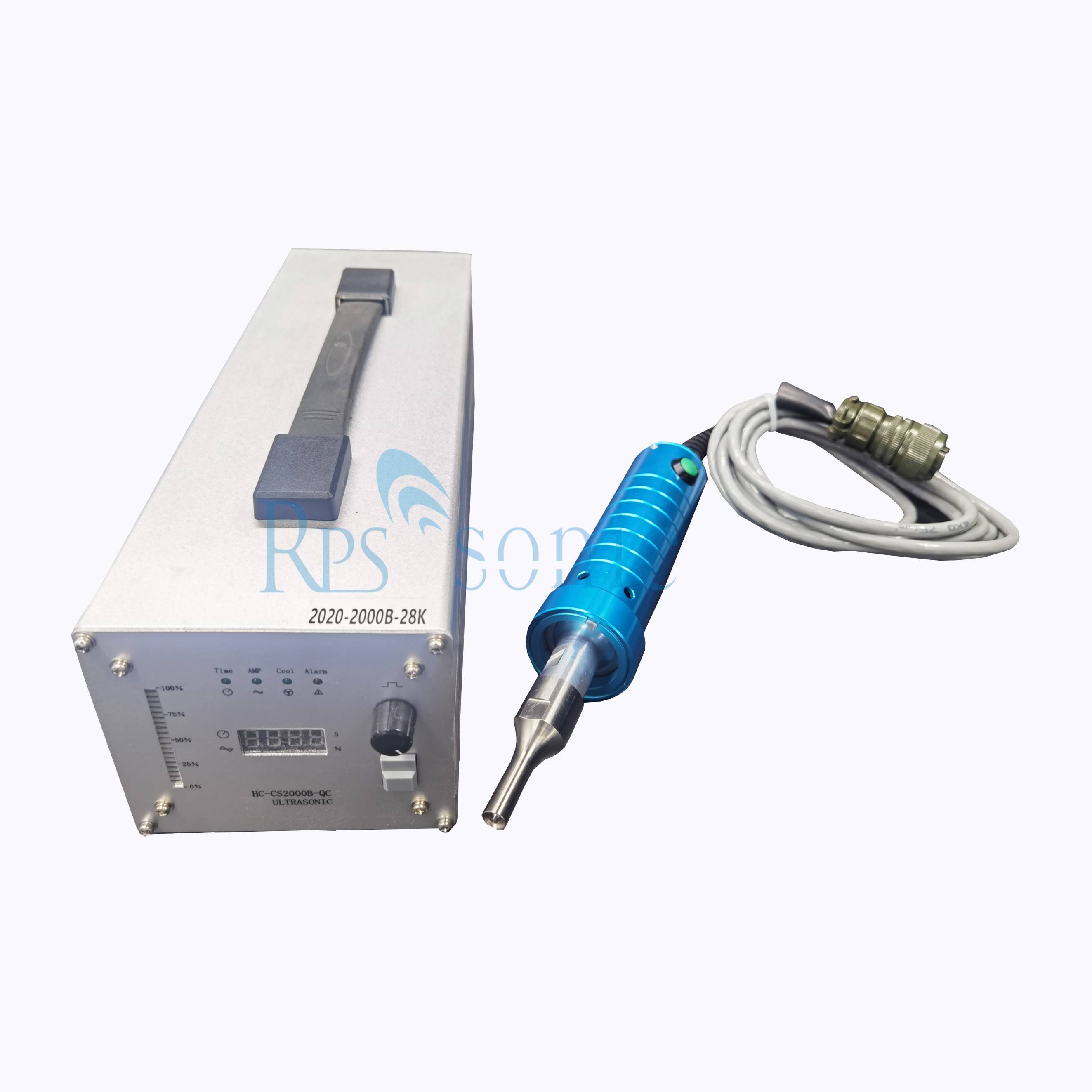
Ultrasonic plastic welding machine handheld type 35Khz
-
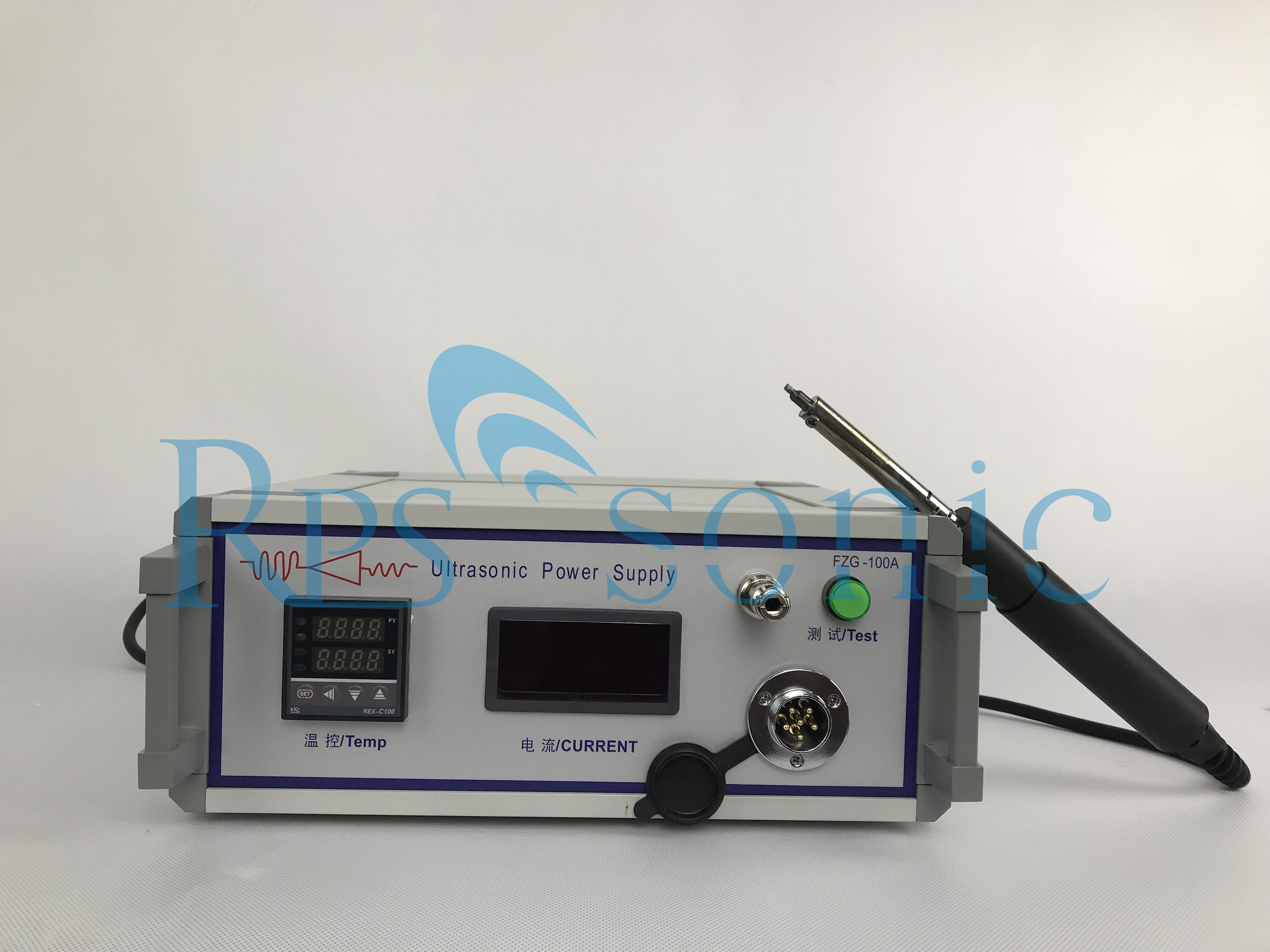
60Khz Ultrasonic soldering iron equipment for Soldering titanium
-
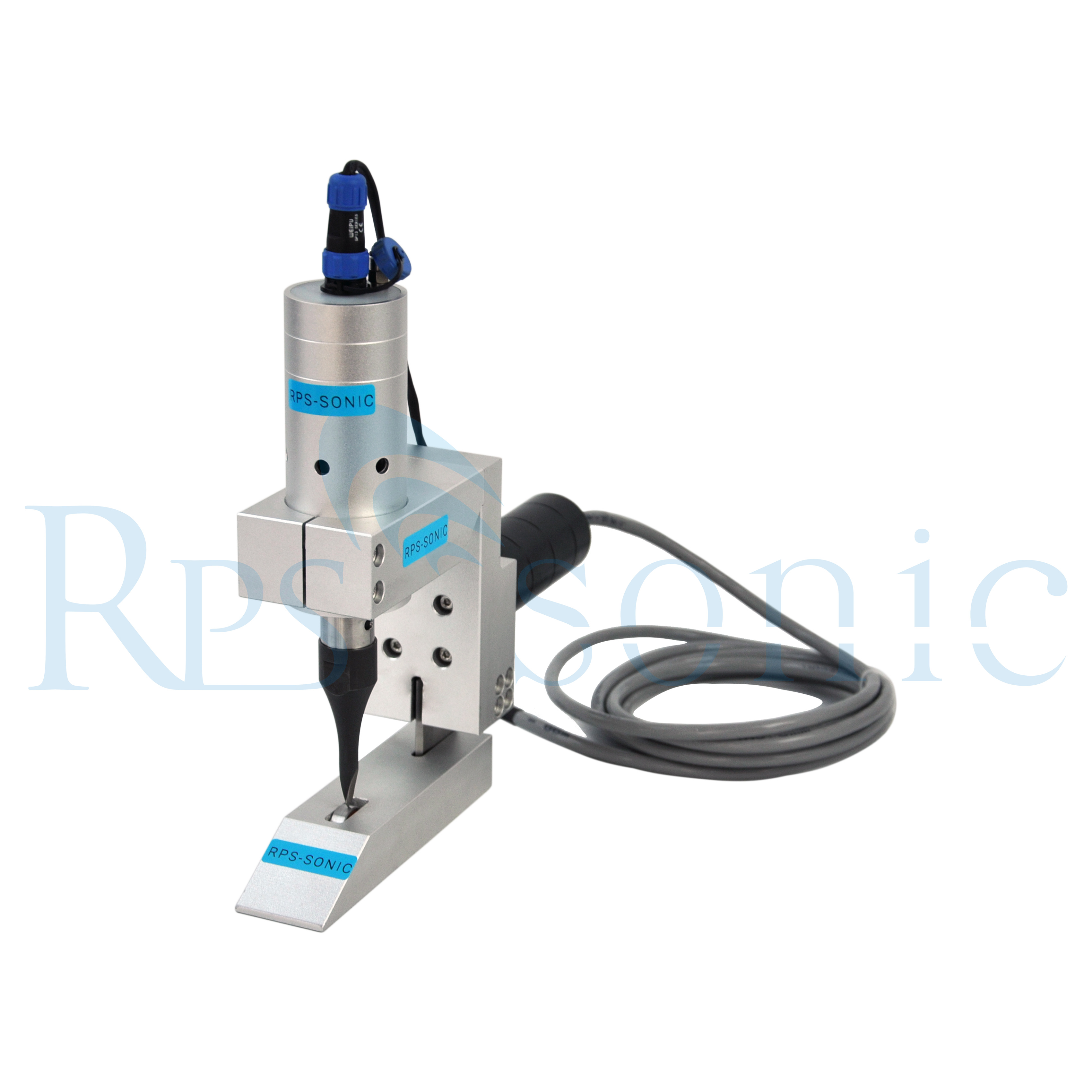
40kzhz 300w Ultrasonic high speed Fabric Cutting machine
-
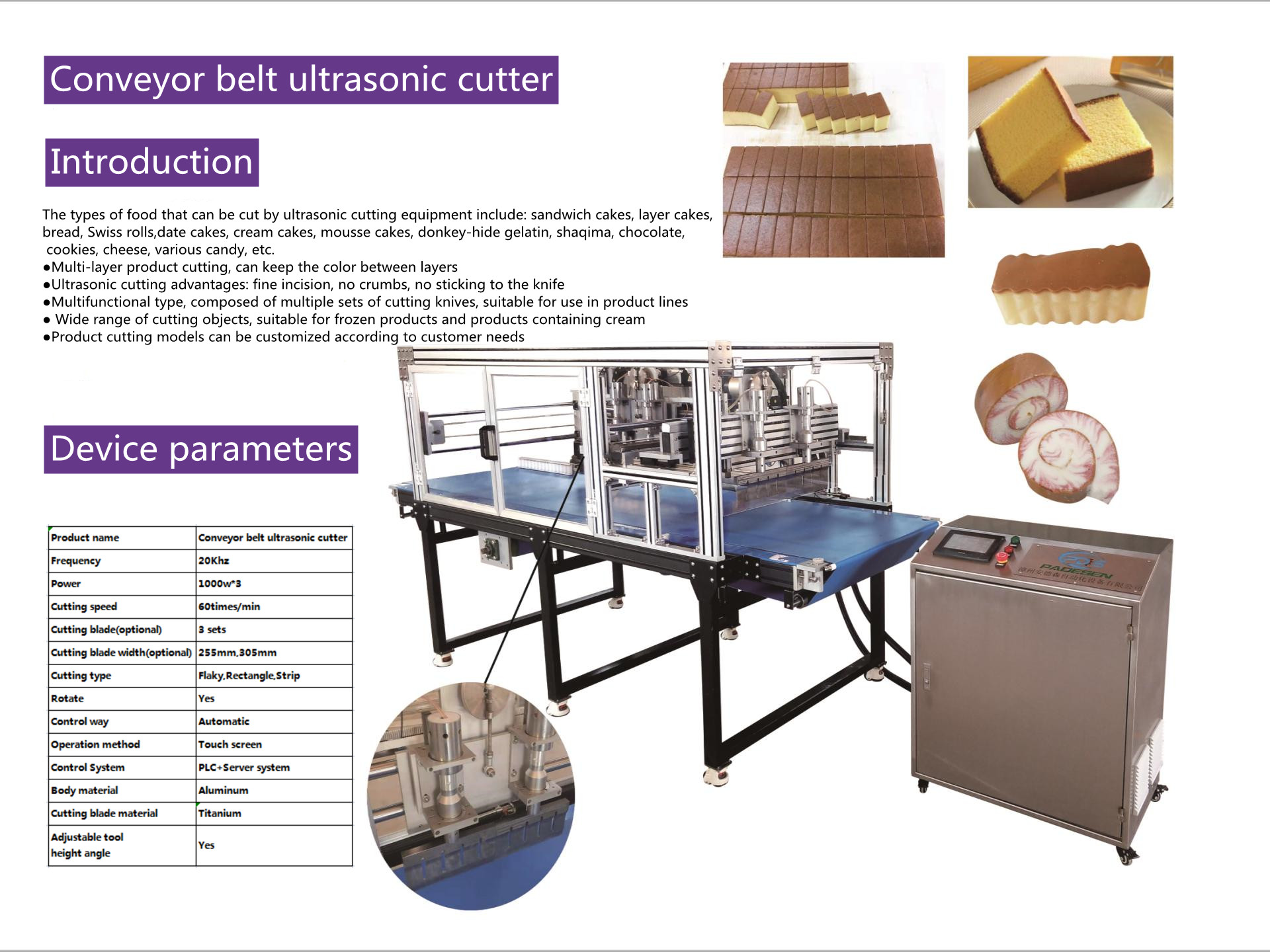
Ultrasonic food cutting machine with conveyor belt
-
China ultrasonic rubber cutting machine manufacturers for cheese cake cutting
-
40kzhz Ultrasonic Fabric Cutting Machine for Nonwoven Cutting and sealing