




Factory Ultrasonic Testing Equipment 20Khz Emulsifier

Product Main Parameters
| Frequency | 20±0.5 KHz |
|---|---|
| Power | 3000 W |
| Voltage | 220/110V |
| Temperature | 300 ℃ |
| Pressure | 35 MPa |
| Intensity of Sound | 60 W/cm² |
| Max Capacity | 20 L/Min |
Common Product Specifications
| Horn Material | Titanium Alloy |
|---|---|
| Generator | Digital |
| Weight | 30kg |
| Power Supply | 220V 50/60HZ |
Product Manufacturing Process
The manufacturing process of our ultrasonic testing equipment involves several key stages, ensuring reliability and precision in every unit. The titanium alloy horn is crafted using advanced CNC machining to achieve the desired structural integrity and sound wave emission characteristics. Digital generators are engineered in controlled environments to enhance their performance lifespan. Each transducer undergoes rigorous testing to ensure compatibility and efficiency. Studies have shown that maintaining resonant frequencies significantly boosts the equipment's operational efficiency, making it crucial to optimize each component's design and interaction.
Product Application Scenarios
Ultrasonic testing equipment is utilized in various industries for inspecting material integrity. In aerospace, it assesses composite materials, enhancing safety and reliability standards. The automotive sector benefits from its precision in detecting weld defects, while in construction, it is paramount for evaluating material thickness and identifying internal flaws. Research indicates that advanced UT equipment can detect sub-micron level defects, contributing to improved quality control and material performance across applications.
Product After-Sales Service
- 24/7 customer support hotline
- Two-year warranty with extended options
- On-site training for technical teams
- Comprehensive repair and maintenance service
Product Transportation
Products are securely packaged to prevent damage during transit. We offer expedited shipping options and track each delivery to ensure timely arrival at your factory.
Product Advantages
- High precision and reliability
- Durable titanium components
- Advanced digital controls for ease of use
- Comprehensive support and warranty
Product FAQ
- What is the lifespan of the transducer?
In a factory setting, our transducers last between 10 to 30 years, given proper maintenance and operation aligned with our guidelines.
- How does the equipment handle different materials?
Our ultrasonic testing equipment is calibrated for various materials, offering adaptive settings to ensure precision and accuracy in diverse applications.
- What kind of training is necessary?
Our equipment comes with comprehensive manuals and optional on-site training to ensure your factory staff can operate it efficiently and safely.
- Can it be integrated with existing systems?
Yes, our equipment is designed to interface seamlessly with current factory systems, and we provide detailed integration guidelines.
- What is the expected maintenance schedule?
Routine checks should be conducted every six months, with major maintenance scheduled annually to keep the equipment in optimal condition.
- Are spare parts readily available?
Yes, we maintain a full stock of spare parts and accessories to minimize downtime in your factory operations.
- Is the equipment suitable for harsh environments?
Our equipment is engineered to withstand industrial conditions, with components rated for high temperature and pressure environments.
- What support options are available post-purchase?
Post-purchase, you'll have access to our customer service hotline, extended warranty options, and regular software updates to enhance performance.
- How energy-efficient is the equipment?
Our ultrasonic testing equipment is designed to be energy-efficient, reducing operational costs for your factory while maintaining high performance.
- Are there customization options available?
Yes, we offer customization to meet specific factory requirements, including different frequencies, power settings, and integration solutions.
Product Hot Topics
- Benefits of Ultrasonic Testing in Modern Factories
Ultrasonic testing equipment revolutionizes quality control in factories, offering unparalleled non-destructive testing capabilities. Its ability to detect minute flaws within materials ensures that only the highest quality components are used in production. This technology not only helps maintain safety standards but also improves efficiency. By integrating ultrasonic testing into factory processes, manufacturers can reduce waste, optimize resource use, and ultimately increase profitability. The adaptability and precision of this equipment make it indispensable for leading industries looking to maintain a competitive edge.
- How Ultrasonic Testing Equipment Enhances Factory Efficiency
Incorporating ultrasonic testing equipment into factory operations significantly boosts efficiency by allowing for rapid and accurate material assessments. This technology enables factories to identify potential issues before they escalate, reducing the risk of costly recalls or repairs. Additionally, the non-invasive nature of ultrasonic testing means that materials remain intact and usable, further enhancing productivity. As factories increasingly move towards automation and streamlined processes, ultrasonic testing provides the precision needed to meet modern manufacturing demands.
- The Role of Ultrasonic Testing Equipment in Safety Compliance
Safety compliance is a critical concern for factories, and ultrasonic testing equipment plays a vital role in meeting these standards. By offering detailed insights into the structural integrity of materials, this technology helps ensure that all components used meet rigorous safety requirements. Factories that incorporate ultrasonic testing can more confidently certify their products, knowing they have undergone thorough evaluation. As regulatory standards continue to evolve, the importance of reliable testing solutions like ultrasonic equipment cannot be overstated.
- Advancements in Ultrasonic Testing Technology for Factories
Recent advancements in ultrasonic testing technology have broadened its application in factories, enabling more precise and efficient analyses. This includes developments in digital signal processing and enhanced transducer designs, which have improved both accuracy and ease of use. As factories increasingly rely on data-driven insights, the role of ultrasonic equipment continues to expand, offering detailed information that supports better decision-making. These technological strides ensure that factories remain at the forefront of innovation while maintaining stringent quality standards.
- Comparing Ultrasonic Testing Equipment with Other NDT Methods
While several non-destructive testing (NDT) methods are available, ultrasonic testing equipment is often preferred in factory settings due to its balance of precision, speed, and versatility. Unlike radiographic testing, which involves safety concerns around radiation, ultrasonic testing is safe and suitable for a wide range of materials. Its ability to penetrate deeply and provide detailed data also sets it apart from methods like surface testing. For factories looking to optimize their quality assurance processes, ultrasonic testing offers an unmatched combination of benefits.
- Impact of Ultrasonic Testing on Factory Quality Control
The implementation of ultrasonic testing equipment in factories has a profound impact on quality control measures. By enabling real-time analysis and rapid feedback, factories can swiftly address any deviations from quality standards. This leads to fewer defects and higher consistency in production outputs. As a result, factories that utilize ultrasonic testing are better equipped to maintain strong reputational and competitive positions in their respective markets. This testing method provides the foundation for rigorous quality assurance protocols that enhance overall product reliability.
- Essential Features of High-Quality Ultrasonic Testing Equipment
When selecting ultrasonic testing equipment for factory use, several essential features must be considered. High-quality units will offer advanced digital interfaces for easy operation, durable construction to withstand industrial environments, and customizable settings to cater to specific factory needs. The equipment should also provide reliable data transfer and storage options to integrate with factory management systems. Selecting equipment with these capabilities ensures that factories can conduct thorough and efficient inspections, leading to improved production outcomes.
- Maximizing ROI with Ultrasonic Testing Equipment in Factories
Investing in ultrasonic testing equipment can yield significant returns for factories by enhancing both productivity and product quality. By reducing material waste and preventing costly errors, ultrasonic testing supports more efficient resource utilization. Additionally, the technology's ability to improve defect detection rates means that factories can avoid expensive rework or recall scenarios. Over time, the cost savings and quality improvements deliver a strong return on investment, making ultrasonic testing a wise choice for forward-thinking factories.
- The Future of Ultrasonic Testing Equipment in Manufacturing
As the manufacturing landscape evolves towards smart factories and Industry 4.0, the role of ultrasonic testing equipment is set to grow. Future advancements will likely focus on further integrating testing solutions with factory automation systems, enabling seamless real-time data exchange and analytics. This will allow for even more precise quality control and lower costs. The continued development of ultrasonic technology promises to exceed current capabilities, ensuring that factories remain agile and responsive in the face of evolving industry demands.
- Understanding the Science Behind Ultrasonic Testing in Factories
Ultrasonic testing is grounded in the science of sound waves and their interactions with materials. By harnessing these principles, factories can gain insights into the internal structures of components without damaging them. The precision of ultrasonic testing arises from its ability to effectively measure wave reflections and interpret these signals regarding defects or material properties. This scientific approach not only supports robust quality assurance processes but also continually improves as our understanding of acoustics and material interactions deepens. For factories committed to leading-edge technology and quality, ultrasonic testing offers unparalleled advantages.
Image Description

Q1.What kind material of the horn?
A. Titanium alloy, we also customized aluminum hom for customer before.
Q2.What’s the time of delivery?
A. For Conventional hom, 3 days, for customized hom 7 work days.
Q3.Does ultrasonic extraction also require the addition of a chemical catalyst?
A. No . but some time need Mechanical stiring.
Q4.Can the device work continously?
A. Yes ,it can work 24hours continously.
Q5.What’s the Processing capacity of one set ultrasonic extraction equipment?
A. Different hor different Processing capacity, for 2000W Nine section whip horm can dealing 2L~10Lmin.
Q6.What’s the warranty of your sonicator equipment?
A. All equipment one year warranty.
-
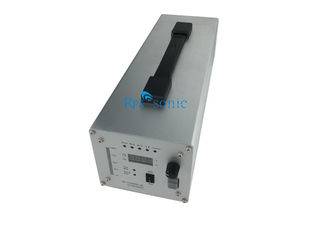
Professional China Branson Series 8500 Ultrasonic Generator Manual - LCD Screen Ultrasonic Frequency Generator For Cutting / Sealing Machine – Powersonic
-
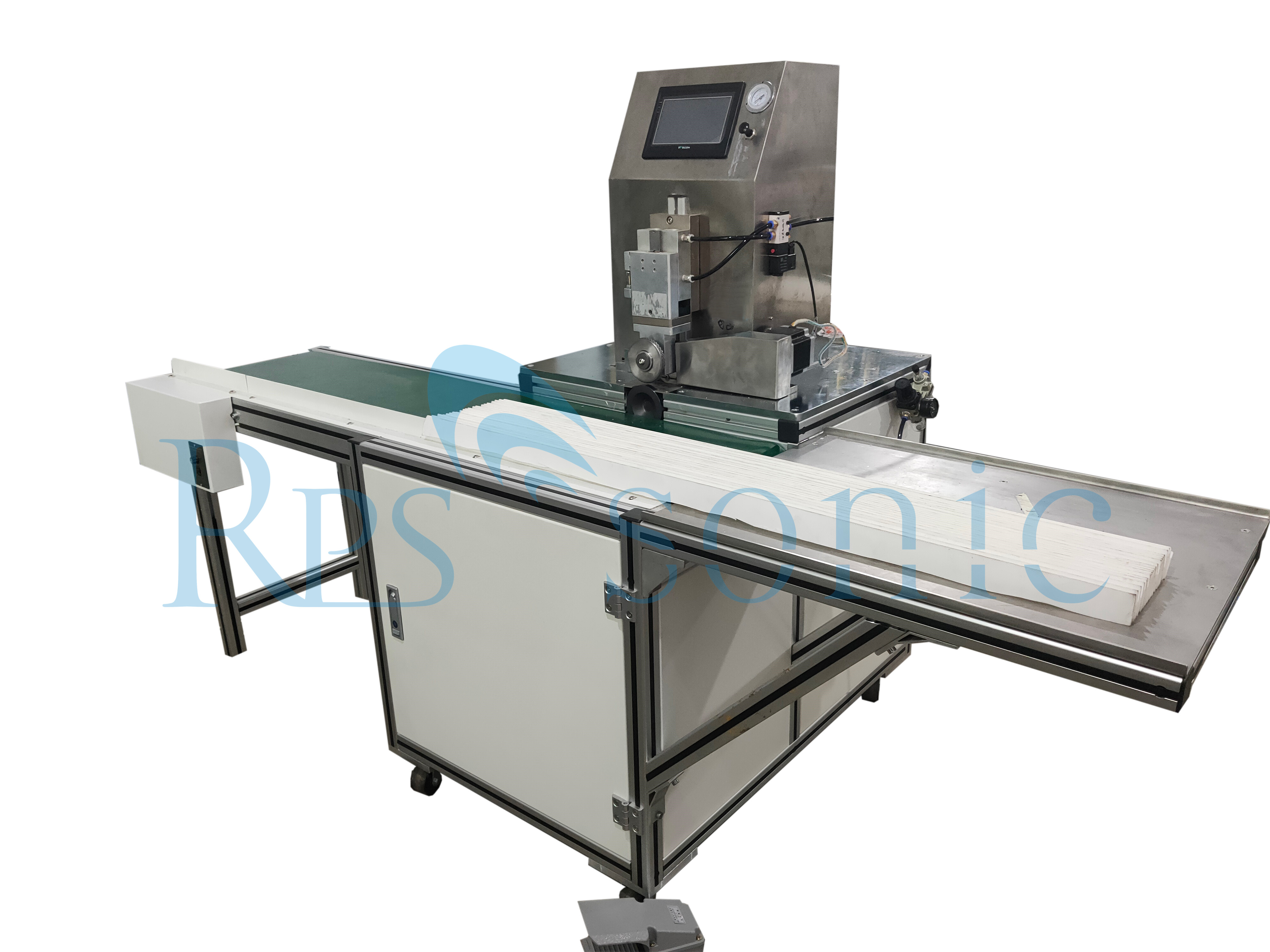
2020 New Style Spray Pyrolysis Apparatus - 20kHz 2000w Ultrasonic Welding Machine for pleated Filter Welding with Rotary Horn – Powersonic
-
Hot New Products Ultrasonic Booster Design - 15khz high precision ultrasonic welder & Tools for plastic welding solution – Powersonic
-
Renewable Design for Sound Intensity Measurement Instrument - 20Khz Ultrasonic cutting machine for Ribbons cutting & label cutting – Powersonic
-

Factory Supply Nsk Sonic Cutter - 20khz 1000w Ultrasonic Food Cutting Machine For Frozen Cakes – Powersonic
-

China Ultrasonic Cleaning Machine - Advanced Technology