




Wholesale Ultrasonic Tinning for Circuit Boards
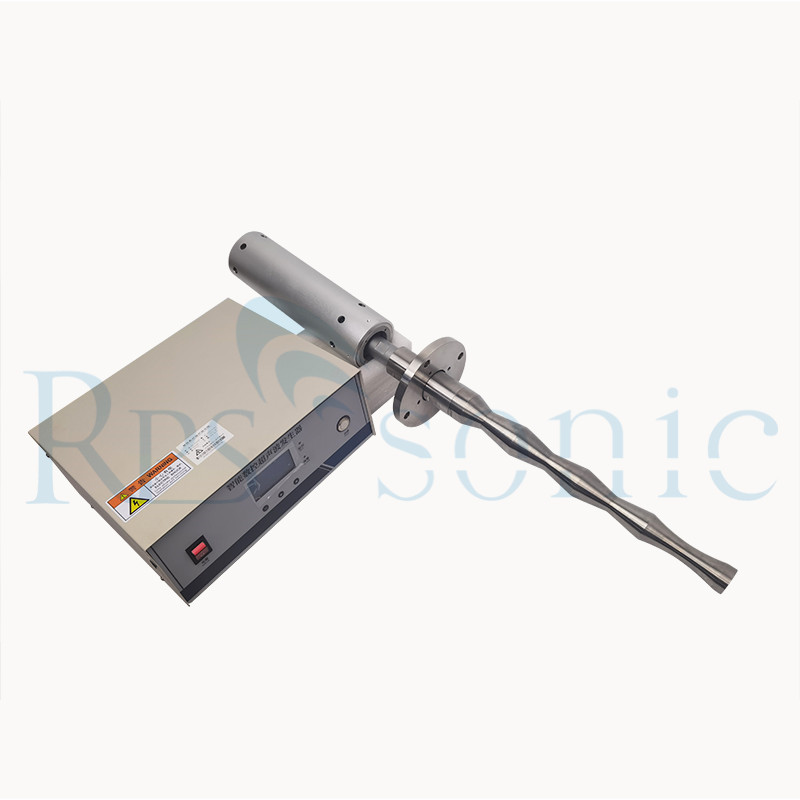
Product Main Parameters
| Parameter | Specification |
|---|---|
| Frequency | 20 kHz |
| Power | 3000 W |
| Horn Size | Customized |
| Weight | 25 kg |
| Generator | Digital |
| Type | Diamond, Cone Shape |
Common Product Specifications
| Model | SONO20-1000 | SONO20-2000 | SONO15-3000 | SONO20-3000 |
|---|---|---|---|---|
| Frequency | 20±0.5 KHz | 20±0.5 KHz | 15±0.5 KHz | 20±0.5 KHz |
| Power | 1000 W | 2000 W | 3000 W | 3000 W |
| Voltage | 220/110V | 220/110V | 220/110V | 220/110V |
| Temperature | 300 ℃ | 300 ℃ | 300 ℃ | 300 ℃ |
| Pressure | 35 MPa | 35 MPa | 35 MPa | 35 MPa |
| Intensity of sound | 20 W/cm² | 40 W/cm² | 60 W/cm² | 60 W/cm² |
| Max Capacity | 10 L/Min | 15 L/Min | 20 L/Min | 20 L/Min |
| Tip Head Material | Titanium Alloy | Titanium Alloy | Titanium Alloy | Titanium Alloy |
Product Manufacturing Process
Ultrasonic tinning employs high-frequency sound waves to enhance soldering by promoting cavitation, which cleans and prepares metal surfaces. This process significantly improves solder wetting and bonding in electronic applications. Referencing studies on ultrasonic applications, this method has been shown to increase solder joint integrity, essential for reliability and longevity in electronics manufacturing. Proper control of ultrasonic parameters is crucial to prevent component damage, making it important to tailor the process to specific needs. The integration of ultrasonics in tinning processes is a promising advancement for achieving high-quality solder joints, especially in precision electronics.
Product Application Scenarios
Ultrasonic tinning finds extensive use in the electronics industry, particularly in the assembly and repair of circuit boards where strong and reliable solder joints are critical. Research indicates that this method improves the mechanical and electrical properties of connections, making it invaluable for high-performance applications. The process is adaptable to various solder types, including lead-free variants, aligning with environmental sustainability standards. Additionally, its application extends to aerospace, automotive, and telecommunications sectors, where robust and durable soldered connections are paramount. By optimizing soldering efficacy, ultrasonic tinning enhances production efficiency and product reliability.
Product After-sales Service
- Comprehensive technical support for setup and operation.
- Warranty coverage for manufacturing defects.
- Replacement parts available for key components.
- Dedicated customer service for troubleshooting issues.
Product Transportation
- Secure packaging to prevent transit damage.
- Global shipping options available.
- Tracking information provided upon dispatch.
- Customs documentation assistance for international shipments.
Product Advantages
- Enhanced solder joint integrity and reliability.
- Efficient and uniform solder application.
- Compatibility with various solder alloys including lead-free.
- Reduced need for pre-cleaning due to cavitation cleaning action.
Product FAQ
- How does ultrasonic tinning improve solder joints? Ultrasonic tinning harnesses high-frequency vibrations to clean and enhance the bonding of solder to metal surfaces, improving joint integrity.
- Can ultrasonic tinning be used with lead-free solders? Yes, the process is compatible with lead-free solders, helping meet environmental and health safety regulations.
- What industries benefit most from ultrasonic tinning? Industries like electronics, automotive, and aerospace, which demand high-quality solder joints, benefit significantly from this technology.
- Is ultrasonic tinning safe for all electronic components? While generally safe, care in parameter control is necessary to prevent damage to sensitive components during the process.
- Does ultrasonic tinning require special equipment? Yes, it requires specialized ultrasonic generators and transducers to produce the necessary high-frequency vibrations for the process.
- What is cavitation in ultrasonic tinning? Cavitation is the formation and implosion of bubbles caused by ultrasonic waves, cleaning and preparing metal surfaces for improved solder adhesion.
- How does ultrasonic tinning reduce production costs? By improving solder efficiency and reducing material waste, ultrasonic tinning can lower production costs over time.
- What maintenance does ultrasonic tinning equipment require? Regular inspection and calibration of ultrasonic components are necessary to maintain optimal performance.
- Can existing soldering systems be upgraded with ultrasonic tinning? Yes, with appropriate retrofitting, existing systems can incorporate ultrasonic technology for enhanced performance.
- How long does a typical ultrasonic tinning process take? The duration depends on the application but is generally faster than traditional soldering methods due to improved efficiency.
Product Hot Topics
- Advancements in Ultrasonic Soldering Techniques The integration of ultrasonics into traditional soldering techniques has revolutionized the electronics manufacturing industry, offering enhanced joint quality and reliability.
- The Impact of Ultrasonic Tinning on Electronic Reliability By guaranteeing better adhesion and reduced oxidation, ultrasonic tinning significantly contributes to the reliability and longevity of electronic components.
- Environmentally Friendly Soldering Solutions With growing regulations on lead use, ultrasonic tinning is a step forward in developing eco-friendly soldering techniques without compromising quality.
- Ultrasonic Tinning: A Game Changer for PCB Manufacturing Manufacturers have found that ultrasonic tinning enhances the efficiency and quality of printed circuit board (PCB) production, making it a favorite choice.
- Cost Efficiency in Ultrasonic Tinning Efficient material usage and reduced waste make ultrasonic tinning a cost-effective solution for manufacturers, especially in high-volume production settings.
- Ultrasonic Soldering of Advanced Components The ability of ultrasonic tinning to handle complex and delicate components opens new avenues in advanced device manufacturing.
- Challenges and Solutions in Ultrasonic Tinning While offering many benefits, ultrasonic tinning presents challenges that can be overcome with proper equipment calibration and process optimization.
- The Future of Ultrasonic Technology in Manufacturing With ongoing research, the potential applications of ultrasonics in manufacturing continue to expand, promising greater efficiency and sustainability.
- Comparing Traditional and Ultrasonic Soldering Methods While traditional methods rely on thermal energy, ultrasonic tinning introduces mechanical energy, offering a different approach to achieve superior results.
- Custom Solutions in Ultrasonic Tinning Adaptability to specific manufacturing needs makes ultrasonic tinning customizable, offering solutions tailored to unique production requirements.
Image Description

Q1.What kind material of the horn?
A. Titanium alloy, we also customized aluminum hom for customer before.
Q2.What’s the time of delivery?
A. For Conventional hom, 3 days, for customized hom 7 work days.
Q3.Does ultrasonic extraction also require the addition of a chemical catalyst?
A. No . but some time need Mechanical stiring.
Q4.Can the device work continously?
A. Yes ,it can work 24hours continously.
Q5.What’s the Processing capacity of one set ultrasonic extraction equipment?
A. Different hor different Processing capacity, for 2000W Nine section whip horm can dealing 2L~10Lmin.
Q6.What’s the warranty of your sonicator equipment?
A. All equipment one year warranty.
-

PriceList for Picospray Fuel Injection - Aluminum 20Khz Amplifier ultrasonic welding booster design and manufacturer – Powersonic
-

Low price for Solder Dipping Equipment - Automated Ultrasonic Welding Equipment For Polycarbonate / Polypropylene – Powersonic
-
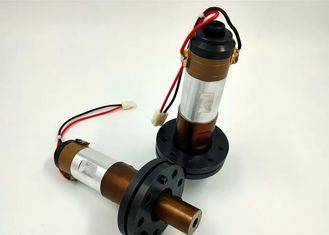
2020 Good Quality Ultrasonic Welding Transducer - 20khz 1500w Nonwoven Ultrasonic Welding Transducer Supplier for nonwoven bags and mask making – Powersonic
-

Hot Sale for Ultrasonic Transformer - 800w 20khz Ultrasonic Sewing Machine With Rotray Horn – Powersonic
-
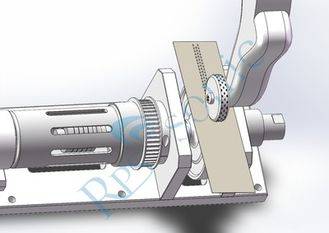
Fast delivery Sonicator Lab - 20Khz Textile Ultrasonic Welding Machine with Continuous Welding Force Monitoring – Powersonic
-
China Ultrasonic Plastic Tube Sealing Machine 20Khz 1500w