
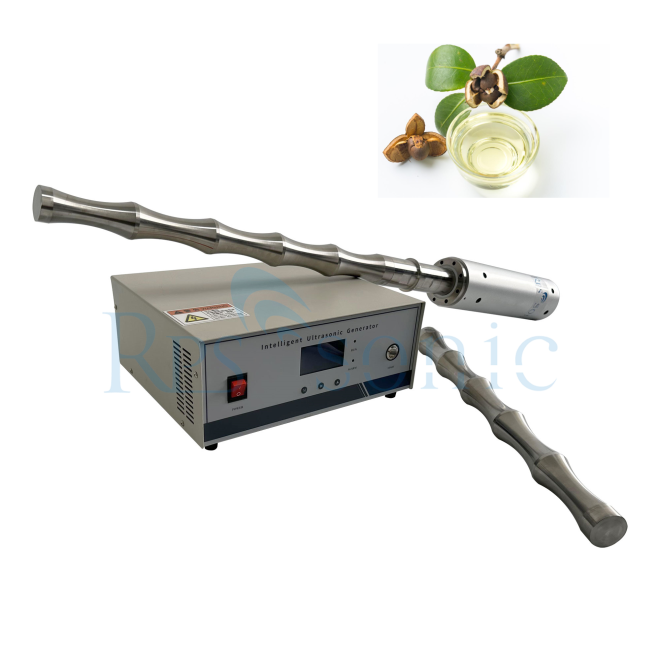
Ultrasonic homogenizers are devices that use high-frequency sound waves to mix, disperse, and deagglomerate materials. They are commonly used in paint manufacturing to improve the consistency and stability of paint formulations.
Some key benefits of using an ultrasonic homogenizer for paint include:
1.Improved pigment dispersion - The high-energy ultrasonic waves can break down pigment agglomerates and disperse them evenly throughout the paint, improving color consistency.
2.Enhanced viscosity stability - Ultrasonication helps prevent settling and skinning of paint over time by keeping the components well-mixed.
3.Reduced particle size - The cavitation and shear forces of the ultrasonic waves can reduce the particle size of dispersed components like fillers and extenders.
4.Faster mixing times - Ultrasonic homogenization is a rapid process that can significantly reduce the time required to thoroughly mix paint ingredients compared to traditional mechanical agitation.
Common applications for ultrasonic homogenizers in paint manufacturing include dispersing pigments, deaerating the paint, and creating stable nano-emulsions and microemulsions.
When selecting an ultrasonic homogenizer for paint, key factors to consider include the paint volume, viscosity, power requirements, and sanitary design for easy cleaning. Batch or inline ultrasonic processors are both used depending on the paint production process.