

News

What's ultrasonic aluminum melt used for?

353 words | Last Updated: 2024-06-25 | By Fiona - Powersonic
Fiona - Powersonic - author
Author: Fiona - Powersonic
Ultrasonic welding machine,ultrasonic cutting machine,ultrasonic homogenizer/sonicator,ultrasonic sprayer
We provide customized, innovative, and sustainable solutions.
What's ultrasonic aluminum melt used for?
Table of Contents
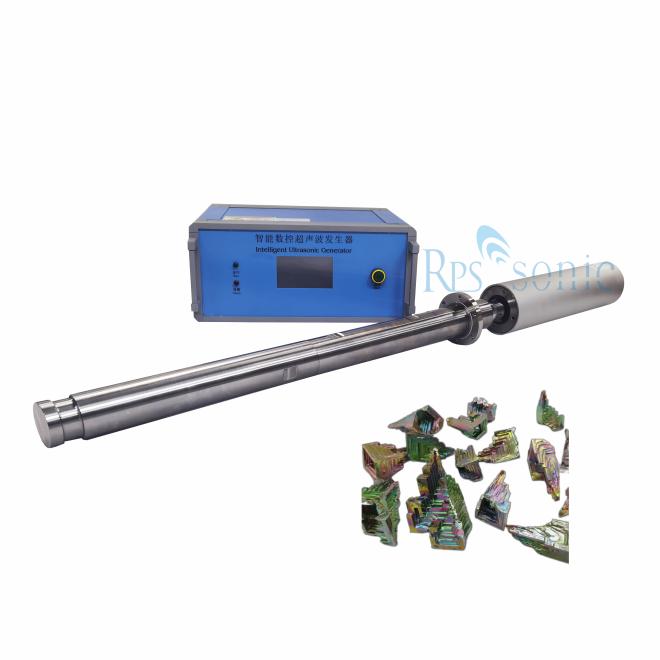
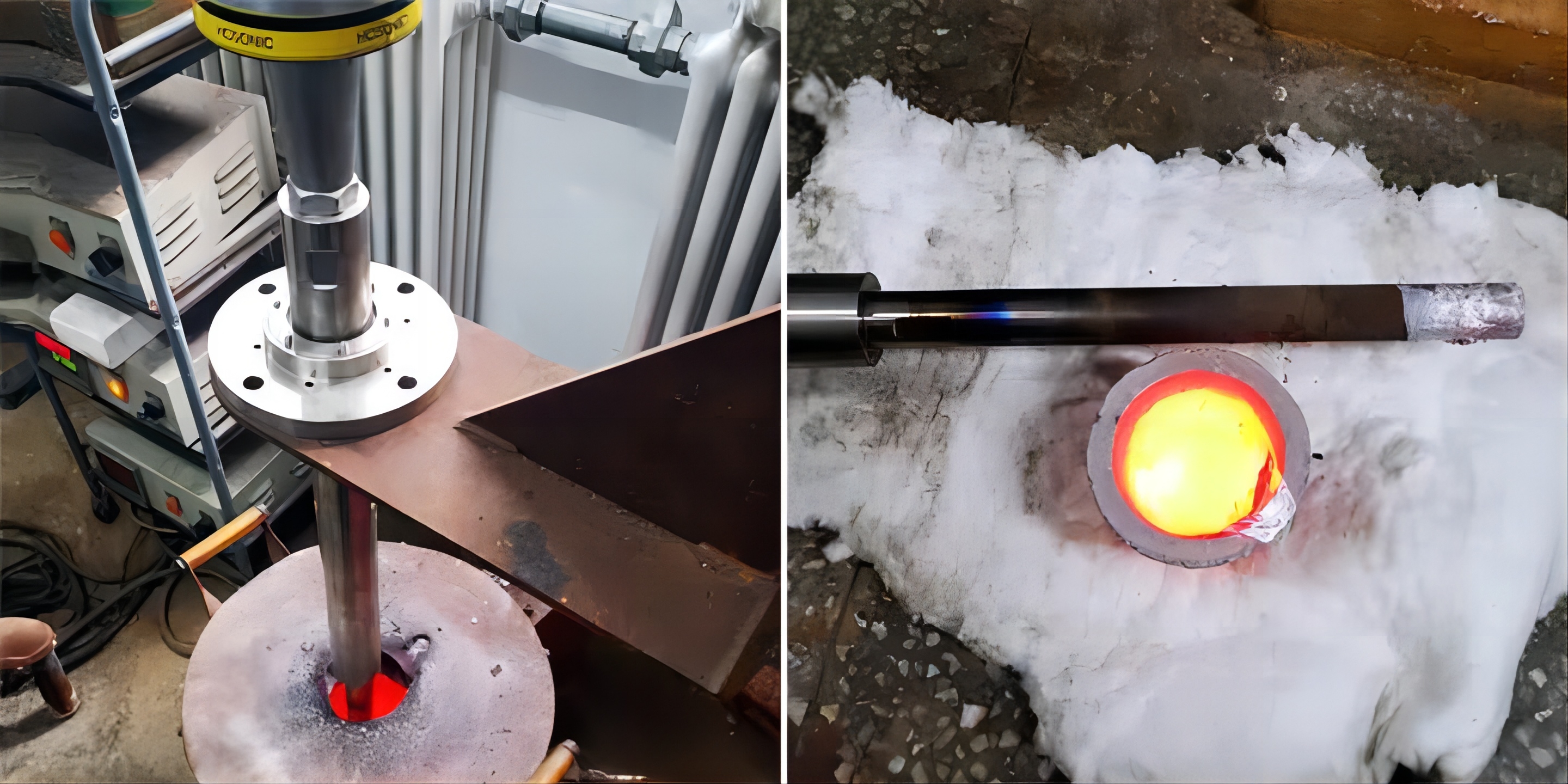
Ultrasonic metal melt equipment uses the cavitation effect of ultrasound in the melt to cut off and destroy dendrites, impact the solidification front, increase stirring and diffusion, make the organization uniform, and at the same time increase the tensile strength of metal materials and improve the toughness of metals. The small grains and large boundary area can effectively prevent dislocation and intercrystalline slip, which means that it takes more force to break the material. The finer the grains, the smaller the dendrite spacing, the higher the yield strength, and the better the hardness. The ideal ingot structure is a uniform and fine equiaxed crystal on the entire cross section of the ingot. This is because the equiaxed crystal has small anisotropy, uniform deformation during processing, excellent performance, good plasticity, and is conducive to casting and subsequent plastic processing. To obtain this structure, the best method at present is to use ultrasonic metal melt equipment to perform ultrasonic refinement on the melt.

Ultrasonic treatment of aluminum melts is a process used to refine the microstructure of the metal by applying high-frequency sound waves. This technique is particularly beneficial in the aluminum casting industry for several reasons:

  1. Degassing: Ultrasonic waves help in degassing the molten aluminum by promoting the release of dissolved gases like hydrogen and oxides. This improves the mechanical properties of the final castings.

  2. Grain Refinement: The application of ultrasonic vibrations can induce grain refinement in the solidifying metal. Smaller grain sizes lead to improved mechanical strength and better surface finish of the cast parts.

  3. Homogenization: It helps in achieving a more uniform distribution of alloying elements and temperature throughout the melt. This results in consistent properties across the castings.

  4. Reduced Porosity: By breaking down oxide films and gas bubbles, ultrasonic treatment reduces the presence of porosity in the cast aluminum, which enhances the material's integrity.

  5. Improved Castability: The process can enhance the flowability of the molten aluminum, making it easier to cast intricate shapes with fewer defects.

Overall, ultrasonic treatment of aluminum melts is a sophisticated technique that contributes to producing high-quality aluminum castings with improved mechanical properties and surface finish.
 

Leave Your Message