




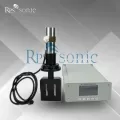

Understanding Ultrasonic Soldering Basics
Defining Ultrasonic Soldering
Ultrasonic soldering is a technique involving the application of ultrasonic vibrations to the soldering iron. These vibrations help cavitate the surface of materials, removing oxides and enhancing solder adhesion. Unlike traditional soldering, this method allows the joining of materials like stainless steel, aluminum, ceramics, and glass without the need for flux.
Process Explanation
When ultrasonic vibrations are applied, they create micro-cavitation on the workpiece surface. This effectively clears away oxides, preparing the surface for optimal solder adhesion. The continuous movement of the soldering tip ensures a clean bond, which is critical for materials that typically resist soldering.
Selecting the Right Equipment
Essential Tools and Supplies
Choosing the right tools is vital for successful ultrasonic soldering. A reliable Ultrasonic Soldering Iron, equipped with a piezoelectric transducer, is necessary. The transducer generates vibrations at frequencies typically between 20 kHz to 60 kHz, facilitating the soldering process.
Considering Frequency and Power
The frequency and power output of the transducer significantly impact soldering efficiency. Higher frequencies enable finer control over cavitation, which is advantageous for delicate materials. Manufacturers often provide details on the optimal settings, which should align with your specific applications.
Tackling Material Challenges
Soldering Aluminum
Aluminum presents a challenge due to its resilient oxide layer. Ultrasonic soldering addresses this by physically removing the oxide, allowing solder to wet the surface effectively. The process is advantageous for creating strong bonds without additional flux.
Joining Ceramic and Glass
Ceramic and glass require careful handling due to their brittle nature. Ultrasonic soldering prevents thermal shock by maintaining lower temperatures, which is crucial for avoiding cracks. The technique enables effective soldering without compromising the integrity of the materials.
Techniques for Optimal Heat Management
Controlling Temperature
Effective heat management is key in ultrasonic soldering. The transducer should operate momentarily to avoid overheating, as continuous operation may lead to component failure. A typical approach involves pulsed activation of the transducer, optimizing energy use.
Balancing Energy Input
Maintaining an appropriate energy balance ensures the transducer and soldering tip do not overheat. It is advisable to set the power level relative to the material's heat conductivity, with settings often drawn from empirical factory tests or manufacturer guidelines.
Benefits of Ultrasonic Soldering
Enhanced Joint Strength
The cavitation process not only cleans the surface but also increases the mechanical strength of the joint. This results in enhanced structural integrity, making the method preferable for demanding applications in aviation or electronics manufacturing.
Environmentally Friendly Process
Ultrasonic soldering minimizes the need for chemical flux, reducing environmental impact. This aligns with the growing industrial focus on sustainable manufacturing practices, helping factories in China and globally to meet ecological standards.
DIY Ultrasonic Soldering Projects
Cost-Effective Solutions
Obtaining the components for a DIY ultrasonic soldering project can be challenging but rewarding. Many enthusiasts design cost-effective homemade solutions using components like a conventional soldering iron and an ultrasonic cleaner's transducer.
Common Challenges
DIY projects often face the hurdle of transducer overheating. It's crucial to ensure that the load impedance matches closely with the transducer's specifications to enhance efficiency and longevity.
Overcoming Common Ultrasonic Soldering Problems
Preventing Oxide Reformation
Oxide reformation is a recurring issue in soldering aluminum and stainless steel. Regular cleaning of the soldering tip and minimizing air exposure are key strategies to maintain a pristine solder surface.
Transducer Maintenance
Regular maintenance of the transducer is necessary to avoid degradation. This includes periodic cleaning and inspection for wear. Manufacturer-recommended maintenance schedules often guide these processes effectively.
Practical Applications and Innovations
Industry Applications
The technique sees extensive use in industries requiring robust joints, such as automotive and aerospace sectors. Ultrasonic soldering is especially beneficial in assembling critical components that demand high precision and reliability.
Innovative Uses
Recent innovations have widened the scope of ultrasonic soldering. Research suggests potential applications in soft robotics, where soldering of unconventional materials is required.
Cost Efficiency and Resource Utilization
Reducing Material Costs
Ultrasonic soldering allows the use of more affordable materials like aluminum-clad boards in place of traditional copper and tin. This reduction in material costs can significantly impact overall manufacturing expenses.
Improving Production Efficiency
The elimination of the need for flux not only cuts costs but also speeds up production cycles. Factories can achieve greater throughput, enhancing competitiveness in manufacturing environments.
Future Trends in Ultrasonic Soldering
Technological Advancements
The field of ultrasonic soldering continues to evolve, with ongoing advancements in transducer technology promising higher efficiency and broader applicability. These innovations are expected to revolutionize manufacturing processes across industries.
Market Growth
The demand for advanced soldering techniques is anticipated to rise, particularly in China, where manufacturers are increasingly adopting ultrasonic soldering to meet global quality standards. This trend signals a positive growth trajectory for the market.
Powersonic Provide Solutions
Powersonic offers a range of solutions tailored to enhance ultrasonic soldering techniques. By providing state-of-the-art soldering systems equipped with advanced transducer technology, Powersonic helps manufacturers improve efficiency and reduce costs. Our solutions are designed to accommodate diverse industrial needs, ensuring optimal performance across various applications. Whether you operate a small workshop or a large-scale factory, Powersonic's expertise in ultrasonic solutions can help you achieve better soldering quality and operational efficiency.
