




IntroUduction to Ultrasonic Nozzles and Their Functionality
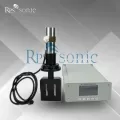
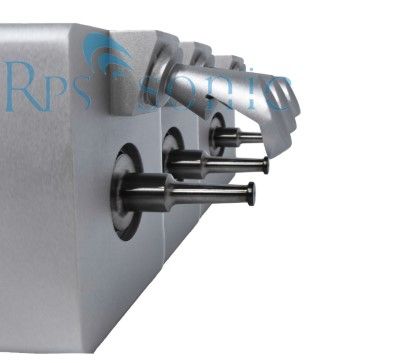
Ultrasonic spray atomizer nozzle represent a revolutionary advancement in precision fluid delivery systems. These components transform liquids into fine mist or spray through high-frequency sound waves, offering unparalleled control over droplet size and distribution. The precision and efficiency of ultrasonic spray atomizer nozzles have rendered them indispensable in various industries, from medical applications to industrial processes. This article delves into the technology behind these nozzles, their operation mechanisms, and the advantages they offer over traditional methods. Additionally, it highlights the significant role of China in manufacturing these devices and introduces a key player in this market, Powersonic.
Mechanism of Ultrasonic Nozzle Operation
Ultrasonic spray atomizer nozzles employ sound waves at frequencies typically above 20 kHz to atomize liquids. This technology centers on converting electrical energy into mechanical energy through piezoelectric transducers. When an electrical signal is applied, these transducers oscillate, generating ultrasonic waves that travel through the liquid medium.
● Conversion of Sound Waves to Mechanical Energy
At the heart of each ultrasonic spray atomizer nozzle is a piezoelectric transducer. This component is critical as it efficiently converts electrical energy into mechanical vibrations. As these high-frequency sound waves propagate, they exert forces on the liquid in contact, initiating the atomization process. The energy transfer efficiency of this conversion dictates the performance and droplet size generated by the nozzle.
● Role of Piezoelectric Transducers
Piezoelectric transducers are indispensable in the functioning of ultrasonic spray atomizer nozzles. These devices, usually made from ceramic materials, respond to electrical signals with precise mechanical deformations. The oscillations produce high-frequency vibrations that interact with the liquid surface, disintegrating it into tiny droplets. This interaction is fine-tuned to achieve the desired droplet size and spray pattern, making the transducer's quality crucial to nozzle performance.
Creation of Standing Waves in Liquids
● Process of Transferring Mechanical Energy to Liquids
The ultrasonic waves produced by the transducer result in the formation of standing waves within the liquid. These standing waves arise when the dimensions of the atomizer's resonator tip are perfectly tuned to the frequency of the piezoelectric transducer's oscillations. This tuning ensures that the liquid absorbs the maximum possible energy from the transducer, leading to efficient atomization.
● Formation and Impact of Standing Waves
Standing waves in the liquid surface create areas of constructive interference where the energy is concentrated, effectively propelling tiny droplets from the wave tips. This highly controlled process results in uniform droplet formation, a hallmark of ultrasonic spray atomizer nozzles. The uniformity and precision achieved through this process are why these nozzles are preferred for applications requiring consistent droplet size, such as drug delivery or precision coating processes.
Atomization Process and Droplet Formation
● Increase in Standing Wave Amplitude
The amplitude of standing waves is a critical factor influencing the atomization process. As the amplitude increases, the kinetic energy imparted to the liquid surface escalates, causing it to break into finer droplets. This is an area where China ultrasonic spray atomizer nozzle manufacturers excel, offering innovative designs that enhance wave amplitude for optimal atomization efficiency.
● Mechanism of Droplet Detachment from Wave Tips
Once the standing wave amplitude reaches a critical threshold, the liquid at the wave tip attains sufficient energy to overcome surface tension forces, detaching in the form of fine droplets. This precise detachment mechanism ensures a consistent droplet size distribution, which is vital for applications such as fuel injection systems, where uniform droplet size can significantly affect combustion efficiency.
Key Features Influencing Ultrasonic Nozzle Performance
● Influence of Frequency on Droplet Size
The operating frequency of an ultrasonic spray atomizer nozzle is directly related to the size of the droplets it produces. Higher frequencies typically result in smaller droplet sizes, making them suitable for applications requiring ultra-fine mist. Ultrasonic spray atomizer nozzle suppliers offer a range of frequencies tailored to specific industrial needs, ensuring optimal performance across diverse applications.
● Power Requirements for Effective Operation
Power input is another crucial factor impacting the efficiency of ultrasonic spray atomizer nozzles. Adequate power ensures that the transducer vibrates at the necessary amplitude to achieve effective atomization. Leading manufacturers, such as those in China, have developed power-efficient nozzles that minimize energy consumption while maximizing output, making these systems cost-effective and environmentally friendly.
Adjusting Flow Rate and Orifice Size
● Impact of Flow Rate on Atomization Efficacy
The flow rate of liquid through the nozzle significantly affects atomization efficacy. A well-calibrated flow rate ensures that the liquid supply matches the nozzle's atomization capacity, preventing overflow or insufficient atomization. Top-tier ultrasonic spray atomizer nozzle factories design their nozzles with adjustable flow rates to suit varying operational requirements.
● Customization of Orifice Size for Specific Applications
Orifice size customization is an advantageous feature offered by ultrasonic spray atomizer nozzle manufacturers. It allows for adaptability in spray pattern and droplet size, catering to specific applications. For instance, a larger orifice may be preferable for applications like agricultural spraying, where larger droplets are more effective, while smaller orifices are ideal for pharmaceuticals, requiring fine mist.
Mathematical Prediction of Droplet Size
● Calculating Droplet Size Distribution
Mathematically predicting droplet size distribution in ultrasonic spray atomizer nozzles is crucial for precision applications. Advanced modeling techniques and simulations are employed to forecast how modifications in frequency, power, flow rate, and orifice size affect droplet characteristics. This predictive capability is a testament to the advanced technological development in this field, particularly in China, where extensive research and development have propelled these innovations.
● Importance of Precision in Droplet Size Prediction
Precise droplet size prediction ensures that ultrasonic spray atomizer nozzles deliver consistent results in applications ranging from coating and lubrication to fuel injection and pharmaceuticals. Accurate predictions minimize material waste, reduce operational costs, and enhance product quality, thereby ensuring customer satisfaction and optimal performance.
Comparison with Traditional Pressure Nozzles
● Differences Between Ultrasonic and Pressure Nozzles
Ultrasonic spray atomizer nozzles differ fundamentally from traditional pressure nozzles in their operating principles. Unlike pressure nozzles, which rely on high fluid pressure to create spray, ultrasonic nozzles use high-frequency sound waves, resulting in softer, more controlled aerosolization without the need for high pressure. This means less wear on components and reduced maintenance needs.
● Advantages of Ultrasonic Nozzles in Various Applications
Ultrasonic nozzles offer several advantages over pressure nozzles, including superior control over droplet size and distribution, lower operational noise, and the ability to handle a wider range of liquid viscosities. These benefits make them ideal for sensitive applications such as pharmaceuticals and electronics, where precision and reliability are paramount.
Applications Across Industries
● Use of Ultrasonic Nozzles in Medical, Agricultural, and Industrial Settings
The versatility of ultrasonic spray atomizer nozzles makes them suitable for a broad spectrum of industries. In the medical field, they are used for respiratory therapies and drug delivery systems, where precise control over droplet size is essential. In agriculture, they aid in the efficient and uniform application of pesticides and fertilizers. Industrial applications range from coatings and lubrication to ultrasonic cleaning, where their ability to produce consistent fine mist enhances efficiency and effectiveness.
● Benefits of Precise Droplet Control
Precise droplet control is a defining feature of ultrasonic spray atomizer nozzles. It ensures that each application receives the exact amount of liquid required, minimizing waste and maximizing efficiency. This precision translates into cost savings and improved outcomes, regardless of the industry in which these nozzles are employed.
Future Trends and Innovations in Ultrasonic Nozzle Technology
● Emerging Trends in Ultrasonic Nozzle Development
The future of ultrasonic spray atomizer nozzles is poised for exciting advancements. Innovations are focusing on integrating smart technology, such as IoT connectivity, to enable real-time monitoring and adjustments, thus improving the precision and adaptability of these systems. Ultrasonic spray atomizer nozzle manufacturers are at the forefront of developing sustainable materials and designs that further enhance energy efficiency and performance.
● Potential Future Applications and Technological Advancements
The potential for ultrasonic spray atomizer nozzles extends far beyond current applications. Future advancements may see their integration into emerging fields such as nanotechnology and biotechnology, where their ability to precisely control droplet size and distribution could unlock new possibilities. Ultrasonic spray atomizer nozzle factories are already exploring these frontiers, ensuring they remain at the cutting edge of technological innovation.
Powersonic: Leading the Charge in Ultrasonic Technology
Powersonic, under the Rps-sonic brand, consists of a passionate team of young professionals dedicated to advancing ultrasonic technology. With extensive expertise, they focus on matching the right products with customer needs rather than merely promoting offerings. Transitioning from selling second-hand equipment to designing their own transducers and generators, they address key issues customers face in ultrasonic applications. Powersonic's commitment to innovation and customer service has positioned them as a respected China ultrasonic spray atomizer nozzle supplier, fostering solutions that enhance efficiency and operational longevity.