





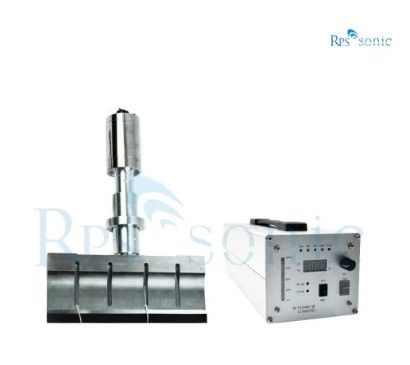
In the world of food technology, innovation is the key to staying ahead of the curve. One of the most exciting developments in this field is the ultrasonic food cutting technology, which has revolutionized the way food is processed and prepared. With its precision, efficiency, and versatility, ultrasonic cutting has become an indispensable tool in the food industry. This article delves into the intricacies of ultrasonic cutting technology, highlighting its numerous applications, advantages, and the future possibilities it holds. Special emphasis will be placed on the role of ultrasonic pet food cutting machines, particularly those manufactured in China, and the companies behind these groundbreaking technologies.
Innovative Cutting Technology for the Food Industry
● Intelligent Ultrasonic Cutting Methods
Ultrasonic cutting represents a remarkable leap forward in food processing technology. Unlike traditional mechanical cutting, which relies on sheer force, ultrasonic cutting uses high-frequency sound waves to slice through various food products with utmost precision. This method minimizes physical contact between the cutting tool and the food item, significantly reducing the occurrence of deformation and ensuring a cleaner cut. The intelligent application of ultrasonic technology has enabled manufacturers to tailor cutting processes according to specific food characteristics, thus optimizing productivity and consistency in the final product.
● Industry 4.0-Ready Technology
In the era of Industry 4.0, automation and smart technology are transforming the food sector. Ultrasonic cutting machines are at the forefront of this transformation, incorporating advanced sensors and machine learning capabilities to enhance performance. These state-of-the-art machines can adjust cutting parameters in real-time, adapting to variations in product size, texture, and density. As a result, they offer unparalleled flexibility and efficiency, making them an ideal choice for both small-scale artisanal producers and large industrial operations.
● Applications in Food and Other Materials
The versatility of ultrasonic cutting technology extends beyond the food industry. While it is widely used for slicing delicate bakery items, cheeses, and meats, its applications span a myriad of other materials. From cutting textiles, rubber, and plastics to medical and automotive components, ultrasonic technology has proven its mettle across diverse industries. This adaptability underscores the potential for further innovations and cross-industry collaborations in the future.
Diverse Applications of Ultrasonic Cutting
● Use in Baking: Dough, Cakes, and Breads
In the realm of baking, precision is paramount. Ultrasonic cutting machines have revolutionized the way dough, cakes, and breads are sliced. Their ability to deliver clean, sharp cuts with minimal crumb generation ensures that each slice retains its intended shape and texture. Cakes with delicate layers or intricate designs can be cut effortlessly, preserving their aesthetic appeal while enhancing shelf life through reduced exposure to air.
● Cheese and Meat Slicing
Cheese and meat are notoriously challenging to slice due to their varying hardness and composition. Ultrasonic cutting machines address these challenges by providing consistent, high-quality cuts irrespective of product type. The reduced friction and pressure during cutting minimize the risk of smearing and deformation, delivering uniform slices that enhance presentation and appeal in retail and culinary settings.
● Cutting Through Lightweight and Heavy Materials
From lightweight foams to dense meats, ultrasonic cutting machines tackle a wide spectrum of materials with ease. The ability to customize cutting parameters based on material properties ensures that even the most challenging cutting tasks are executed with precision. Whether slicing through tough meats or delicate pastries, ultrasonic technology delivers results that meet the highest standards of quality and efficiency.
Advantages of Ultrasonic Food Cutting
● Minimal Waste Generation
One of the primary advantages of ultrasonic food cutting is its efficiency in waste reduction. The precise nature of ultrasonic cutting ensures minimal material loss, reducing overall waste and maximizing yield. This is particularly beneficial in industries where raw materials are costly or in limited supply, ultimately contributing to cost savings and sustainability efforts.
● Clean Edges with No Fraying
The clean, precise cuts achieved by ultrasonic machines eliminate jagged edges and fraying, which are common issues with traditional cutting methods. For products like cookies, sandwiches, and layered desserts, this precision maintains visual appeal and enhances product quality. Clean cuts also facilitate better packaging and presentation, meeting the high standards expected by consumers and retailers alike.
● Combined Cutting and Sealing Benefits
Ultrasonic technology offers the unique advantage of simultaneously cutting and sealing certain materials. In applications like food packaging, where integrity is crucial, ultrasonic cutting machines provide a one-step solution that increases efficiency and reliability. This capability is particularly advantageous for products requiring airtight sealing, ensuring freshness and extending shelf life.
Customization and Flexibility in Cutting Systems
● Vertical and Horizontal Cutting Solutions
Ultrasonic cutting machines offer both vertical and horizontal cutting configurations, catering to diverse production needs. Manufacturers have the flexibility to choose the most suitable machine orientation based on their specific product requirements and production line layout. This adaptability ensures that ultrasonic cutting systems can be seamlessly integrated into existing workflows, optimizing productivity and space utilization.
● Continuous vs. Cycle Mode Options
The ability to switch between continuous and cycle mode is another hallmark of ultrasonic cutting machines. Continuous mode facilitates rapid cutting for high-volume production, while cycle mode provides precise control for intricate cuts and smaller batches. This versatility allows manufacturers to tailor their cutting processes according to production demands and product specifications.
● Tailoring to Individual Material Characteristics
Each material presents unique challenges, and ultrasonic cutting machines rise to the occasion with their ability to tailor parameters to individual material characteristics. From adjusting blade frequency and amplitude to customizing cutting speed, these machines ensure optimal results across a wide range of products. This level of customization not only enhances cutting precision but also prolongs tool life, minimizing downtime and maintenance costs.
Technical Superiority and Maintenance Ease
● Durability of Ultrasonic Sonotrodes
Ultrasonic sonotrodes, the cutting elements of these machines, are engineered for durability and longevity. Typically constructed from high-quality materials like titanium, they withstand the rigors of continuous operation without compromising performance. This robustness ensures a long service life, reducing the frequency of replacements and associated downtime.
● Low Maintenance Requirements
Ultrasonic cutting machines are renowned for their low maintenance requirements. The non-contact nature of ultrasonic cutting minimizes wear and tear, resulting in fewer breakdowns and repairs. Regular maintenance is straightforward and manageable, ensuring that these machines remain in optimal condition for extended periods.
● Quick Tool Changes with Flange Converters
Efficiency in tool changes is a crucial consideration for any production environment. Ultrasonic cutting machines are designed with quick tool change capabilities, facilitated by flange converters. This feature streamlines the transition between different cutting tasks, minimizing downtime and enhancing productivity.
Precision and Efficiency in Production Processes
● High Process Safety and Reproducibility
Ultrasonic cutting machines are synonymous with precision and safety. The consistency and reproducibility of cuts ensure that each product meets stringent quality standards. Advanced safety features further enhance operator safety, making these machines a reliable choice for a wide range of applications.
● Efficient Handling of Sticky and Frozen Products
Sticky and frozen products pose a challenge for traditional cutting methods, often resulting in product damage or reduced cutting efficiency. Ultrasonic cutting machines overcome these obstacles with ease, ensuring clean cuts without product distortion. This capability is particularly valuable in industries dealing with frozen meals, confectionery, and sticky bakery items.
● Buildup Reduction on Blade Surfaces
Buildup of residue on cutting blades can impede performance and compromise hygiene. Ultrasonic cutting technology mitigates this issue by minimizing contact between the blade and product, reducing the likelihood of residue accumulation. This maintains blade sharpness and hygiene, enhancing overall operational efficiency.
Material-Specific Design and Manufacturing
● FEM-Based Design for Specific Applications
Finite Element Method (FEM) analysis plays a pivotal role in the design of ultrasonic cutting machines. This advanced engineering technique allows manufacturers to simulate and optimize the cutting process for specific applications. By analyzing stress and strain patterns, FEM-based design ensures that ultrasonic sonotrodes and blades deliver superior performance under varying conditions.
● Use of Titanium for Durability
Titanium is the material of choice for many ultrasonic sonotrodes and blades due to its exceptional durability and resistance to fatigue. Its lightweight nature and superior strength-to-weight ratio make it ideal for high-frequency applications, ensuring consistent and reliable performance over extended periods.
● Custom Blade Shapes like Arrowheads and Sickles
Ultrasonic cutting machines offer the flexibility to incorporate custom blade shapes, such as arrowheads and sickles, to suit specific cutting requirements. These specialized blade designs optimize cutting efficiency and precision, enabling manufacturers to achieve desired outcomes across a range of products.
Impact on Global Food Production Industry
● Adoption by Leading Food Producers
Ultrasonic cutting technology has gained widespread acceptance among leading food producers worldwide. Its ability to enhance productivity, reduce waste, and improve product quality has made it an indispensable asset in the competitive food industry. As more manufacturers recognize the benefits of ultrasonic cutting, its adoption continues to grow, driving innovation and progress.
● Enhancing Productivity and Product Quality
The efficiency and precision of ultrasonic cutting machines translate directly into enhanced productivity and product quality. By minimizing material waste and ensuring consistent cuts, these machines help manufacturers maximize output and deliver products that meet the highest standards of quality and consistency.
● Addressing Unique Cutting Challenges Worldwide
Ultrasonic cutting technology addresses unique cutting challenges faced by manufacturers across the globe. From slicing through fragile materials to handling complex geometries, these machines provide tailored solutions that meet the diverse needs of the food industry. This adaptability positions ultrasonic cutting as a key driver of innovation and progress in the sector.
Sustainability and Environmental Benefits
● Reducing Material Waste
The precision and efficiency of ultrasonic cutting technology contribute to significant reductions in material waste. By optimizing cutting processes and minimizing product loss, manufacturers can enhance sustainability efforts and reduce their environmental footprint.
● Energy Efficiency in Cutting Operations
Ultrasonic cutting machines are designed with energy efficiency in mind. The non-contact cutting process requires less energy compared to traditional mechanical methods, resulting in lower operational costs and reduced energy consumption. This energy efficiency aligns with sustainability goals, making ultrasonic cutting an environmentally responsible choice.
● Enhancing Shelf-Life with Clean Cuts
Clean, precise cuts achieved through ultrasonic technology play a crucial role in enhancing product shelf life. By minimizing exposure to air and contaminants, ultrasonic cutting helps preserve product freshness and quality, extending shelf life and reducing food waste.
Future Trends and Developments in Ultrasonic Cutting
● Technological Advancements in Ultrasound
As technology continues to advance, so too does the potential for further innovation in ultrasonic cutting. Ongoing research and development efforts are focused on enhancing cutting precision, expanding applications, and integrating smart technology for real-time monitoring and control.
● Expanding Applications Beyond the Food Industry
The versatility of ultrasonic cutting technology extends beyond the food industry, with potential applications in fields such as textiles, automotive, and medical devices. As manufacturers continue to explore new possibilities, ultrasonic cutting is poised to play a transformative role in diverse sectors.
● Integration with Automation and AI Systems
The integration of ultrasonic cutting machines with automation and artificial intelligence (AI) systems represents the next frontier in food processing technology. By leveraging AI-driven analytics and automation, manufacturers can achieve unprecedented levels of efficiency, precision, and quality control in their operations.
Conclusion: The Role of China in Ultrasonic Pet Food Cutting Machines
● China as a Leader in Ultrasonic Pet Food Cutting Machine Manufacturing
China has emerged as a global leader in the production of ultrasonic pet food cutting machines. With a strong manufacturing infrastructure and a commitment to innovation, Chinese manufacturers have developed cutting-edge machines that meet the diverse needs of the global pet food industry. These machines are designed to deliver precision, efficiency, and reliability, ensuring that pet food products meet the highest standards of quality.
● Collaborative Partnerships and Export Capabilities
Chinese manufacturers have established collaborative partnerships with international companies, expanding their reach and influence in the global market. With advanced production facilities and a focus on research and development, China continues to play a pivotal role in the growth and evolution of ultrasonic cutting technology.
● Major Players in the Market
Several prominent Chinese companies have established themselves as key players in the ultrasonic pet food cutting machine market. These manufacturers are renowned for their commitment to quality, innovation, and customer satisfaction, positioning them as leaders in the industry.
Company Spotlight: Powersonic
RPS-Sonic, operating under the Powersonic brand, is a dynamic company founded by young enthusiasts passionate about ultrasonic technology. The founding members, holding Bachelor's degrees or higher, boast over five years of experience in the ultrasonic industry. RPS-Sonic's ethos is centered around providing tailored solutions rather than promoting products indiscriminately. This customer-focused approach involves comprehensive consultations to ensure the right product is chosen for each application. Initially dealing in second-hand ultrasonic welding equipment, RPS-Sonic now produces its own transducers and generators, offering OEM services and resolving equipment issues for clients globally.