



Brownies, with their rich chocolate flavor and unique crispy exterior and soft interior, have become a beloved classic dessert in the baking world. Whether for a heartwarming home baking session or mass production in commercial baking, the cutting process is crucial in determining the consistency of the finished product's appearance and taste. Traditional cutting methods often suffer from problems such as cake crumbling, rough edges, and filling sticking together. The advent of ultrasonic cutting technology has brought a revolutionary breakthrough to brownie cutting, achieving precise, efficient, and non-destructive results.
The pain points of traditional brownie cutting methods have long plagued the industry. Manual cutting relies on the operator's experience; improper force control can easily lead to cake layering and crumbling, especially for soft brownies containing nuts or chocolate chips, resulting in inconsistent quality. Ordinary mechanical cutting, on the other hand, generates significant pressure due to the hard friction between the blade and the cake, damaging the cake's internal structure and causing rough edges and crumbling. Furthermore, the blade easily attracts cake crumbs and grease, requiring frequent cleaning, which affects production efficiency and poses hygiene risks. Furthermore, the high requirement for consistent cutting dimensions in mass production is difficult to meet precisely with traditional cutting methods, which limits the large-scale development of commercial baking.
The application of ultrasonic cutting technology precisely solves many of the drawbacks of traditional cutting. Its core principle is to use an ultrasonic generator to produce high-frequency vibrations, which are transmitted to the cutting blade through an amplitude transformer. This causes the blade to generate tens of thousands of high-frequency micro-vibrations per second while mechanically cutting. This high-frequency vibration creates a layer of tiny "cavitation bubbles" between the blade and the brownie cake, effectively reducing frictional resistance and achieving a "lubricated" cutting effect. Simultaneously, the high-frequency vibration can quickly sever the molecular bonds of proteins and fats within the cake, avoiding damage to the cake's structure and ensuring a smooth, even cut.
Compared to traditional cutting methods, ultrasonic cutting exhibits many significant advantages in brownie processing. First, there's a leap in cutting quality. Ultrasonic cutting of brownies results in smooth, clean cuts, free of burrs and crumbs, with extremely neat edges. Whether square, diamond, or custom-shaped, the cuts are precisely executed, greatly enhancing the visual appeal of the finished product. Second, it effectively protects the cake's texture. Because the friction between the blade and the cake is minimal during cutting, it doesn't compress or damage the cake's soft internal structure, nor does it cause filling spillage or layering, perfectly preserving the brownie's original crispy exterior and soft interior. Third, it offers high production efficiency. The ultrasonic cutting blade doesn't easily trap cake crumbs and grease, eliminating the need for frequent cleaning stops and effectively reducing production downtime. It also offers faster cutting speeds and precise control over cut dimensions, ensuring consistency in mass production, making it ideal for the large-scale needs of commercial baking. Furthermore, ultrasonic cutting offers hygiene and safety advantages. Blade vibration can inhibit bacterial growth to some extent, and the cutting process involves no additional additives, meeting food processing hygiene standards.
In conclusion, ultrasonic cutting technology has completely revolutionized the traditional method of brownie cutting, solving long-standing problems such as poor cutting quality, low efficiency, and hygiene concerns, and bringing a brand-new solution to the baking industry. Whether it's the large-scale, standardized production pursued by commercial baking companies or consumers' demand for high-quality desserts, ultrasonic cutting technology perfectly meets these needs. It is believed that in the future, with the continuous popularization and innovation of the technology, ultrasonic cutting will become the mainstream technology for brownie cutting and even the entire baking industry's cutting process, injecting new vitality into the development of the dessert industry.

- English
- French
- German
- Portuguese
- Spanish
- Russian
- Japanese
- Korean
- Arabic
- Irish
- Greek
- Turkish
- Italian
- Danish
- Romanian
- Indonesian
- Czech
- Afrikaans
- Swedish
- Polish
- Basque
- Catalan
- Esperanto
- Hindi
- Lao
- Albanian
- Amharic
- Armenian
- Azerbaijani
- Belarusian
- Bengali
- Bosnian
- Bulgarian
- Cebuano
- Chichewa
- Corsican
- Croatian
- Dutch
- Estonian
- Filipino
- Finnish
- Frisian
- Galician
- Georgian
- Gujarati
- Haitian
- Hausa
- Hawaiian
- Hebrew
- Hmong
- Hungarian
- Icelandic
- Igbo
- Javanese
- Kannada
- Kazakh
- Khmer
- Kurdish
- Kyrgyz
- Latin
- Latvian
- Lithuanian
- Lithuanian
- Macedonian
- Malagasy
- Malay
- Malayalam
- Maltese
- Maori
- Marathi
- Mongolian
- Burmese
- Nepali
- Norwegian
- Pashto
- Persian
- Punjabi
- Serbian
- Sesotho
- Sinhala
- Slovak
- Slovenian
- Somali
- Samoan
- Scots Gaelic
- Shona
- Sindhi
- Sundanese
- Swahili
- Tajik
- Tamil
- Telugu
- Thai
- Ukrainian
- Urdu
- Uzbek
- Vietnamese
- Welsh
- Xhosa
- Yiddish
- Yoruba
- Zulu
- Kinyarwanda
- Tatar
- Oriya
- Turkmen
- Uyghur

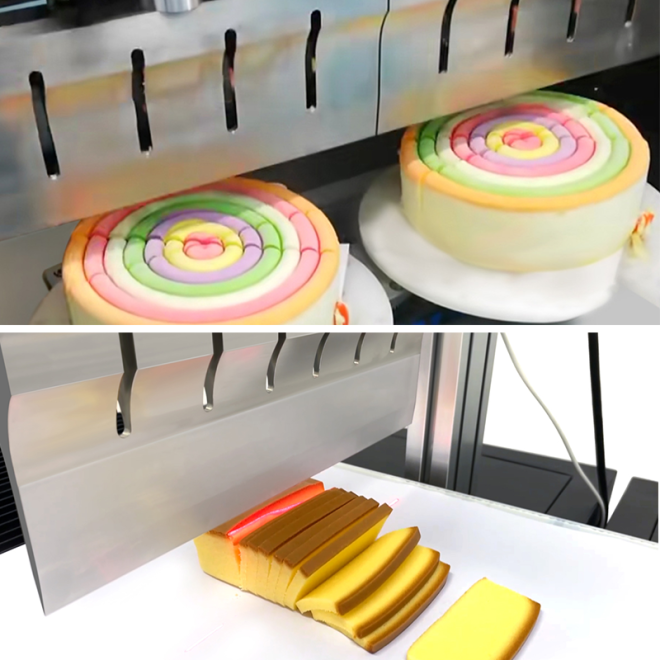
Table of Contents