




In modern laboratories and industrial settings, sonicators have become an essential tool for various applications, ranging from biological sample preparation to industrial cleaning. However, not all sonicators are created equal. Two popular variants, the probe sonicator and the general sonicator, often serve similar yet distinct purposes. This article will delve into the differences between these two types of sonicators, exploring their operational mechanisms, applications, advantages, limitations, and recent technological innovations.
Introduction to Sonicators and Probe Sonicators
● Overview of Sonicators
Sonicators are devices that use ultrasonic waves to agitate particles in a sample. They are widely used in laboratories for tasks like cell disruption, DNA shearing, and sample homogenization. By producing high-frequency sound waves, sonicators can effectively disrupt cell membranes and mix solutions at the molecular level.
● Brief Introduction to Probe Sonicators
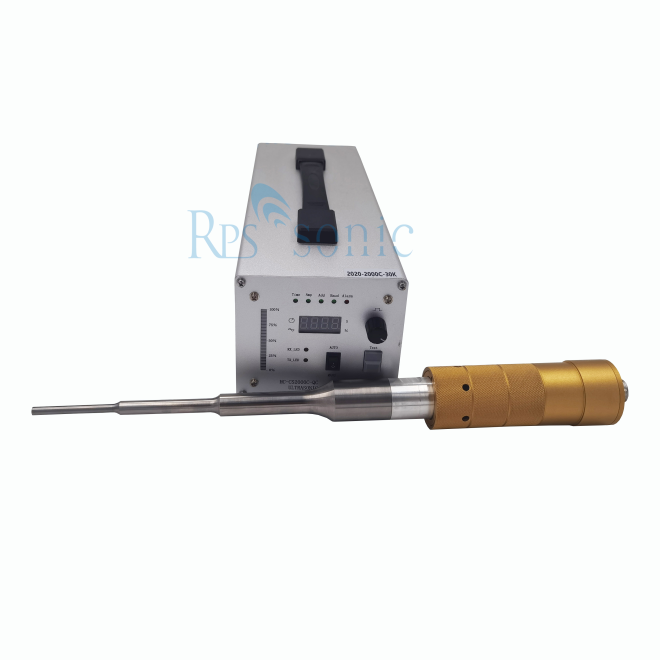
The probe sonicator, sometimes referred to as an ultrasonic homogenizer or tissue disruptor, differs from the general sonicator in its design and application. Unlike traditional sonicators that use a tank to generate ultrasonic waves, probe sonicators utilize a focused probe to deliver ultrasonic energy directly to the sample. This allows for more targeted and efficient processing, making probe sonicators a preferred choice for specific laboratory and industrial applications.
Operational Mechanisms of Sonicators
● How Sonicators Work
General sonicators typically comprise a tank filled with liquid, into which the sample is immersed. An ultrasonic generator produces a high-frequency electric signal, which is converted into ultrasonic waves by a transducer. These waves create cavitation bubbles in the liquid, which rapidly expand and collapse, producing intense shear forces that agitate and mix the sample.
● Role of Ultrasonic Waves
The ultrasonic waves generated by sonicators are pivotal in creating the mechanical vibrations needed for sample processing. These waves enhance the efficiency of cleaning, de-gassing, and mixing applications by penetrating the sample at a microscopic level. The resulting cavitation effect is crucial for breaking down particulates and ensuring thorough mixing of materials.
Understanding Probe Sonicators
● How Probe Sonicators Function
Probe sonicators operate by directly introducing a metal probe into the sample. The probe converts electrical energy into mechanical energy, emitting ultrasonic waves directly into the solution. This direct delivery of ultrasonic energy results in higher intensity cavitation and more effective processing, especially for viscous samples or those requiring precise control.
● Focused Ultrasonic Energy Delivery
The key advantage of probe sonicators lies in their ability to focus ultrasonic energy directly into the sample. This targeted approach minimizes energy loss and allows for faster processing times. Consequently, probe sonicators are highly effective for applications requiring high-intensity cavitation, such as cell lysis, nanoparticle dispersion, and emulsification.
Comparative Analysis: Power and Efficiency
● Power Output Differences
Probe sonicators are generally more powerful than their tank counterparts. They deliver high-intensity cavitation directly to the sample, enabling them to handle tough materials more efficiently. In contrast, the energy in a general sonicator is dispersed throughout the liquid in the tank, which can lead to reduced intensity and longer processing times.
● Efficiency in Various Applications
When it comes to efficiency, probe sonicators excel in applications that require precision and control. Their focused energy delivery makes them ideal for processes such as DNA fragmentation and nanoparticle synthesis. General sonicators, on the other hand, are more suited for bulk tasks like cleaning and de-gassing, where high precision is not as critical.
Applications of Probe Sonicators
● Common Uses in Laboratories and Industries
Probe sonicators are versatile tools with a range of applications. In biological settings, they are used for disrupting cell membranes and releasing cellular contents. In nanotechnology, they facilitate the dispersion of nanoparticles in liquids, ensuring even distribution and effective suspension.
● Biological and Nanotechnology Applications
In addition to cell disruption and nanoparticle dispersion, probe sonicators are invaluable in processes like emulsification, homogenization, and de-agglomeration. Their ability to deliver intense energy directly to the sample makes them suitable for preparing complex mixtures and enhancing reaction rates in nanotechnology applications.
Applications of General Sonicators
● Common Tasks Performed by Sonicators
General sonicators are workhorses in laboratories and industrial settings. They are commonly used for mixing and cleaning applications, where their ability to agitate solutions uniformly is beneficial. Sonicators also play a crucial role in preparing samples for analysis by ensuring consistent and thorough mixing.
● Cleaning, Mixing, and Sample Preparation
In industrial contexts, sonicators are employed for cleaning intricate parts and surfaces, removing contaminants with ultrasonic waves. They also aid in de-gassing liquids by removing dissolved gases, which is essential for certain analytical and manufacturing processes. For laboratories, sonicators facilitate sample preparation by ensuring homogenous mixtures that are ready for analysis.
Key Advantages of Probe Sonicators
● Specific Use Cases Where Probe Sonicators Excel
Probe sonicators are particularly effective in research applications that demand precise control and high-intensity processing. Their design allows for the treatment of small sample volumes with great efficiency, making them ideal for delicate and high-value samples where precise energy delivery is crucial.
● Benefits Over Traditional Sonicators
The primary advantages of probe sonicators over traditional sonicators are their power, precision, and versatility. Their ability to deliver focused ultrasonic energy directly into the sample enhances processing speed and effectiveness, even in challenging conditions. This makes them a valuable tool for tasks requiring intricate manipulation and control.
Limitations and Challenges of Each Type
● Challenges in Using Probe Sonicators
Despite their advantages, probe sonicators are not without their challenges. The direct contact of the probe with the sample can lead to issues like sample contamination and probe wear. Furthermore, they require careful handling and maintenance to prevent damage to the delicate probe tip.
● Limitations of General Sonicators
General sonicators, while efficient for bulk tasks, are limited by their energy dispersion. This can result in longer processing times and reduced intensity, especially for dense or viscous samples. Additionally, the reliance on tank volumes makes them less suitable for small-scale or high-precision applications.
Technological Innovations in Sonicators
● Recent Advancements in Sonication Technology
The field of sonication technology has seen numerous innovations, particularly in enhancing the efficiency and versatility of sonicators. Improvements in generator technology and transducer design have resulted in more energy-efficient devices that offer better control over frequency and intensity.
● Future Trends in Probe and General Sonicators
Looking ahead, the sonication industry is poised for further advancements in automation and integration with digital technologies. This includes the development of smart sonicators with programmable settings, remote monitoring capabilities, and enhanced data analysis features. These innovations promise to expand the applicability and ease of use for both probe and general sonicators.
Conclusion: Choosing the Right Sonicator
● Factors to Consider in Selecting a Sonicator
When choosing between a probe sonicator and a general sonicator, it is essential to consider the specific requirements of your application. Factors such as sample volume, desired processing intensity, and precision needs should guide your decision. Probe sonicators are ideal for applications requiring targeted energy delivery, while general sonicators are better suited for bulk processing and cleaning tasks.
● Summary of Differences and Final Recommendations
In summary, the choice between a probe sonicator and a general sonicator boils down to the desired application and processing needs. Probe sonicators offer power and precision, making them suitable for specialized tasks, while general sonicators provide versatility for a wide range of applications. Carefully assess your requirements to select the most appropriate sonicator for your needs.
About Powersonic
Powersonic, under the Rps-sonic brand, comprises passionate individuals dedicated to advancing ultrasonic technology. With a commitment to finding the right product for each customer, Rps-sonic focuses on understanding application details and providing tailored solutions. Founded by seasoned professionals, the company offers expertise in transducers and generators, ensuring compatibility with major brands. Whether you need OEM services or expert advice on ultrasonic equipment, Rps-sonic, under the Powersonic name, is your trusted partner in the ultrasonic industry. Contact Rps-sonic for all your ultrasonic needs.
