





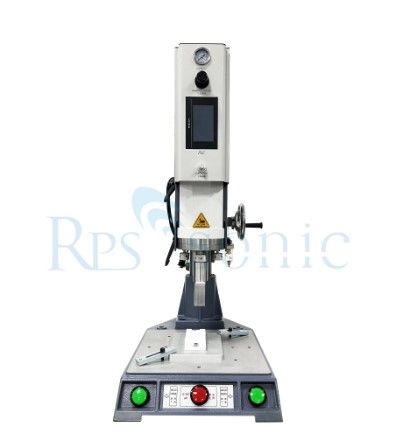
Ultrasonic welding machines have revolutionized the manufacturing industry, offering a high-tech solution for bonding materials, particularly plastics, with precision and efficiency. With a focus on automation and innovation, these machines are at the forefront of modern production processes across various industries worldwide. In this article, we will delve into the intricacies of ultrasonic welding machines, the diverse techniques employed, and their extensive applications. We will also highlight the prominence of China as a leading manufacturer and supplier, and conclude with an introduction to a company under the Powersonic brand.
1. Introduction to Ultrasonic Welding Machines
1.1 Functionality and Power Generation
Ultrasonic welding machines are designed to produce a high-voltage and high-frequency signal, typically at 20KHz or 15KHz, generated from a specialized ultrasonic welding generator. This signal is then transformed into high-frequency mechanical vibrations through a transducer system. The resulting energy facilitates the bonding process by creating frictional heat at the interface of two plastic components, causing them to melt and fuse together. This method is not only efficient but ensures a clean, strong, and permanent bond without the need for additional materials or adhesives.
1.2 Conversion of High-Frequency Signals
At the heart of every ultrasonic welding machine is the capability to convert electrical signals into mechanical vibrations. This conversion is critical to the welding process, as it allows for precise control over the energy applied to the workpieces. By focusing the ultrasonic energy at the welding interface, manufacturers can achieve a consistent and reliable bond, critical for high-quality production standards.
1.3 Application in Plastic Workpieces
One of the primary applications of ultrasonic welding machines is in the bonding of plastic components. The process is highly advantageous for industries requiring airtight and watertight seals, such as automotive, medical devices, and consumer electronics. By establishing a robust molecular chain at the interface, ultrasonic welding machines ensure that the welding strength is comparable to, or even surpasses, the compressive strength of the raw material itself.
2. The Ultrasonic Welding Process
2.1 Transformation of Ultrasonic Waves into Energy
Ultrasonic welding relies on the transmission of energy through ultrasonic waves, which are systematically converted into mechanical vibrations. These vibrations are responsible for heating the interface of the workpieces to the melting point, allowing them to bond seamlessly. This transformation is a testament to the precision and control that ultrasonic welding machines offer.
2.2 Role of Temperature and Pressure in Welding
Temperature and pressure are two critical factors in the ultrasonic welding process. The localized heat generated by the ultrasonic waves causes the materials to melt at their interface, while pressure is applied to ensure the components fuse completely. The control over these variables is what sets ultrasonic welding apart from other bonding techniques, providing a high-strength and durable bond.
2.3 Importance of Cooling and Shaping
After the ultrasonic waves cease, maintaining pressure is crucial to allow the bond to cool and solidify. This cooling phase is integral to the shaping and stabilization of the weld, ensuring a smooth and defect-free surface. Ultrasonic welding machines offer precise control over the cooling process, facilitating faster production cycles and higher-quality outputs.
3. Automation in Ultrasonic Welding Machines
3.1 Differences Between Automatic and Manual Machines
Ultrasonic welding machines are available in various configurations, ranging from manual to fully automated systems. Automatic welding machines are designed to enhance production efficiency and consistency, reducing the need for human intervention and minimizing errors. In contrast, manual machines require more operator involvement and are typically used for smaller-scale operations or specialized tasks.
3.2 Benefits for Modern Assembly Lines
Automation in ultrasonic welding machines offers numerous benefits for modern assembly lines. By integrating these machines into production processes, manufacturers can achieve higher throughput, reduced labor costs, and improved product quality. Automated systems are particularly beneficial in industries with high-volume production demands, ensuring consistent and repeatable results.
3.3 The Trend Towards Automation in Industries
The trend towards automation in manufacturing is driven by the need for efficiency and precision. Ultrasonic welding machines are at the forefront of this movement, providing automated solutions that cater to the evolving demands of industries worldwide. As technology advances, the integration of smart systems and IoT capabilities is expected to further enhance the capabilities of ultrasonic welding machines.
4. Welding Techniques in Ultrasonic Welding
4.1 Description of the Basic Welding Method
The basic welding method in ultrasonic welding involves using a welding head that vibrates at an ultrasonic ultra-high frequency. This vibration generates frictional heat at the interface of the plastic components, causing them to melt and fuse together. The weld achieved is comparable in strength to the original material, making it ideal for applications requiring durability and precision.
4.2 Achieving Tightness and Airtightness
One of the standout features of ultrasonic welding is its ability to achieve tight seals, critical in applications where airtightness is paramount. By precisely controlling the process parameters, manufacturers can create welds that prevent leaks and ensure the integrity of the product, a feature highly valued in industries like automotive and medical devices.
4.3 Efficiency and Cleanliness in Welding Processes
Ultrasonic welding is renowned for its efficiency and cleanliness. Unlike traditional welding methods that often require adhesives or solvents, ultrasonic welding produces minimal waste and eliminates the need for additional materials. This not only reduces costs but also minimizes environmental impact, aligning with sustainable manufacturing practices.
5. Riveting and Implantation Methods
5.1 Using Ultrasonic Waves for Riveting
Ultrasonic welding machines are not limited to joining flat surfaces; they also excel in riveting applications. By using ultrasonic waves to heat and deform plastic protrusions, manufacturers can create secure joints without the need for additional fasteners. This method is particularly advantageous for assembling complex components with intricate geometries.
5.2 Technique for Implanting Metal Parts into Plastic
The implantation technique involves embedding metal parts, such as nuts or screws, into plastic components using ultrasonic welding. The ultrasonic waves generate the necessary heat to soften the plastic, allowing the metal part to be inserted and held securely in place. This method enhances the mechanical properties of the assembly, providing robust performance in demanding applications.
5.3 Advantages Over Traditional Molding
Compared to traditional molding techniques, ultrasonic riveting and implantation offer several advantages. These methods allow for faster production cycles, reduced material usage, and improved joint integrity. Additionally, they enable the combination of dissimilar materials, expanding the possibilities for product design and functionality.
6. Forming and Cosmetic Applications
6.1 Overview of Forming Techniques
Forming techniques in ultrasonic welding involve reshaping plastic components around metal parts to create secure and aesthetically pleasing assemblies. This process is commonly used in industries such as electronics and cosmetics, where the appearance and functionality of the final product are equally important.
6.2 Applications in Electronics and Cosmetics
In the electronics industry, ultrasonic forming is utilized to encase delicate components, providing protection and enhancing the product's overall durability. In cosmetics, the process is used to join intricate components like lenses and mirrors, ensuring a flawless finish without compromising performance.
6.3 Benefits of Smooth Appearance and Stability
Ultrasonic forming techniques offer the dual advantage of creating a smooth, attractive appearance while ensuring structural stability. The precision of the process allows for tight tolerances and consistent results, meeting the high standards of industries that prioritize both aesthetics and functionality.
7. Advanced Welding Techniques
7.1 Separate Welding for Larger Workpieces
One of the advanced techniques in ultrasonic welding is the ability to weld larger workpieces separately. This approach involves welding smaller sections independently before combining them into a single assembly. It provides flexibility in manufacturing processes, enabling the production of complex and large-scale components.
7.2 Techniques Without Pre-Designed Welding Wires
Ultrasonic welding does not always require pre-designed welding wires or additional material, making it ideal for applications where such design features are impractical. This technique simplifies the manufacturing process and reduces costs, particularly in the production of larger or irregularly shaped components.
7.3 Simultaneous Welding of Multiple Pieces
The capability to weld multiple pieces simultaneously is a significant advantage of ultrasonic welding machines. This feature enhances production efficiency, allowing manufacturers to meet high-volume demands without compromising quality. It is especially beneficial in industries where time-to-market is crucial.
8. Applications Across Industries
8.1 Uses in the Toy and Stationery Industries
Ultrasonic welding machines find extensive applications in the toy and stationery industries, where they are used to assemble a variety of products, from plastic toys to office supplies. The precision and speed of ultrasonic welding make it ideal for these sectors, ensuring high-quality outputs at competitive costs.
8.2 Role in Home Appliances and Electronics
In the home appliance and electronics industries, ultrasonic welding machines are utilized for assembling components like electronic casings, battery housings, and small appliances. The ability to create strong, reliable bonds without adhesives is crucial in these sectors, where performance and durability are key considerations.
8.3 Implementation in Food and Communications Sectors
The food and communications industries also benefit from ultrasonic welding machines, particularly in packaging and assembly applications. For instance, airtight seals are essential in food packaging to preserve freshness, while in communications, precise assembly of components is critical for device performance.
9. Ultrasonic Welding in Daily Necessities
9.1 Application in Everyday Products
Ultrasonic welding machines play a vital role in the production of daily necessities, from cosmetic mirrors to insulated water cups. These machines ensure that everyday products are manufactured with precision, enhancing their functionality and durability.
9.2 Importance in Airtight and Insulated Items
For products requiring airtight or insulated properties, ultrasonic welding machines are indispensable. The ability to create seamless bonds without compromising material integrity is crucial in producing items like airtight containers and insulated beverage holders.
9.3 Examples of Items Benefiting from Ultrasonic Welding
Numerous products benefit from ultrasonic welding, including food packaging materials, car lampshades, and even water tank seals. The technique's versatility and effectiveness make it a preferred choice for manufacturers seeking to enhance product performance and longevity.
10. Future Prospects of Ultrasonic Welding
10.1 Innovations and Advancements in Welding Technology
The future of ultrasonic welding is rife with potential as innovations in technology continue to emerge. Advancements in smart systems and IoT integration are expected to enhance the capabilities and efficiency of ultrasonic welding machines, allowing for greater precision and control.
10.2 Potential Industries for Future Applications
Ultrasonic welding machines are poised for expansion into new industries, including aerospace, medical devices, and renewable energy. The versatility of these machines and their ability to create strong, reliable bonds make them invaluable across various emerging sectors.
10.3 Challenges and Opportunities in Adopting Ultrasonic Welding
While ultrasonic welding presents numerous benefits, challenges remain, such as the need for skilled operators and the initial investment in technology. However, the opportunities for cost savings, improved product quality, and streamlined production processes make it an attractive option for companies worldwide.
Introducing Powersonic: A Leader in the Ultrasonic Industry
Powersonic, under the Rps-sonic brand, is comprised of passionate young professionals with extensive experience in the ultrasonic industry. The founding members, holding Bachelor's degrees or higher, have dedicated over five years to mastering ultrasound technology. Powersonic prides itself on offering tailored solutions to its clients, ensuring that each product is suited to specific customer needs. Originally focused on selling renowned ultrasonic welding equipment brands like Branson, Dukane, and Rinco, Powersonic has since expanded to manufacture its own transducers and generators. Committed to excellence, they provide OEM services, helping clients understand ultrasonic technology better, reduce costs, and optimize equipment performance.