




Supplier for Ultrasonic Rotary Welding Solutions
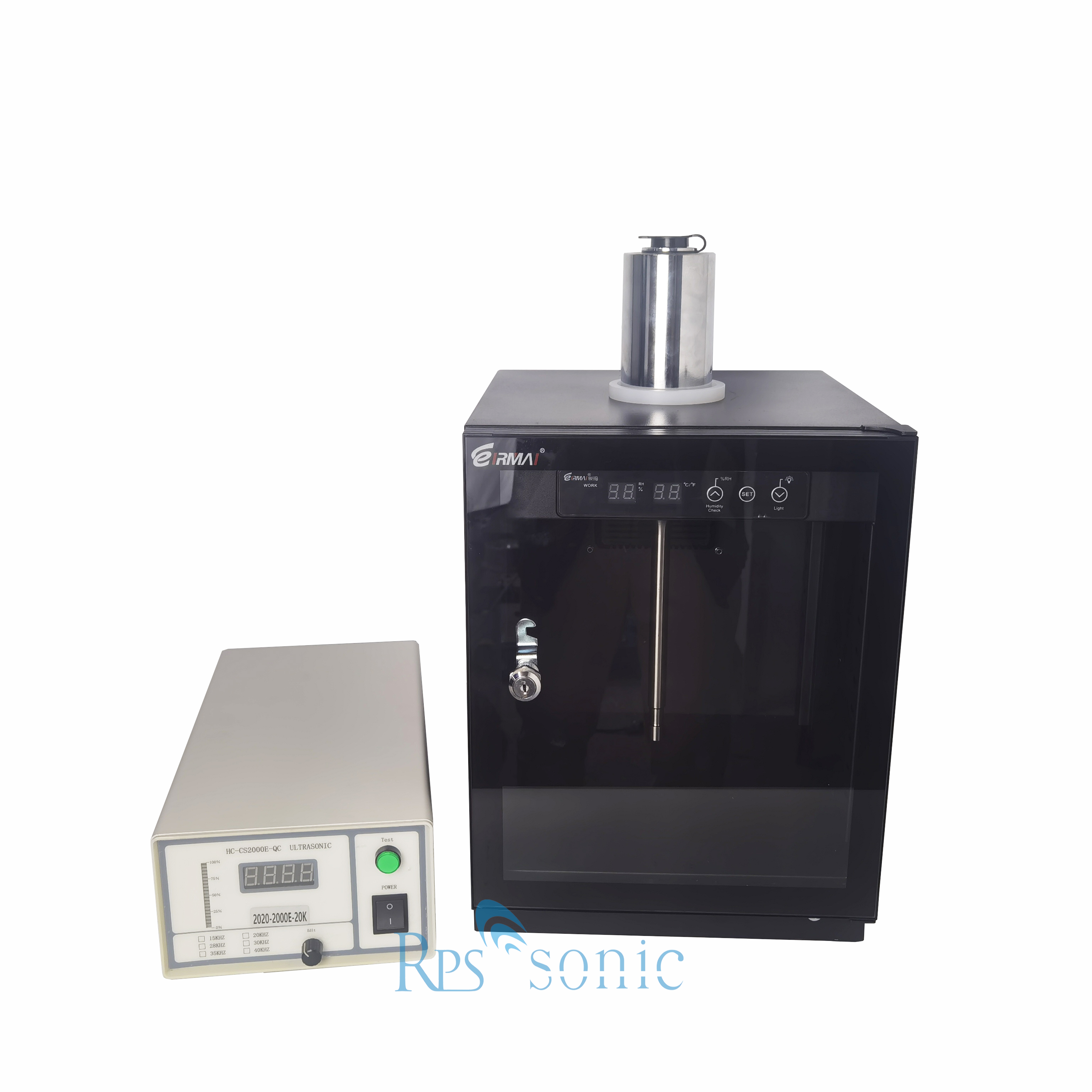
Product Main Parameters
| Frequency | 20Khz |
| Power | 1000W |
| Voltage | 220-240V, 50/60Hz |
| Generator | Digital |
| Horn Material | Titanium Alloy |
| Horn Size | 13-25mm |
| Weight | 25kg |
Common Product Specifications
| Frequency Adjustment | Auto-tracking type |
| Max. Power Output | 1000W |
| Power Output | Infinitive adjustment |
| Amplitude | 20-100% |
| Process Capacity | 5L in max |
Product Manufacturing Process
The manufacturing process of ultrasonic rotary welding equipment involves several critical stages: design, material selection, component manufacturing, assembly, and testing. During the design phase, engineers utilize advanced CAD software to create detailed schematics ensuring optimal performance and compatibility with various applications. Titanium alloys are often selected for the horn due to their strength and acoustic properties. Precision machining ensures the components meet exact specifications, crucial for maintaining resonance and efficiency. The assembly process is meticulously controlled, with each unit undergoing rigorous testing to verify functionality, durability, and compliance with safety standards. The entire process culminates in a product that upholds the high reliability and performance standards synonymous with leading suppliers in the ultrasonic rotary welding industry.
Product Application Scenarios
Ultrasonic rotary welding is employed across multiple industries due to its efficient bonding capabilities and precision. In the automotive sector, it is used for assembling dashboard components, door panels, and other thermoplastic parts, ensuring strong, durable joints. The medical device industry leverages ultrasonic rotary welding for manufacturing clean and precise assemblies, such as filters and catheters. Packaging applications include sealing blister packs and creating airtight seals, making it ideal for preserving product integrity. The technology's speed and reliability make it a preferred method in industries requiring high productivity and stringent quality control. With ongoing advancements, the scope of applications for ultrasonic rotary welding continues to expand, highlighting its significance for modern manufacturing processes.
Product After-Sales Service
Our supplier network provides comprehensive after-sales support for ultrasonic rotary welding equipment. This includes technical assistance, troubleshooting, and replacement parts availability. We ensure our customers receive thorough training and user manuals to maximize the performance and longevity of their equipment. In the event of malfunctions, our team offers timely diagnostics and repair services. Customer satisfaction is paramount, and we are dedicated to resolving any issues promptly, maintaining the high standards expected from a leading ultrasonic rotary welding supplier.
Product Transportation
Products are shipped using secure packaging to prevent damage during transit. We collaborate with reputable logistics partners to ensure timely delivery globally. Each shipment includes tracking information, allowing customers to monitor the delivery status. Additionally, our supplier network supports various shipping options, including express services, to meet urgent needs.
Product Advantages
- Speed and Efficiency: Rotary motion combined with ultrasonic vibrations reduces cycle times, increasing throughput.
- Improved Joint Quality: Uniform application of heat and pressure ensures strong, reliable welds.
- Flexibility: Capable of joining a variety of materials, including complex geometries.
- No Need for Consumables: Eliminates the need for adhesives, reducing costs and environmental impact.
- Energy Efficiency: Generates heat only at the interface for a short duration, conserving energy.
Product FAQ
- What is the lifespan of an ultrasonic transducer? An ultrasonic transducer from a reliable supplier can last anywhere from 5 to 30 years depending on usage and maintenance. Routine checks and proper handling can extend its efficiency, ensuring optimal performance in ultrasonic rotary welding applications.
- How does ultrasonic rotary welding benefit the automotive industry? Ultrasonic rotary welding offers quick, robust, and precise bonding solutions for automotive components such as dashboards and door panels. Its ability to produce strong joints without added materials makes it a preferred choice among automakers seeking efficiency and reliability.
- Are there specific materials best suited for ultrasonic rotary welding? While ultrasonic rotary welding is versatile, it excels in joining thermoplastics and certain metals. The process is particularly suited for materials that require precise bonding and minimal environmental impact, as it does not utilize additional adhesives.
- What kind of maintenance is required for ultrasonic welding equipment? Regular maintenance includes cleaning the horn, checking connections, and ensuring settings are configured correctly. A supplier typically provides detailed guidelines to prevent unnecessary wear and extend equipment lifespan, crucial for maintaining efficiency in ultrasonic rotary welding processes.
- Can ultrasonic rotary welding be used for large components? Although effective for many applications, ultrasonic rotary welding might be limited for very large or thick components due to vibrational penetration constraints. Consulting with a supplier can help determine the appropriate technology for specific project needs.
- What safety measures are necessary when operating ultrasonic welding machines? Safety measures include wearing appropriate protective gear, ensuring the workspace is equipped with sound-dampening materials, and following the supplier’s operational guidelines closely to prevent accidents and equipment damage during ultrasonic rotary welding.
- How does ultrasonic rotary welding compare to traditional welding methods? Ultrasonic rotary welding offers cleaner, faster processes without the need for filler materials. It’s particularly advantageous in applications where traditional welding might risk material distortion or require solvents, presenting a sustainable alternative from an experienced supplier.
- What are the environmental benefits of ultrasonic rotary welding? Ultrasonic rotary welding reduces the need for adhesives and solvents, minimizing environmental impact. Furthermore, its energy-efficient nature lowers operational costs while supporting eco-friendly manufacturing, a priority for modern suppliers.
- Is training required to operate ultrasonic rotary welding equipment? Yes, training is essential to maximize efficiency and ensure safe operation. Suppliers often provide training sessions to help users understand the equipment's functionality, maintenance, and troubleshooting, integral to effective ultrasonic rotary welding.
- How can ultrasonic rotary welding contribute to cost savings? By eliminating the need for consumables and reducing cycle times, ultrasonic rotary welding can decrease production costs. Additionally, its energy efficiency and low maintenance requirements contribute to long-term savings, making it a cost-effective solution from reputable suppliers.
Product Hot Topics
- The Rise of Ultrasonic Rotary Welding in Modern Manufacturing
With sustainability becoming increasingly crucial, ultrasonic rotary welding offers a cleaner, more efficient alternative to traditional welding methods. By leveraging ultrasonic vibrations combined with rotary motion, manufacturers can achieve faster cycle times and stronger joints without relying on additional materials or adhesives. This method significantly reduces waste and emissions, aligning with global efforts toward greener production processes. As industries continue to prioritize environmental considerations, ultrasonic rotary welding is expected to become a staple in manufacturing, revolutionizing how products are assembled across various sectors including automotive, medical devices, and packaging.
- Exploring the Versatility of Ultrasonic Rotary Welding Techniques
Ultrasonic rotary welding is not only about joining thermoplastics; its applications extend to complex metallic structures as well. This versatility allows suppliers to cater to a wide range of industries, each with unique demands for precision and durability. The ability to weld diverse materials opens new avenues for innovation, enabling manufacturers to design custom solutions tailored to specific requirements. As this technology continues to evolve, we anticipate new breakthroughs that will further enhance its capabilities, cementing ultrasonic rotary welding as a vital component in the toolkit of modern manufacturers aiming for both quality and efficiency.
- How Suppliers are Innovating with Ultrasonic Rotary Welding Solutions
The competitive landscape of ultrasonic rotary welding has driven suppliers to innovate, focusing on enhancing machine capabilities and customization options. These advancements include improved digital interfaces for easier operation, adaptive control systems for better efficiency, and intelligent feedback mechanisms that provide real-time insights into weld integrity. Suppliers are also investing in research to expand the material compatibility and discover new applications, ensuring that businesses across various industries can maximize the benefits of ultrasonic rotary welding for their specific needs. This continuous innovation underscores the crucial role of suppliers in advancing manufacturing technology.
- Maximizing Efficiency with Ultrasonic Rotary Welding Techniques
Efficiency is of paramount importance in manufacturing, and ultrasonic rotary welding is well-positioned to deliver on this front. By drastically reducing cycle times and minimizing material waste, this technique supports streamlined production processes that cater to high-demand environments. Suppliers are focused on developing solutions that not only enhance machine performance but also integrate seamlessly into existing production lines, allowing businesses to scale operations without significant disruptions. Through strategic collaboration with expert suppliers, manufacturers can optimize their ultrasonic rotary welding setups to achieve unprecedented levels of efficiency and productivity.
- Environmental Advantages of Ultrasonic Rotary Welding
In the age of sustainability, ultrasonic rotary welding represents a pivotal shift towards reducing industrial environmental footprints. Unlike traditional methods, it eliminates the need for harmful adhesives and excess heat, leading to lower emissions and waste. Suppliers play a critical role in promoting these benefits by offering customizable solutions that align with eco-friendly production goals. As industries strive to meet stringent environmental regulations, the appeal of ultrasonic rotary welding lies in its ability to deliver both high-quality results and sustainable practices, making it an attractive choice for manufacturers committed to environmental stewardship.
- The Role of Suppliers in Advancing Ultrasonic Rotary Welding Technology
Suppliers are at the forefront of evolving ultrasonic rotary welding technology, driving advancements that redefine manufacturing possibilities. By investing in research and development, they are able to introduce innovative components that improve efficiency, precision, and versatility. The development of sophisticated control systems and enhanced material compatibility has been instrumental in broadening the scope of applications. Suppliers’ commitment to pushing the boundaries of this technology ensures that ultrasonic rotary welding remains a key solution for manufacturers seeking cutting-edge assembly methods.
- Economic Impact of Ultrasonic Rotary Welding on Manufacturing
The economic advantages of ultrasonic rotary welding extend beyond material savings. By increasing throughput and reducing overhead costs associated with traditional welding processes, this method contributes to significant financial benefits for manufacturers. Suppliers are integral in offering tailored solutions that optimize welding operations, allowing businesses to streamline production lines and improve bottom-line performance. As global markets continue to demand cost-effective production strategies, ultrasonic rotary welding stands out as a valuable investment, driving economic growth across industries.
- Future Trends in Ultrasonic Rotary Welding Technology
As technology continues to advance, the future of ultrasonic rotary welding is poised for exciting developments. Emerging trends indicate a shift towards more automated and intelligent systems, offering enhanced precision and control. Suppliers are expected to play a crucial role in this evolution by providing insights and solutions that cater to the needs of modern manufacturers. Innovations such as real-time data analytics, predictive maintenance, and integration with Industry 4.0 practices are likely to become standard features, propelling ultrasonic rotary welding to new heights in terms of efficiency and application breadth.
- Overcoming Challenges in Ultrasonic Rotary Welding Implementation
Despite its numerous advantages, ultrasonic rotary welding presents challenges that manufacturers must address to maximize its potential. Initial equipment costs and the need for skilled operators can pose barriers to adoption. Suppliers are instrumental in providing support, from offering training programs to developing cost-effective solutions that lower entry thresholds. By working closely with suppliers, businesses can navigate these challenges, leveraging ultrasonic rotary welding to enhance production capabilities and gain a competitive edge in their respective markets.
- Collaborative Innovations in Ultrasonic Rotary Welding
Collaboration between suppliers and manufacturers is essential for advancing ultrasonic rotary welding technology. Joint research initiatives lead to breakthroughs that expand application possibilities and improve process outcomes. These collaborations often result in customized solutions that address specific industry challenges, ensuring that ultrasonic rotary welding remains relevant and adaptable. As industries evolve, the synergy between suppliers and manufacturers will continue to drive innovations, making ultrasonic rotary welding an indispensable tool for achieving technological and operational excellence.
Image Description

Q1.What kind material of the horn?
A. Titanium alloy, we also customized aluminum hom for customer before.
Q2.What’s the time of delivery?
A. For Conventional hom, 3 days, for customized hom 7 work days.
Q3.Does ultrasonic extraction also require the addition of a chemical catalyst?
A. No . but some time need Mechanical stiring.
Q4.Can the device work continously?
A. Yes ,it can work 24hours continously.
Q5.What’s the Processing capacity of one set ultrasonic extraction equipment?
A. Different hor different Processing capacity, for 2000W Nine section whip horm can dealing 2L~10Lmin.
Q6.What’s the warranty of your sonicator equipment?
A. All equipment one year warranty.
-

2020 wholesale price Ultrasonic Cutter For Fabric - Hand held ultrasonic cutting with oscillating tangential cutting blades – Powersonic
-
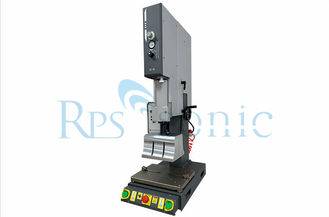
One of Hottest for Ultrasonic Cnc Machine - High Power Ultrasonic Welding Tool 15khz 5000W High Precision – Powersonic
-
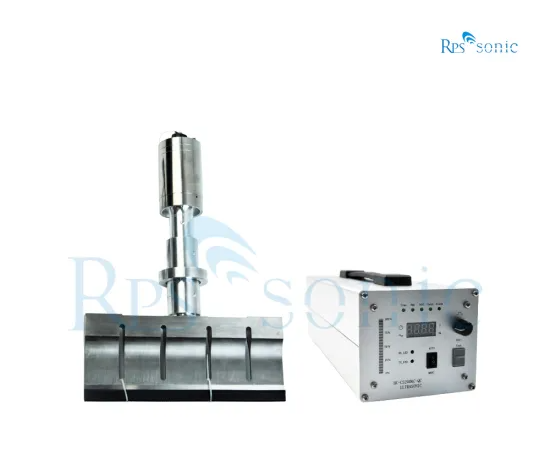
2020 wholesale price Ultrasonic Cutter For Fabric - 20Khz 1000w Ultrasonic Cutting Machine For Hard and soft cheeses Cutting – Powersonic
-
Renewable Design for Sound Intensity Measurement Instrument - High Power Ultrasonic Welding Tool 15khz 5000W High Precision – Powersonic
-
Factory making Ultrasonic Plastic Welding Machine Manufacturers In China - 28khz 800w Portable Alloy horn Ultrasonic Spot Welding Machine – Powersonic
-

Advanced 28Khz Lab Ultrasonic Sonicator for Ultrasonic Aging and Emulsification