




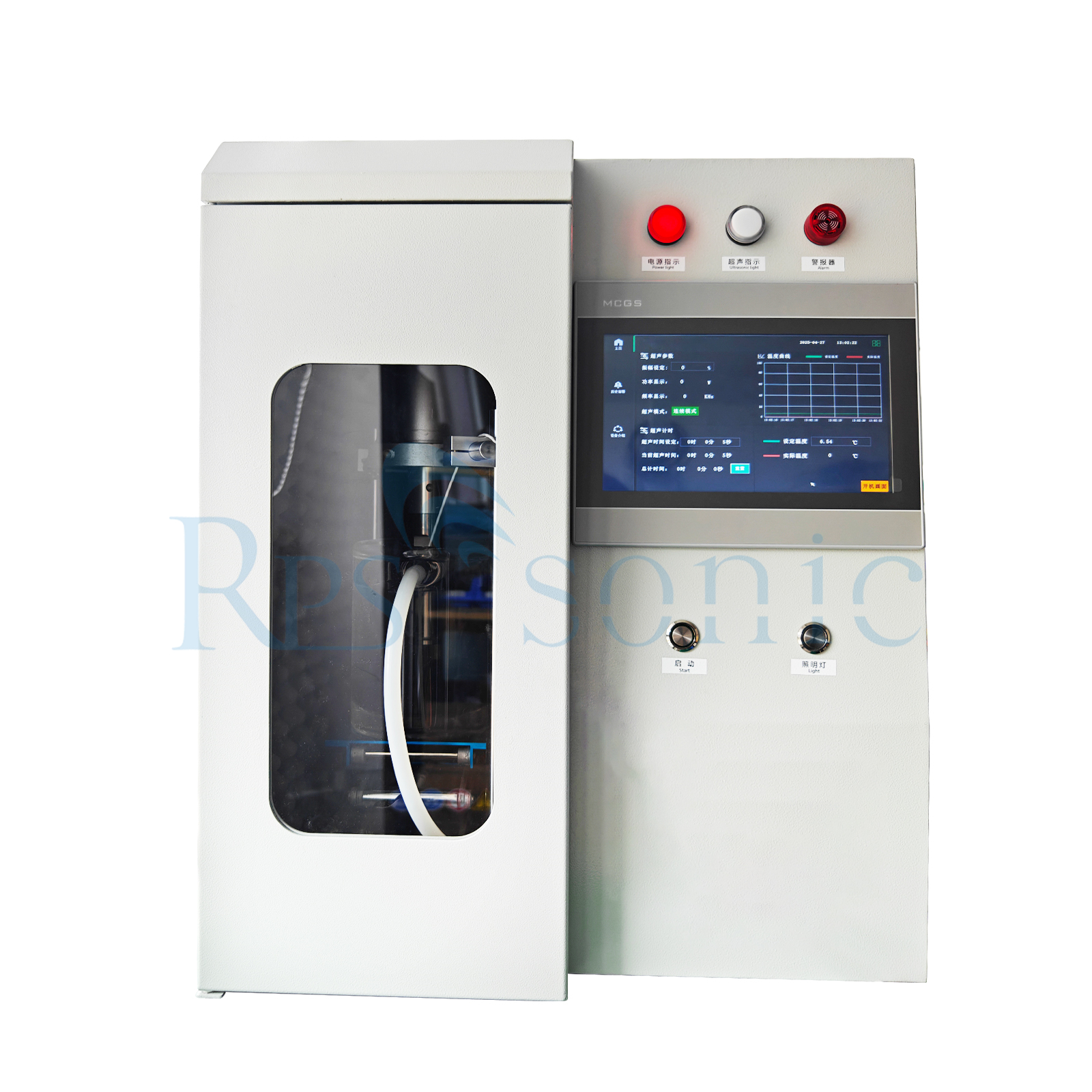
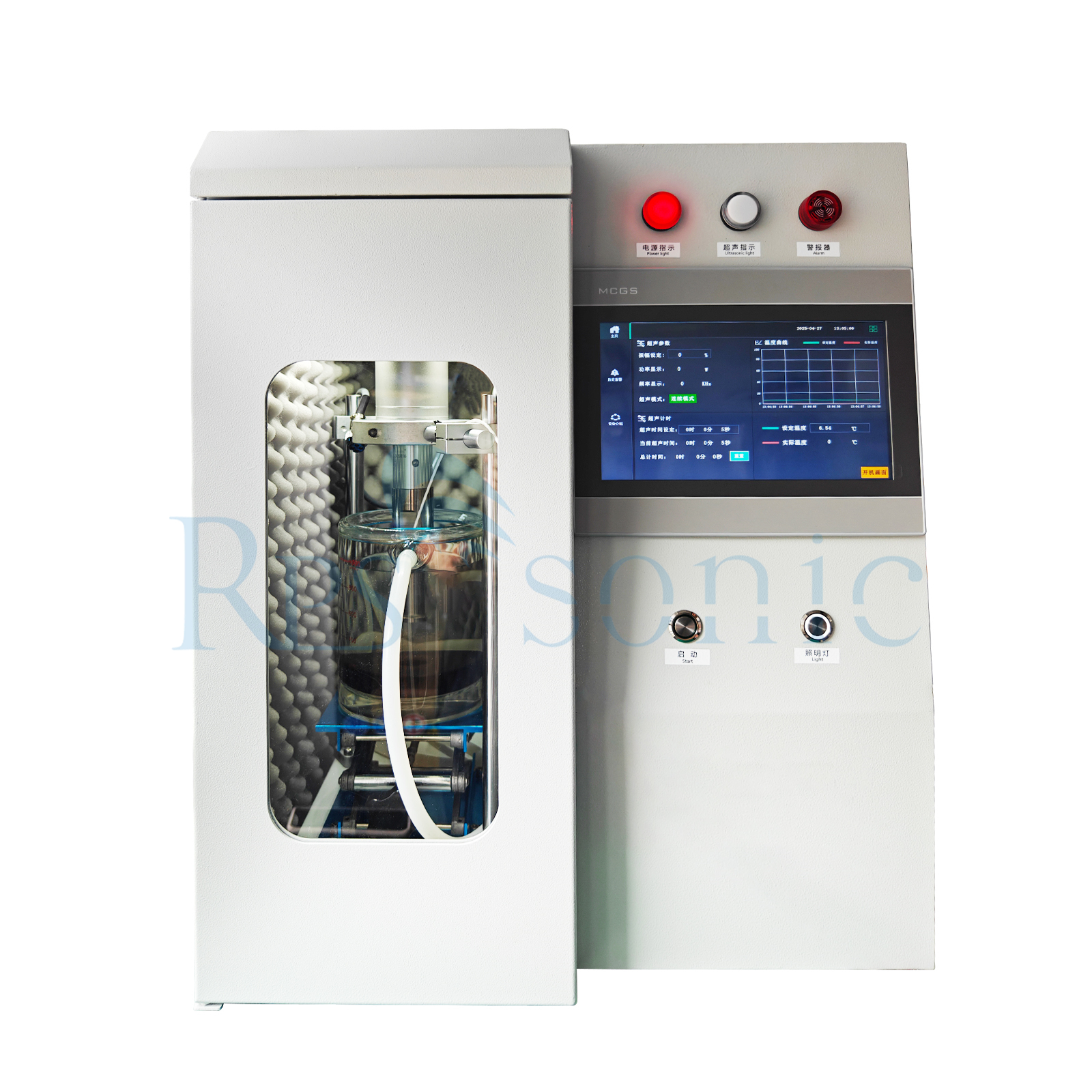
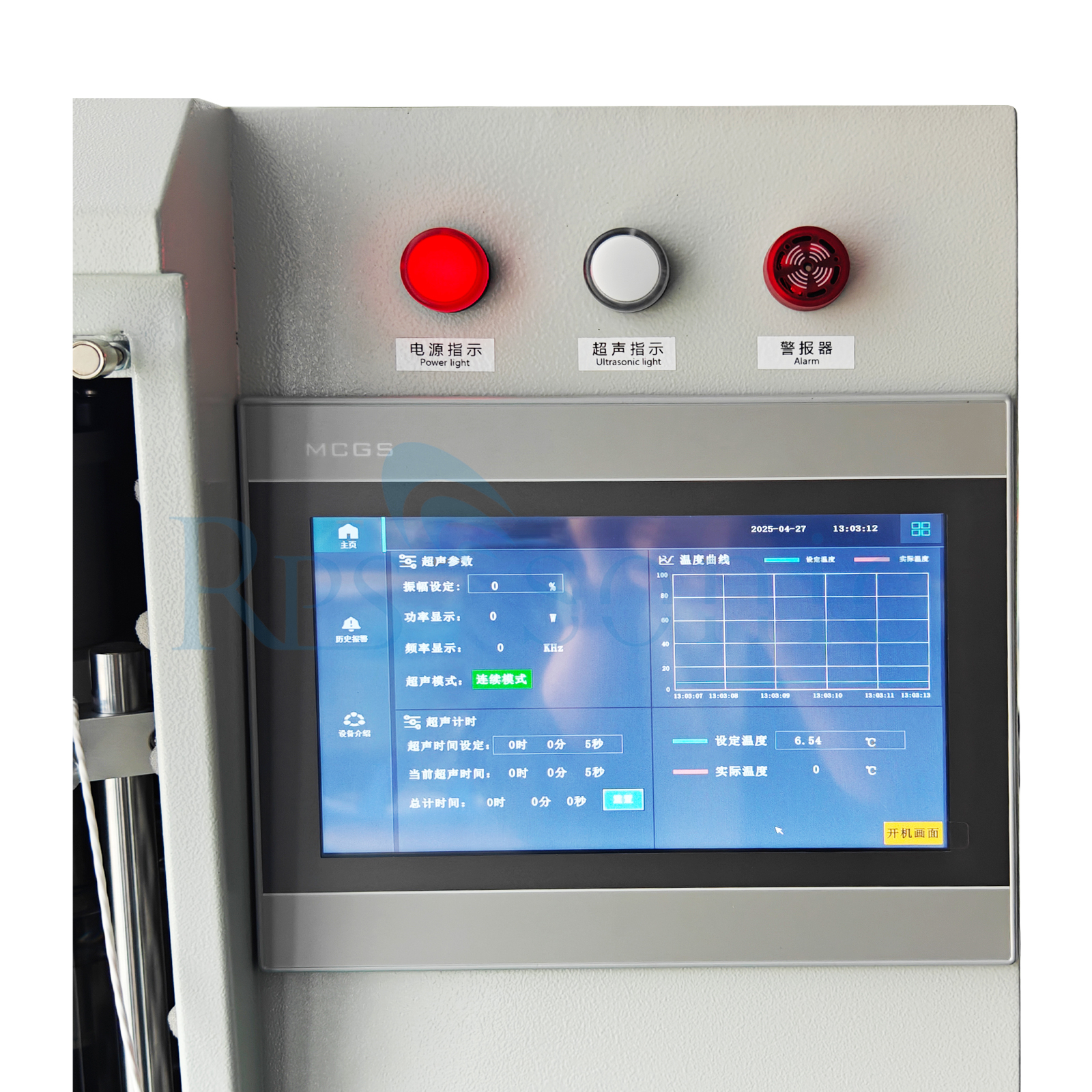
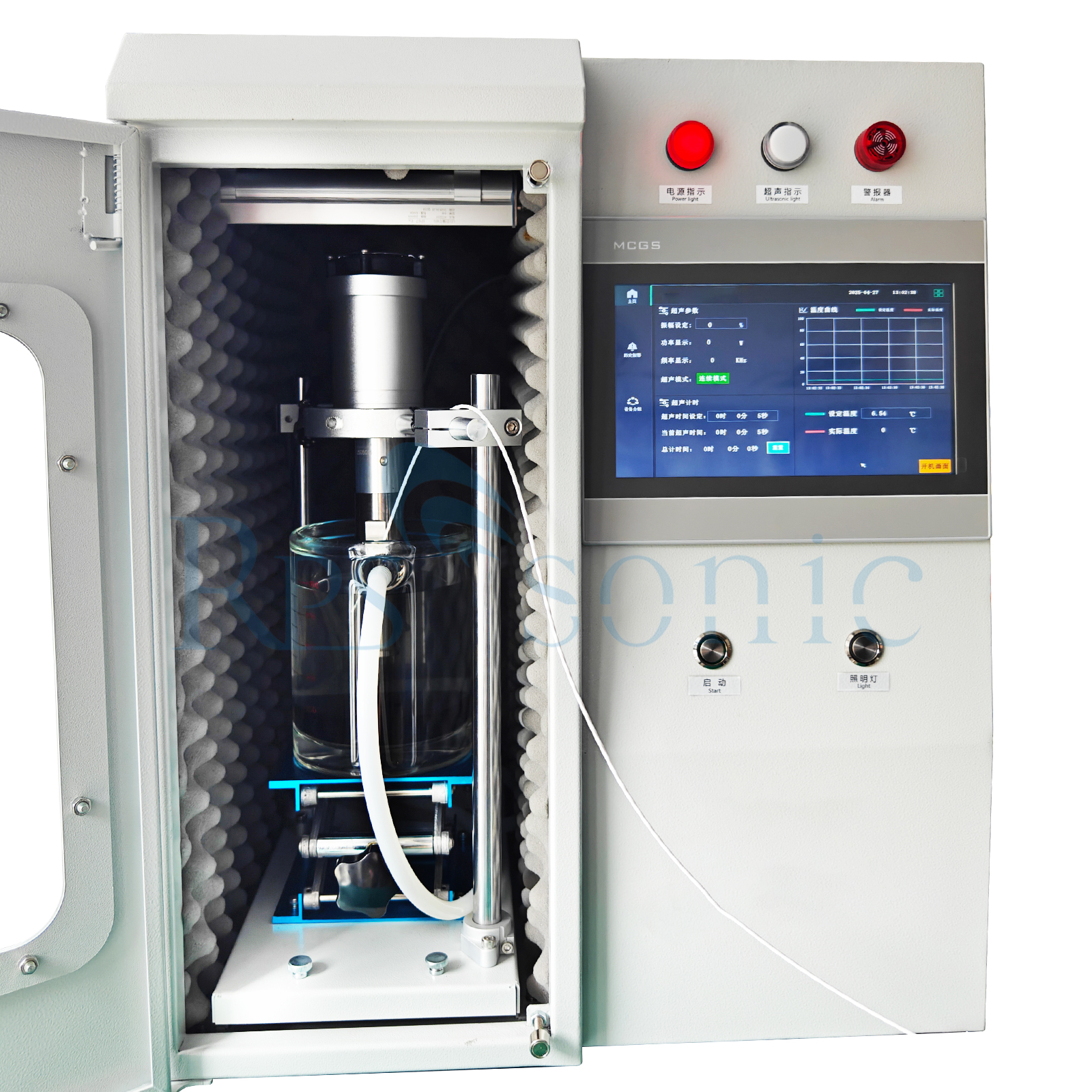
Ultrasonic cavitation equipment ultrasonic homogenizer
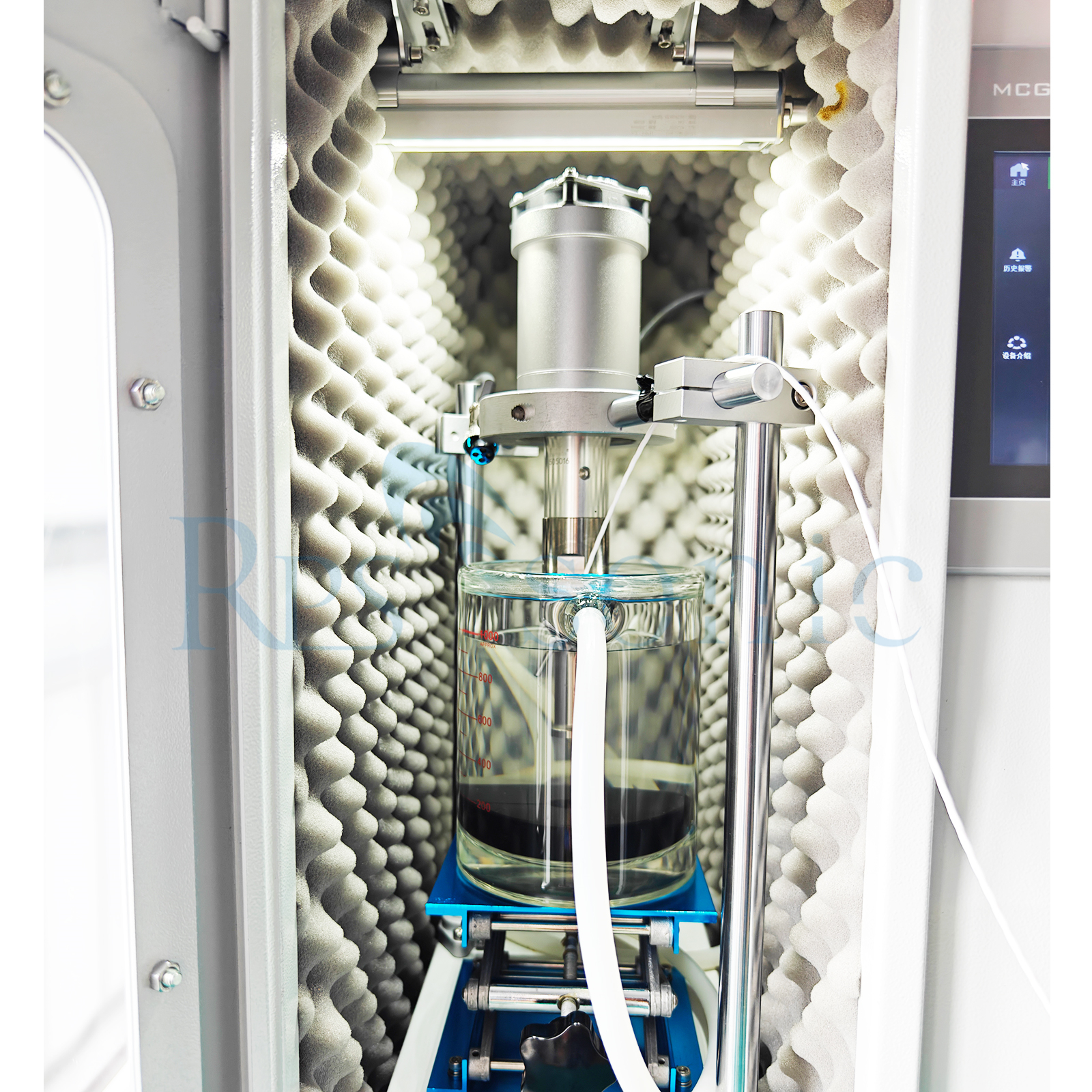
| Item | Parameter |
| Frequency | 20kHz |
| Power | 1000~2500watt |
| Capacity | 200-500ml |
| Amplitude | 10-99% |
| Power supply | 220v/50-60Hz |
| Horn material | Titanium alloy |
| Horn size | Customized |
| Tank capacity | 200-500ml |
| Tank material | Tempered glass reaction cup |
| Gnerator | Digital type |
| Frame material | SS304 |
| Optional | Water bath,chiller |
Ultrasonic cavitation equipment is a device that uses the ultrasonic cavitation effect to operate. It uses high-frequency ultrasonic vibrations (usually between 20 kHz and 1 MHz) to produce drastic alternations of high and low pressures in the liquid, thereby triggering the rapid generation, expansion and violent rupture of cavitation bubbles. This process releases huge energy and can be applied to a variety of industrial and scientific scenarios.
Core Principle
Ultrasonic vibration: The device converts electrical energy into high-frequency mechanical vibration through a transducer and transmits it to the liquid.
Cavitation effect: Ultrasonic waves cause a sudden drop in local pressure of the liquid, forming tiny bubbles (cavitation bubbles); when the pressure is restored, the bubbles collapse instantly, generating high temperature (locally thousands of degrees Celsius), high pressure (thousands of atmospheres) and high-speed microjets.
Energy release: The energy released by the bursting of bubbles can destroy the structure of materials, promote chemical reactions or achieve efficient cleaning.
Main application areas
Industrial cleaning:
Remove stubborn stains, grease or particles from the surface of precision parts, electronic components and medical devices, especially suitable for cleaning complex structures.
Material processing:
Nanomaterial dispersion (such as graphene, carbon nanotubes) or metal surface treatment (removal of oxide layer, polishing).
Environmental protection:
Degradation of organic pollutants in wastewater (such as dyes, pesticides), or treatment of microplastics.
Biology and medicine:
Cell disruption (extraction of intracellular components), preparation of drug delivery systems, or auxiliary chemical reactions (such as homogenization and emulsification).
Laboratory research:
Accelerate chemical reactions (sound chemistry), simulate extreme physical conditions.
Advantages
●Non-contact processing: avoid physical damage.
●Efficient and energy-saving: cavitation effect concentrates energy and reduces consumables.
●Environmental protection: reduce the use of chemical cleaning agents.
●Fine operation: suitable for micron/nano-level processing.
1.What types of samples can be processed with ultrasonic homogenizers?
Ultrasonic homogenizers can process a wide range of samples, including biological tissues, cells, microorganisms, plant material, pharmaceutical formulations, emulsions, suspensions, and various types of liquids.
2.Are there different sizes and power options available for ultrasonic homogenizers?
Yes, ultrasonic homogenizers come in various sizes and power options to accommodate different sample volumes and processing requirements. They range from small handheld devices for small-scale applications to larger benchtop or industrial-scale systems.
3.How do I choose the right ultrasonic homogenizer for my application?
When choosing an ultrasonic homogenizer, consider factors such as sample volume, processing time, frequency and power settings, sample type, and the specific application requirements. Consulting with the manufacturer or supplier can help in selecting the most suitable device.
4.Can ultrasonic homogenizers be used in combination with other techniques?
Yes, ultrasonic homogenizers can be used in combination with other techniques to enhance the efficiency and effectiveness of sample processing. For example, they can be used in conjunction with enzymatic treatments, mechanical agitation, or temperature control methods to achieve specific results.
5.What is more important when choosing the appropriate device - power rating or amplitude?
Power output is not the sole criterion for selecting the ultrasonic homogeniser. This value only indicates the power of the ultrasonic generator but not the energy delivered into the sample. The amplitude at the radiating surface of the probe is the determining factor while considering the sample volume. RPS-SONIC homogenisers provide higher amplitudes than comparable devices in the market due to an optimal matching of all components.
-
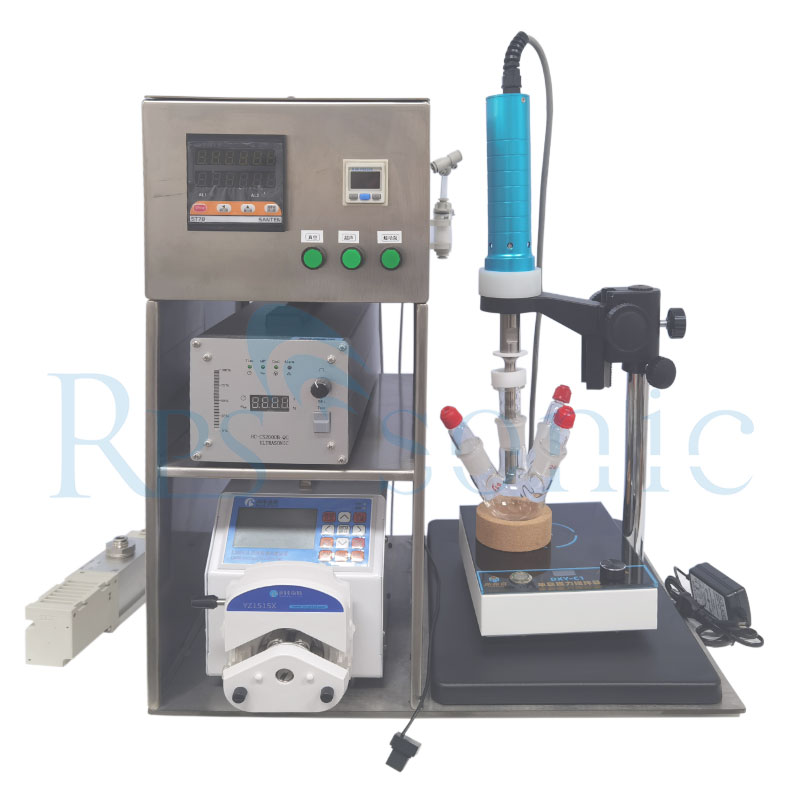
Customized 28Khz lab ultrasonic cell disruption equipment ultrasonic degassing
-

20Khz 110-3122 dukane converter for ultrasonic welding system
-
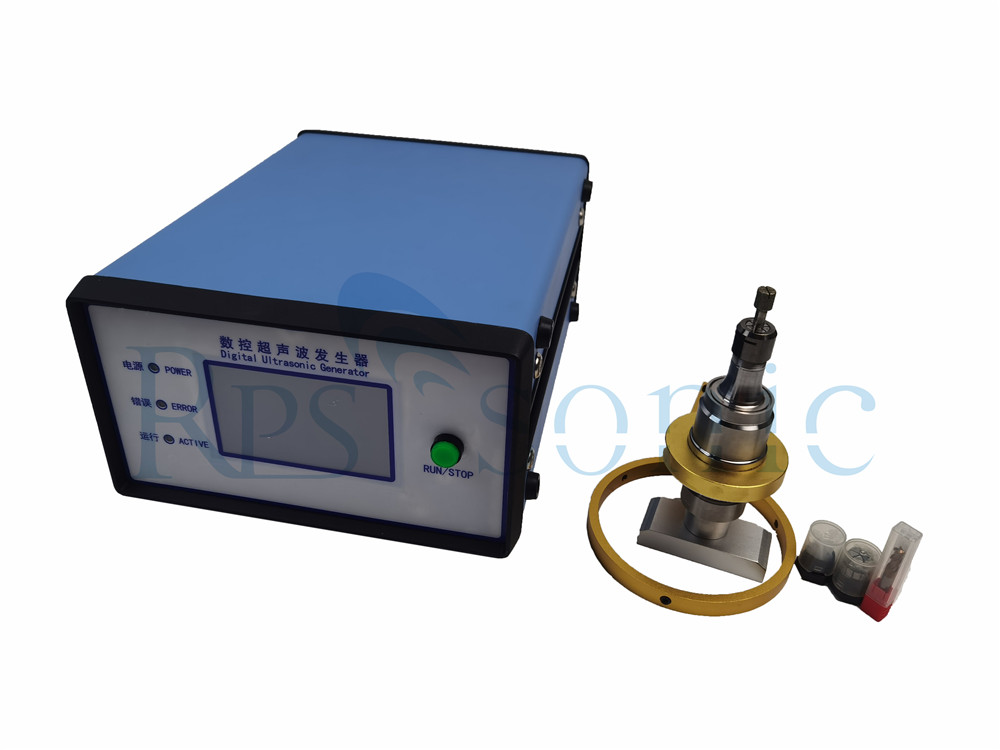
20Khz high-precision Ultrasonic milling and grinding equipment for ceramics and glass cutting
-
Ultrasonic horn for ultrasonic bumper welding with titanium horn
-
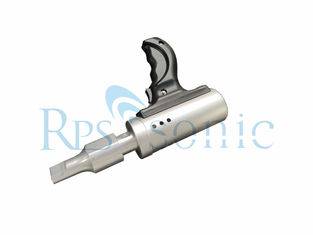
Hand held Ultrasonic Welding Gun With Customized Horn 35khz
-

305mm Ultrasonic Cake Cutting Knife For Sticky Food Cutting