




1000W Lab Type Ultrasonic Homogenizer with Temperature Control

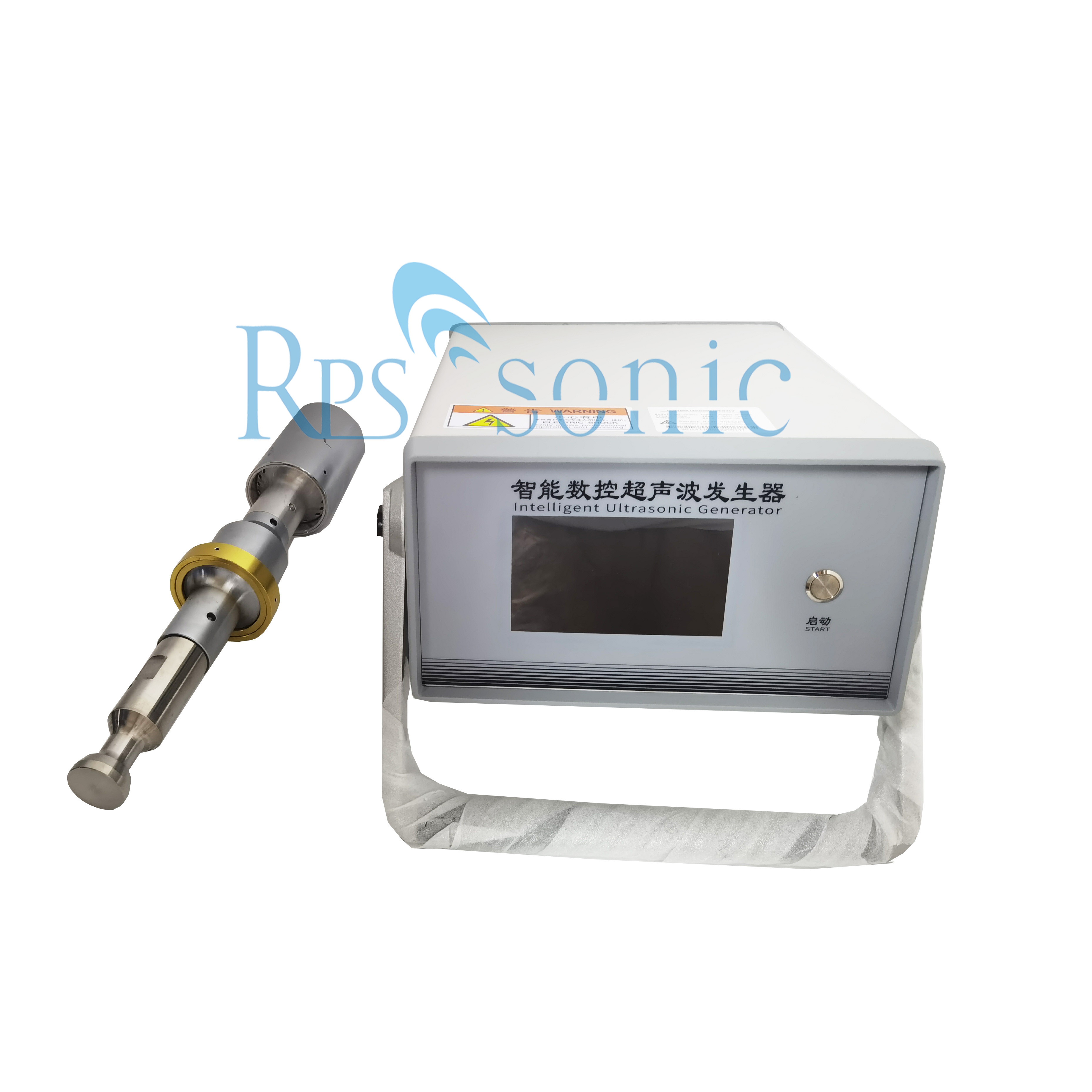

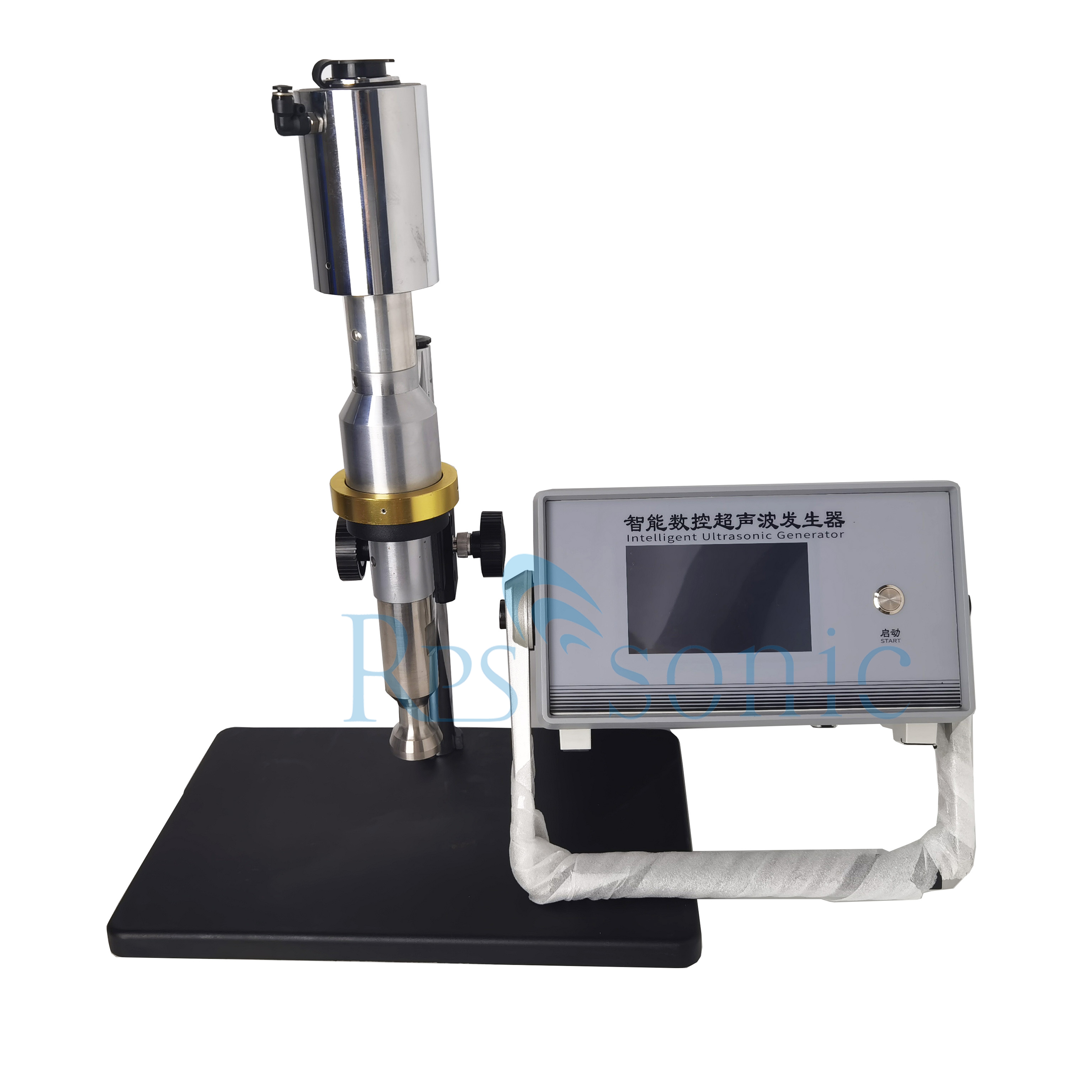
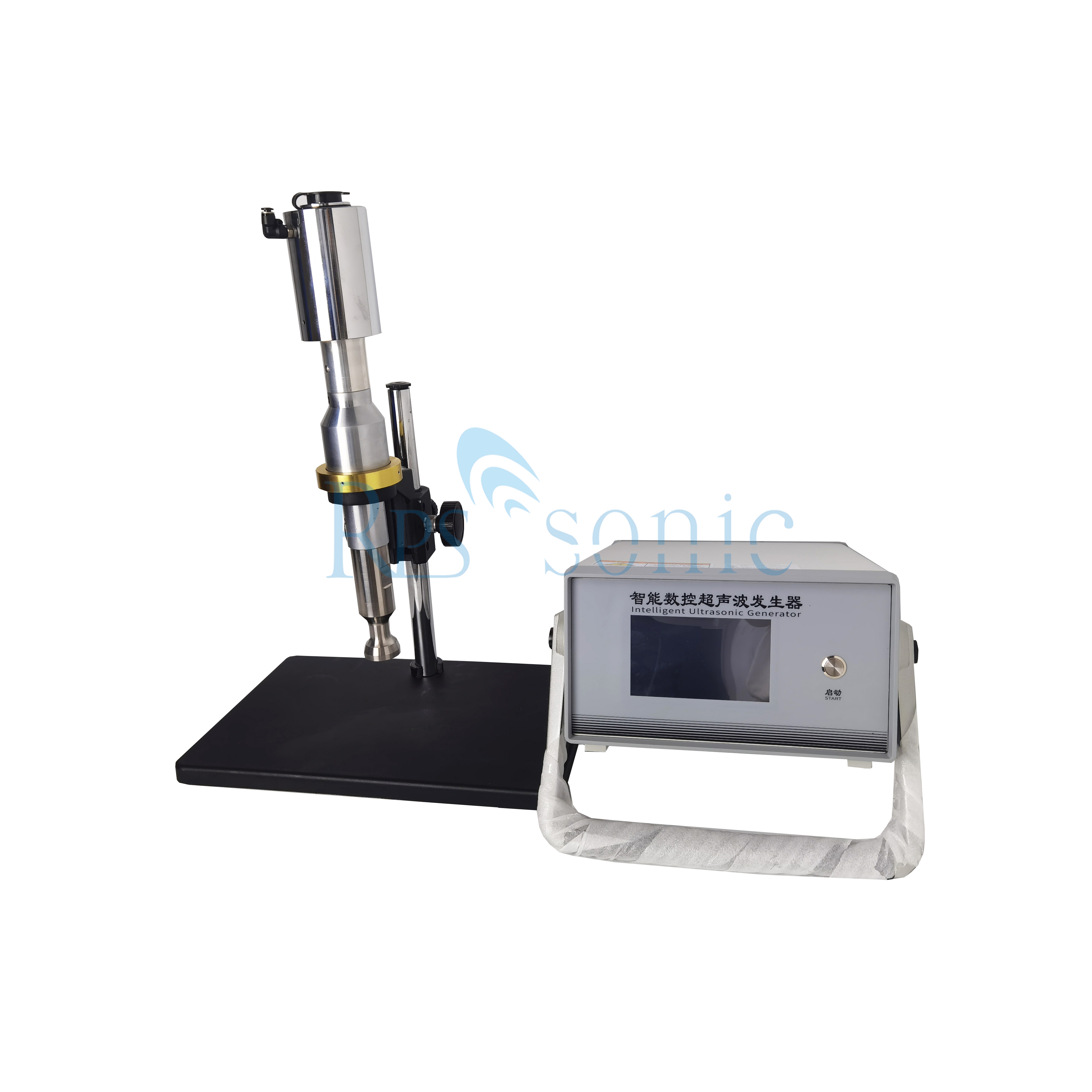

1000W Lab Type Ultrasonic Homogenizer with Temperature Control
Parameter
| Model | SONO20-1000 | SONO20-2000 | SONO15-3000 | SONO20-3000 |
| Frequency | 20±0.5 KHz | 20±0.5 KHz | 15±0.5 KHz | 20±0.5 KHz |
| Power | 1000 W | 2000 W | 3000 W | 3000 W |
| Voltage | 220/110V | 220/110V | 220/110V | 220/110V |
| Temperature | 300 ℃ | 300 ℃ | 300 ℃ | 300 ℃ |
| Pressure | 35 MPa | 35 MPa | 35 MPa | 35 MPa |
| Intensity of sound | 20 W/cm² | 40 W/cm² | 60 W/cm² | 60 W/cm² |
| Max Capacity | 10 L/Min | 15 L/Min | 20 L/Min | 20 L/Min |
| Tip Head Material | Titanium Alloy | Titanium Alloy | Titanium Alloy | Titanium Alloy |
Description
Ultrasonic cavitation means that when the ultrasonic energy is high enough, the tiny bubbles (cavitation nuclei) in the liquid vibrate, grow and continuously accumulate the sound field energy under the action of the ultrasonic field. When the energy reaches a certain threshold, cavitation The phenomenon of rapid collapse and closure of bubbles.
Ultrasonic dispersion equipment is an application in ultrasonic sonochemistry. Ultrasonic dispersion is to generate strong cavitation in the liquid through the high-frequency vibration of ultrasonic waves for use in food, fuel, new materials, chemical products, coatings, graphene , Plant Chinese medicine extraction, ink coatings and many other fields are widely used. Achieve such as extraction and separation, synthesis and degradation, biodiesel production, treatment of microorganisms, degradation of toxic organic pollutants, biodegradation treatment, biological cell crushing, dispersion and agglomeration, etc.
What principle does the ultrasonic dispersing machine use to super-disperse and ultrasonically crush?
Ultrasonic dispersion is the use of ultrasonic waves to convert electrical energy into mechanical energy tens of thousands of times per second. Acoustic cavitation-the formation, vibration, growth, contraction, and collapse of cavitations in the liquid, the physical and chemical changes caused by the machine. The physical, mechanical, thermal, biological, and chemical effects caused by cavitation, through the vibration of cavitation, disperse the materials we are processing to the micron or even nanometer level.
The ultrasonic dispersion holding point is usually small vibration and high acceleration. Ultrasonic dispersion devices have been widely used in many fields such as food, fuel, new materials, chemicals, coatings, and graphene. Achieve such as extraction and separation, synthesis and degradation, biodiesel production, treatment of microorganisms, degradation of toxic organic pollutants, biodegradation treatment, biological cell crushing, dispersion and agglomeration, and so on. 1. Chinese medicine extraction, cell, bacteria, virus tissue fragmentation/lysis. For example, extraction of cell contents, extraction of protein, nucleic acid, trimming of DNA, RNA, etc. 2. Research on nano material technology. 3. Dispersion and homogenization of material particles, and emulsification of products. For example, the dispersion of nanomaterials. 4. Speed up the dissolution and speed up the chemical reaction. For example, it is used in chemical synthesis. 5. Chromatin immunoprecipitation technology. 6. Ultrasonic catalysis induces chemical reactions. 7. Graphene dispersion, exfoliation and preparation. 8. Other application fields.
Main application
1. Chinese medicine extraction, cell, bacteria, virus tissue fragmentation/lysis. For example, extraction of cell contents, extraction of protein, nucleic acid, trimming of DNA, RNA, etc. 2. Research on nano material technology. 3. Dispersion and homogenization of material particles, and emulsification of products. For example, the dispersion of nanomaterials. 4. Speed up the dissolution and speed up the chemical reaction. For example, it is used in chemical synthesis. 5. Chromatin immunoprecipitation technology. 6. Ultrasonic catalysis induces chemical reactions. 7. Graphene dispersion, exfoliation and preparation. 8. Other application fields.

Q1.What kind material of the horn?
A. Titanium alloy, we also customized aluminum hom for customer before.
Q2.What’s the time of delivery?
A. For Conventional hom, 3 days, for customized hom 7 work days.
Q3.Does ultrasonic extraction also require the addition of a chemical catalyst?
A. No . but some time need Mechanical stiring.
Q4.Can the device work continously?
A. Yes ,it can work 24hours continously.
Q5.What’s the Processing capacity of one set ultrasonic extraction equipment?
A. Different hor different Processing capacity, for 2000W Nine section whip horm can dealing 2L~10Lmin.
Q6.What’s the warranty of your sonicator equipment?
A. All equipment one year warranty.
-
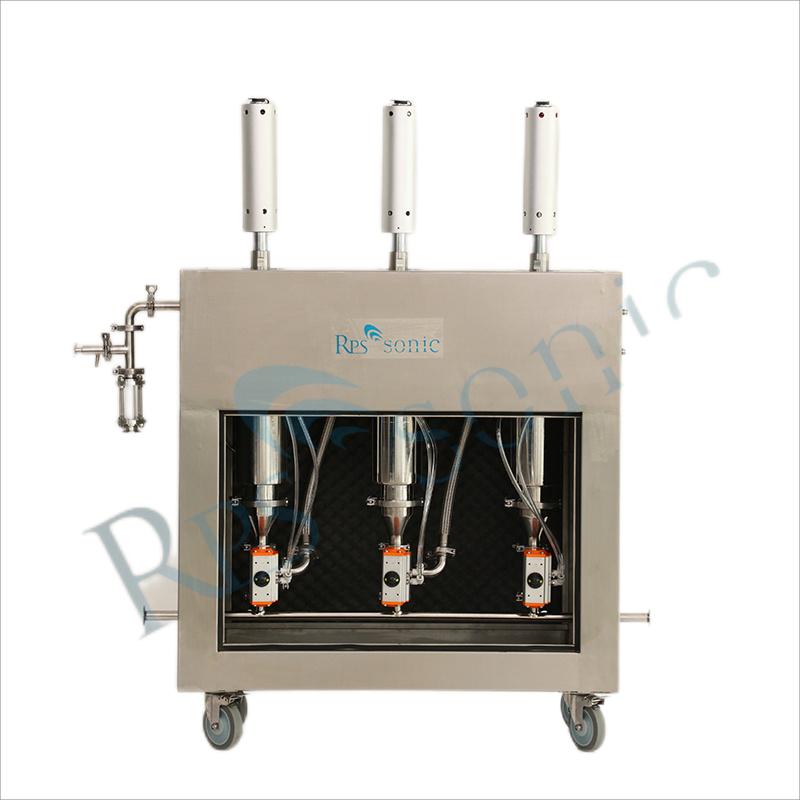
Industrial 20kHz Ultrasonic homogenizer ultrasonic Series circulating liquid processor
-
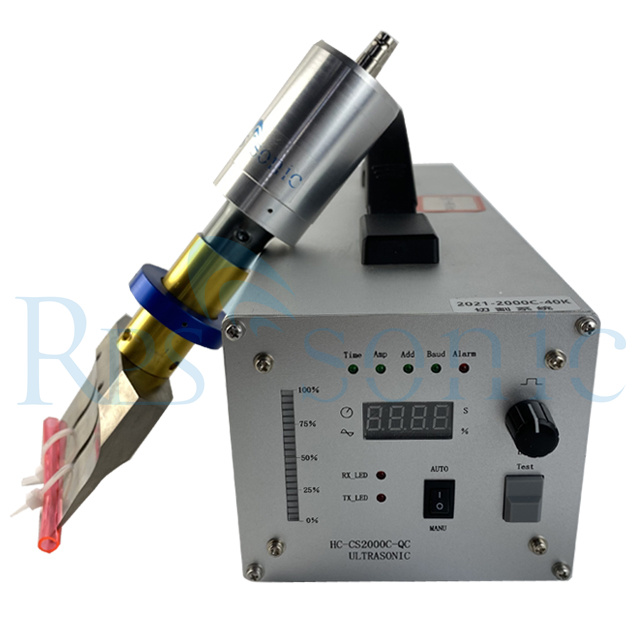
40Khz Ultrasonic cutting blade For Tire rubber cutting rubber manufacturer
-
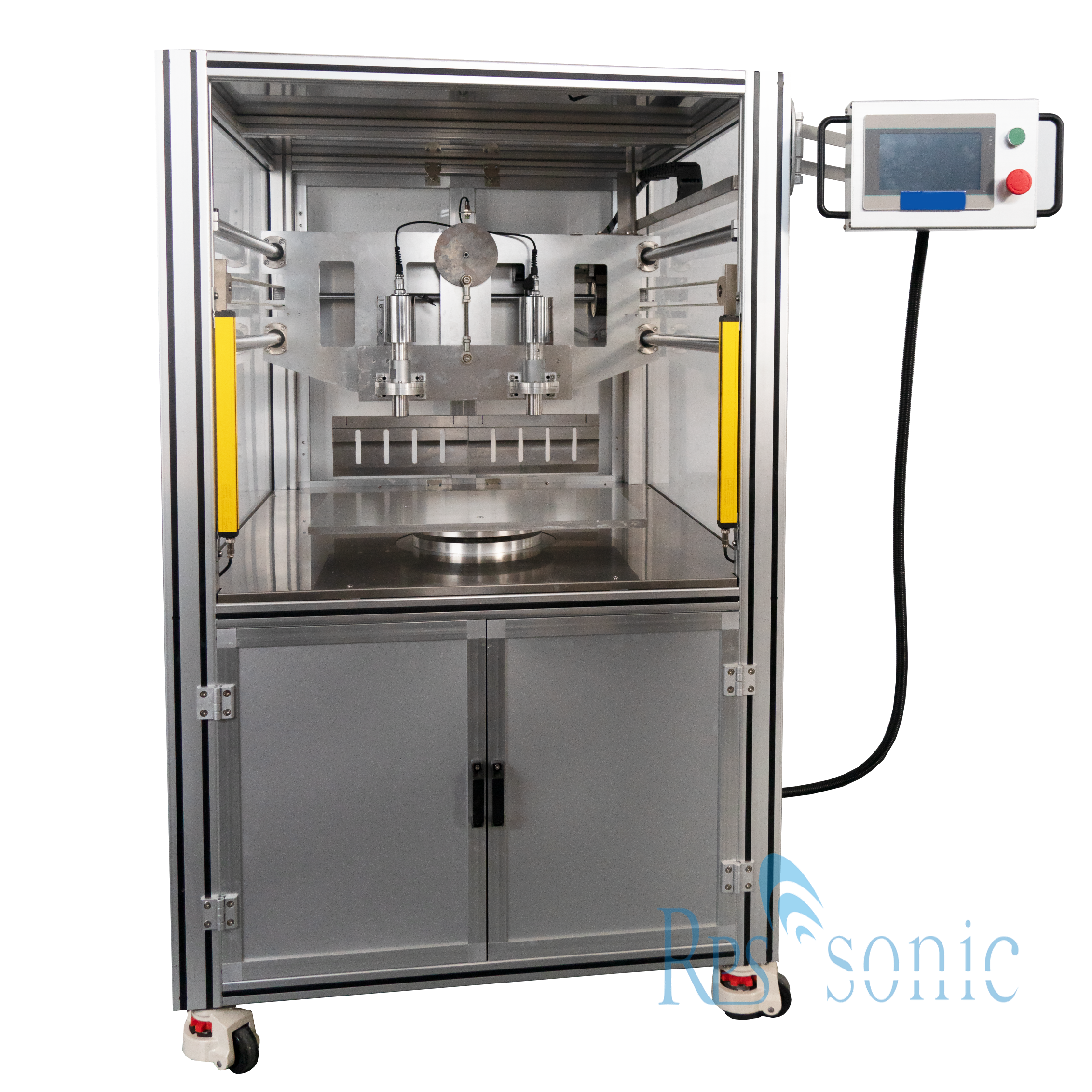
OEM/ODM Manufacturer Professional Manufacturing Jumbo Roll Slitter Machine Manual TTR Ribbon Cutting Slitting Machine
-
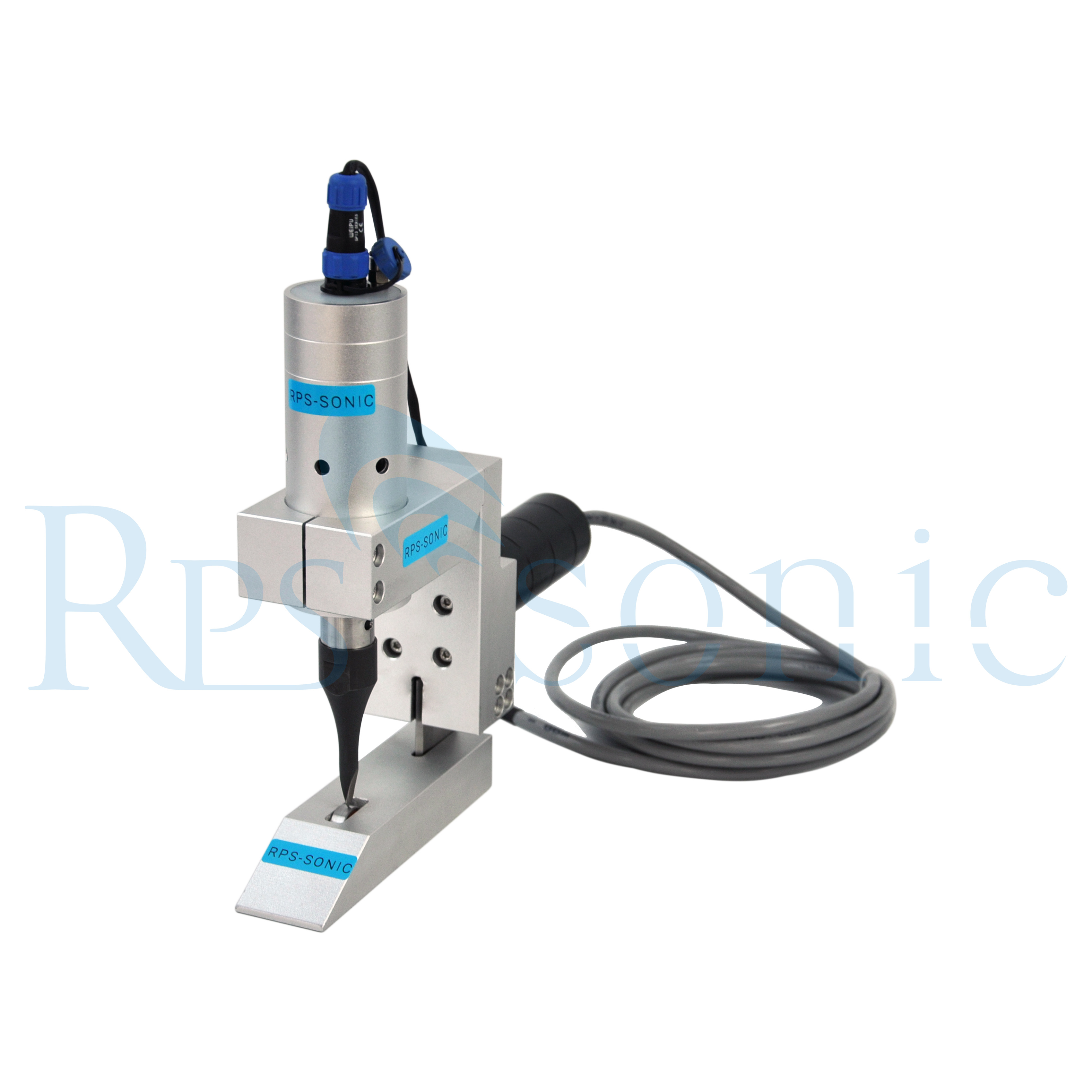
40kzhz 300w Ultrasonic high speed Fabric Cutting machine
-
Professional Design China Desktop Ultrasonic Metal Spot Welding Machine/Ultrasonic Spot Welder for Lithium Ion Battery
-

OEM/ODM Factory China Disposable Paper Cup Making Machine Yast-L650