




Advanced Nanoparticles Dispersion Equipment - 28Khz 300w Ultrasonic Cell Crushing
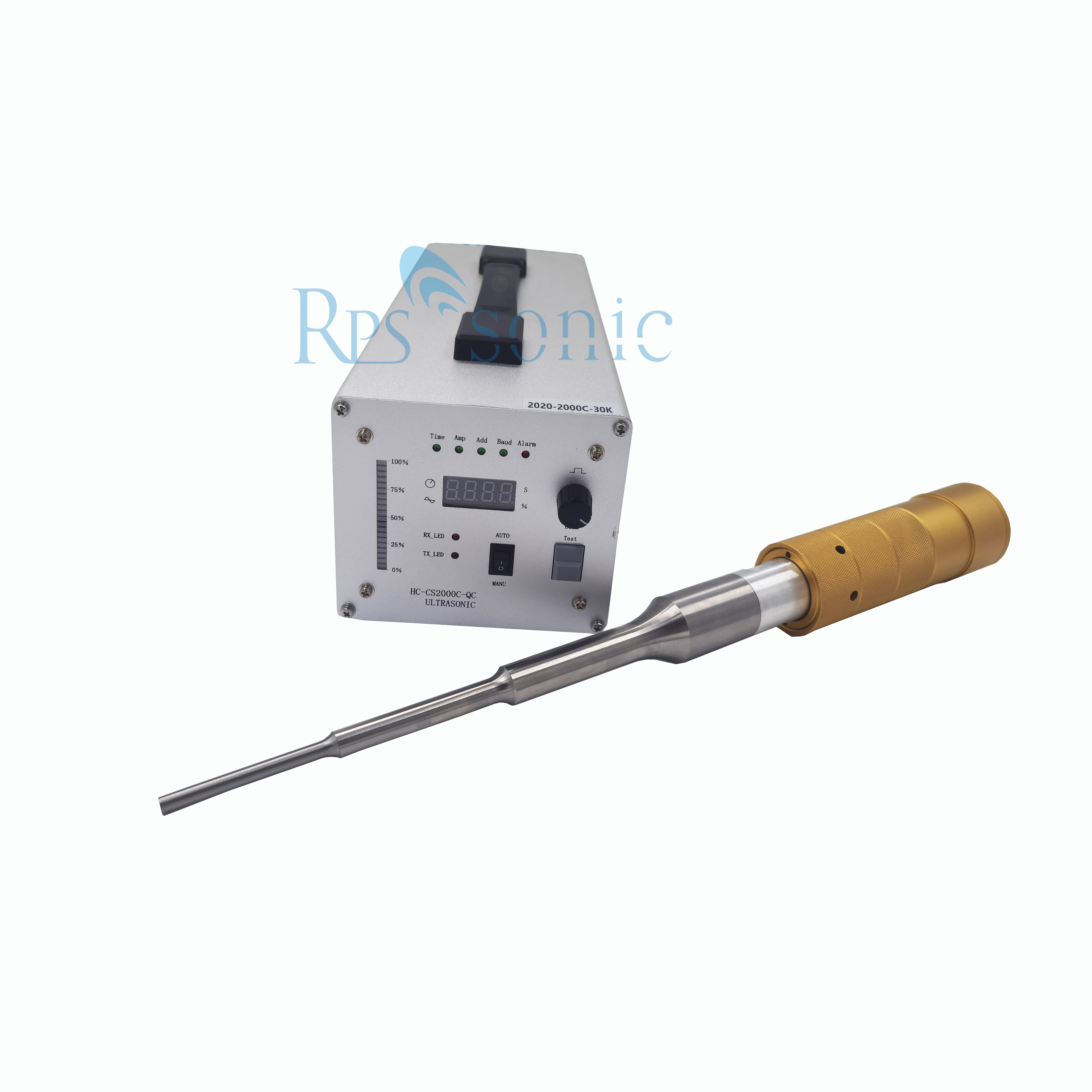

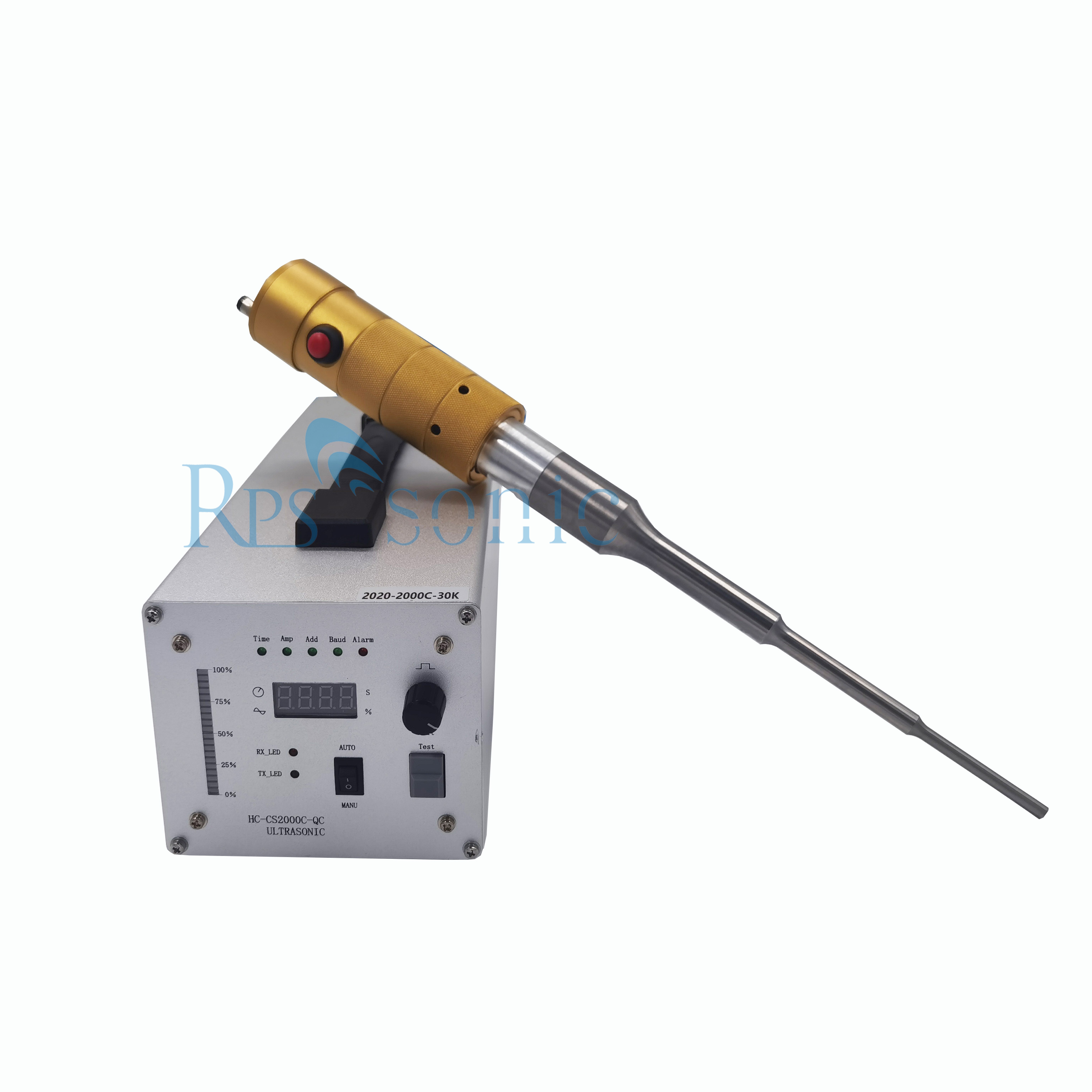


28Khz Ultrasonic homogenizer sonicator equipment ultrasonic probe for Ultrasonic emulsification
Parameter
| Model | SONOL20-1000 | SONOL20-500 | SONOL28-300 | SONOL40-100 |
| Frequency | 20±0.5 KHz | 20±0.5 KHz | 28±0.5 KHz | 40±0.5 KHz |
| Power | 1000 W | 500 W | 300 W | 100 W |
| Voltage | 220/110V | 220/110V | 220/110V | 220/110V |
| Temperature | 300 ℃ | 300 ℃ | 300 ℃ | 300 ℃ |
| Pressure | 35 MPa | 35 MPa | 35 MPa | 35 MPa |
| Max Capacity | 8 L/Min | 5 L/Min | 1L/Min | 0.5 L/Min |
| Tip Head Material | Titanium Alloy | Titanium Alloy | Titanium Alloy | Titanium Alloy |
Description
Ultrasound has been used more and more widely in processes such as chemistry, chemical engineering and biology. This is mainly based on the cavitation of ultrasound. Ultrasonic cavitation refers to the dynamic process of growth and collapse of micro-gas core cavitation bubbles in the liquid that vibrate under the action of sound waves, and when the sound pressure reaches a certain value. When ultrasonic waves act on liquids, a large number of small bubbles can be produced. One reason is that partial tensile stress appears in the liquid to form a negative pressure. The decrease in pressure makes the gas originally dissolved in the liquid supersaturate and escape from the liquid and become small bubbles. Another reason is that the strong tensile stress “tears” the liquid into a cavity, which is called cavitation.
The cavitation threshold is the lower sound intensity or sound pressure amplitude that causes the liquid medium to produce cavitation. Only when the alternating sound pressure amplitude is greater than the static pressure can negative pressure appear. And only when the negative pressure * exceeds the viscosity of the liquid medium, cavitation will occur. The cavitation threshold varies with different liquid media. For the same liquid medium, the cavitation threshold is also different for different temperatures, pressures, cavitation nuclei radius and gas content. Generally speaking, the lower the gas content of the liquid medium, the higher the cavitation threshold. The cavitation threshold is also related to the viscosity of the liquid medium. The greater the viscosity of the liquid medium, the higher the cavitation threshold. The cavitation threshold has a very close relationship with the frequency of ultrasound. The higher the frequency of ultrasound, the higher the cavitation threshold. The higher the frequency of ultrasound, the more difficult it is to cavitation. To produce cavitation, the intensity of ultrasound must be increased.
Ultrasound is widely used in various fields, which is the application of its cavitation and its cavitation is accompanied by mechanical, thermal, chemical, biological, and so on. The application of mechanical and chemical effects, the former is mainly manifested in the increase of the heterogeneous reaction interface; the latter is mainly due to the high temperature and high pressure generated in the cavitation process which causes the decomposition of polymers, the breakage of chemical bonds and the generation of free radicals. The processes that utilize mechanical effects include adsorption, crystallization, electrochemistry, heterogeneous chemical reactions, filtration, and acoustic cleaning. The processes that utilize chemical effects mainly include organic degradation, polymer chemical reactions, and other free radical reactions.
The product is composed of ultrasonic numerical control driving power (hereinafter referred to as driving power), vibrating head and bracket accessories. Check the appearance of the equipment, check for damage, and check for loose parts. If there is any damage, notify the transportation company immediately after taking the photo. To facilitate the investigation, please keep the packaging materials in good condition.
Main advantage
1. Automatically adjust the frequency to start the vibration, without manual adjustment.
2. There is a temperature protection probe, which can effectively prevent damage to the sample due to temperature rise during the crushing process.
3. The external temperature control unit can be driven by the “normally open/normally closed” switch according to the feedback signal of the temperature probe.
4. The standard probe can be down-converted through MICROTIP below 1/2″ to realize the crushing of trace samples.
5. There are different styles of probes such as closed cup (CUP) and continuous flow (FILLCELL) for purchase.
6. Tracking display output actual effective power.
7. Adjustable “work/intermittent” ratio time cycle pulse type work, the time range is from 0.5 seconds to 1 hour, improve the crushing effect, and effectively prevent temperature rise.
The Nanoparticles Dispersion Equipment is an essential tool for modern laboratories and industries. Powersonic remains committed to providing top-tier equipment, and this sonicator is no exception. Whether you need it for cell disruption, sample preparation, homogenization, or dispersing tasks, you can rely on our Nanoparticles Dispersion Equipment to deliver superior results. Trust in the precision of Powersonic's 28Khz 300w Ultrasonic cell crushing equipment. Let it revolutionize your work with its superior design and unrivaled performance in Nanoparticles Dispersion, setting a new standard for your ultrasonic emulsification requirements. Experience the brilliance of combining cutting-edge technology and robust construction with Powersonic's Nanoparticles Dispersion Equipment today.
Q1.What kind material of the horn?
A. Titanium alloy, we also customized aluminum hom for customer before.
Q2.What’s the time of delivery?
A. For Conventional hom, 3 days, for customized hom 7 work days.
Q3.Does ultrasonic extraction also require the addition of a chemical catalyst?
A. No . but some time need Mechanical stiring.
Q4.Can the device work continously?
A. Yes ,it can work 24hours continously.
Q5.What’s the Processing capacity of one set ultrasonic extraction equipment?
A. Different hor different Processing capacity, for 2000W Nine section whip horm can dealing 2L~10Lmin.
Q6.What’s the warranty of your sonicator equipment?
A. All equipment one year warranty.
-
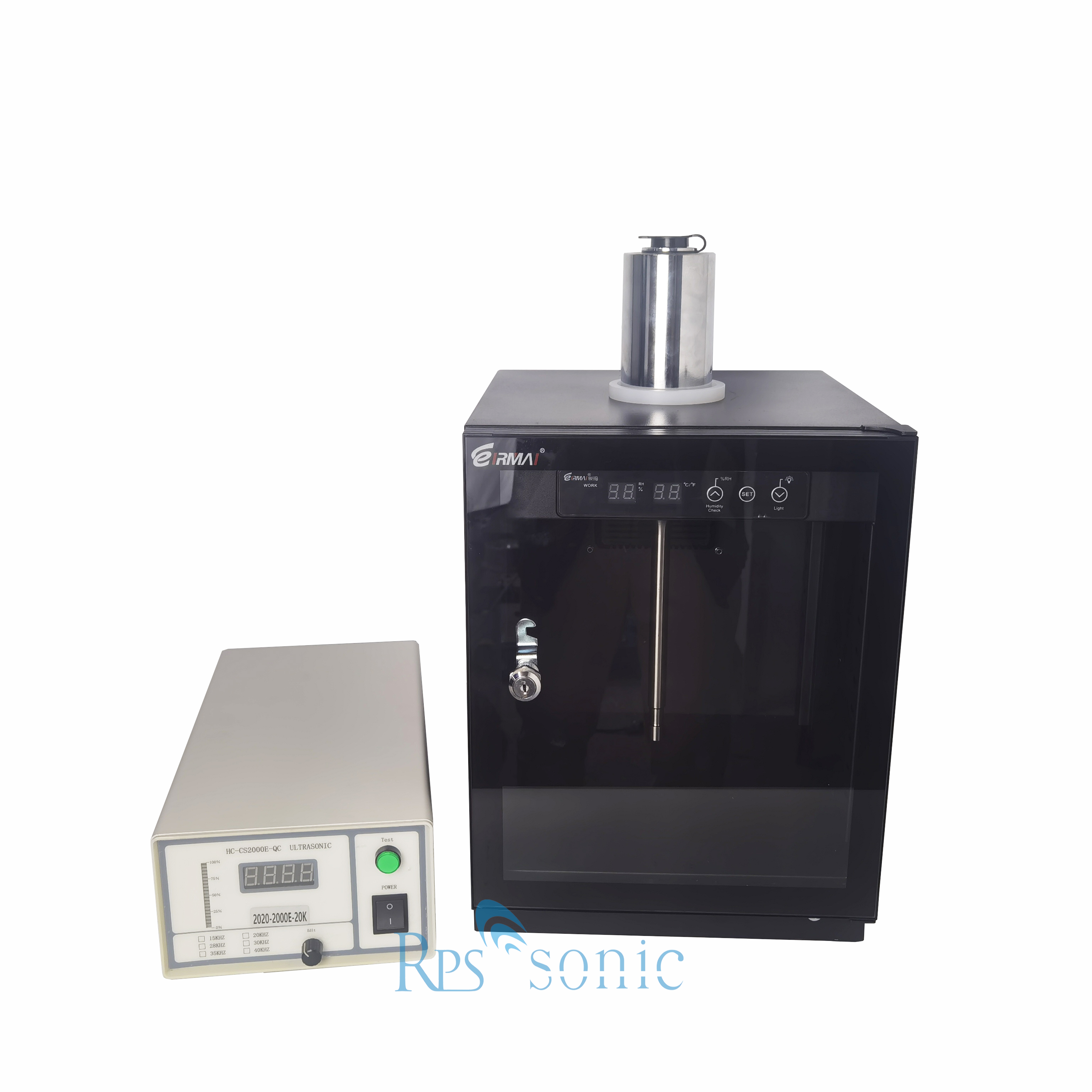
20Khz 1000w Ultrasonic laboratory sonicator with Sound Enclosure for extracting
-
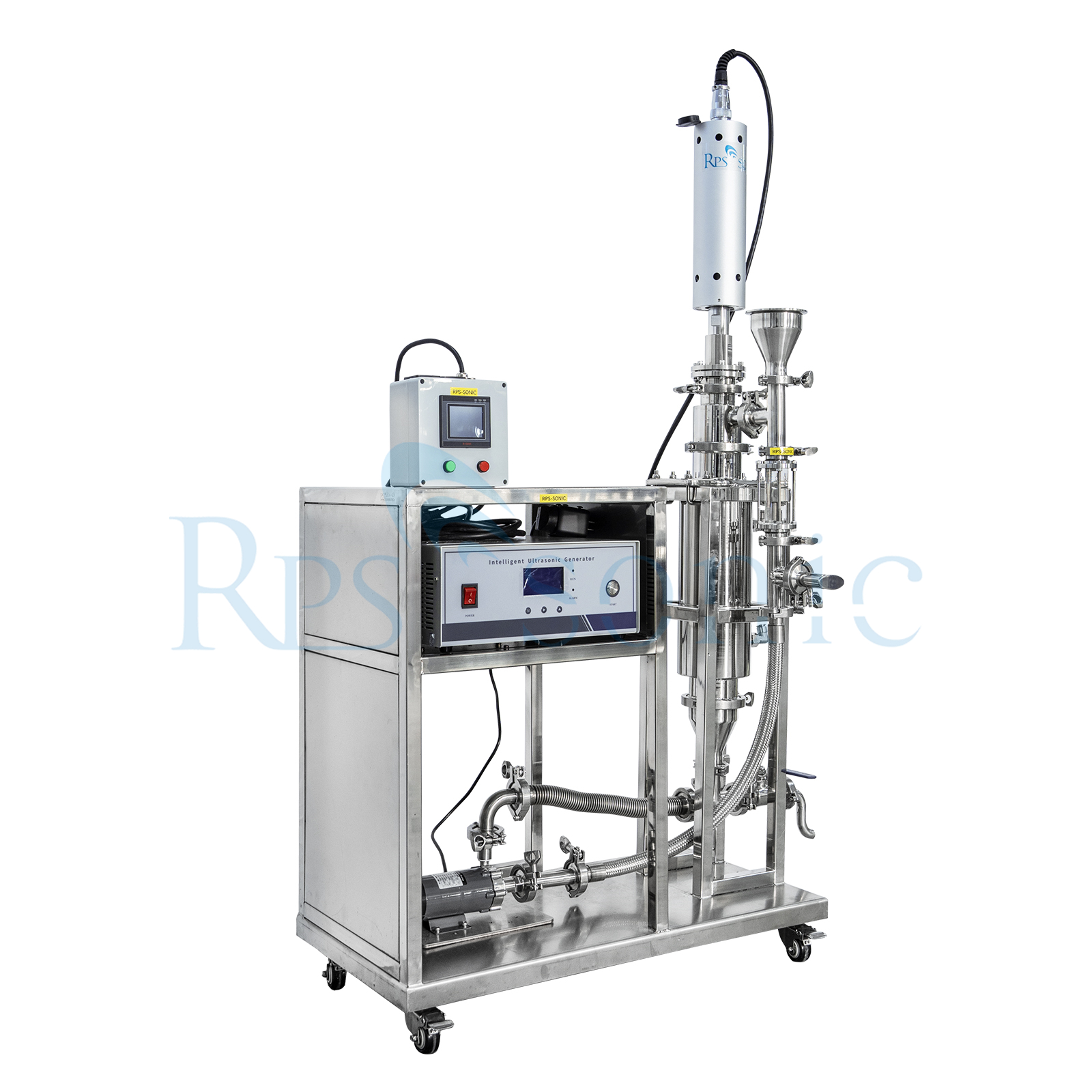
Ultrasonic Sonochemistry Equipment for Drug Extraction Cosmetic Emulsifier and Biodiesel Production
-
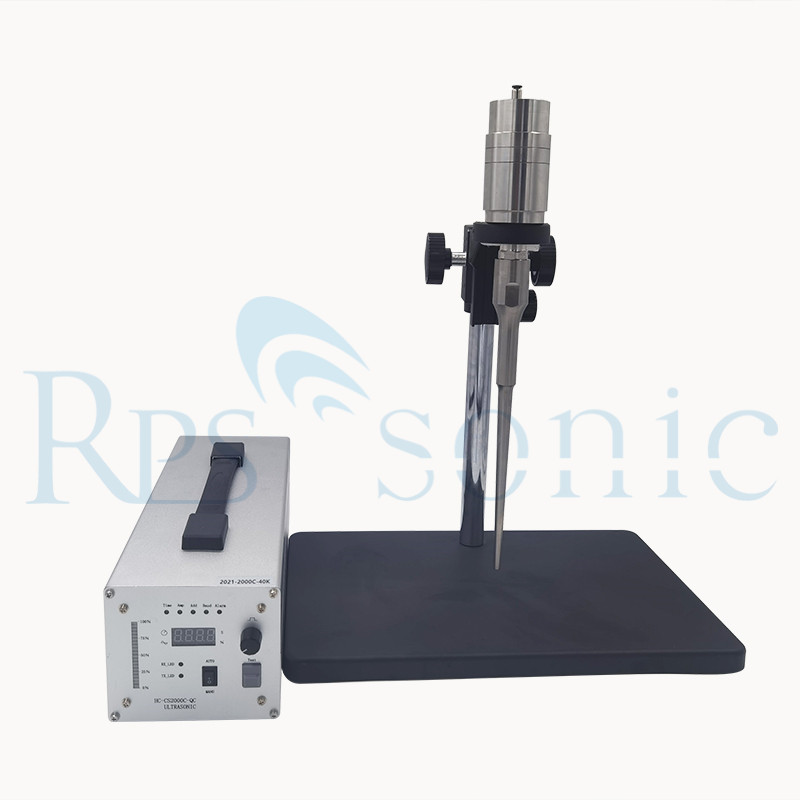
Customized Ultrasonic extraction equipment ultrasonic sonicator
-
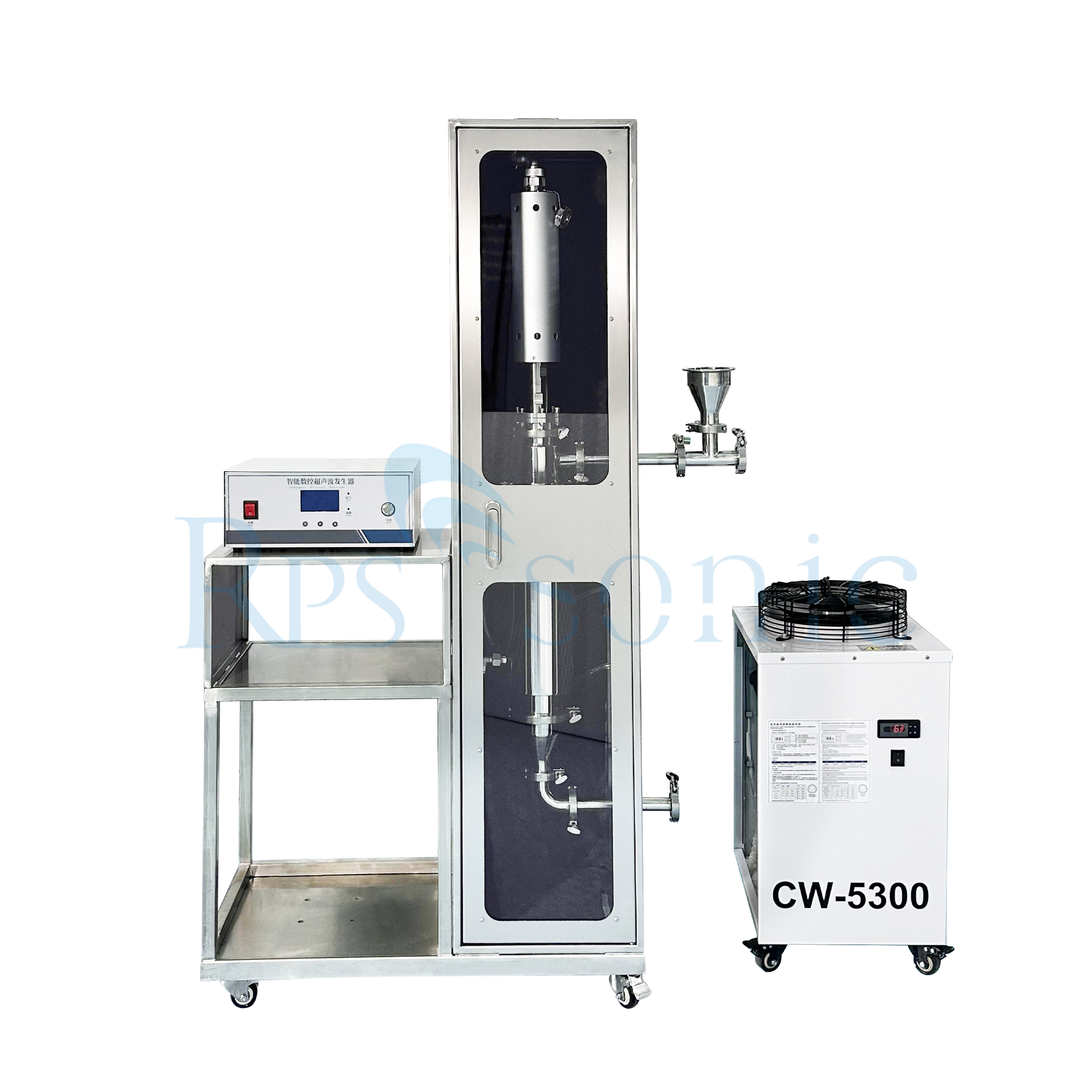
20kHz high power Sound proof Ultrasonic extraction machine For cannabis
-
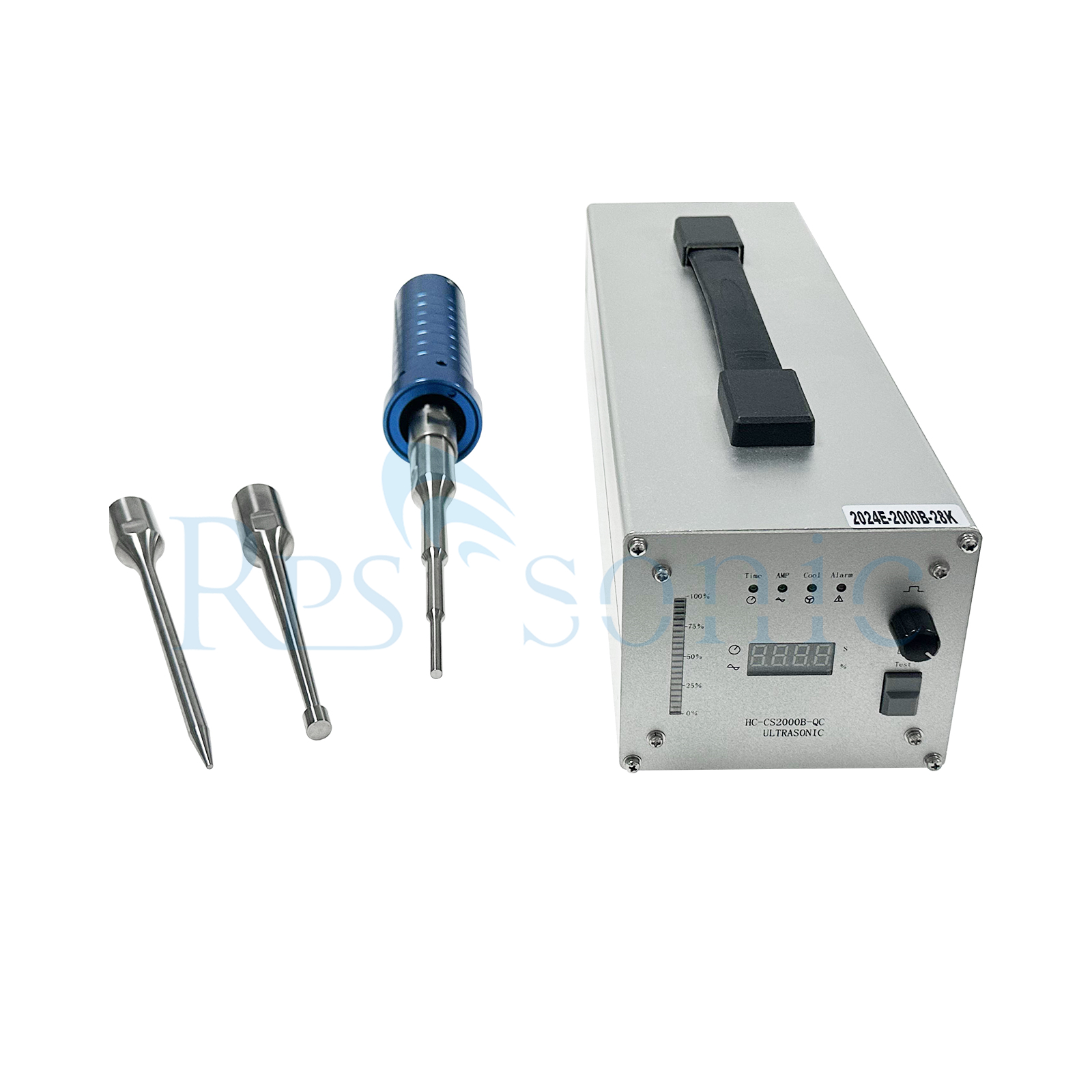
28Khz High Frequency Ultrasonic emulsification extraction equipment
-

Customized Biologics Ultrasonic Homogenizer Sonicator With Circuit Board