





1. Sanitary Products Industry: Core Processing Equipment Ensures Product Safety and Practicality
Sanitary products are one of the most important application areas for nonwoven fabrics. Ultrasonic cutting machines, which can address key issues such as edge fraying and leakage, have become core processing equipment for products such as diapers and sanitary napkins.
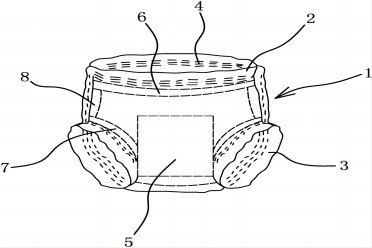
● Diaper/Pull-Up Processing:
○ Cutting: Precisely cut the elastic nonwoven fabrics (such as spandex) for the waist and leg cuffs of diapers, as well as the outer nonwoven fabric covering the absorbent core, to ensure uniform size and fit across different body types.
○ Edge Sealing: Simultaneously cut and seal the nonwoven fabric at the waist joint and leak-proof hem. The edge sealing width can be controlled to 0.5-2mm, preventing edge fraying and reducing comfort while enhancing leak-proof sealing.
○ Punching: Using a dedicated mold, uniform ventilation holes (0.1-1mm in diameter) can be cut into the diaper's outer nonwoven fabric (such as hydrophilic nonwovens), improving product breathability and reducing the risk of diaper rash.
● Sanitary Napkin/Pad Processing:
○ We cut contours (e.g., oval, curved) for panty liners and the nonwoven side flaps of sanitary napkins, ensuring smooth, burr-free edges that conform to the body's curves.
○ We partially cut and splice the top, distribution, and backing layers of sanitary napkins to create a "layered functional zone" design (e.g., a central absorbent zone and side leak-proof zones). Edge sealing prevents interlayer shifting.
● Disposable Sanitary Products: We cut the waistband and leg nonwovens of disposable underwear, as well as the edges of medical nursing pads. Edge sealing enhances product durability and prevents breakage during use.
2. Medical and Protective Equipment Industry: Meeting Sterility, High Precision, and Protective Requirements
The medical field places stringent demands on sterility, edge sealing, and dimensional accuracy in nonwoven fabric processing. Ultrasonic cutting machines are key equipment due to their lack of physical blade contact (reducing contamination) and high cutting accuracy (±0.1mm).
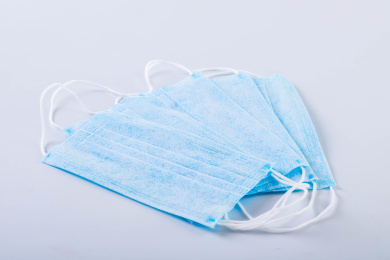
● Medical Mask Processing:
○ Mask Body Cutting: Cuts the composite fabrics of the outer layer (spunbond non-woven fabric), middle layer (meltblown non-woven fabric), and inner layer (spunbond non-woven fabric) of the mask, precisely controlling the length and width of the mask (e.g., 17.5cm × 9.5cm for adults, 14cm × 8cm for children);
○ Earband Welding and Trimming: Ultrasonic welding and trimming are performed simultaneously at the connection between the earband and the mask body, ensuring the earband is secure (with a tensile strength of up to 10-20N, meeting medical standards) and preventing the edges from ripping.
○ Custom-Shaped Mask Cutting: Creates the three-dimensional pleats of N95 masks and the fish-mouth contours of KF94 masks. Custom molds are used to achieve precise cutting of complex shapes, ensuring a secure fit and enhancing protective effectiveness.
● Medical Protective Equipment (PPE):
○ Cutting the non-woven fabric at the cuffs, collar, and hem of protective clothing, and sealing the edges to prevent dust and liquid infiltration;
○ Processing the elastic edges of medical caps and the ankle cuffs of shoe covers to ensure a snug fit and prevent them from falling off;
○ Cutting the circular/oval surgical drapes for surgical areas, and sealing the edges to reduce non-woven fabric fiber shedding and lower the risk of surgical infection.
● Medical Dressing Processing: Cutting medical gauze substitutes (such as non-woven dressings), the absorbent non-woven fabric for bandages, and the outer non-woven fabric for hydrocolloid dressings used for wound care. The edges are smooth and non-irritating, and custom cuts can be made to suit the wound shape (e.g., round, square).
3. Packaging and Storage Industry: Improving Packaging Sealing and Aesthetics
In the non-woven packaging sector, ultrasonic cutting machines are primarily used for "special-shaped cutting + sealing," addressing the issues of edge damage and poor sealing associated with traditional cutting methods (such as blade cutting). These machines are suitable for a variety of packaging applications.
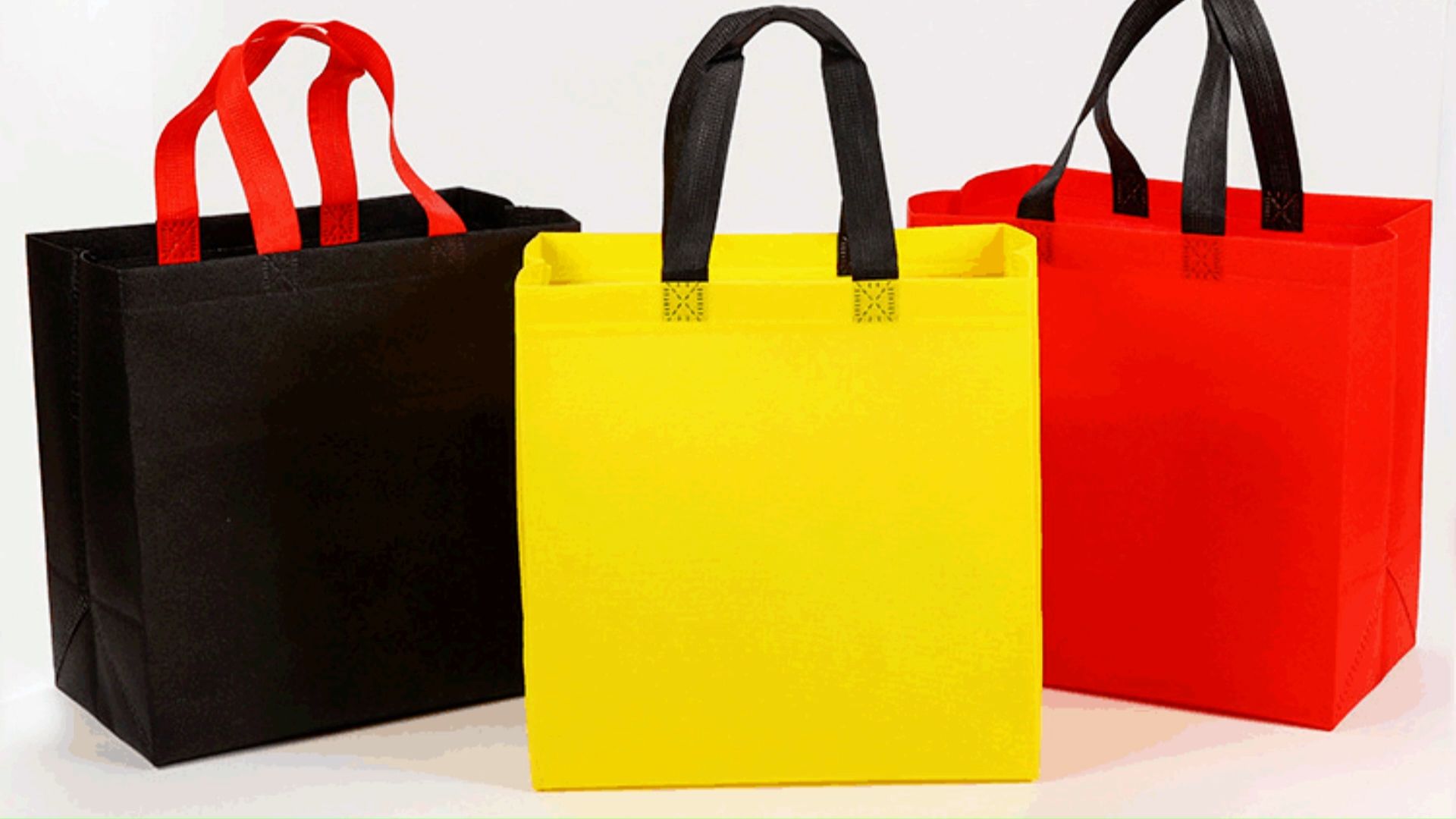
● Non-woven Shopping Bags/Gift Bags:
○ Cut the main contours of shopping bags (such as tote bags and vest bags) while simultaneously sealing the bag opening and sides. The sealed edges are smooth and burr-free, increasing the bag's load-bearing capacity (capable of holding 5-10kg);
○ Create decorative cuts on the bag body (such as wavy edges and openwork patterns). Custom molds are used to achieve personalized designs and enhance product aesthetics.
● Storage Bags/Storage Boxes:
○ Cut the dividers and zipper edges of non-woven storage bags. Sealing the edges prevents delamination and shifting, and prevents snagging.
○ Process the body and lid of foldable non-woven storage boxes. High cutting precision ensures a tight fit and prevents deformation after folding. ●Packaging lining/cushioning material: Cutting non-woven cushioning lining (used for electronic products and gift packaging), which can be cut into customized sizes according to the shape of the product. After the edge is sealed, it can reduce fiber shedding and avoid contamination of the items in the package.
4. Home Furnishing and Home Textile Industry: Adapting to Diverse Designs and Improving Product Quality
Non-woven fabric products in the home textile sector (such as decorative fabrics and cleaning products) require high standards for both design diversity and edge smoothness. Ultrasonic cutting machines can achieve complex cutting without the need for subsequent trimming.
● Fabric Decorations:
○ Cutting the outlines of patterns (such as floral and geometric designs) on non-woven wall coverings and curtains, or the irregular edges (such as round and polygonal shapes) on tablecloths and placemats, resulting in smooth, burr-free edges and enhanced decorative effects.
○ Processing festive decorative items (such as non-woven window decorations and hanging ornaments) allows for batch cutting of small, complex shapes, significantly more efficiently than manual cutting.
● Cleaning Products:
○ Cutting the non-woven fabric substrates used in disposable rags and mops into various sizes (such as 30cm×30cm and 40cm×60cm) as needed. Edge sealing prevents fiber shedding during use and contamination of clean surfaces.
○ Processing the pleated structure of dust cloths, using simultaneous ultrasonic cutting and embossing, enhances the cloth's absorbency.
● Bedding accessories: Cutting lace for pillowcases, decorative strips for duvet covers, or processing the non-woven fabric covering for mattresses, with delicate edge treatments to enhance the overall texture of the bedding.