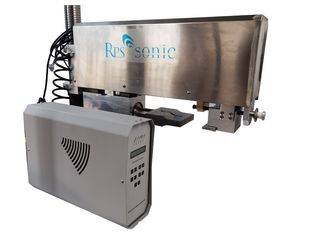



Introduction to Ultrasonic Plastic Welding
Ultrasonic plastic welding has become an essential process in many manufacturing sectors due to its efficiency, cost-effectiveness, and ability to join thermoplastic materials. The process applies high-frequency ultrasonic vibrations to parts being joined under pressure, creating a solid-state weld without requiring adhesives or fasteners. Despite its advantages, several common issues can arise during ultrasonic welding, impacting the quality and consistency of the welds. This article will explore these issues in detail and provide insights into mitigating them, with a focus on manufacturers and suppliers, including those in China.
Design and Material Challenges
Material Incompatibility
One of the primary challenges in ultrasonic plastic welding is the selection of compatible materials. Different thermoplastics have varying melting points and mechanical properties, which can affect weld quality. Using incompatible materials can lead to weak or incomplete welds, impacting the structural integrity of the final product.
Design Considerations
Designing parts for ultrasonic welding requires careful consideration of joint configurations and energy directors. Energy directors are molded features that concentrate ultrasonic energy on the weld interface. Poor design can lead to uneven energy distribution, resulting in inconsistent welds. Manufacturers in regions like China must pay special attention to these design elements to ensure high-quality production.
Equipment Setup and Calibration Issues
Calibration and Tuning
Proper calibration of ultrasonic welding equipment is critical to achieving consistent weld quality. Incorrect settings can lead to issues such as overwelding or underwelding. Regular equipment maintenance and calibration can mitigate these problems, ensuring optimal performance throughout manufacturing cycles.
Machine Setup
An improperly set up machine can cause significant welding problems. Factors such as pressure settings, amplitude, and welding time need to be optimized according to the specific application. For suppliers in China and beyond, ensuring that operators are trained in proper machine setup is essential for achieving reliable results.
Sonotrode and Part Fit Problems
Sonotrode Design
The sonotrode, or horn, is a crucial component in ultrasonic welding. Its design must match the part's contour to prevent marking and ensure even energy distribution. A misfit between the sonotrode and part can cause gouging and other surface defects, necessitating adjustments in design and manufacturing processes.
Contact Surface Issues
Surface imperfections or debris on the contact area can disrupt the ultrasonic energy transmission, leading to weld defects. Ensuring a clean and well-maintained contact surface is vital for achieving consistent welds. Manufacturers and suppliers should implement stringent quality control measures to address this issue.
Surface Damage and Aesthetic Concerns
Marking and Surface Imperfections
Ultrasonic welding can sometimes cause marking or surface damage on the parts being joined. This occurs when the sonotrode leaves witness marks on the part. Such aesthetic concerns are particularly important for consumer products where appearance is critical.
Preventive Measures
To minimize surface damage, manufacturers can employ techniques such as polishing the sonotrode surface or using protective films. Ensuring that the sonotrode's contour matches the part's design can also help prevent unwanted marking during the welding process.
Energy Control and Overwelding
Excess Energy Application
Overwelding occurs when too much energy is applied to the weld area, causing material deformation or flash, which affects both functionality and aesthetics. This problem often stems from improper control of parameters like amplitude and welding time.
Solutions for Overwelding
Manufacturers can prevent overwelding by carefully calibrating the welding equipment and making incremental adjustments to process parameters. Regular monitoring and adjustments can ensure that energy is applied precisely where needed without excess spillover.
Underwelding and Weak Bonding
Insufficient Energy Input
Underwelding occurs when insufficient energy is applied, leading to weak or incomplete welds. This can compromise the mechanical performance of the welded assembly and is often due to incorrect equipment settings or inadequate setup.
Enhancing Weld Strength
To address underwelding, manufacturers should verify the cleanliness and alignment of parts before adjusting machine settings. Ensuring that the correct amount of energy is delivered can significantly enhance weld strength and reliability.
Non-Uniform Welds and Consistency Issues
Causes of Non-Uniform Welds
Non-uniform welds can be aesthetically unappealing and adversely affect the part's functionality. These inconsistencies often arise from faulty parts, improper fixture alignment, or variations in material properties.
Achieving Consistent Welds
Consistency in ultrasonic welding can be achieved through rigorous testing and adjustment of process parameters. Implementing quality control measures and regular inspections can help manufacturers, including those in China, to maintain high production standards.
Environmental and Operational Factors
Impact of Environmental Conditions
Environmental factors such as temperature and humidity can influence the ultrasonic welding process. For example, welding parts that are too hot or operating in a humid environment can lead to inconsistencies in weld quality.
Control Measures
To mitigate environmental impacts, manufacturers should ensure that welding operations are conducted in a climate-controlled environment. Allowing parts to cool adequately before welding can also improve process stability and weld consistency.
Troubleshooting and Maintenance Strategies
Routine Maintenance
Regular maintenance of ultrasonic welding equipment is crucial to preventing and diagnosing potential issues. A well-maintained machine ensures consistent energy delivery and prevents unexpected breakdowns during production.
Troubleshooting Techniques
Troubleshooting ultrasonic welding problems involves systematic testing of equipment, materials, and processes. By addressing issues at the source, manufacturers and suppliers can optimize their operations and maintain high-quality output.
Powersonic Provide Solutions
Powersonic offers reliable ultrasonic welding solutions tailored to meet the diverse needs of manufacturers and suppliers, including those in China. With expertise in equipment calibration, design optimization, and process control, Powersonic helps clients overcome common welding challenges. Our solutions enhance weld quality, ensure consistency, and improve operational efficiency, enabling manufacturers to achieve their production goals effectively.
User hot search: Ultrasonic Plastic Welding Machine