

Ultrasonic welding has revolutionized the manufacturing industry by offering a fast, efficient, and reliable method to join materials, notably in sectors like automotive, electronics, and medical devices. This article provides an in-depth understanding of ultrasonic welding machines, elucidating their principles, components, advantages, challenges, and applications. Additionally, it highlights the significance of manufacturers, such as those in China, that contribute to the global supply chain of these machines.
Introduction to Ultrasonic Welding Machines
● Definition and Basic Concept
An ultrasonic welding machine employs high-frequency sound waves to generate heat through vibrations, enabling the bonding of materials such as thermoplastics and certain metals without the need for adhesives or fasteners. This innovative technique is paramount in industries that demand precision and efficiency. The process involves transforming electrical energy into mechanical vibrations that create a solid-state weld.
● Brief History and Development
Ultrasonic welding emerged in the mid-20th century as a significant advancement in the field of manufacturing. The technique was initially developed for thermoplastics, owing to their receptive nature to ultrasonic vibrations, and has since expanded to include applications involving soft metals. Over the decades, technological improvements have enhanced the capabilities and efficiency of ultrasonic welding machines, making them indispensable in modern manufacturing.
Principle of Ultrasonic Welding
● How Ultrasonic Vibrations Work
Central to the functioning of an ultrasonic welding machine is the generation of high-frequency vibrations, typically in the range of 20-40 kHz. These vibrations are directed towards the interface of the materials being joined, creating frictional heat that facilitates the bonding process. The precision of these vibrations is crucial, as they determine the quality and strength of the resulting weld.
● Difference Between Traditional and Ultrasonic Welding
Unlike traditional welding methods that often require additional materials such as solder or adhesives, ultrasonic welding solely relies on the materials being joined and the energy generated through vibrations. This not only reduces material costs but also eliminates potential contaminants, resulting in a cleaner and more environmentally friendly process.
Components of an Ultrasonic Welding Machine
● Generator, Transducer, Booster
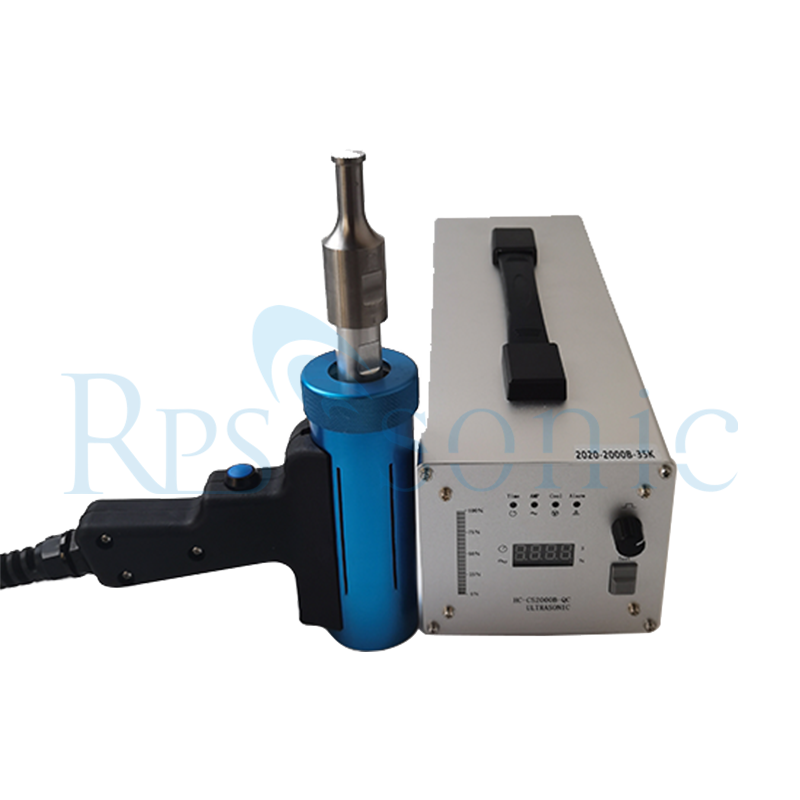
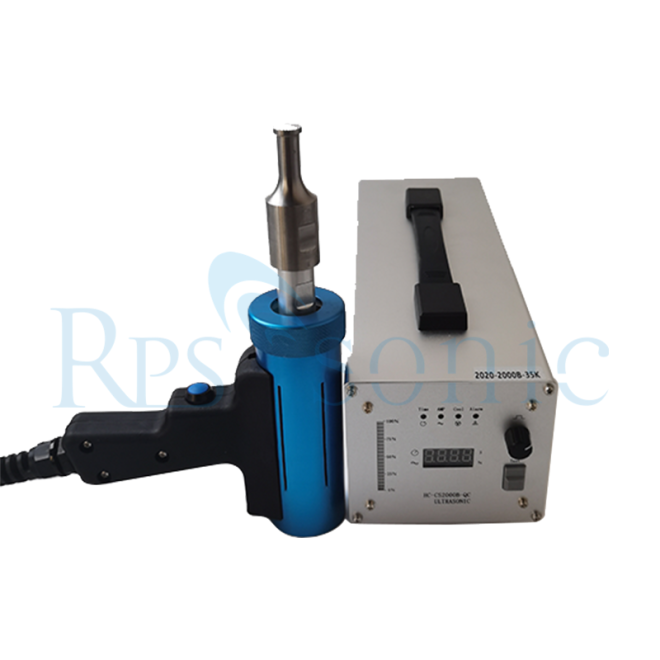
Several key components make up an ultrasonic welding machine, each playing a vital role in the welding process. The generator converts electrical energy into high-frequency electrical energy. This energy is then transformed into mechanical vibrations by the transducer. The booster amplifies these vibrations to ensure they are of sufficient intensity to create the necessary friction and heat for welding.
● Horn (Sonotrode) and Anvil
The horn, also known as the sonotrode, is responsible for transmitting the amplified vibrations to the materials being welded. It is carefully engineered to match the specific requirements of the welding application. The anvil, on the other hand, holds one of the parts in place during the process, ensuring accurate alignment and pressure.
Working Process of Ultrasonic Welding
● The Role of Vibrations and Friction
The ultrasonic welding process begins when the machine generates high-frequency vibrations that are precisely directed towards the interface of the materials to be joined. These vibrations create frictional heat, sufficient to soften or melt the materials at their interface.
● Molecular Fusion and Cooling Process
As the materials soften, molecular fusion occurs, allowing them to bond at a molecular level. Once the desired fusion is achieved, the vibrations cease, and the materials are allowed to cool under pressure. This cooling process solidifies the bond, creating a strong and durable joint.
Materials Suitable for Ultrasonic Welding
● Thermoplastics and Their Properties
Thermoplastics are particularly well-suited for ultrasonic welding due to their ability to soften and re-harden upon cooling. Materials like polyethylene, polypropylene, and ABS are commonly used in ultrasonic welding applications.
● Soft Metals Like Aluminum and Copper
Apart from thermoplastics, certain soft metals can also be effectively joined using ultrasonic welding. Metals such as aluminum, copper, and nickel can be welded using this technique, provided they are of suitable thickness and composition.
Advantages of Ultrasonic Welding
● Speed and Efficiency in Production
One of the primary advantages of ultrasonic welding is its speed. The process is rapid, often completing in mere seconds, making it ideal for high-volume production lines. This efficiency translates into lower labor and operational costs.
● Strength and Durability of Welds
The bonds created through ultrasonic welding are typically strong and durable, comparable to or even exceeding those achieved through traditional methods. This strength is particularly advantageous in demanding applications such as automotive and aerospace.
● Environmental and Cost Benefits
By eliminating the need for additional materials like adhesives, ultrasonic welding is not only environmentally friendly but also cost-effective. This reduction in material usage and waste contributes to a more sustainable manufacturing process.
Challenges and Limitations
● Material Compatibility and Design Constraints
Despite its advantages, ultrasonic welding does present some challenges. Not all materials are suitable for ultrasonic welding, and careful consideration must be given to material compatibility. Additionally, the design of the parts being welded can impact the effectiveness of the process.
● Equipment Cost and Maintenance
The initial investment in ultrasonic welding equipment can be significant, and regular maintenance is required to ensure optimal performance. However, the long-term benefits often outweigh these initial costs, particularly in high-volume production environments.
Industrial Applications of Ultrasonic Welding
● Uses in Automotive and Electronics Industries
Ultrasonic welding is extensively used in the automotive industry for joining components such as plastic parts in car interiors and dashboards. In the electronics industry, it is employed in the assembly of devices like cell phones, where precision and reliability are paramount.
● Role in Medical Devices and Packaging
The medical device industry benefits from ultrasonic welding for assembling components where hygiene and precision are critical. Additionally, the packaging industry utilizes ultrasonic welding for sealing plastic containers and bags, ensuring the integrity and safety of packaged goods.
Innovations and Future Trends
● Technological Advancements in Ultrasonic Welding
Recent innovations in ultrasonic welding have focused on improving the precision and adaptability of the machines. Advances in automation and control systems have enhanced the efficiency and versatility of ultrasonic welding, allowing for more complex and varied applications.
● Potential Future Applications and Developments
The future of ultrasonic welding looks promising, with ongoing research and development aimed at expanding its applications to new materials and industries. Innovations in materials science and engineering will likely pave the way for even more sophisticated uses of ultrasonic welding technology.
Conclusion: The Impact of Ultrasonic Welding
Ultrasonic welding machines have had a profound impact on the manufacturing industry, offering a fast, efficient, and environmentally friendly method for joining materials. From automotive to electronics and medical devices, the versatility and reliability of ultrasonic welding continue to drive its adoption across various sectors. As the technology advances and new applications are discovered, ultrasonic welding will remain a cornerstone of modern manufacturing.
● About Powersonic
Rps-sonic, operating under the brand Powersonic, is a passionate team of young professionals dedicated to advancing ultrasonic technology. With extensive experience in the industry, they focus on understanding each client's unique needs to deliver the most suitable ultrasonic solutions. Initially specializing in second-hand equipment, Rps-sonic has evolved to produce its own transducers and generators, addressing common issues faced by users. Their commitment to quality and innovation ensures that their products remain compatible with systems from major brands, while their OEM services support global customers, enhancing efficiency and reducing costs.