




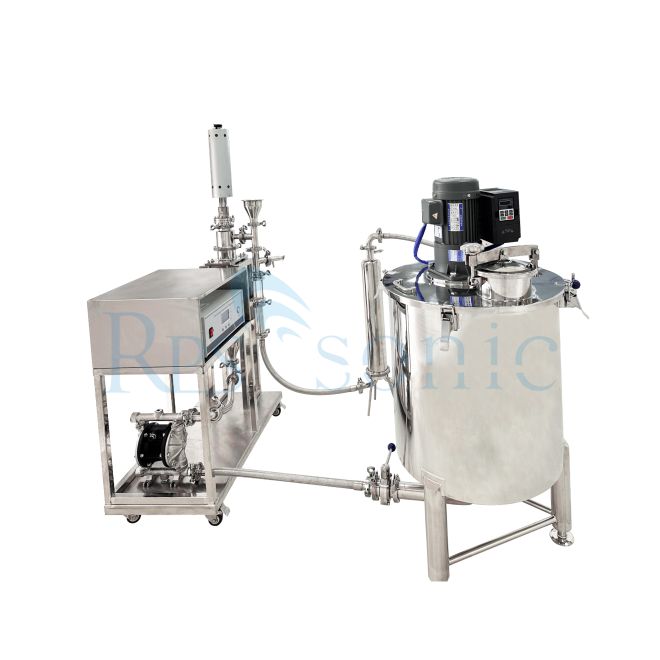

How It Works:
-
Ultrasonic Cavitation:
-
The machine generates high-frequency ultrasonic waves (typically 20–40 kHz) that propagate through a liquid medium.
-
These waves create alternating high-pressure and low-pressure cycles, leading to the formation and collapse of microscopic bubbles (cavitation).
-
The implosion of these bubbles generates intense localized pressure and temperature, disrupting cell walls and releasing intracellular contents.
-
-
Extraction Process:
-
The raw material (e.g., herbs, plants, algae, or biomass) is mixed with a solvent (e.g., water, ethanol, or oil).
-
The mixture is exposed to ultrasonic energy, which enhances the mass transfer of compounds from the raw material into the solvent.
-
The process is faster and more efficient than traditional extraction methods like Soxhlet extraction or maceration.
Applications:
-
Pharmaceutical Industry:
-
Extraction of active pharmaceutical ingredients (APIs) from plants or herbs.
-
-
Food and Beverage:
-
Extraction of flavors, colors, antioxidants, and nutrients from fruits, vegetables, and spices.
-
-
Cosmetics:
-
Extraction of essential oils, fragrances, and bioactive compounds for skincare products.
-
-
Nutraceuticals:
-
Extraction of polyphenols, vitamins, and other health-promoting compounds.
-
-
Biofuels:
-
Extraction of oils from algae or other biomass for biofuel production.
-
-
Environmental Applications:
-
Extraction of contaminants or valuable materials from waste streams.
Technical Specifications (Example):
-
Frequency Range: 20–40 kHz (adjustable for different materials).
-
Power Output: 500–10,000 watts (depending on the scale).
-
Capacity: Can process from a few liters to several hundred liters per hour.
-
Material Compatibility: Stainless steel, titanium, or other corrosion-resistant materials.
-
Temperature Control: Integrated cooling/heating system for precise temperature management.
Control System: Digital interface for monitoring and adjusting parameters.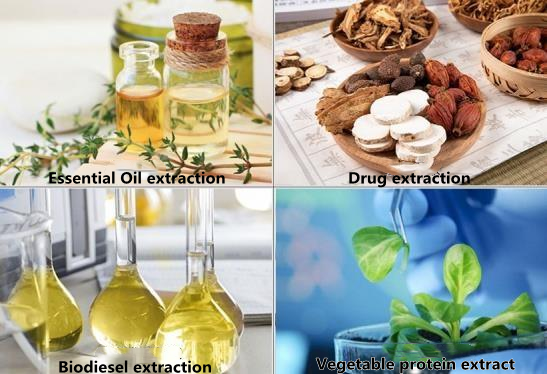
-
-
-
-