




Cell disruption is a key step in obtaining cell contents, such as proteins, nucleic acids, enzymes and other biomacromolecules. Traditional cell disruption methods, such as mechanical grinding, high-pressure homogenization, and enzymatic hydrolysis, have the disadvantages of low efficiency, high cost, and easy inactivation of target products. As an emerging physical disruption method, ultrasonic cell disruption technology has received more and more attention in recent years due to its unique advantages.
Principle of ultrasonic cell disruption
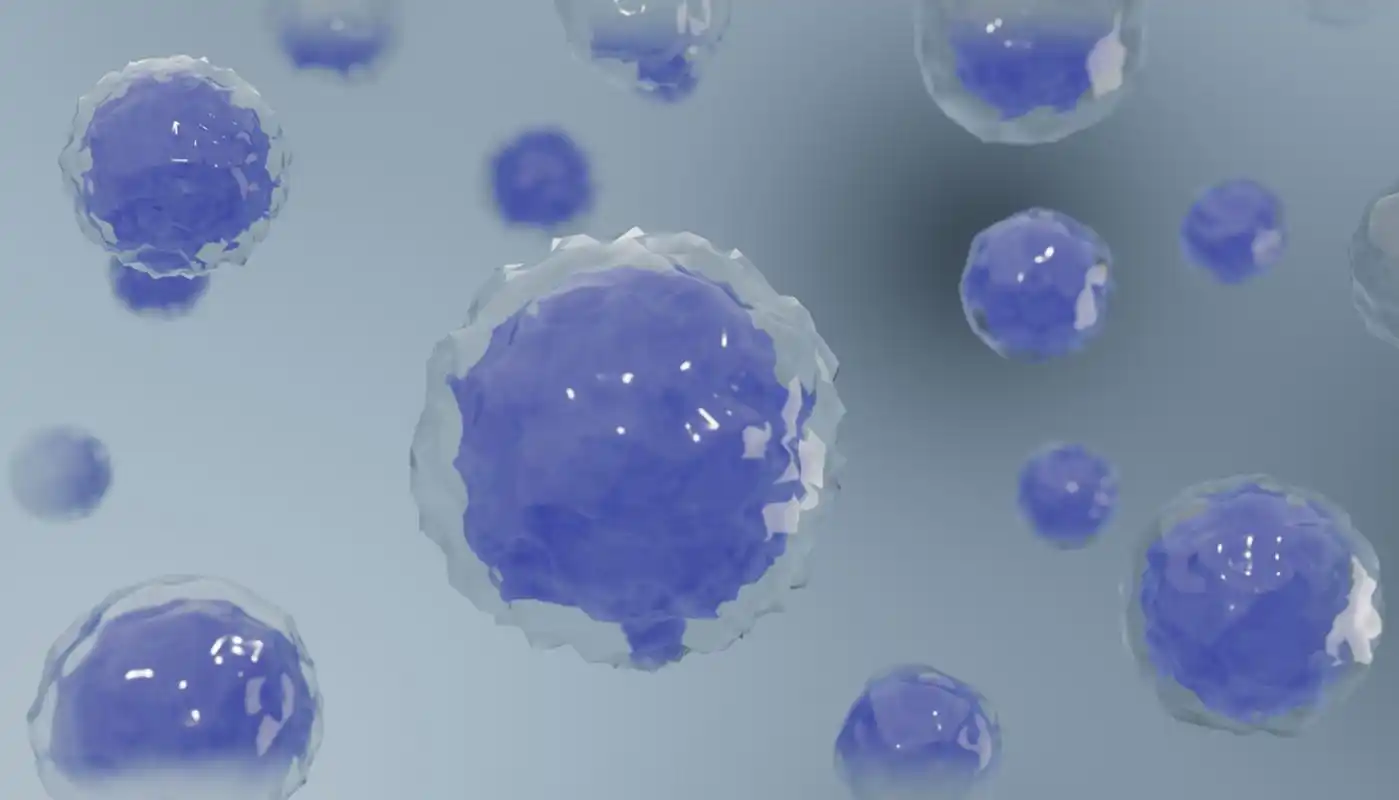
The principle of ultrasonic cell disruption is mainly based on the cavitation effect of ultrasound. When high-intensity ultrasound acts on a liquid medium, alternating compression and expansion cycles will occur. During the expansion cycle, tiny bubbles (cavitation nuclei) will form in the liquid; during the compression cycle, these bubbles will collapse rapidly, generating instantaneous high temperature and high pressure and strong shock waves. The mechanical force generated by this cavitation effect is sufficient to destroy the cell membrane and cell wall, thereby releasing the cell contents.
Ultrasonic cell disruption equipment
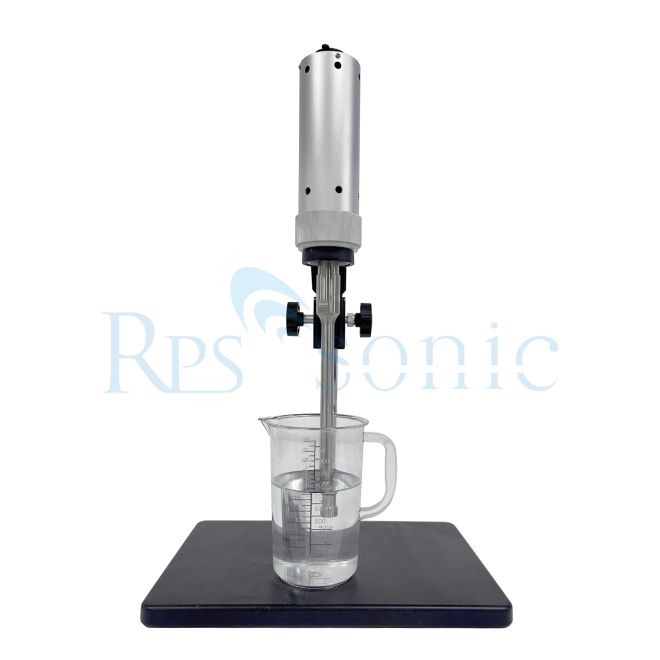
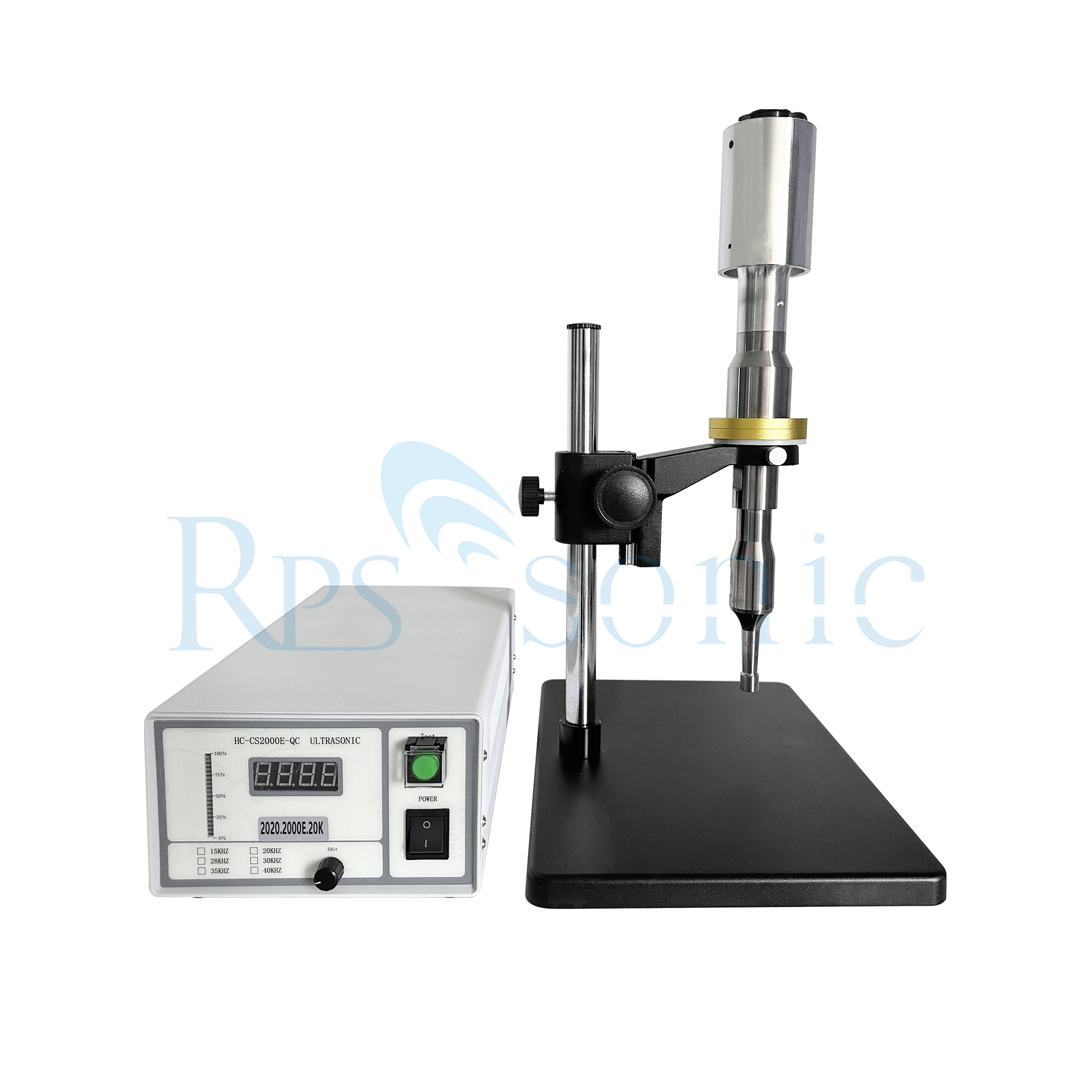
Ultrasonic cell disruption equipment is mainly composed of an ultrasonic generator, a transducer and a probe. The ultrasonic generator generates a high-frequency electrical signal, the transducer converts the electrical signal into mechanical vibration, and the probe transmits the mechanical vibration to the sample.
According to the volume and method of processing samples, ultrasonic cell disruption equipment can be divided into:
▪Probe-type ultrasonic disruptor: Suitable for small-volume sample processing, high disruption efficiency, but prone to local overheating.
▪Ultrasonic cleaning machine: Suitable for large-volume sample processing, easy to operate, but relatively low disruption efficiency.
▪Continuous flow ultrasonic disruption system: Suitable for large-scale continuous production, high disruption efficiency, but high equipment cost.
Application of Ultrasonic Cell Disruption
Ultrasonic cell disruption technology is widely used in many fields, mainly including:
▪Bioengineering: used to extract intracellular enzymes, proteins, DNA, RNA and other biomacromolecules, and used in genetic engineering, protein engineering, metabolic engineering and other research.
▪Medicine: used to prepare vaccines, drug carriers, gene therapy carriers, etc.
▪Food: used to extract plant active ingredients, sterilize, emulsify, etc.
▪Other fields: such as environmental monitoring, cosmetics, nanomaterial preparation, etc.