




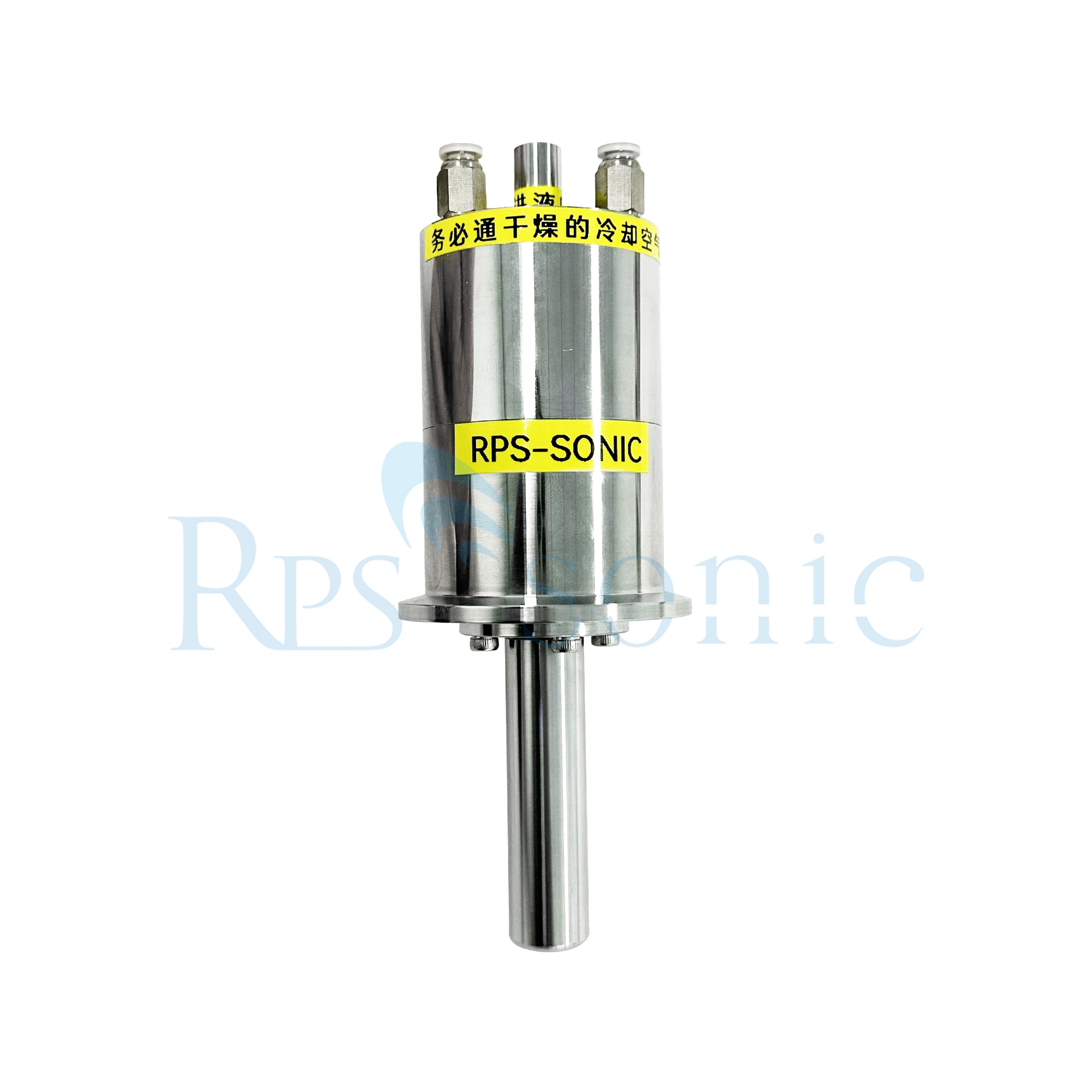
Long mouth type Ultrasonic spray coating equipment easy to use for thin film spraying


Long mouth type Ultrasonic spray coating equipment easy to use for thin film spraying
Paramater
|
Frequency (khz) |
40Khz |
60Khz |
100Khz |
120Khz |
|
Generator model |
HF010 |
HF010 |
HF010 |
HF010 |
|
Input Voltage |
220V/50Hz |
220V/50Hz |
220V/50Hz |
220V/50Hz |
|
spray nozzle material |
Titanium alloy |
Titanium alloy |
Titanium alloy |
Titanium alloy |
|
Shell material |
Stainless steel |
Stainless steel |
Stainless steel |
Stainless steel |
|
Communication port with RS485 |
DB15 |
DB15 |
DB15 |
DB15 |
|
coating width |
10~50mm |
10~35mm |
2~10mm |
2~8mm |
|
coating particle size |
15~40um |
10~20um |
5~15um |
1~10um |
|
Material viscosity requirement |
<100cps |
<80cps |
<50cps |
<50cps |
|
solid content |
<10% |
<10% |
<10% |
<10% |
|
Ultrasonic power |
100W ,10~90% adjustable |
100W ,10~90% |
100W ,10~90% |
100W ,10~90% |
|
External fluid viscosity requireme |
n< 100cps |
< 100cps |
< 100cps |
< 100cps |
|
coating flow capacity |
<40ml/min |
<15ml/min |
<7ml/min |
<5ml/min |
|
Hole diameter |
0.3~1.5mm |
0.3~1mm |
0.3~0.8mm |
0.3~0.5mm |
Description
Ultrasonic atomization spraying equipment is widely used in the fields of industry and research and development. Because of environmental factors and excessive pollution, scientists, engineers and designers have adopted ultrasonic spraying equipment. Ultrasonic spraying equipment is more accurate and easier as a door. Control and more environmentally friendly spraying technology will replace the traditional two-fluid spraying. In addition, because this spray will not block or wear, it can also contribute to reducing downtime in critical manufacturing processes.
“RPS-SONIC” ultrasonic spraying equipment, with its gentle spray characteristics, greatly reduces overspray, thereby reducing costs and pollution to the surrounding air. At the same time, this new technology also expands more application areas, for example, It is ideal when spraying flow is required. For substrate spraying, atomization and humidification, thin film coating, spray drying, flux spraying, film spraying, fine line spraying and other industrial and research and development applications, “RPS-SONIC” ultrasonic spraying equipment will produce better than other technologies Effect.
Principle
Ultrasonic atomization spraying uses piezoelectric effect to convert electrical energy into high-frequency mechanical energy to atomize liquid. Ultrasonic high-frequency oscillation is used to atomize liquid into uniform micron-sized particles. Compared with traditional pressure nozzles, ultrasonic spraying can obtain a more uniform, thinner and more controllable film coating, and it is not easy to block the nozzles. Since the ultrasonic nozzle only needs a tiny air volume of kilopascals, there is almost no splash during the spraying process, so the paint utilization rate is as high as 90%.
Ultrasonic spraying is a successful technique. For example, high-quality and high-performance coating on the substrate. Through precise control of various process parameters of ultrasonic spraying, over spraying can be avoided and precise droplet distribution can be achieved. The advantage of ultrasonic spraying is that it can accurately control the size of the droplets, and the spray intensity is the same as the liquid flow rate.
The difference between atomizing nozzle and traditional nozzle
Unlike the traditional spray heads that rely on pressure and high-speed motion to crush liquids into small particles, ultrasonic nozzles use lower ultrasonic vibration energy to atomize liquids. The liquid is delivered to the spray head by its own gravity or a low-pressure liquid pump to achieve continuous or intermittent atomization. In the case of not exceeding the limit, the amount of liquid atomization is only determined by the delivery amount of the liquid.
Traditional two-fluid nozzle
1. Use the kinetic energy atomization of the two fluids of gas and liquid
2. The spray has a large impact, which will cause splashing and waste of raw materials
3. Poor uniformity of atomized particles
4. The size of atomized particles is determined by the nozzle diameter
5. When the nozzle mouth is very thin, it is easy to block the nozzle
6. Can not accurately control the spray flow rate, and can not continue to spray at a lower flow rate
RPS-SONIC ultrasonic atomizing nozzle
1. Use high frequency ultrasonic oscillation to atomize liquid
2. The spray impact is very small, and will not cause splashing and waste of raw materials
3. The uniformity of atomized particles is very high
4. The size of the atomized particles is determined by the ultrasonic frequency and has nothing to do with the nozzle diameter
5. The nozzle diameter is adjustable, and the ultrasonic oscillation is maintained, which is not easy to block the nozzle
6. It can accurately control the spray flow rate, and spray continuously at very low flow rate
- Previous:Easy to clean Ultrasonic food Cutting Machine food cutter for Dough cutting
- Next:Ultrasonic spot welding machine spot welding gun for auto parts welding
Q1.What kind material of the horn?
A. Titanium alloy, we also customized aluminum hom for customer before.
Q2.What’s the time of delivery?
A. For Conventional hom, 3 days, for customized hom 7 work days.
Q3.Does ultrasonic extraction also require the addition of a chemical catalyst?
A. No . but some time need Mechanical stiring.
Q4.Can the device work continously?
A. Yes ,it can work 24hours continously.
Q5.What’s the Processing capacity of one set ultrasonic extraction equipment?
A. Different hor different Processing capacity, for 2000W Nine section whip horm can dealing 2L~10Lmin.
Q6.What’s the warranty of your sonicator equipment?
A. All equipment one year warranty.
-

50Khz Industrial Scattering Type Atomized Ultrasonic Spraying Nozzlefor Paint Spraying
-

Automatic Ultrasonic Atomizing machine for Flux Coating Graphene Coating
-
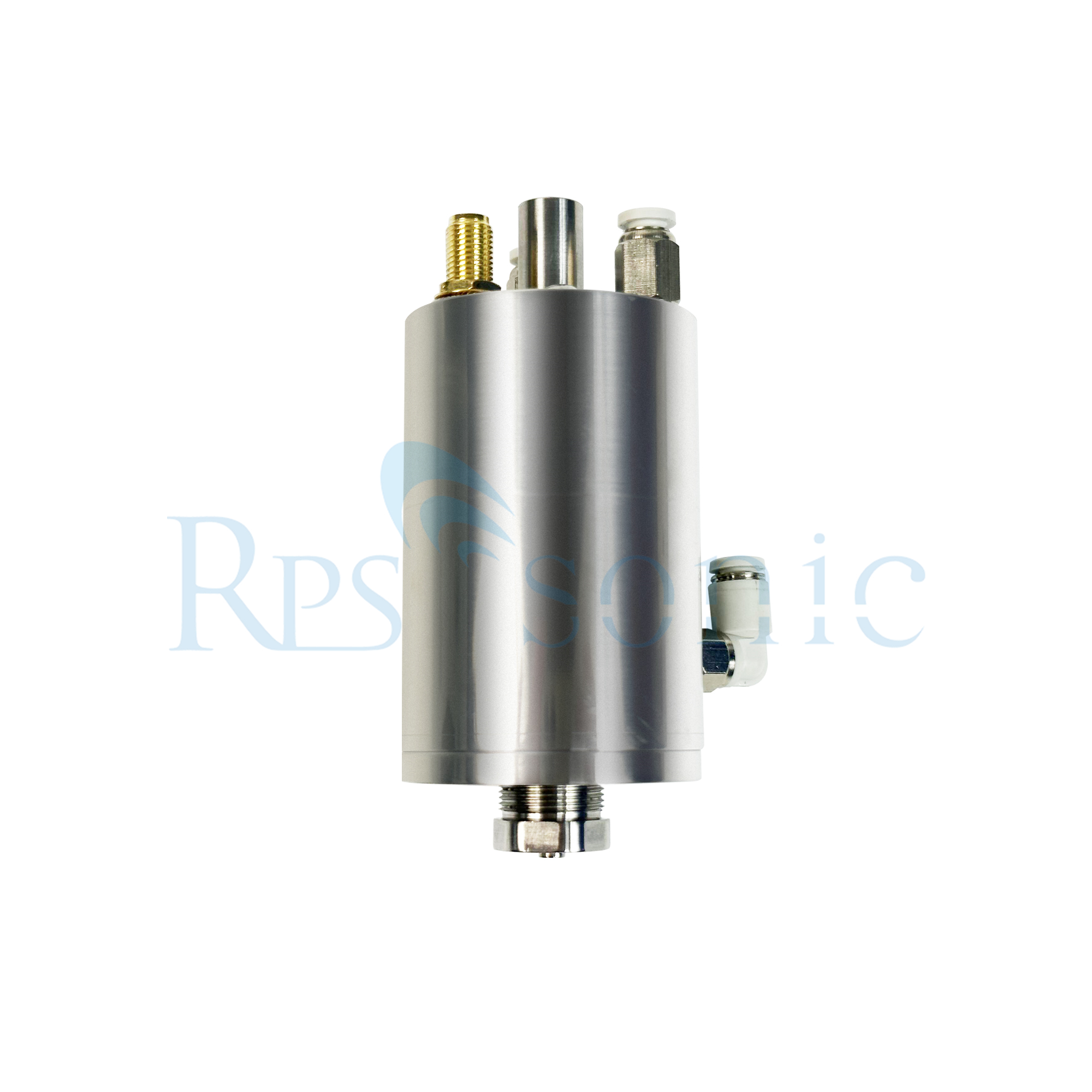
High frequency Digital Generator Ultrasonic Atomizing Nozzle For Flux Spraying
-
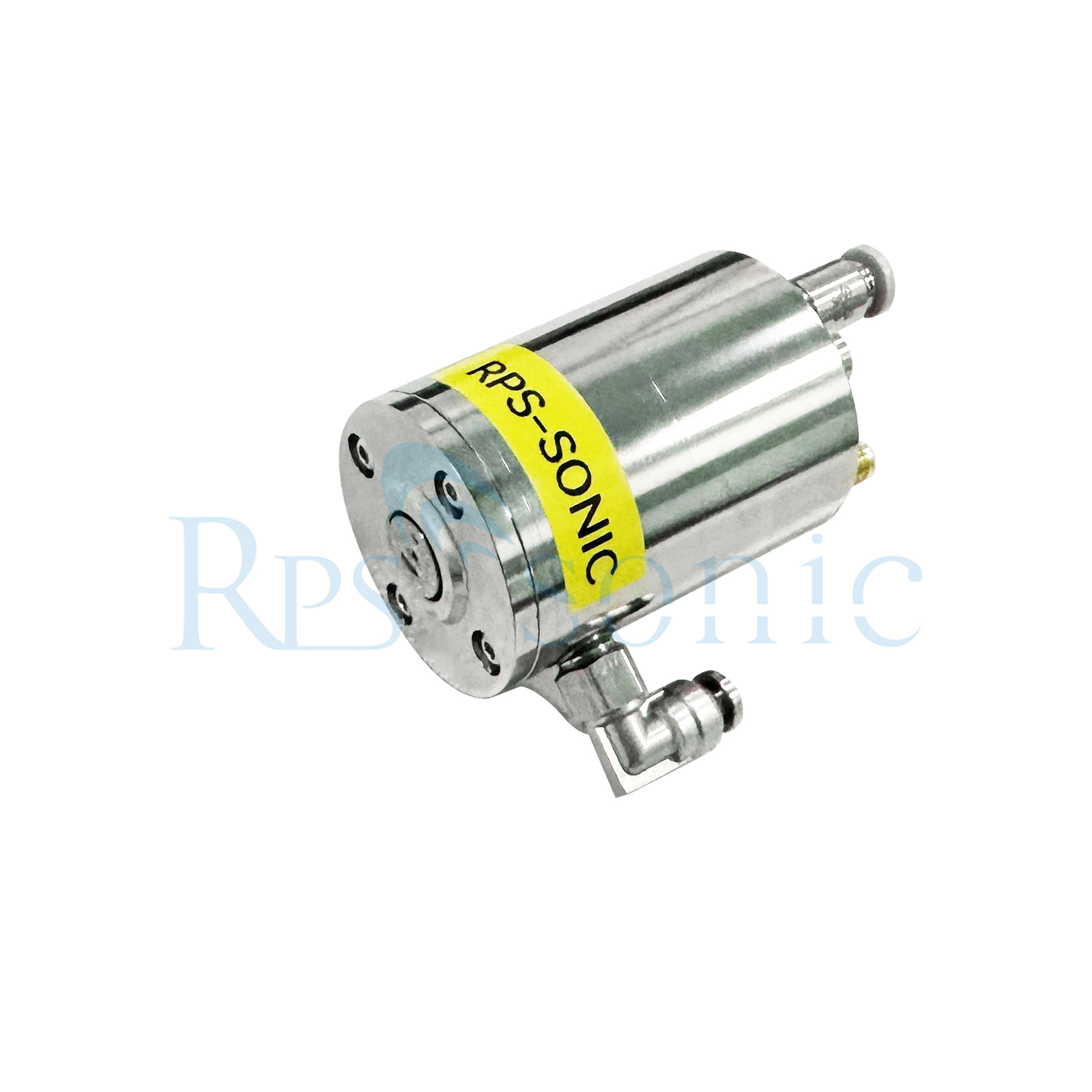
50khz Ultrasonic Spray Coating Equipment For Thin Film Spraying
-
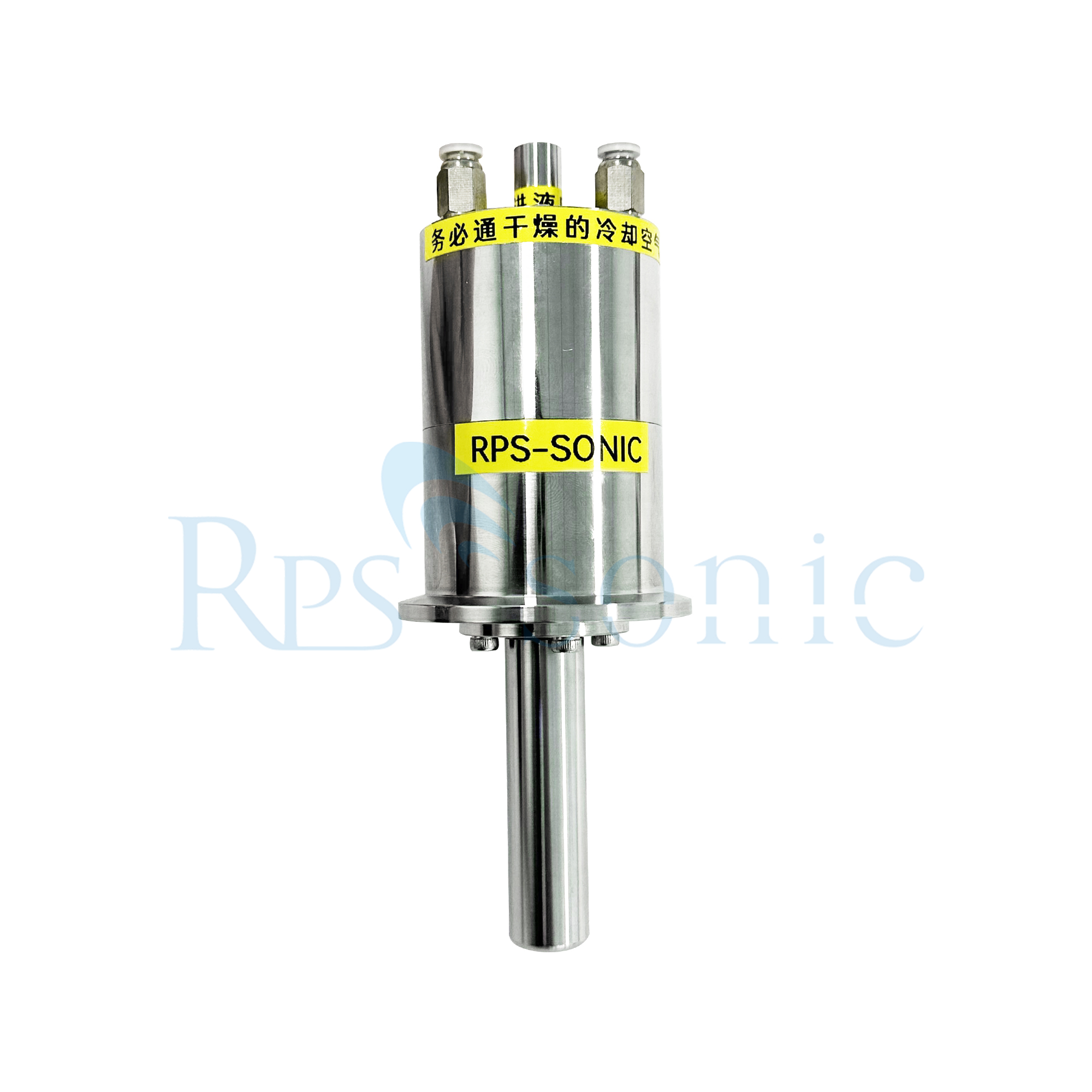
60kHz High frequency Ultrasonic spray coating equipment easy to use for thin film spraying
-
50Khz High Frequency Ultrasonic Atomization Nozzle for antimicrobial coatings
-

100K Ultrasonic spray coating nozzle ultrasonic sprayer for spray catalyst ink on PEM membranes
-
40KHz ultrasonic spray nozzle ultrasonic spray coating machine
-

60KHz ultrasonic spray nozzle for coating organic silane
-

Ultrasonic spray coating nozzle with pump for spray catalyst ink on PEM membranes
-

120KHz ultrasonic spray nozzle for coating organic silane