




Ultrasonic Probe Homogenizer with Titanium Horn - Powersonic
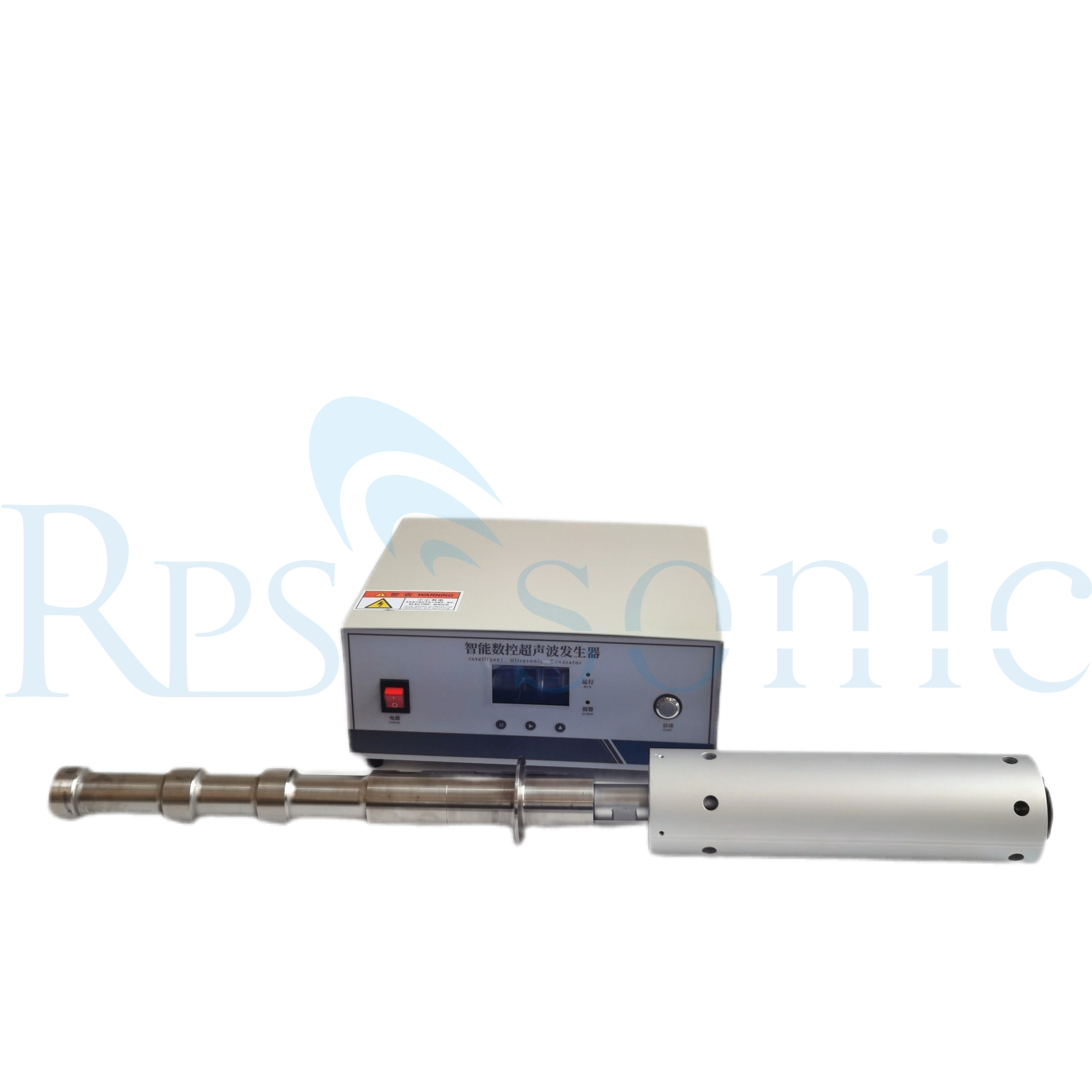
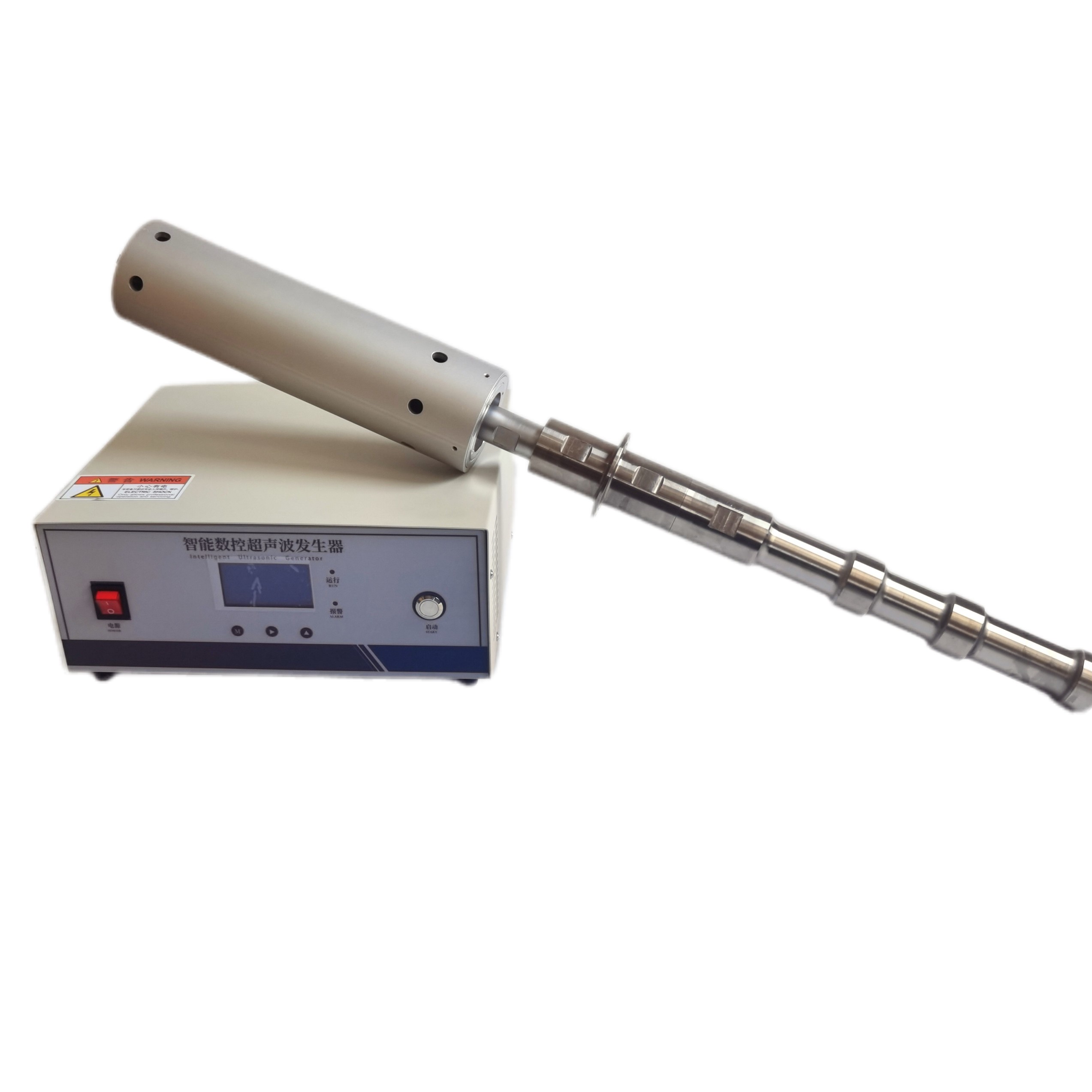
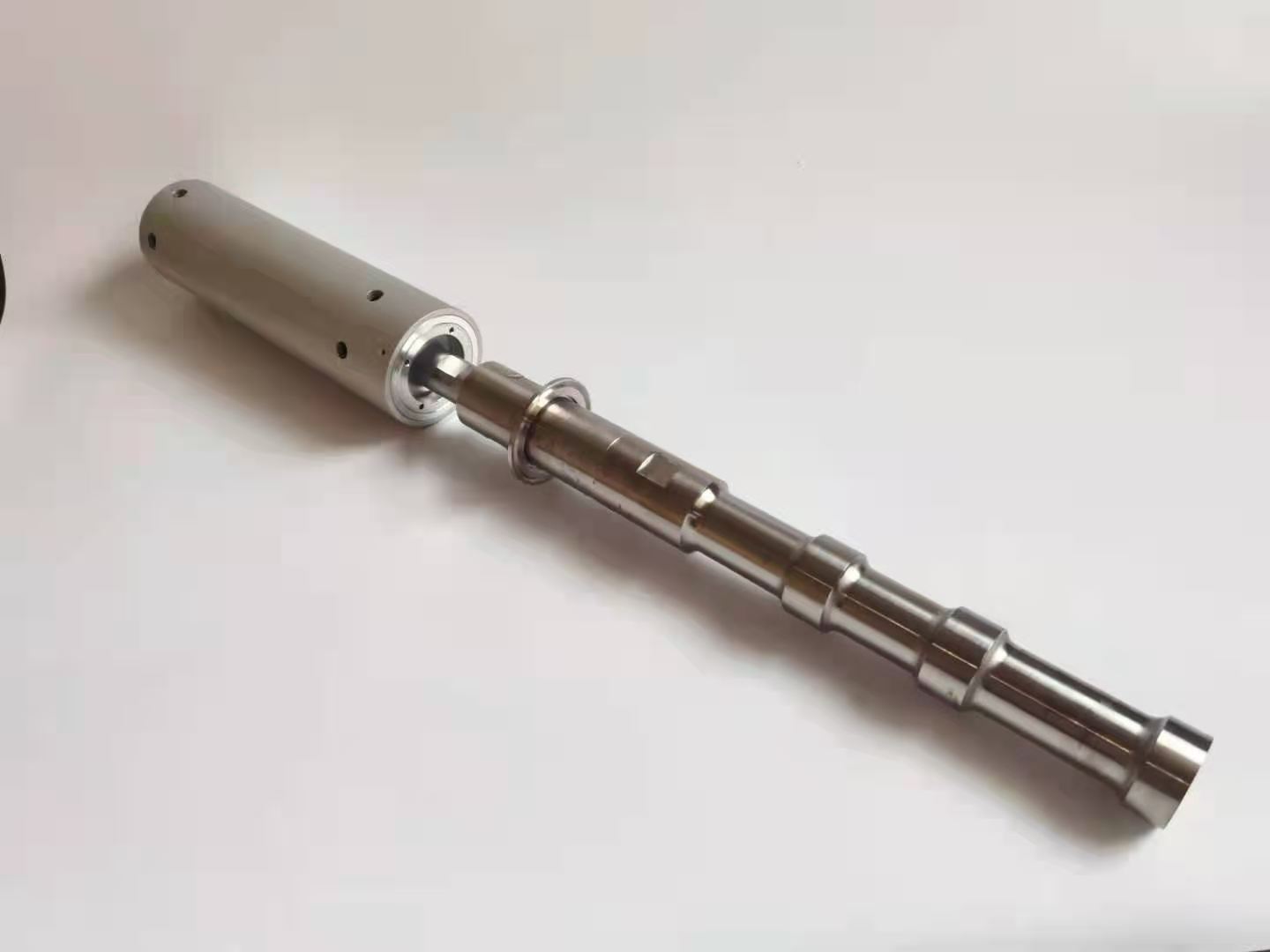
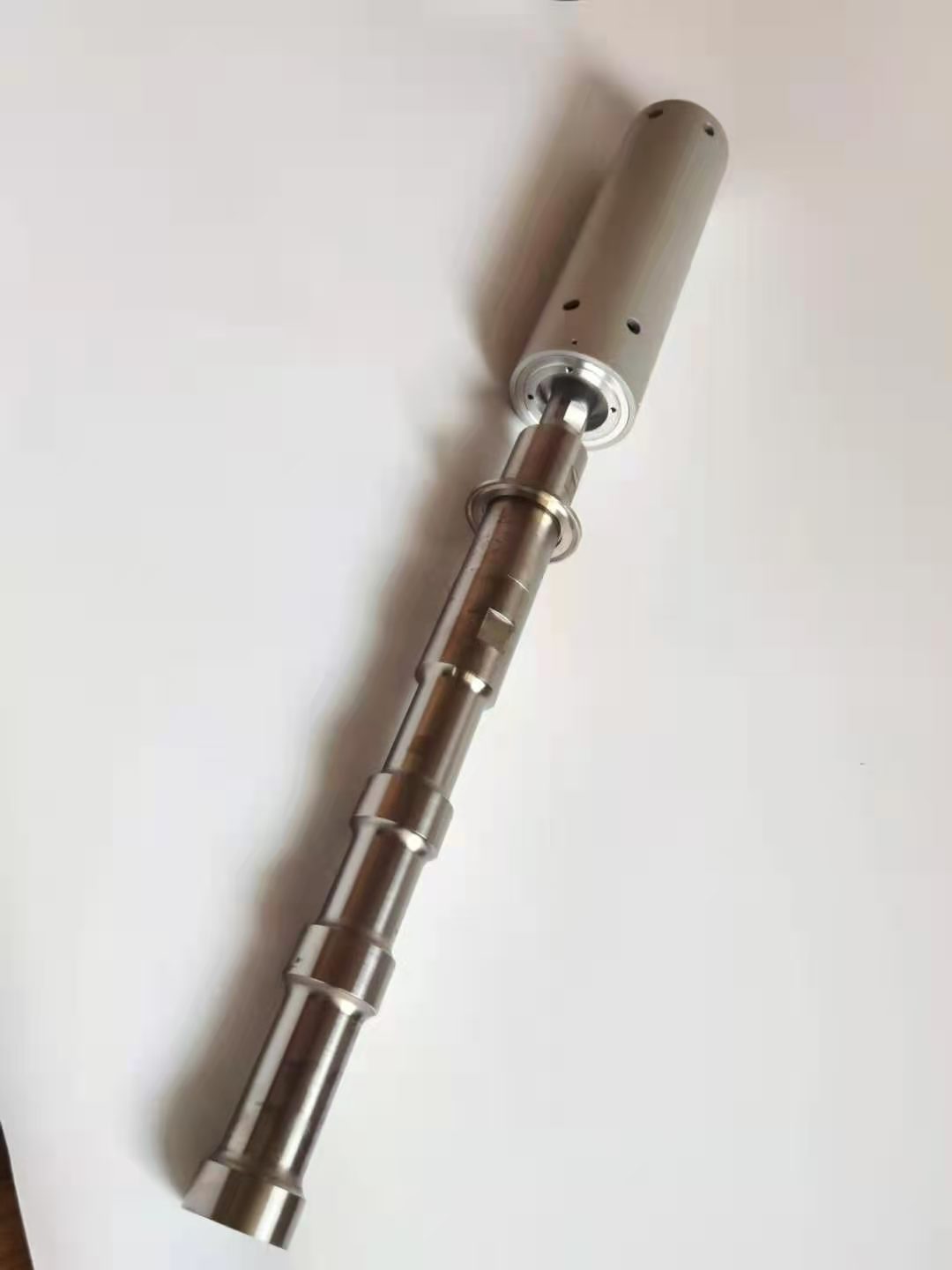
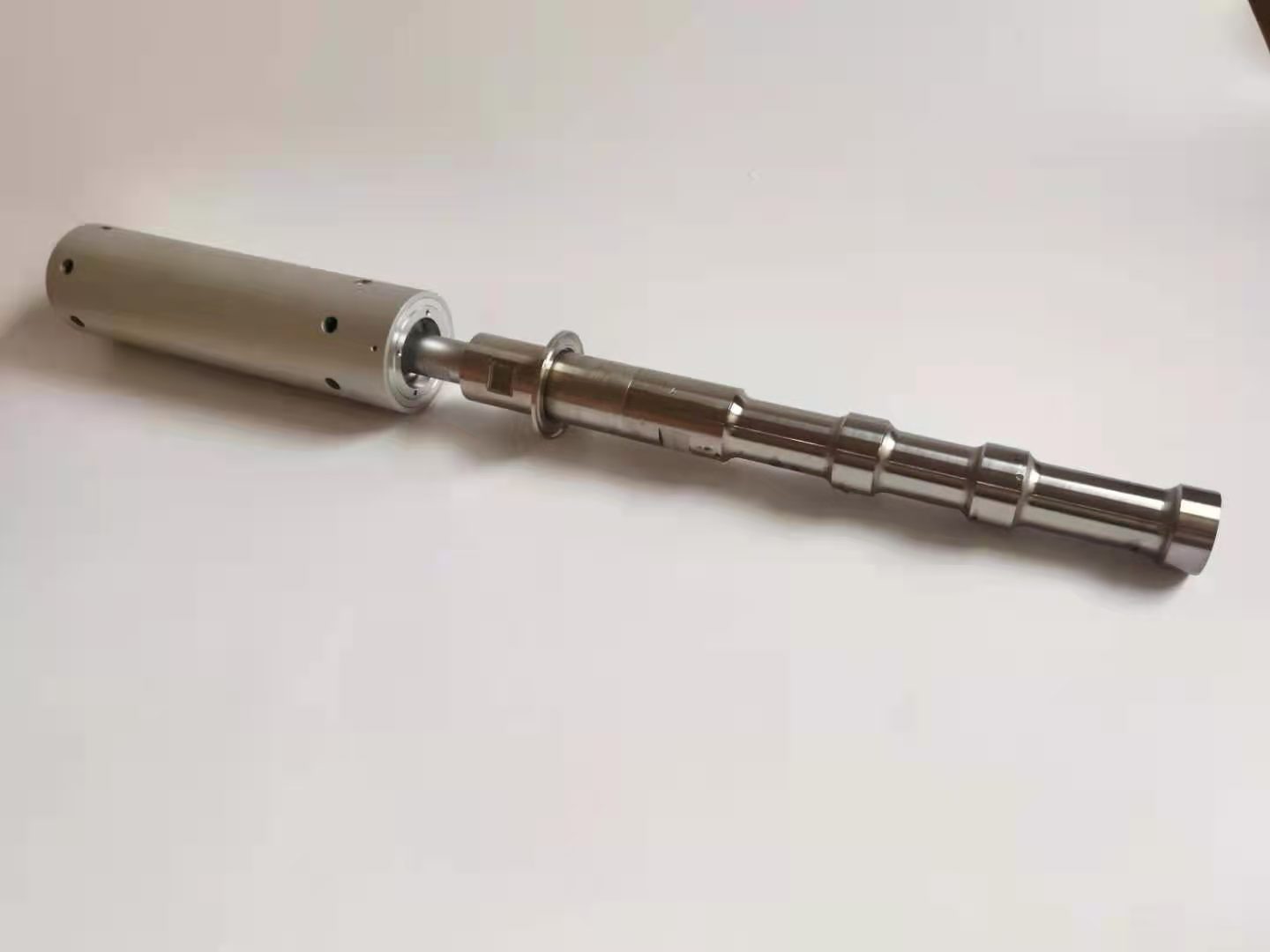
20Khz 2000w Ultrasonic liquid processor with titanium horn for Degassing and liquid defoaming
Parameter
| Model | SONO20-1000 | SONO20-2000 | SONO15-3000 | SONO20-3000 |
| Frequency | 20±0.5 KHz | 20±0.5 KHz | 15±0.5 KHz | 20±0.5 KHz |
| Power | 1000 W | 2000 W | 3000 W | 3000 W |
| Voltage | 220/110V | 220/110V | 220/110V | 220/110V |
| Temperature | 300 ℃ | 300 ℃ | 300 ℃ | 300 ℃ |
| Pressure | 35 MPa | 35 MPa | 35 MPa | 35 MPa |
| Intensity of sound | 20 W/cm² | 40 W/cm² | 60 W/cm² | 60 W/cm² |
| Max Capacity | 10 L/Min | 15 L/Min | 20 L/Min | 20 L/Min |
| Tip Head Material | Titanium Alloy | Titanium Alloy | Titanium Alloy | Titanium Alloy |
Description
Ultrasonic equipment can effectively degas and defoam liquids. In this case, ultrasound removes small suspended bubbles from the liquid and reduces the level of dissolved gas below the natural equilibrium level.
There are many uses for degassing and defoaming liquids, such as:
Particle size measurement before sample preparation to avoid measurement errors.
The oil and lubricating oil are degassed before pumping to reduce pump wear caused by cavitation.
Degas liquid foods (such as juice, soy sauce or wine) to reduce microbial growth and extend shelf life.
When ultrasonic treatment of liquids, the sound waves propagating from the radiating surface to the liquid medium will generate alternating cycles of high pressure (compression) and low pressure (rare), the rate of which depends on the frequency. During the low-pressure cycle, high-intensity ultrasound will create small vacuum bubbles or voids in the liquid. A large number of small bubbles are evenly distributed in the liquid, resulting in more bubble surface area. The dissolved gas migrates into these vacuum (low pressure) bubbles through a larger surface area and increases the size of the bubbles.
The sound waves support the contact and merging of adjacent bubbles, thereby accelerating the growth of the bubbles. The sound waves will also help to detach the bubbles from the surface of the container and force smaller bubbles located below the surface of the liquid to rise and release the entrained gas into the environment.
Degas before emulsification and dispersion
Ultrasonic degassing can significantly improve the quality of dispersions and emulsions.
The problem
Emulsions and dispersions usually contain surfactants to increase stability. The surfactant will inhibit the contact and coalescence or aggregation of the dispersed material in the liquid phase. For this reason, the surfactant will form a layer around each particle. Similarly, surfactants can also encapsulate bubbles suspended in the liquid phase. This stable bubble can prove to be very robust. It consumes surfactants, reduces the quality of emulsions or dispersions, and produces unstable readings when measuring particle size.
solution
In order to reduce the problem of bubble stability, the liquid can be simply degassed by ultrasonic treatment. Before adding the dispersed phase (such as oil or powder), ultrasonically treat the liquid until the number of bubbles generated is reduced. When mixing other materials, avoid creating new bubbles or vortexes during mixing, which will quickly increase the gas content.

This device guarantees an unprecedented level of liquid processing efficiency, making it a superior choice for those seeking powerful acoustic cavitation. Thanks to its high-powered ultrasonic waves and titanium horn, it excels at degassing and defoaming liquids, ensuring the production of pure, bubble-free suspensions. Equipped with this Ultrasonic Probe Homogenizer, you can easily enhance your output quality while boosting productivity. Experience a seamless blend of performance, precision, and power optimized for your needs. Choose Powersonic's Ultrasonic Probe Homogenizer for a reliable and ultra-effective solution to all your homogenizing requirements.
Q1.What kind material of the horn?
A. Titanium alloy, we also customized aluminum hom for customer before.
Q2.What’s the time of delivery?
A. For Conventional hom, 3 days, for customized hom 7 work days.
Q3.Does ultrasonic extraction also require the addition of a chemical catalyst?
A. No . but some time need Mechanical stiring.
Q4.Can the device work continously?
A. Yes ,it can work 24hours continously.
Q5.What’s the Processing capacity of one set ultrasonic extraction equipment?
A. Different hor different Processing capacity, for 2000W Nine section whip horm can dealing 2L~10Lmin.
Q6.What’s the warranty of your sonicator equipment?
A. All equipment one year warranty.
-
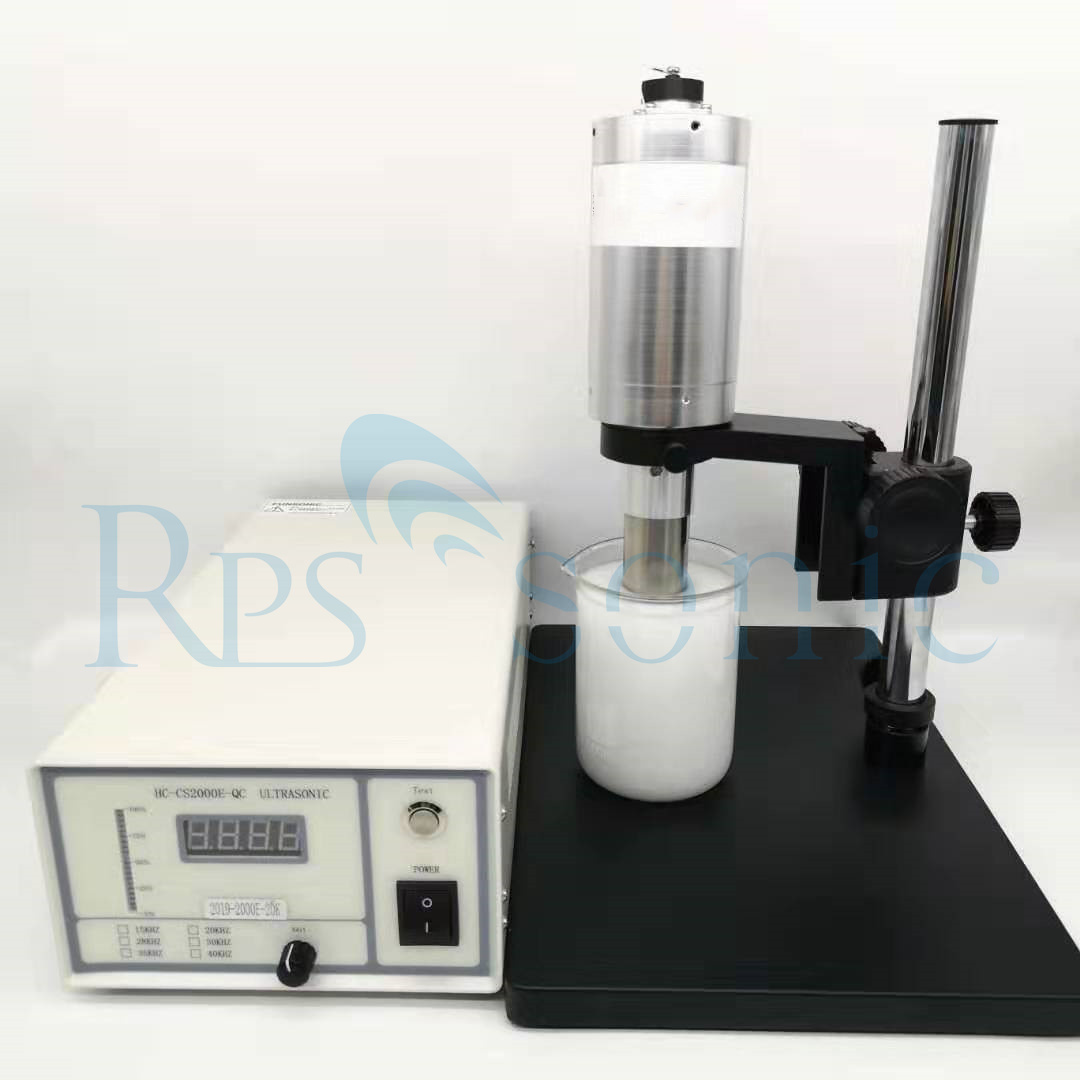
20Khz small-scale Ultrasonic Homogenizer sonicator cell disrupter mixer
-

Factory Customized China High Quality Industrial Portable Ultrasonic Homogenizer
-
20Khz Ultrasonic sonochemistry ultrasonic reactor for oil extraction
-
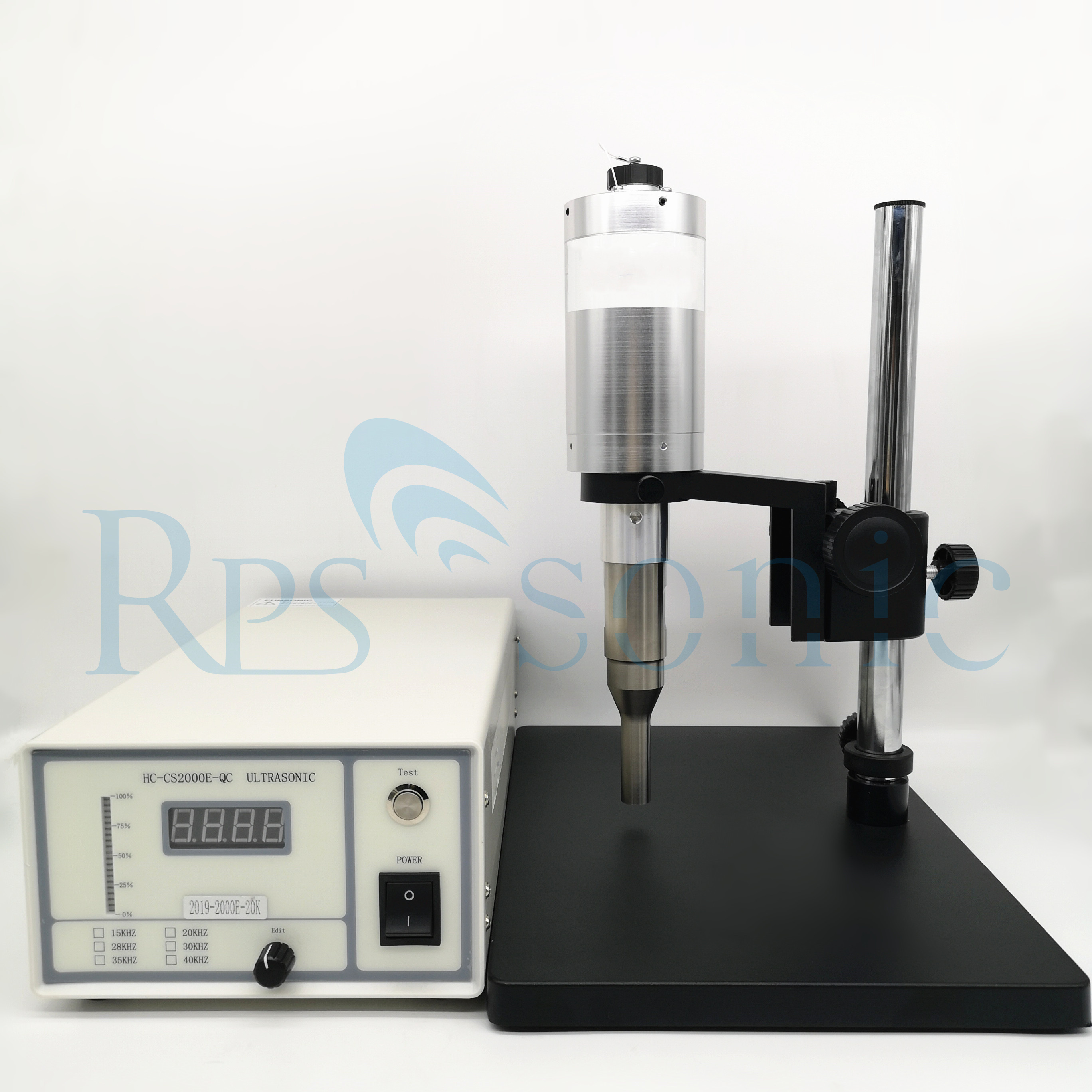
20Khz 1500w Ultrasonic Homogenizer For Ultrasonic dispersion and depolymerization
-

35Khz 800w handheld Ultrasonic spot welding machine with spot welding gun
-
Factory made hot-sale China 20KHZ Titanium Alloy Ultrasonic Food Cutting Blade For CNC Food Cutting Machine