



Ultrasonic tinning equipment is a key piece of equipment in metal surface treatment in the manufacturing industry. Leveraging ultrasonic technology, it has revolutionized traditional tinning methods and become a core process support in fields such as electronics and new energy. Its core value lies in achieving efficient and clean tinning without the need for chemical fluxes, driving the industry towards a green and high-end transformation.
The equipment converts mains power into high-frequency current via a drive power supply, which is then converted into micron-level longitudinal vibration by a transducer and amplified by an amplitude transformer before being transmitted to the vibrating head. When the workpiece is immersed in molten solder, the cavitation effect generated by the high-frequency vibration strips away the oxide layer on the metal surface and simultaneously pushes the molten solder to penetrate into the micropores of the material. A dense, bubble-free plating layer can be formed in just 2-3 seconds, without the need for pretreatment or subsequent cleaning processes.
Key Advantages
1.Environmentally Friendly and Clean: Eliminates traditional flux, eliminating harmful gas and wastewater emissions and reducing the risk of corrosion on soldered parts.
2.Highly Efficient and Low-Cost: Increases production efficiency by over 50%, reduces solder consumption by 30%, and supports aluminum-for-copper technology, saving 80% on wire costs.
3.Widely Applicable: Can solder materials that are difficult to process using traditional methods, such as glass, ceramics, and semiconductors; compatible with joining dissimilar materials.
4.Stable and Reliable: Strong plating adhesion and excellent sealing performance, meeting the requirements of use in extreme environments.
This equipment has been widely used in the production of electronic components, new energy vehicle battery electrodes, solar panels, and aerospace devices. It has become a key piece of equipment for improving product reliability, especially in high-precision applications such as aluminum wire welding for motors, sensor manufacturing, and photovoltaic glass electrode connection. With the advancement of green transformation in manufacturing, the global market size reached $528 million in 2024 and is expected to continue its steady growth.

- English
- French
- German
- Portuguese
- Spanish
- Russian
- Japanese
- Korean
- Arabic
- Irish
- Greek
- Turkish
- Italian
- Danish
- Romanian
- Indonesian
- Czech
- Afrikaans
- Swedish
- Polish
- Basque
- Catalan
- Esperanto
- Hindi
- Lao
- Albanian
- Amharic
- Armenian
- Azerbaijani
- Belarusian
- Bengali
- Bosnian
- Bulgarian
- Cebuano
- Chichewa
- Corsican
- Croatian
- Dutch
- Estonian
- Filipino
- Finnish
- Frisian
- Galician
- Georgian
- Gujarati
- Haitian
- Hausa
- Hawaiian
- Hebrew
- Hmong
- Hungarian
- Icelandic
- Igbo
- Javanese
- Kannada
- Kazakh
- Khmer
- Kurdish
- Kyrgyz
- Latin
- Latvian
- Lithuanian
- Lithuanian
- Macedonian
- Malagasy
- Malay
- Malayalam
- Maltese
- Maori
- Marathi
- Mongolian
- Burmese
- Nepali
- Norwegian
- Pashto
- Persian
- Punjabi
- Serbian
- Sesotho
- Sinhala
- Slovak
- Slovenian
- Somali
- Samoan
- Scots Gaelic
- Shona
- Sindhi
- Sundanese
- Swahili
- Tajik
- Tamil
- Telugu
- Thai
- Ukrainian
- Urdu
- Uzbek
- Vietnamese
- Welsh
- Xhosa
- Yiddish
- Yoruba
- Zulu
- Kinyarwanda
- Tatar
- Oriya
- Turkmen
- Uyghur

For ultrasonic plating equipment, look to RPS-SONIC
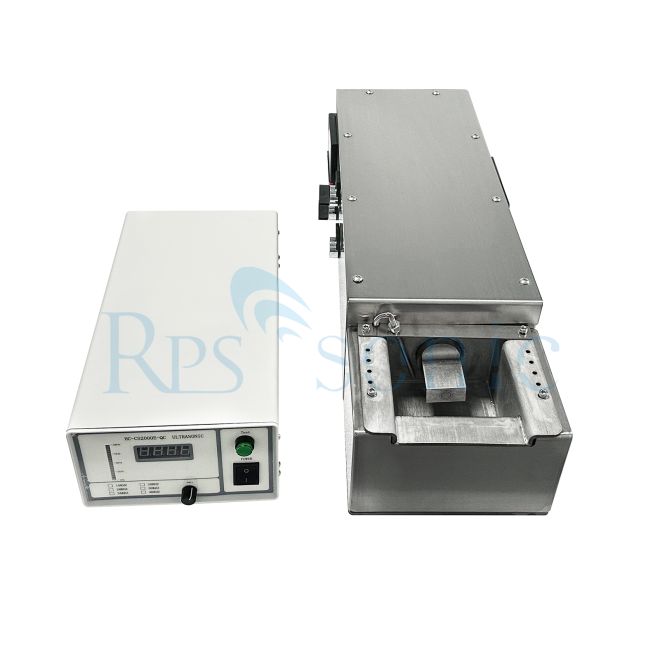
Table of Contents