




Ultrasonic flow cell homogenizer for CBD oil extraction with 100L tank
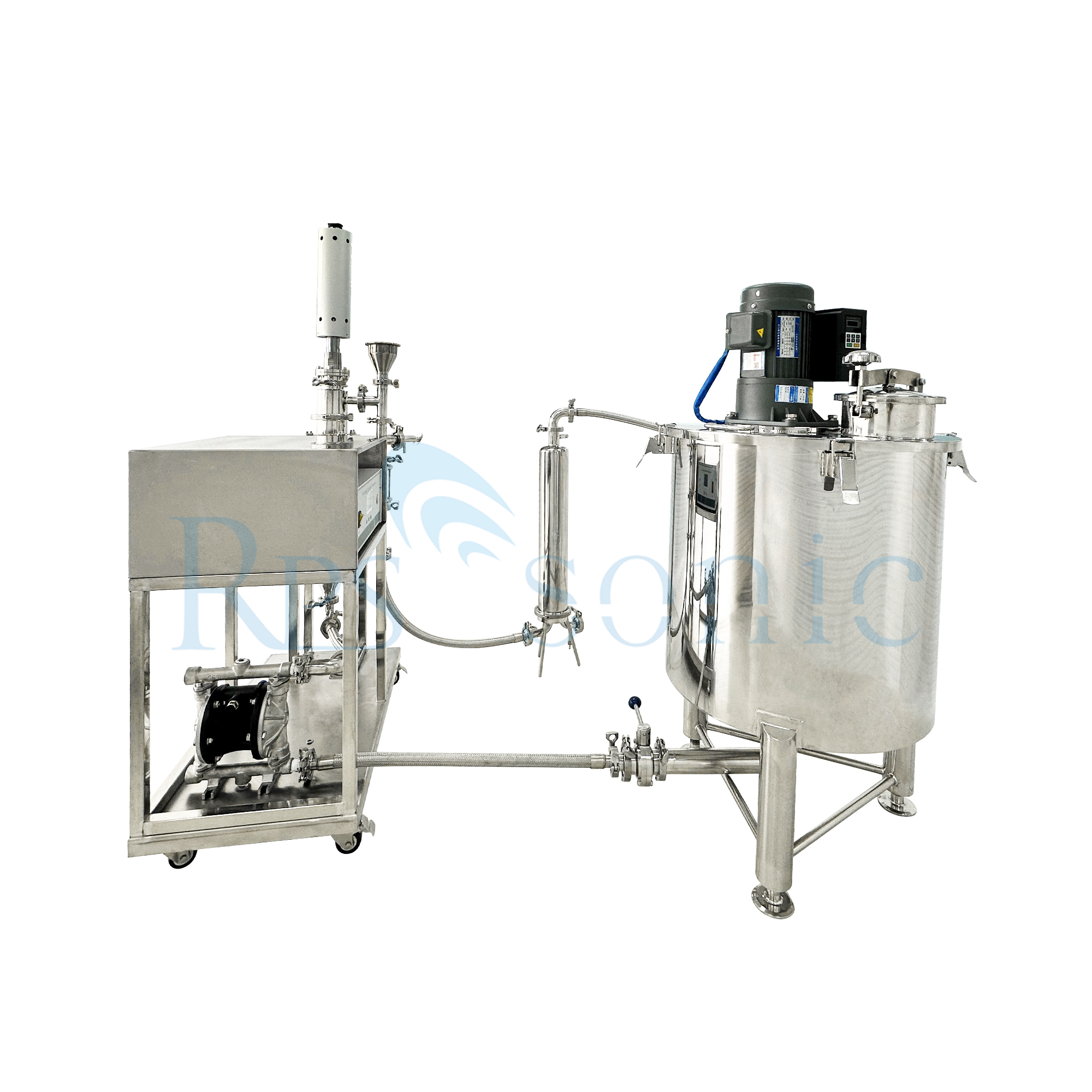
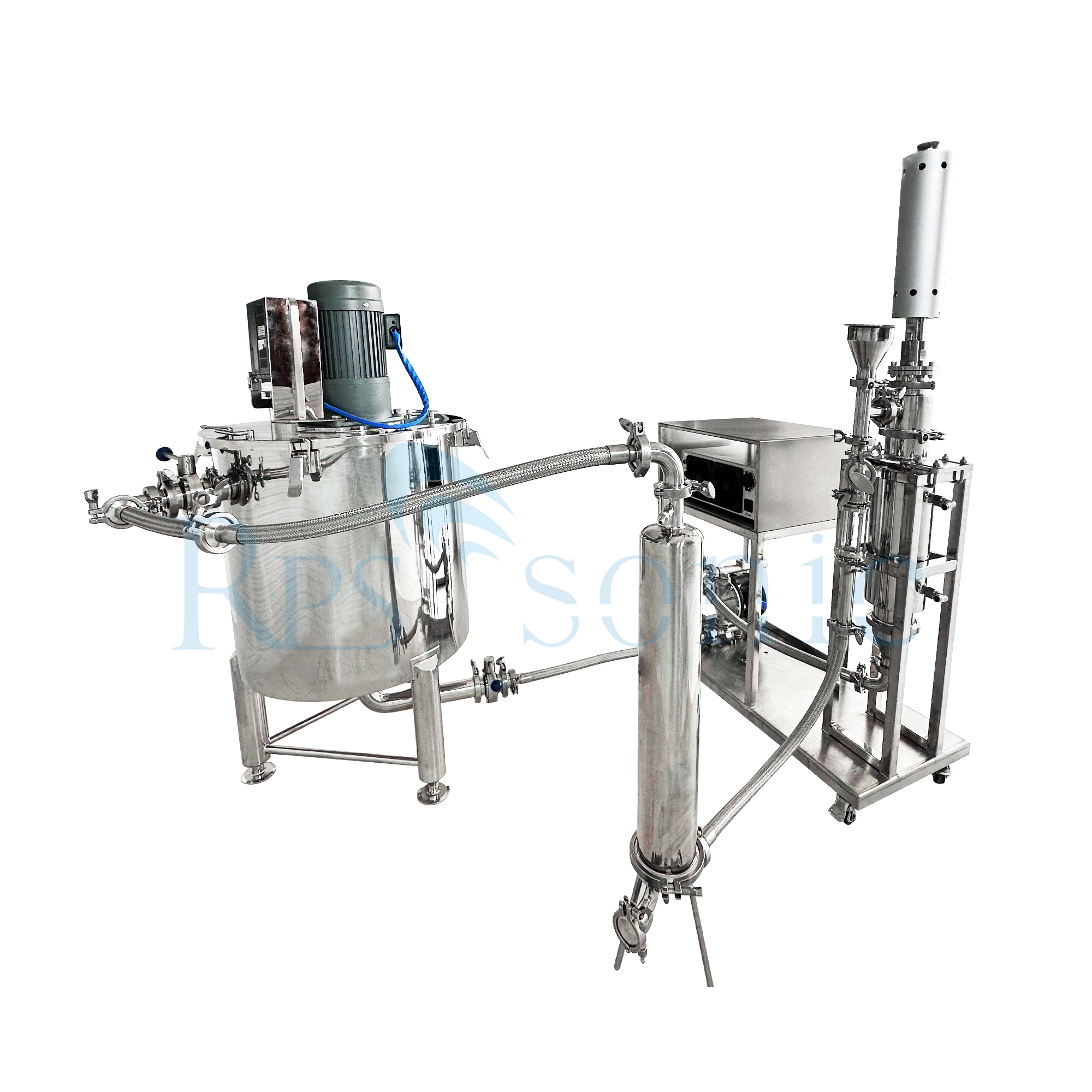
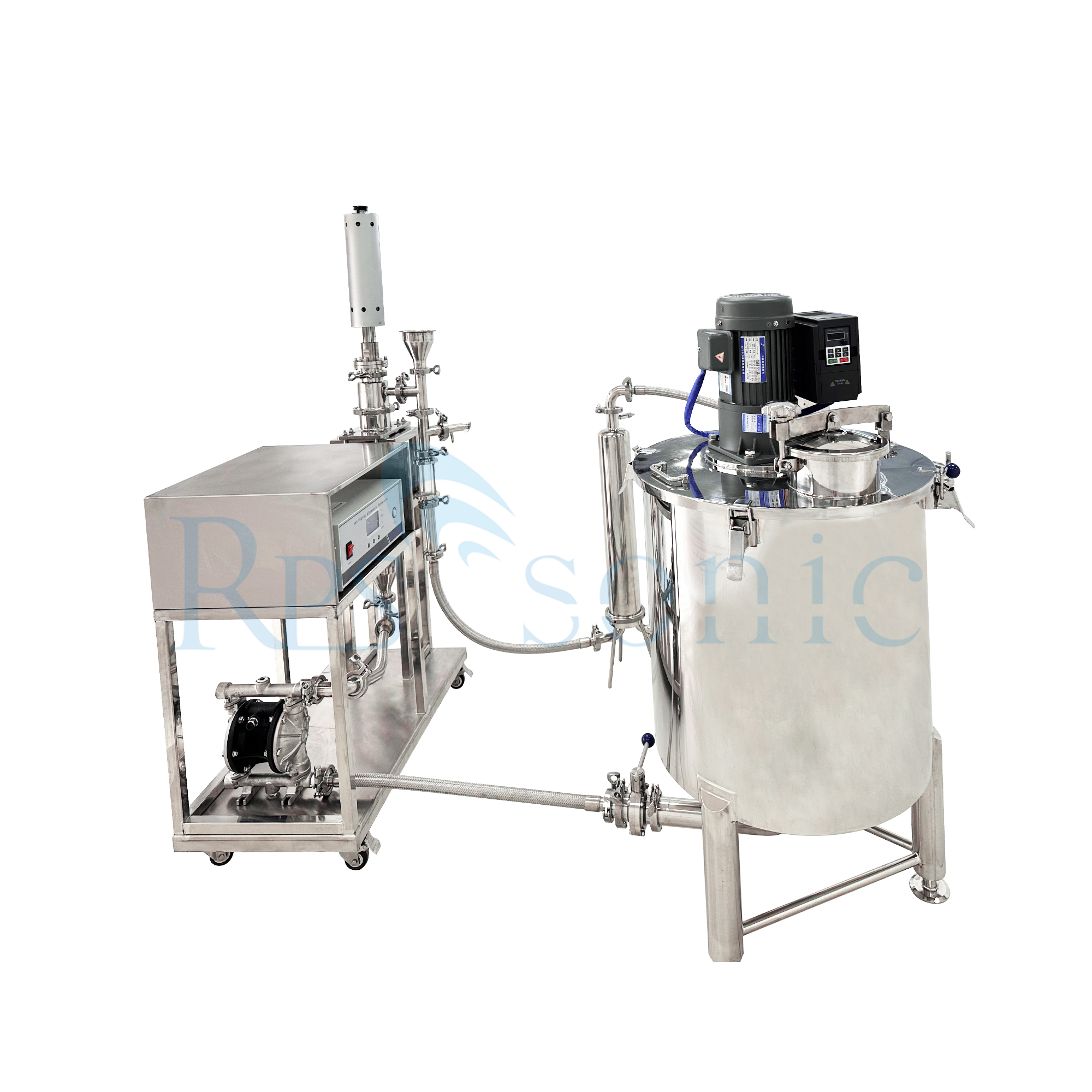
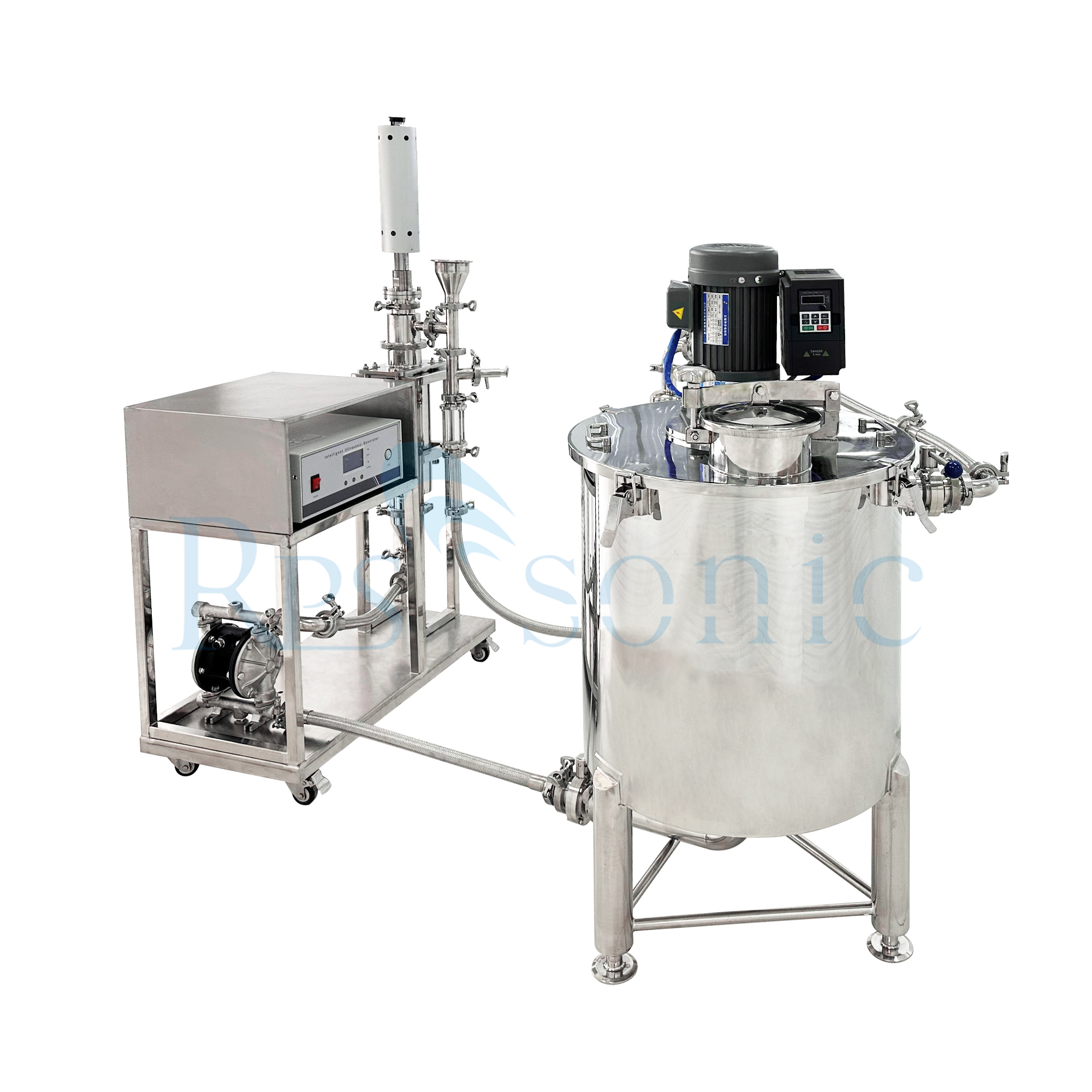

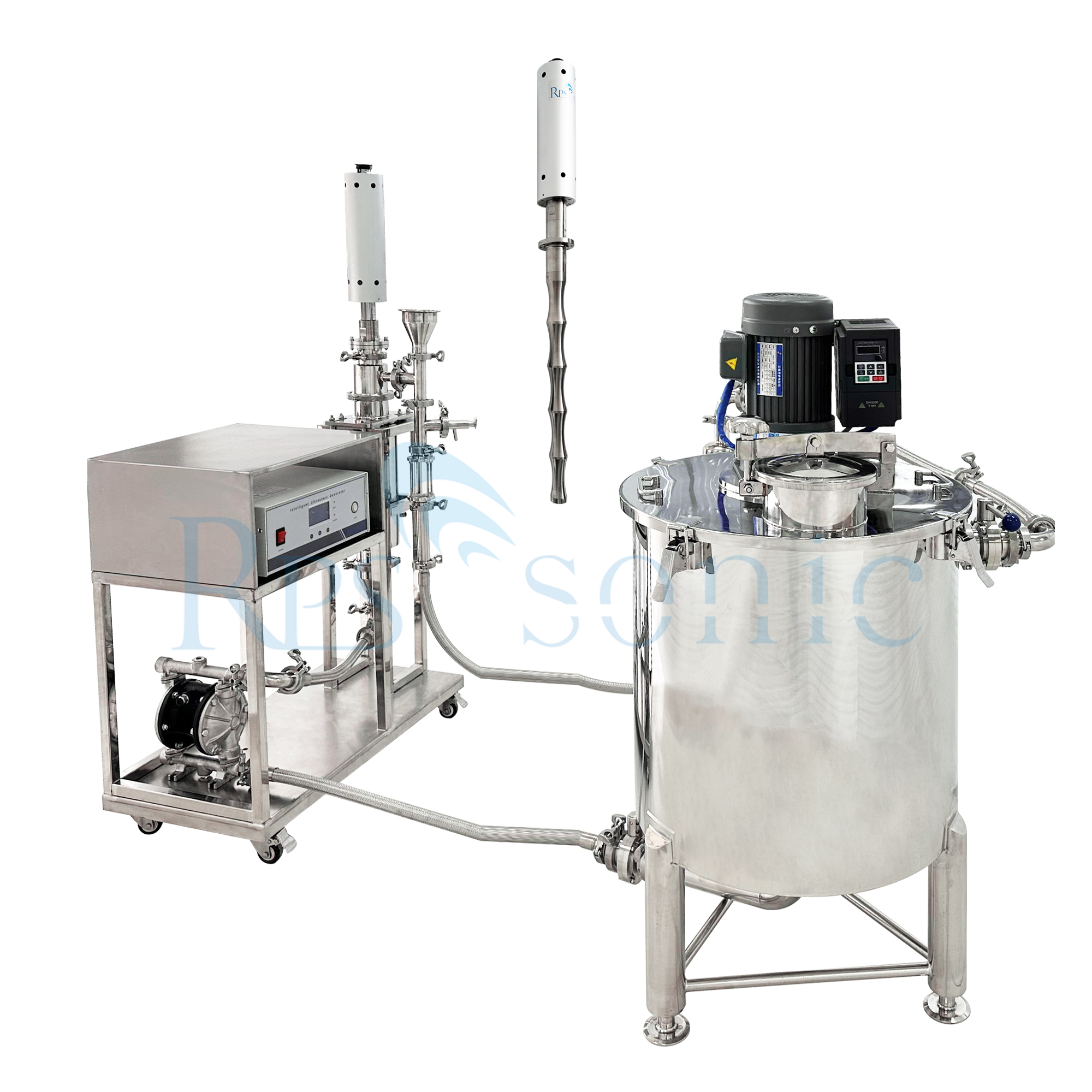
| Item | Parameter |
| Frequency | 20kHz |
| Power | 3000watt |
| Capacity | 100-300L |
| Amplitude | 10-99% |
| Power supply | 220v/50-60Hz |
| Horn material | Titanium alloy |
| Horn size | 50mm |
| Tank capacity | 100L |
| Tank material | SS304 |
| Gnerator | Digital type |
| Frame material | SS304 |
| Optional | Water bath,chiller,pump |
Ultrasonic homogenization equipment uses the piezoelectric effect to convert electrical energy into mechanical energy. The mechanical vibration of ultrasound acts on the sample molecules, destroys the chemical structure between the molecules of the substance, and effectively disperses and homogenizes the sample. When ultrasound propagates in the liquid, it will produce a cavitation effect, forming small bubbles that collapse within the sound cycle, producing a strong mechanical effect, destroying the medium structure, and crushing the particles in the liquid.
Ultrasonic homogenization equipment uses ultrasonic energy to disperse, mix and homogenize materials. Its working principle is to destroy the chemical structure between material molecules through the mechanical vibration of ultrasound, thereby achieving the homogenization process. Ultrasonic waves have the characteristics of high frequency, high energy, and high pressure. Through its high-energy oscillation waves, the molecules in the sample produce large displacements and collisions, forming a short-term high temperature, high pressure and high-speed eddy current phenomenon, thereby improving the physical and chemical properties of the sample.
Key Features
1. High power output: suitable for large-scale production, with strong processing capacity.
2. Continuous cycle processing: equipped with an efficient circulation system to ensure uniform material processing.
3. Strong durability: using industrial-grade materials, suitable for high-intensity and long-term operation.
4. Automatic control: integrated PLC or computer control system to achieve automatic operation and parameter adjustment.
5. Versatility: suitable for a variety of materials and process requirements.
Application fields
1. Food industry: used for homogenization and emulsification of large-scale emulsions, juices, condiments, etc.
2. Pharmaceutical industry: used for drug micronization, nanoemulsion preparation and cell disruption.
3. Chemical industry: used for nanomaterial dispersion, catalyst preparation and chemical reaction intensification.
4. Biotechnology: used for large-scale cell disruption, DNA/RNA extraction and protein separation.
5. Environmental protection field: used for large-scale wastewater treatment, sludge reduction and pollutant degradation.
Advantages
1. Efficient: quickly achieve large-scale material homogenization and dispersion.
2. Uniform: Circulation treatment ensures material uniformity.
3. Durable: industrial-grade design, suitable for high-intensity production environment.
4. Flexible: adjustable parameters to meet various processing needs.
1.What types of samples can be processed with ultrasonic homogenizers?
Ultrasonic homogenizers can process a wide range of samples, including biological tissues, cells, microorganisms, plant material, pharmaceutical formulations, emulsions, suspensions, and various types of liquids.
2.Are there different sizes and power options available for ultrasonic homogenizers?
Yes, ultrasonic homogenizers come in various sizes and power options to accommodate different sample volumes and processing requirements. They range from small handheld devices for small-scale applications to larger benchtop or industrial-scale systems.
3.How do I choose the right ultrasonic homogenizer for my application?
When choosing an ultrasonic homogenizer, consider factors such as sample volume, processing time, frequency and power settings, sample type, and the specific application requirements. Consulting with the manufacturer or supplier can help in selecting the most suitable device.
4.Can ultrasonic homogenizers be used in combination with other techniques?
Yes, ultrasonic homogenizers can be used in combination with other techniques to enhance the efficiency and effectiveness of sample processing. For example, they can be used in conjunction with enzymatic treatments, mechanical agitation, or temperature control methods to achieve specific results.
5.What is more important when choosing the appropriate device - power rating or amplitude?
Power output is not the sole criterion for selecting the ultrasonic homogeniser. This value only indicates the power of the ultrasonic generator but not the energy delivered into the sample. The amplitude at the radiating surface of the probe is the determining factor while considering the sample volume. RPS-SONIC homogenisers provide higher amplitudes than comparable devices in the market due to an optimal matching of all components.
-
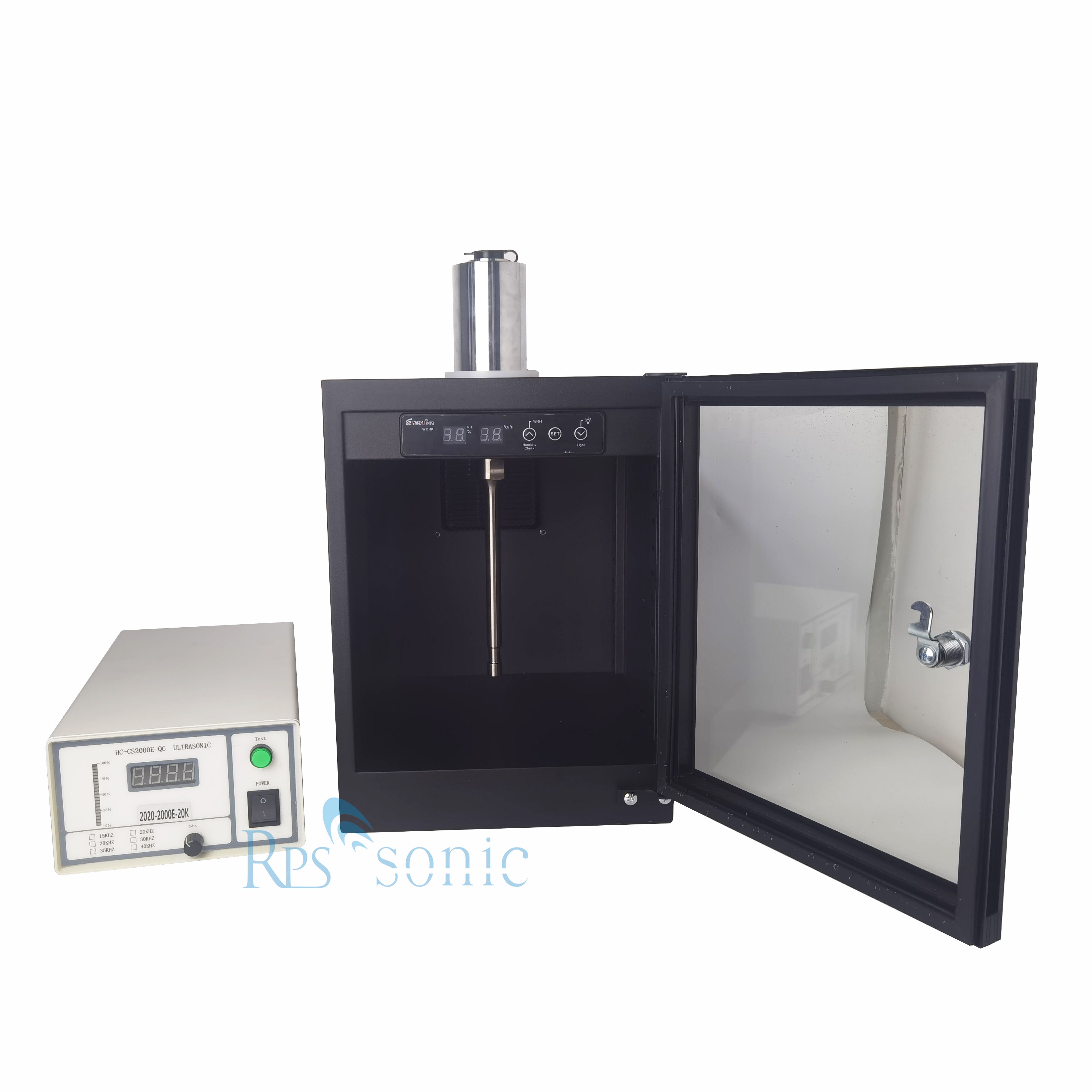
20Khz 1000w ultrasonicator ultrasonic emulsification equipment with Sound-proof enclosure
-

Laboratory digital ultrasonic sonicator with temperature controller for ultrasonic extracting/mixing
-
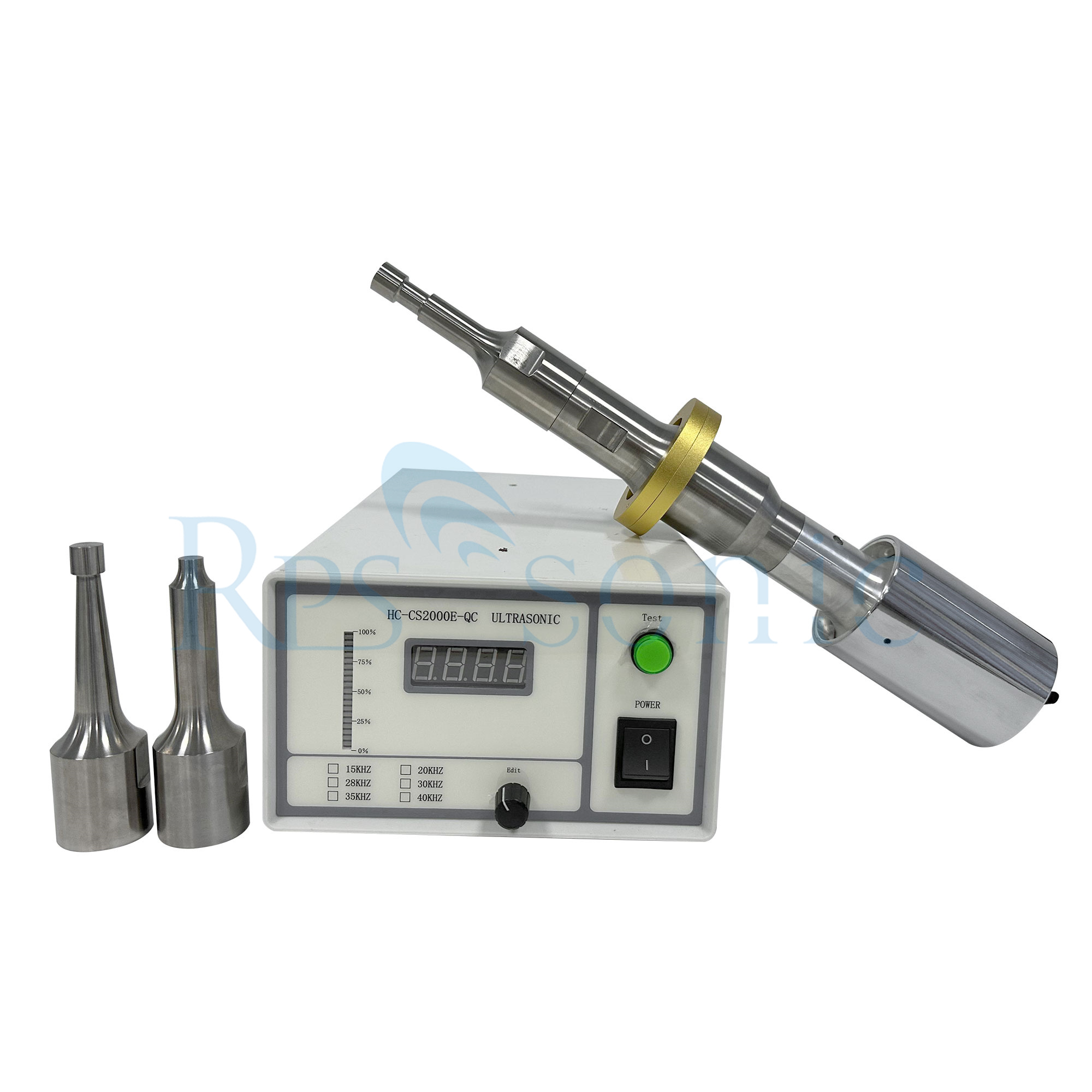
20Khz 1000w Ultrasonic extraction machine ultrasonic sonicator for cofffee extracting
-
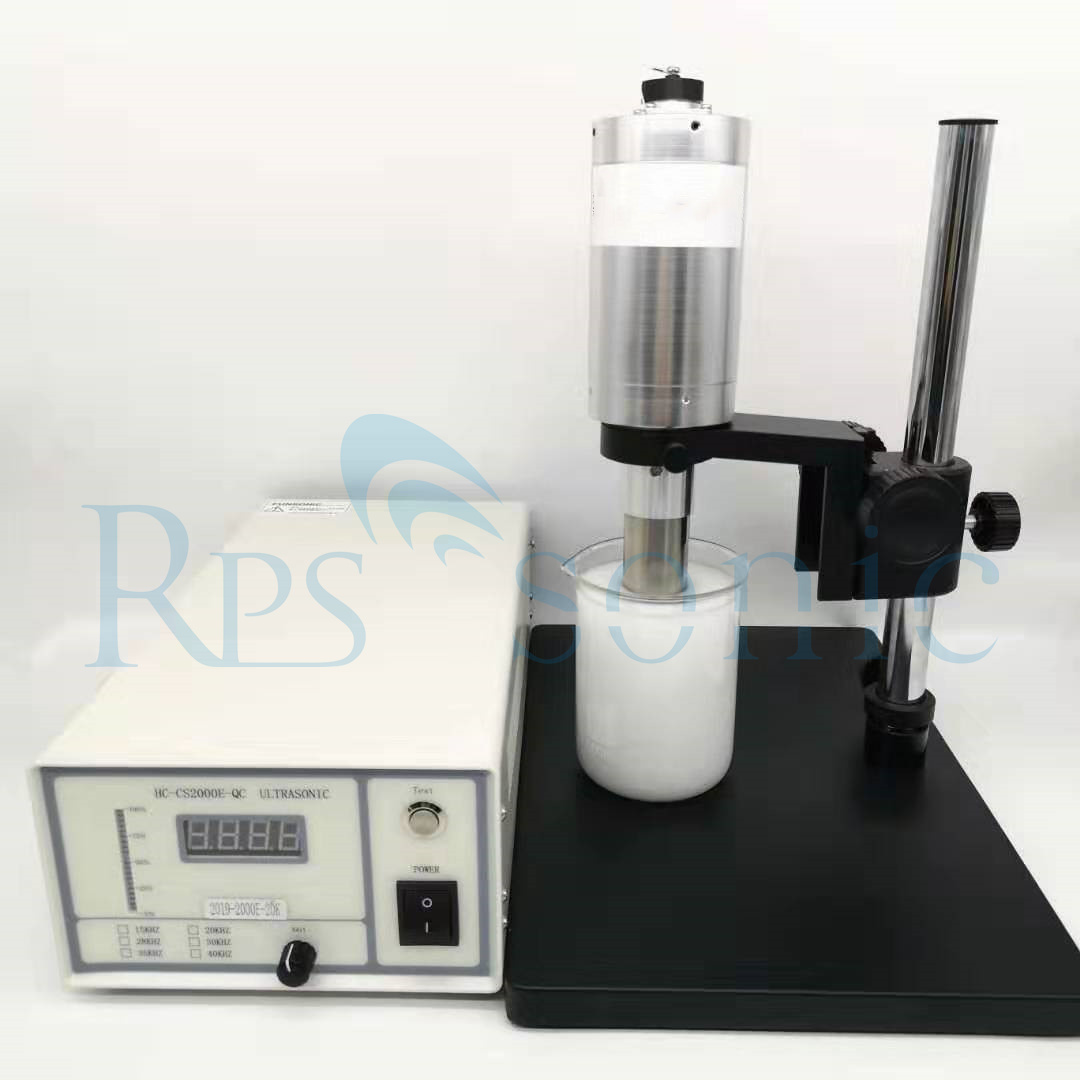
20Khz small-scale Ultrasonic Homogenizer sonicator cell disrupter mixer
-
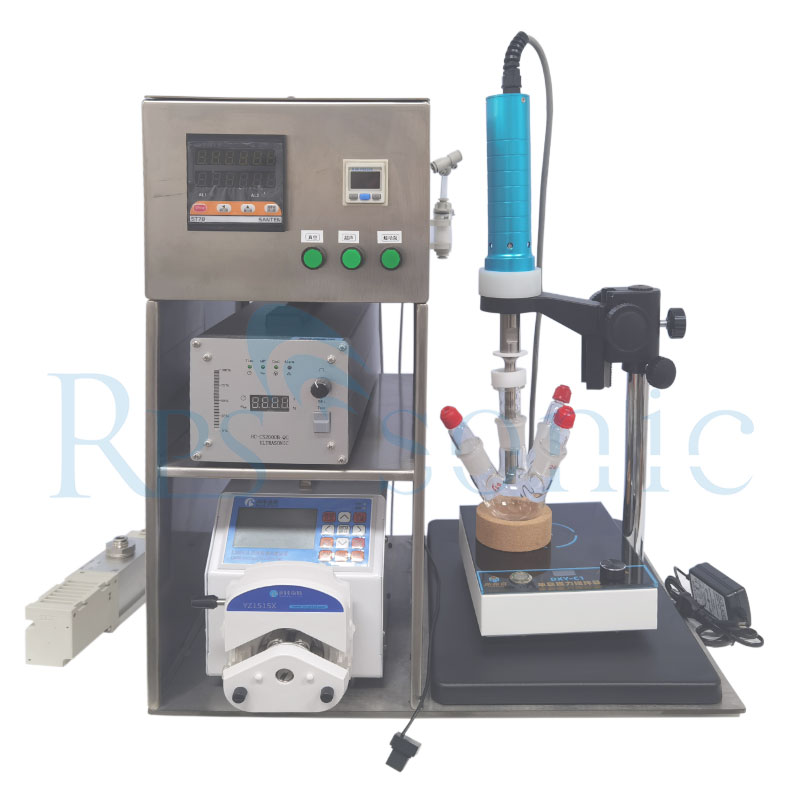
Customized 28Khz lab ultrasonic cell disruption equipment ultrasonic degassing
-
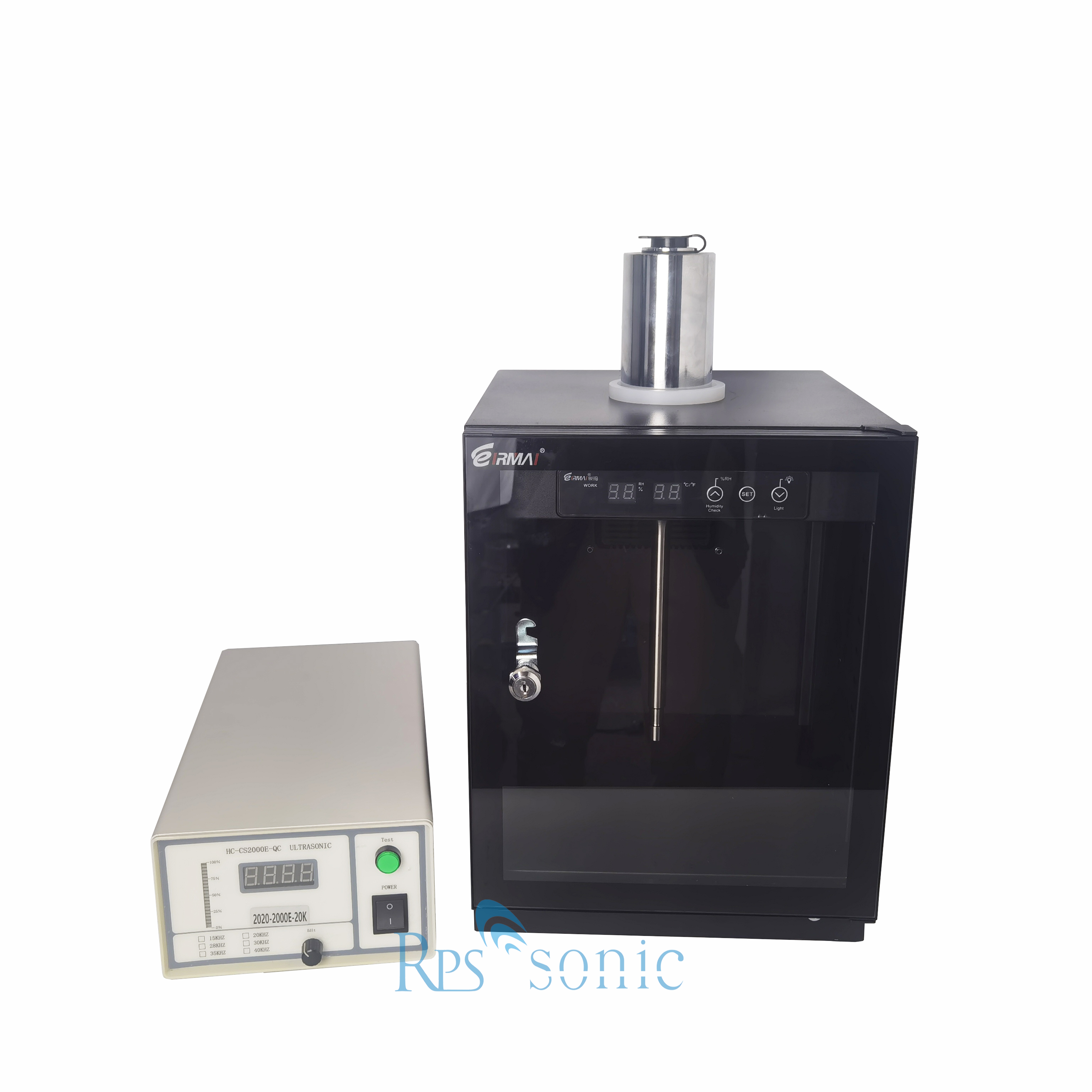
20Khz 1000w Ultrasonic laboratory sonicator with Sound Enclosure for extracting
-
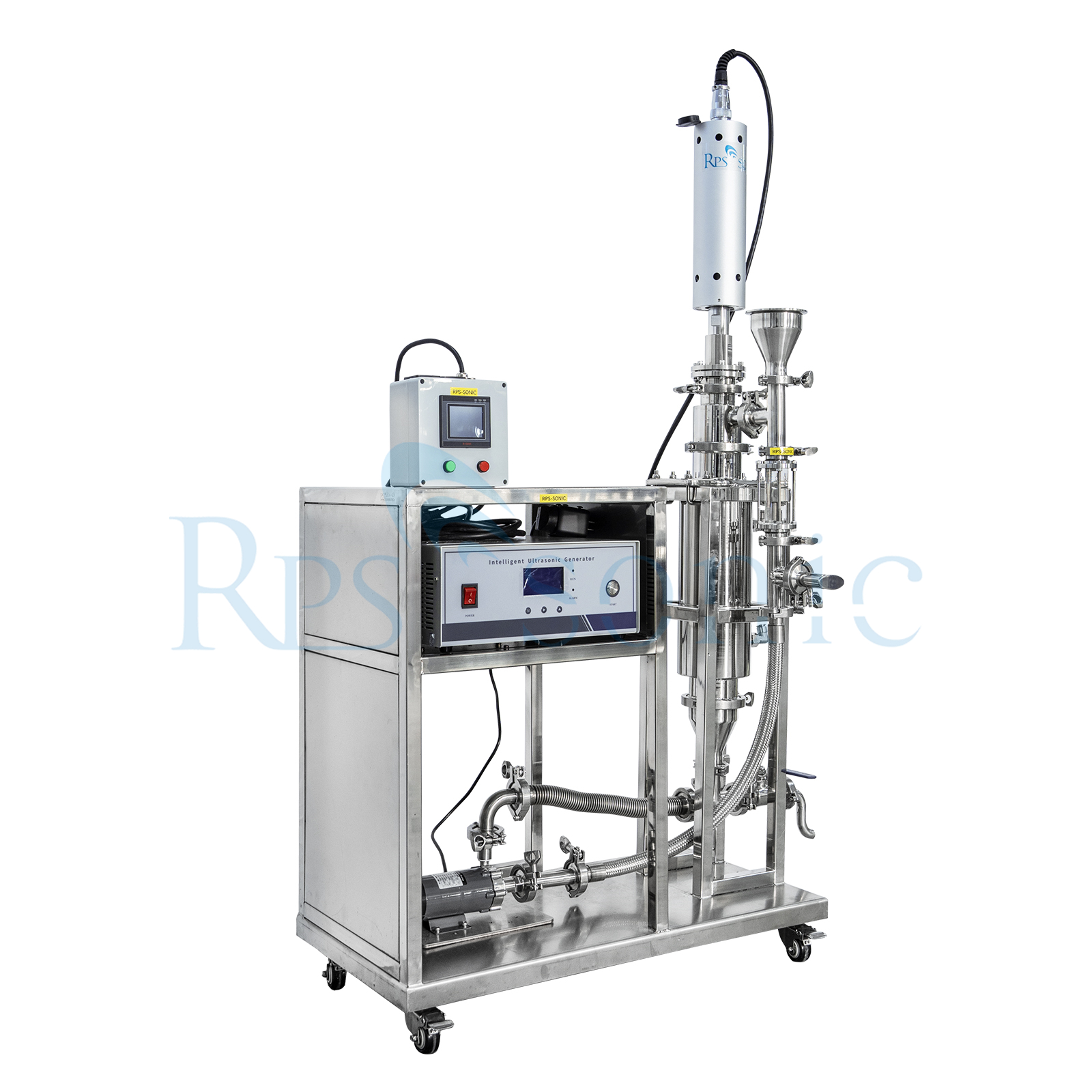
Ultrasonic Sonochemistry Equipment for Drug Extraction Cosmetic Emulsifier and Biodiesel Production
-
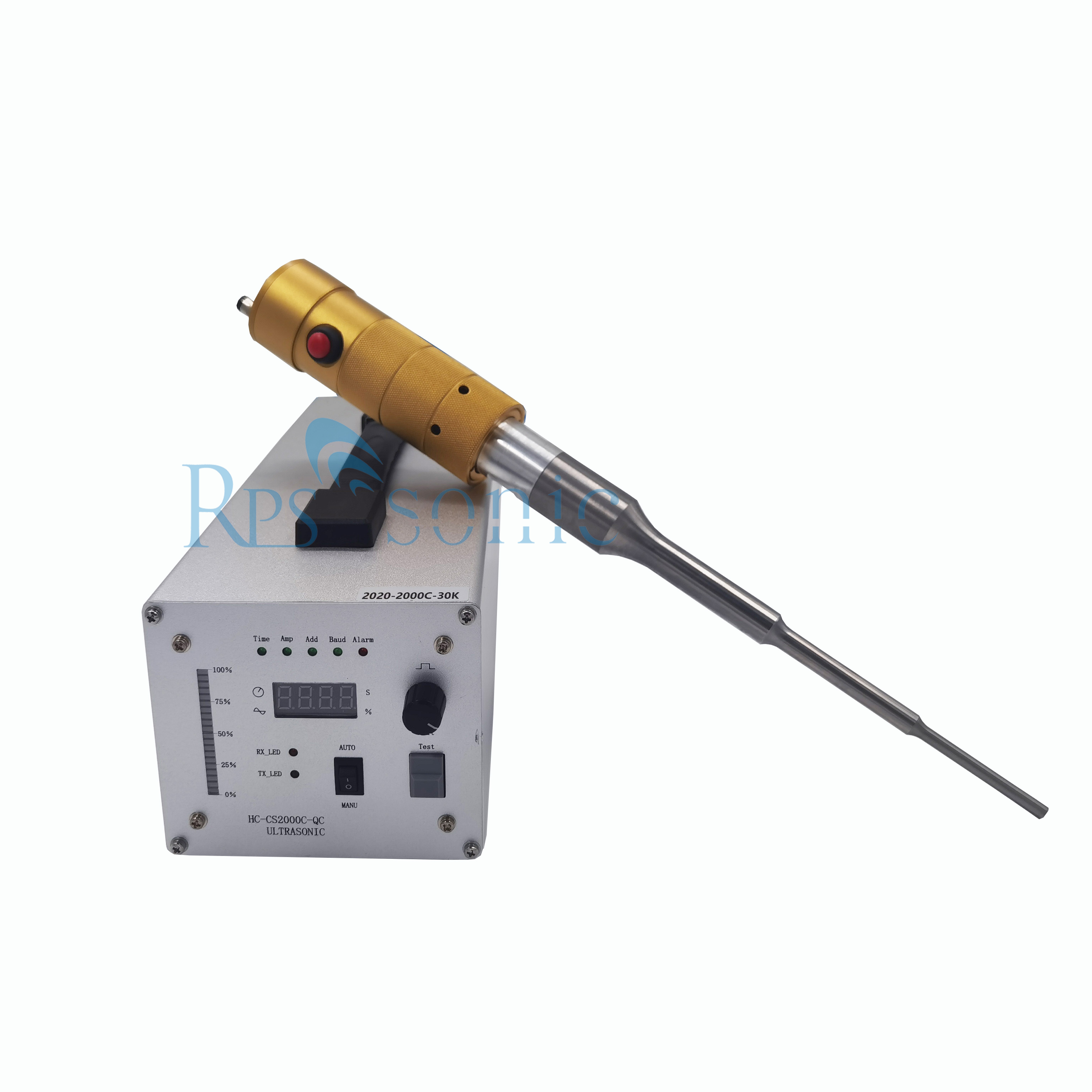
28kHz Handheld Sonicator for ultrasonic Emulsify Extracting Dispersion and Mixing
-

20Khz lab ultrasonic sonicator ultrasonic extraction machine with soundproof box
-

Laboratory scale Ultrasonic circulation treatment equipment ultrasonic sonicator