




40Khz High precision Ultrasonic atomizing nozzle for nano liquid sprayer

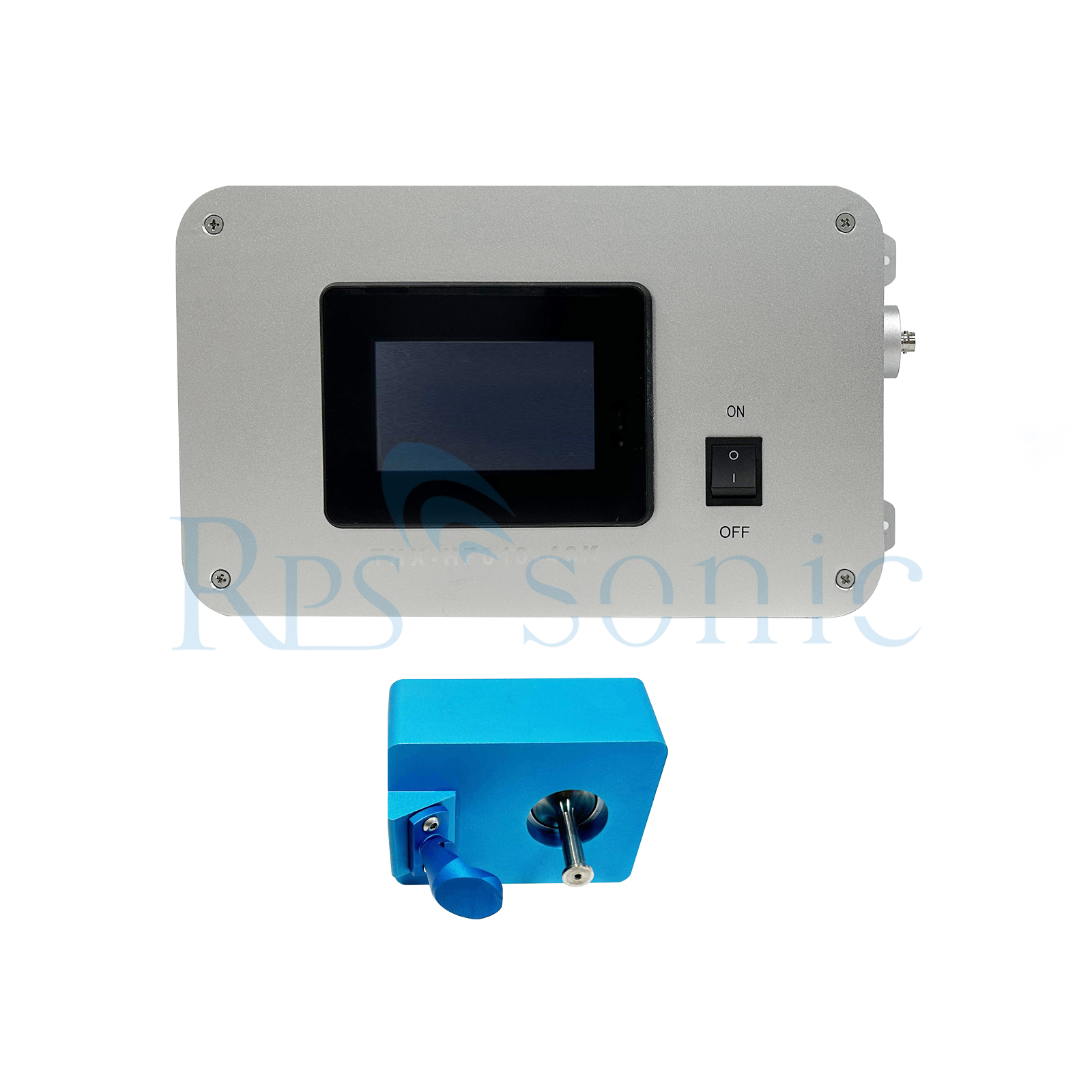


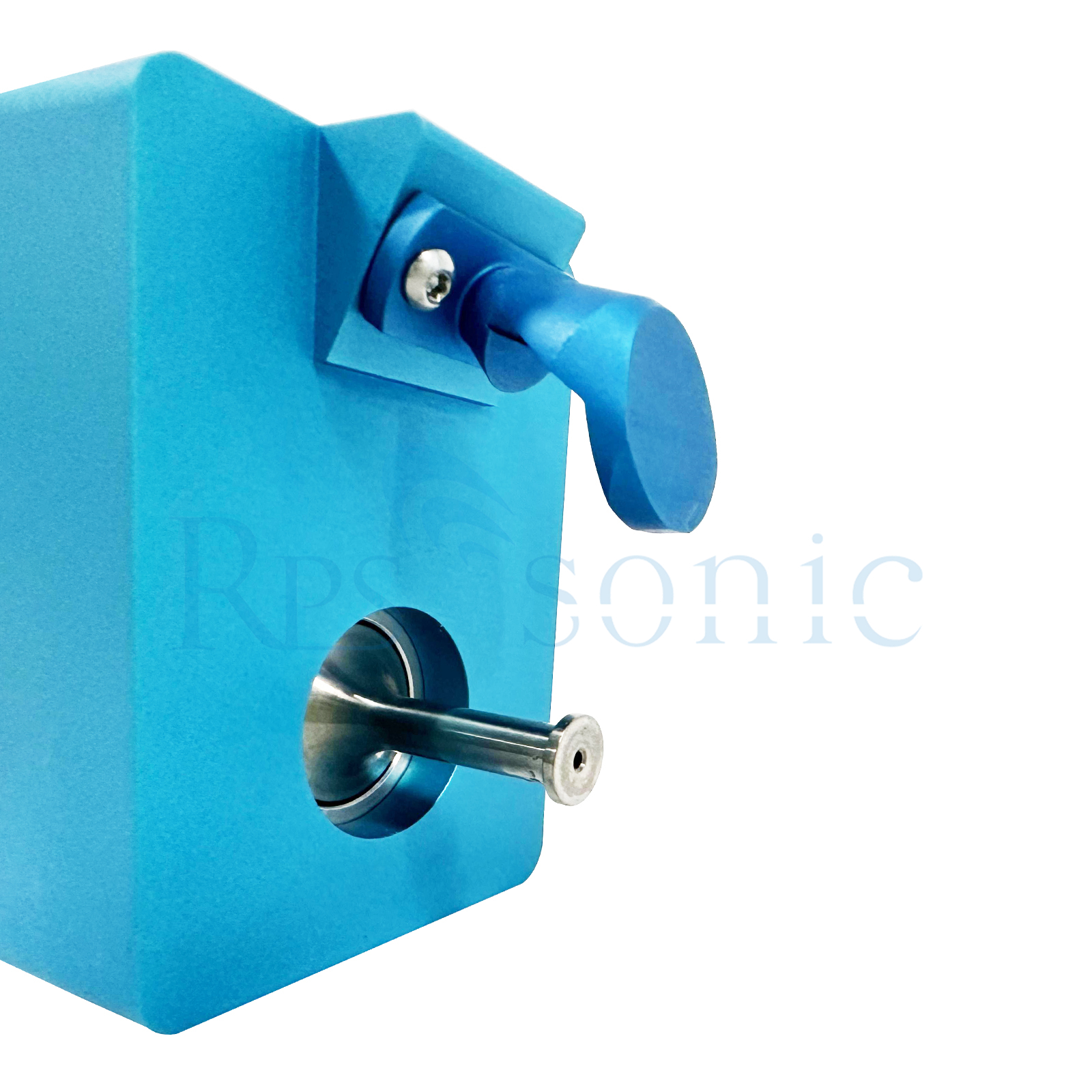
40Khz High precision Ultrasonic atomizing nozzle for nano liquid sprayer
Paramater
|
Frequency (khz) |
40Khz |
50kHz |
60Khz |
100Khz |
120Khz |
|
Generator model |
HF010 |
HF010 |
HF010 |
HF010 |
HF010 |
|
Input Voltage |
220V/50Hz |
220V/50Hz |
220V/50Hz |
220V/50Hz |
220V/50Hz |
|
spray nozzle material |
Titanium alloy |
Titanium alloy |
Titanium alloy |
Titanium alloy |
Titanium alloy |
|
Shell material |
Stainless steel |
Stainless steel |
Stainless steel |
Stainless steel |
Stainless steel |
|
Communication port with RS485 |
DB15 |
DB15 |
DB15 |
DB15 |
DB15 |
|
coating width |
10~50mm |
10-40mm |
10~35mm |
2~10mm |
2~8mm |
|
coating particle size |
15~40um |
10-30um |
10~20um |
5~15um |
1~10um |
|
Material viscosity requirement |
<100cps |
<90cps |
<80cps |
<50cps |
<50cps |
|
solid content |
<10% |
<10% |
<10% |
<10% |
<10% |
|
Ultrasonic power |
100W ,10~90% |
100W ,10~90% |
100W ,10~90% |
100W ,10~90% |
100W ,10~90% |
|
External fluid viscosity requireme |
n< 100cps |
< 100cps |
< 100cps |
< 100cps |
< 100cps |
|
coating flow capacity |
<40ml/min |
<30ml/min |
<15ml/min |
<7ml/min |
<5ml/min |
|
Hole diameter |
0.3~1.5mm |
0.3~1mm |
0.3~1mm |
0.3~0.8mm |
0.3~0.5mm |
Description
Ultrasonic nozzles operate by converting high frequency sound waves into mechanical energy that is transferred into a liquid, creating standing waves. As the liquid exits the atomizing surface of the nozzle, it is broken into a fine mist of uniform micron sized droplets.
Unlike pressure nozzles, ultrasonic nozzles do not force liquids through a small orifice using high pressure in order to produce a spray. Liquid is fed through the center of a nozzle with a relatively large orifice, without pressure, and is atomized due to ultrasonic vibrations in the nozzle. A RPS-SONIC engineered proprietary precision ultrasonic generator provides the mechanical energy required to create the vibrations in the nozzle. The power required to operate ultrasonic nozzles generally varies between 1 and 8 Watts.
Nozzles are fabricated from a very high-strength titanium alloy and other proprietary metals, making them exceptionally resistant to chemical attack and providing superior acoustical properties. The electrically active elements are contained within a sealed housing that protects the nozzle components from external contamination.
The liquid feed tube runs the entire length of the nozzle. The nozzle’s design ensures that liquid only comes into contact with titanium within the nozzle.
The low velocity mist created by the ultrasonic nozzle is typically accompanied by additional low velocity air shaping devices to entrain the spray and direct it toward a substrate. This allows precise control of the spray into fine lines, conical patterns, or wide flat fan shapes. To learn more about air shaping, visit Air Shaping Systems.
ExactaCoat with ultrasonic nozzle blowoutSpray patterns range from 0.015” (0.4mm) wide lines to virtually unlimited widths using multiple nozzles mounted in tandem.
RPS-SONIC ultrasonic nozzles are integrated into full coating systems, incorporating liquid delivery, exhaust, motion control, and custom options.
Industries and applications:
Disintegration of liquids
Thin-film coating for electronics
High performance coatings (e.g. containing functionalized nano particles)
Anti-fog coating
Adding moisture to a gas stream
Encapsulation of active agents in pharmaceuticals
Spray drying of powders and granules, e.g. nano-particles
Food industry: milk & whey powder, instant coffee
Particle engineering
spray drying of food powders, e.g. heat-sensitive products
In the production of semiconductors, fuel cells, medical equipment Chemistry: e.g. gas-liquid reaction, bondings

1.Can ultrasonic atomization be used for heat-sensitive or volatile liquids?
Yes, ultrasonic atomization is particularly suitable for heat-sensitive or volatile liquids. The low-temperature operation and gentle atomization process help preserve the integrity and properties of sensitive substances.
2.Are there different types of ultrasonic atomizers available?
Yes, there are different types of ultrasonic atomizers available, including handheld atomizers, benchtop units, and industrial-scale atomization systems. The choice of atomizer depends on the specific application requirements and desired output volume.
3.How do I control the droplet size in ultrasonic atomization?
The droplet size in ultrasonic atomization can be controlled by adjusting parameters such as the ultrasonic frequency, power output, liquid flow rate, and the distance between the transducer and the liquid surface. Different combinations of these parameters can achieve the desired droplet size.
4.Can ultrasonic atomization be used for generating a controlled flow of mist?
Yes, ultrasonic atomization can be used to generate a controlled flow of mist. By regulating the liquid flow rate and the ultrasonic power, it is possible to achieve a consistent and continuous mist output for various applications.
5.Are there any safety considerations when using ultrasonic atomization?
When using ultrasonic atomization, it is important to ensure proper ventilation in the area to prevent the accumulation of mist. Additionally, some substances may require specific safety precautions, such as handling volatile or hazardous liquids in a well-ventilated environment and following appropriate safety guidelines.
-
40Khz High precision Ultrasonic atomizing nozzle for nano liquid sprayer
-

High frequency 120kHz Ultrasonic spraying coating equipment for Nano film spraying
-

50Khz Industrial Scattering Type Atomized Ultrasonic Spraying Nozzlefor Paint Spraying
-
20Khz Ultrasonic sonicator probe for oil and water emulsification with titanium horn
-
OEM/ODM Manufacturer China Food Grade Titanium Alloy 20kHz Ultrasonic Food Cutter for Automatic Production Line
-
Automatic ultrasonic food cutting machine for diffferent cakes cutting
-
Newly Arrival China Ultrasonic Lace Welding Cutting Sewing Machine Ss-100-S
-
Factory Promotional Professional Manufacturer 15 kHz 3200W Fast Dual Transducer Ultrasonic Mask Spot Welder Chinese Welding Machine 270X25mm
-
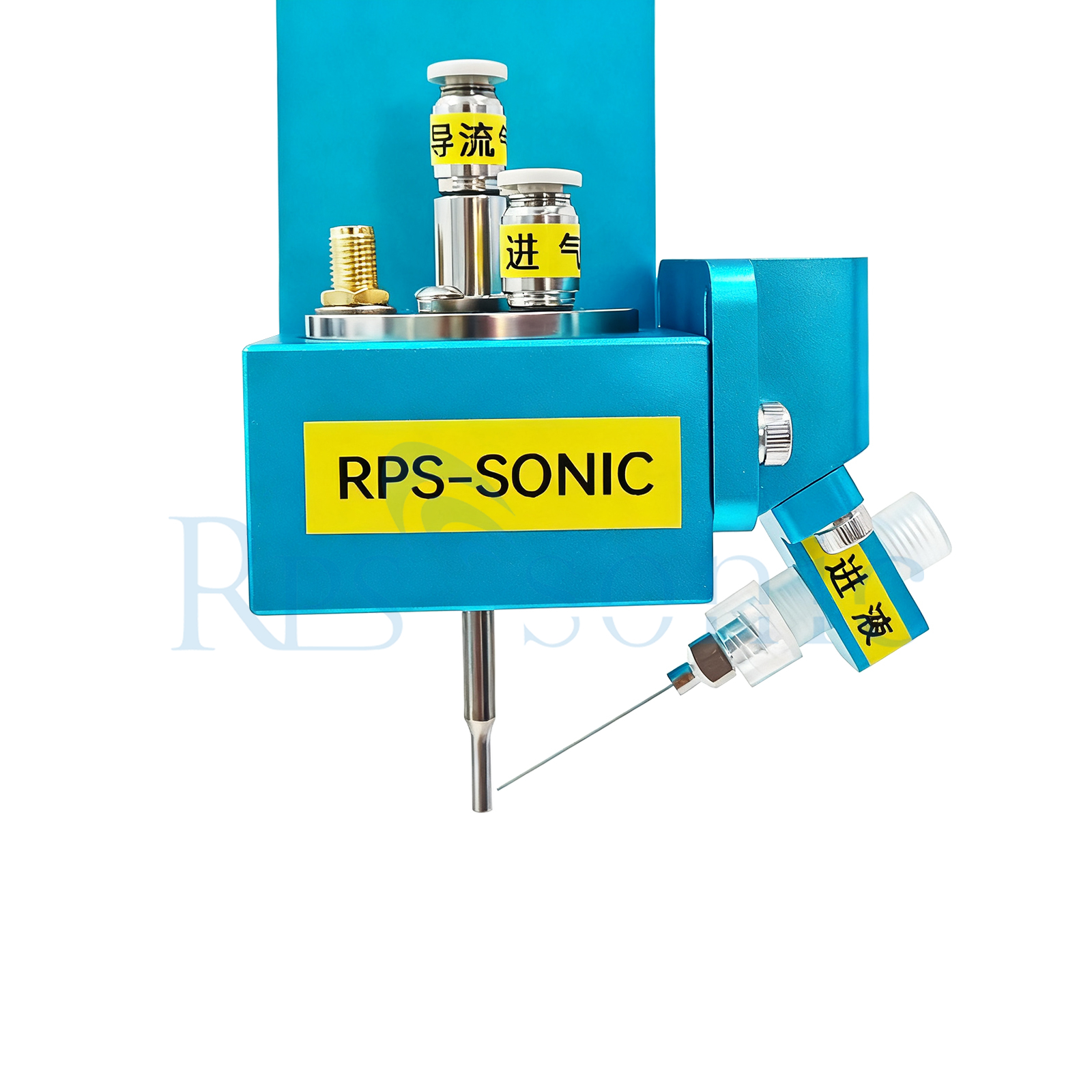
120kHz micron level Ultrasonic spray nozzle Solar Cell Coating Fuel Cell Coating
-
High reputation China 20kHz Ultrasonic Food Cutting Blade for Ultrasonic Cake Cutting
-
50kHz Ultrasonic Atomizing Spray Glass Coating Atomizing Spray
-
40Khz WideMist Ultrasonic Spray Nozzle ultrasonic coating
-
100K Ultrasonic spray coating nozzle for Photoresist spraying
-

100K Ultrasonic spray coating nozzle ultrasonic sprayer for spray catalyst ink on PEM membranes
-

Desktop ultrasonic spray coating machine ultrasonic nanotechnology coating spraying
-

120kHz desktop ultrasonic spray coating machine dual pumps for liquid supply
-
40KHz ultrasonic spray nozzle ultrasonic spray coating machine
-

60KHz ultrasonic spray nozzle for coating organic silane
-

Ultrasonic spray coating nozzle with pump for spray catalyst ink on PEM membranes
-

120KHz ultrasonic spray nozzle for coating organic silane
-
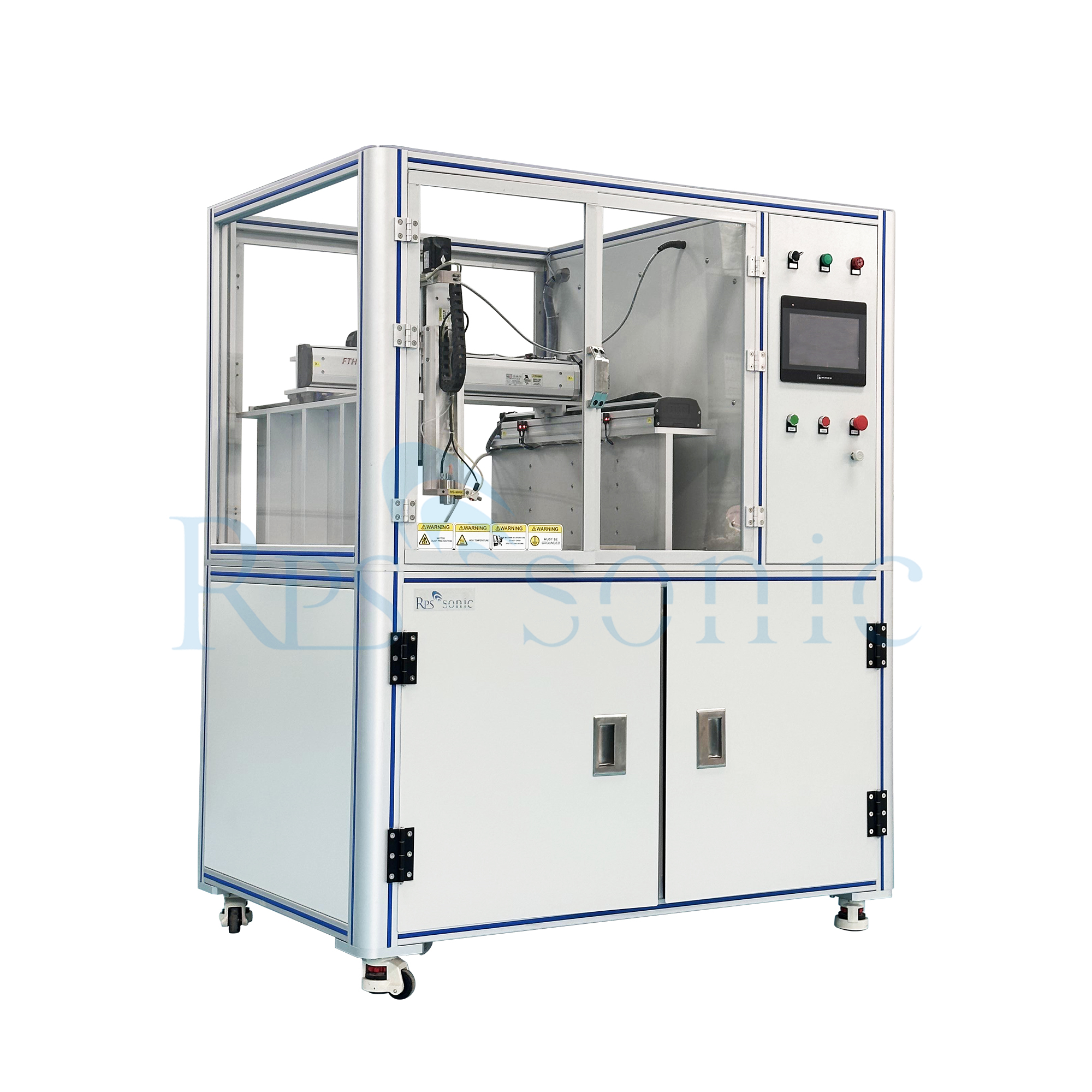
Fully automatic ultrasonic atomization spray machine is the most efficient choice for photoresist coating
-
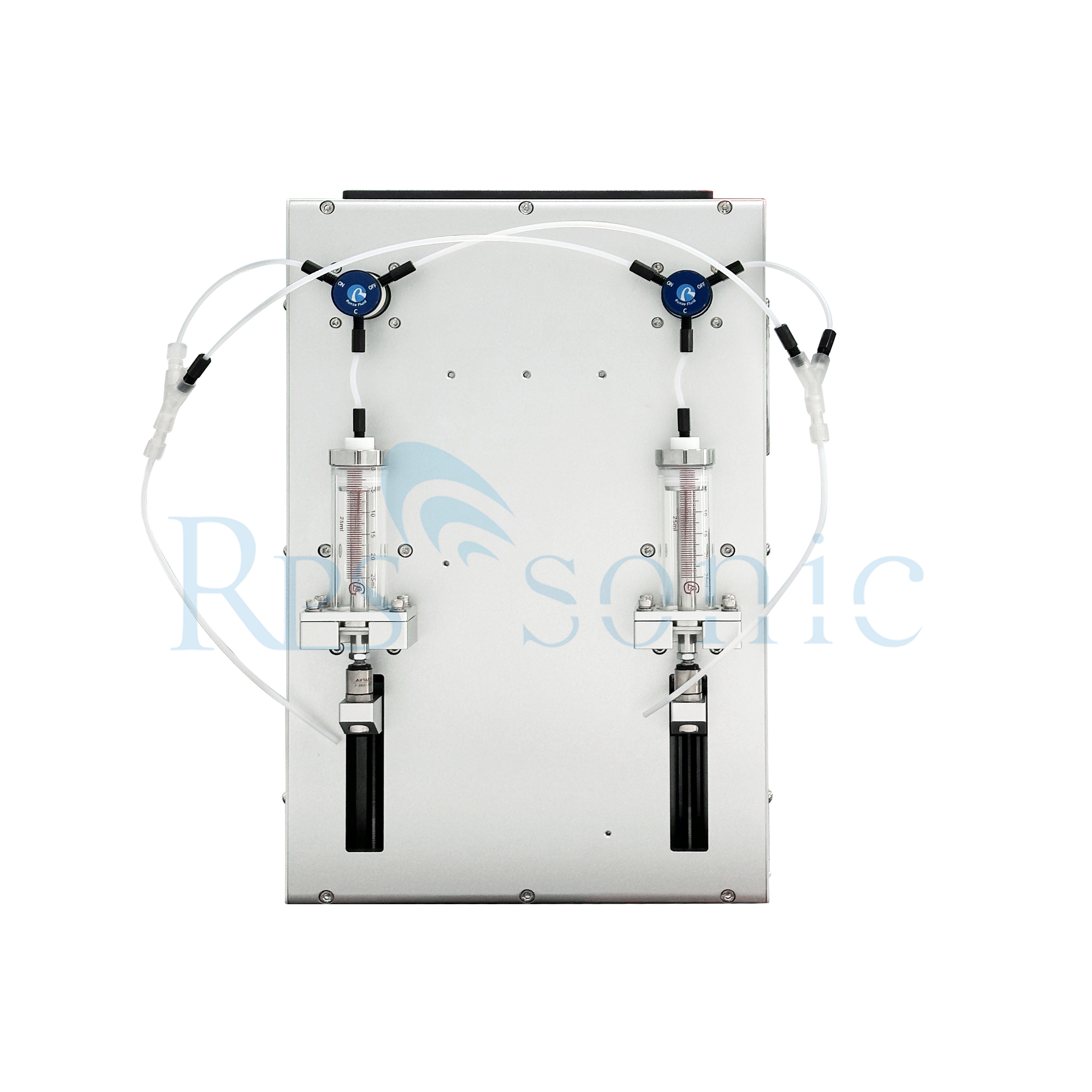
Industrial Constinfuse-constant flow syringe pump for ultrasonic sprayer
-
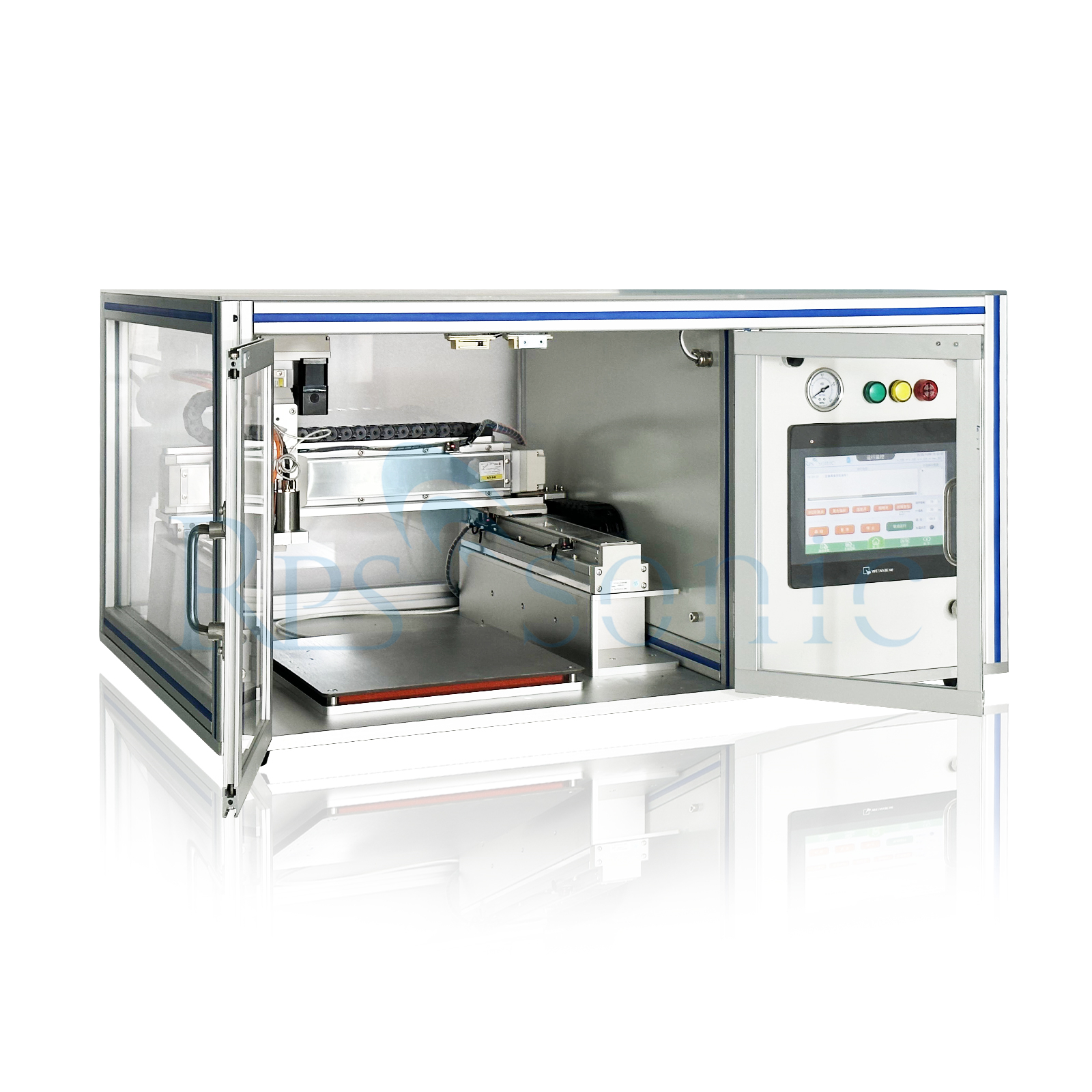
Bench-top automatic ultrasonic spray coating machine atomize liquid into micron size