




High-precision ultrasonic atomization spraying equipment Graphene Coatings
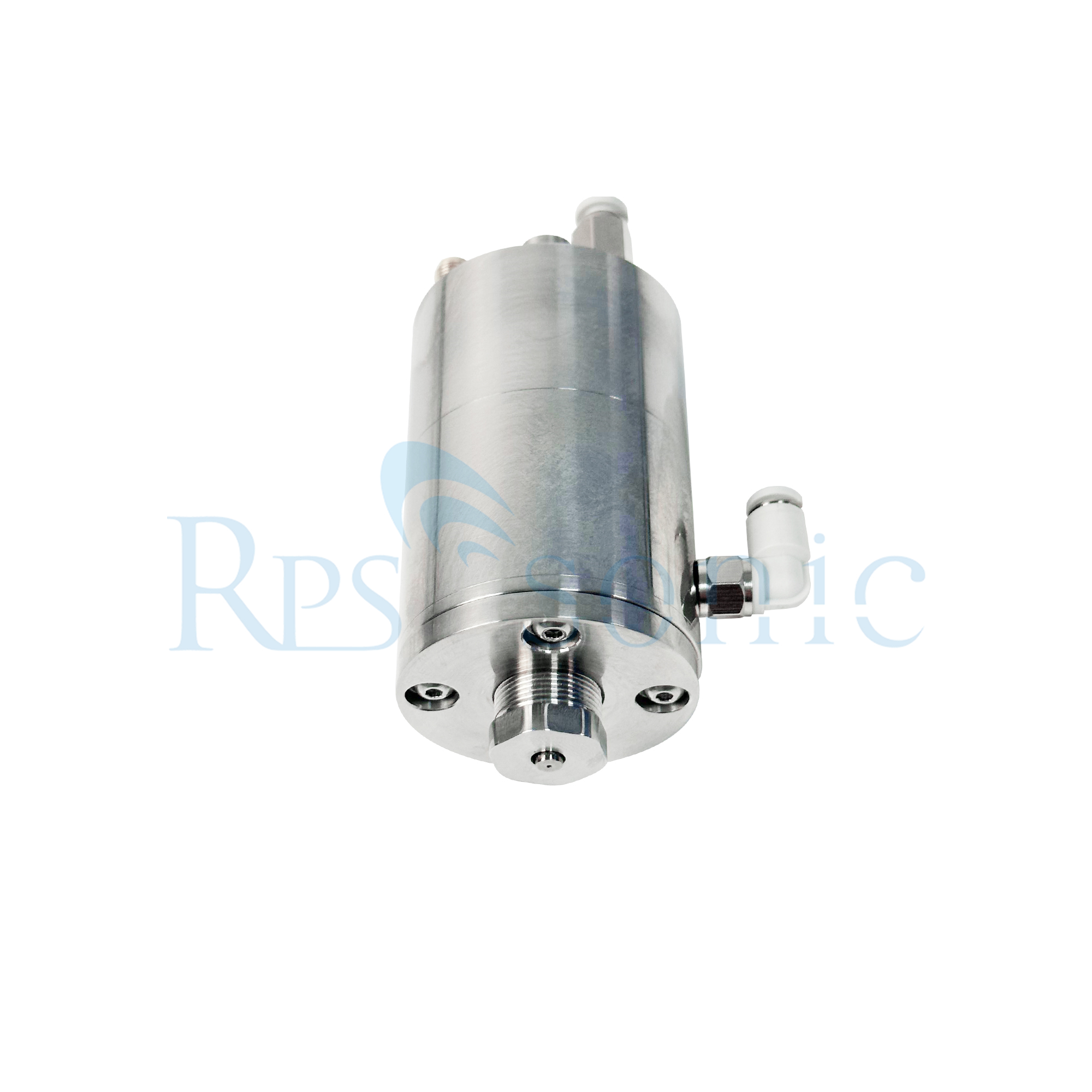
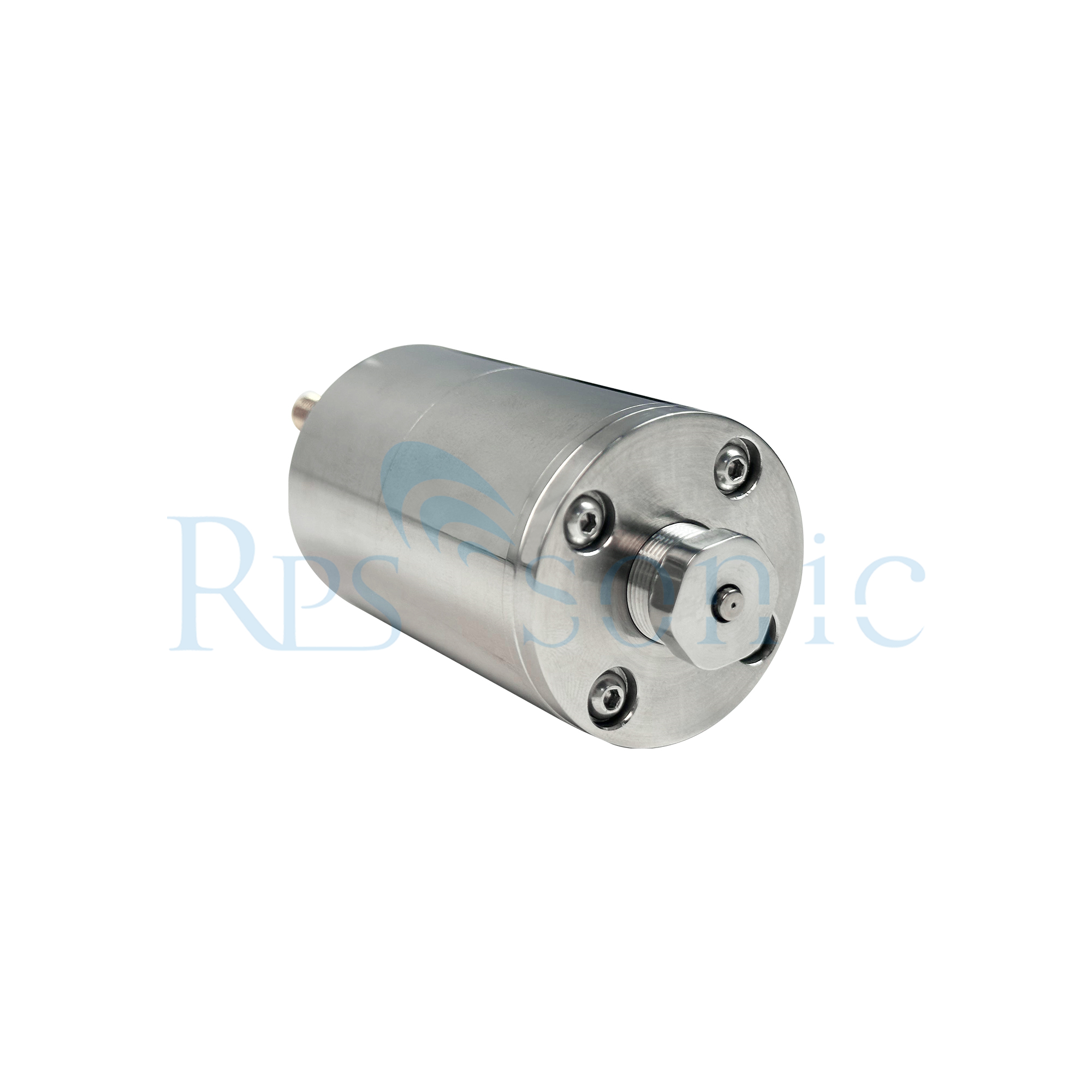
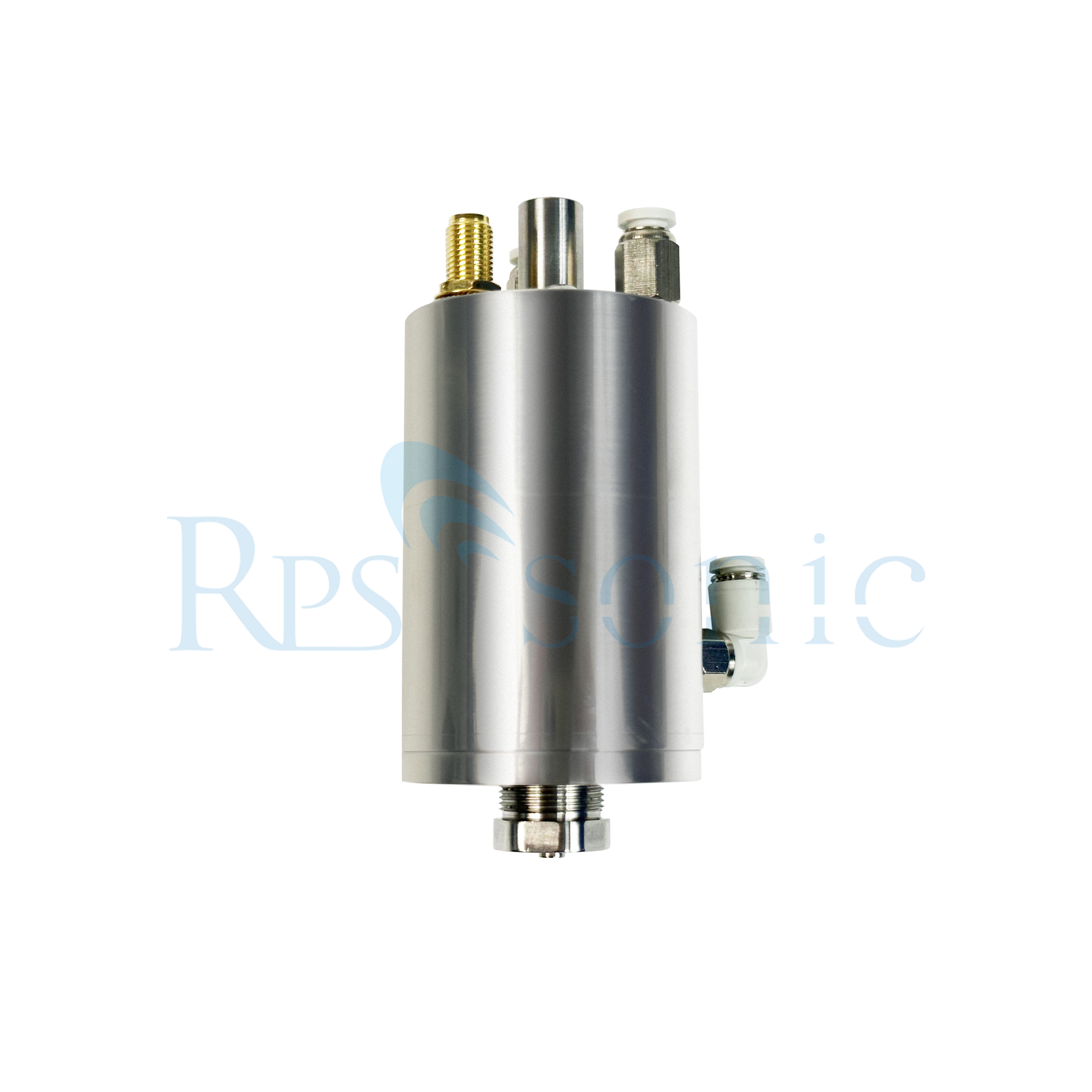


High-precision ultrasonic atomization spraying equipment Graphene Coating
Parameter
| Item | Parameter |
| Frequency | 120Khz |
| Power | 10~30w |
| FLOW RATE (ml/min) | 1~10ml/min |
| Material compatibility | Titanium alloy/ceramics/corrosion-resistant coating |
| Solution utilization | above 98% |
Equipment composition
Ultrasonic vibration components: including ultrasonic transducers, horns, tool heads, etc., responsible for converting electrical energy into mechanical energy of ultrasonic vibration and radiating ultrasonic waves.
Ultrasonic drive power supply: generates high-power high-frequency AC power, fully digitally controlled, and drives ultrasonic vibration components to work.
Motion system: such as XY dual-axis (and above) precision motion modules, with a comprehensive trajectory editing system, can realize the spray trajectory control of any two-dimensional plane graphics.
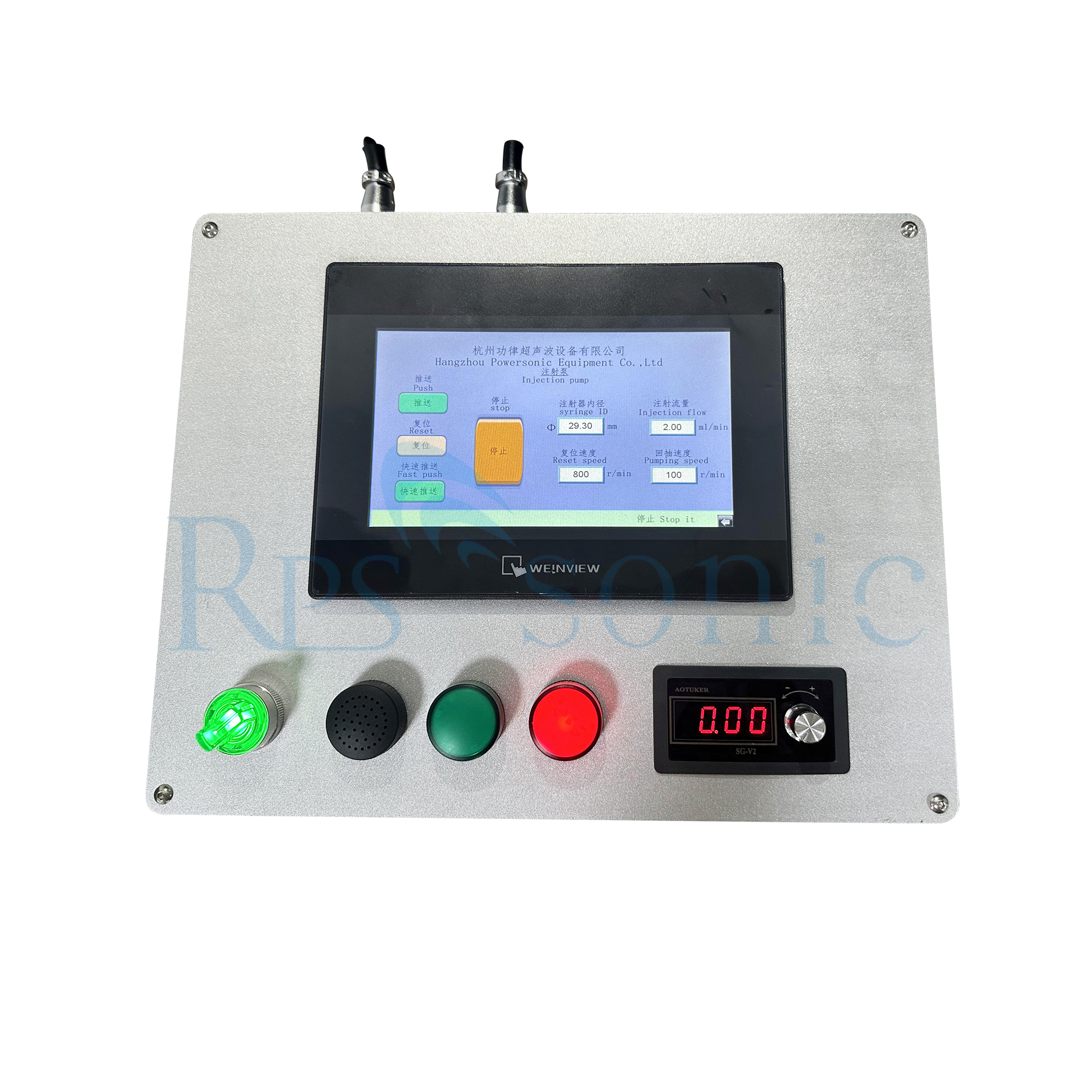
Liquid supply system: usually composed of precision metering pumps, ultrasonic dispersion liquid supply systems, etc., which can accurately control the delivery flow of liquid and stably deliver liquid to the atomizing nozzle.
Other auxiliary components: such as vacuum adsorption heating substrates, which can be used to fix and heat substrates; digital display carrier gas systems, which can provide auxiliary gases; fume hood-type equipment is also equipped with a top exhaust system to discharge excess exhaust gas and hot air.
Features
1.High coating uniformity: The tiny particles atomized by the ultrasonic nozzle can be more evenly covered on the surface of the substrate, and the spraying uniformity performance can reach more than 95%, which can avoid problems such as uneven coating thickness and color difference.
2.High coating thickness control accuracy: The flow rate of the coating liquid for atomization spraying is controlled by a high-precision metering pump to achieve a control accuracy of nanoliters per second, ensuring the accuracy of coating thickness control.
3.High raw material utilization rate: Ultrasonic spraying atomizes liquid through ultrasonic oscillation, does not require additional gas, reduces paint waste, and the raw material utilization rate is more than 4 times that of ordinary air spraying, up to more than 90%.
4.Strong adaptability: It is suitable for a variety of coating materials and substrates. Whether it is metal, ceramic or polymer materials, the ideal coating effect can be achieved by adjusting the ultrasonic parameters and the composition of the coating liquid.
5.Simple equipment maintenance: No cooling water is required during atomization, energy consumption is low, the equipment is simple, the failure rate is low, and daily maintenance is free. And the nozzle is not easy to clog, and it can be applied to a variety of solutions, even sewage, chemical liquids, oil mucus, etc.
Application fields
New energy field: widely used in the manufacture of thin-film solar cells, fuel cells, solar panels, supercapacitors, etc., for coating electrode materials, preparation of electrolyte membranes, etc.
Glass coating field: can be used for electrochromic glass manufacturing coatings, solar glass coatings, scratch-resistant and oleophobic coatings (anti-fingerprint), anti-reflective coatings, flat glass manufacturing, float glass anti-fouling coatings to prevent corrosion, low-radiation glass spraying, etc.
Medical field: for example, it can be used for drug coating balloons or peripheral stents to achieve precise drug release; it can also be used to prepare biomedical coatings, such as functional coatings on the surface of artificial organs, etc.
Other fields: in the aerospace field, it is used for the preparation of anti-corrosion and wear-resistant coatings on the surface of aircraft parts; in the electronics field, it is used for the preparation of insulating and conductive coatings on the surface of electronic components, etc.
-

100K Ultrasonic spray coating nozzle ultrasonic sprayer for spray catalyst ink on PEM membranes
-

Automatic ultrasonic coating machine ultrasonic spray coating nozzle for flux spraying
-

Ultrasonic spraying machine spraying flux on PCB board
-

Ultrasonic spray coating machine Desktop for drug balloon spraying
-
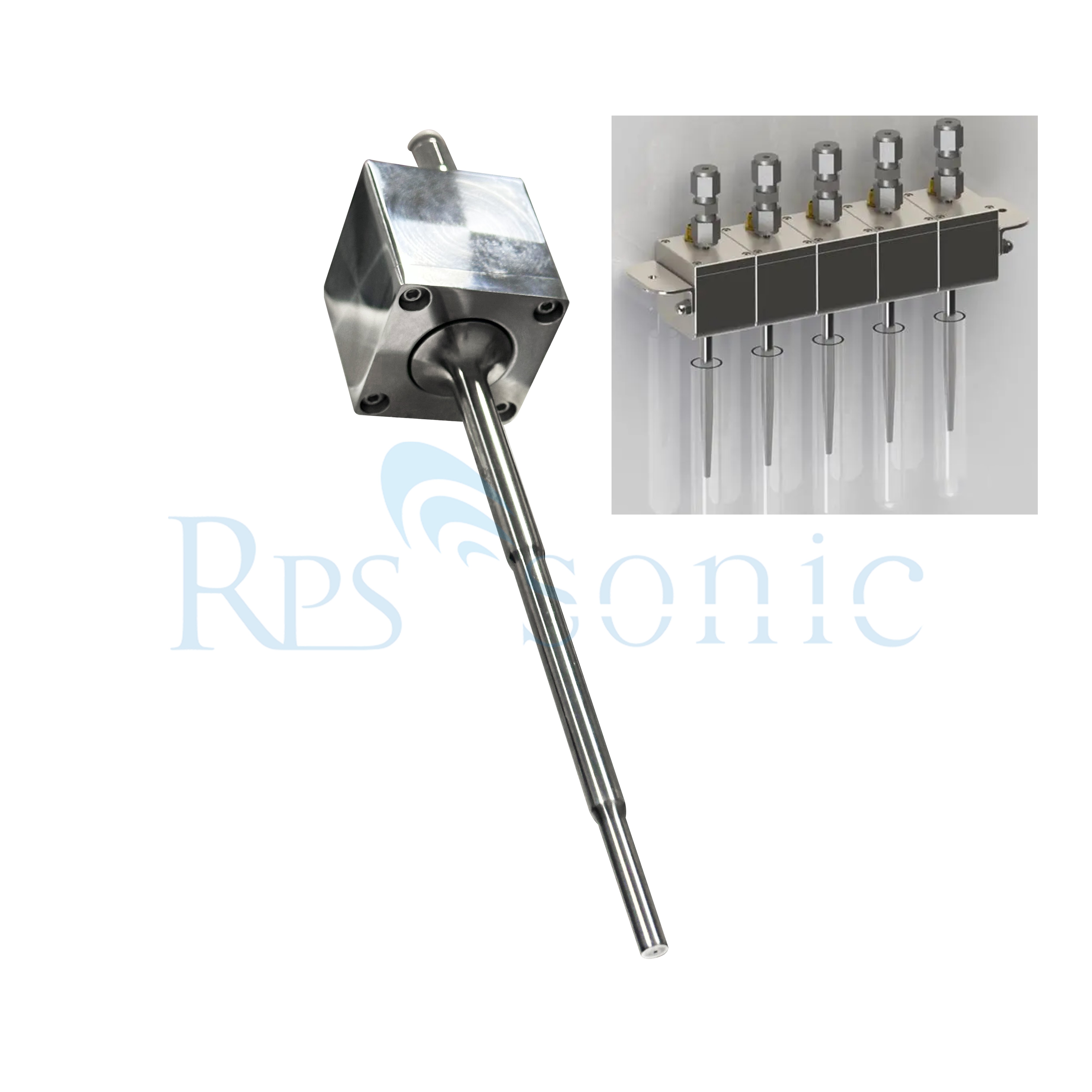
High frequency Ultrasonic spraying coating equipment for Nano film spraying
-
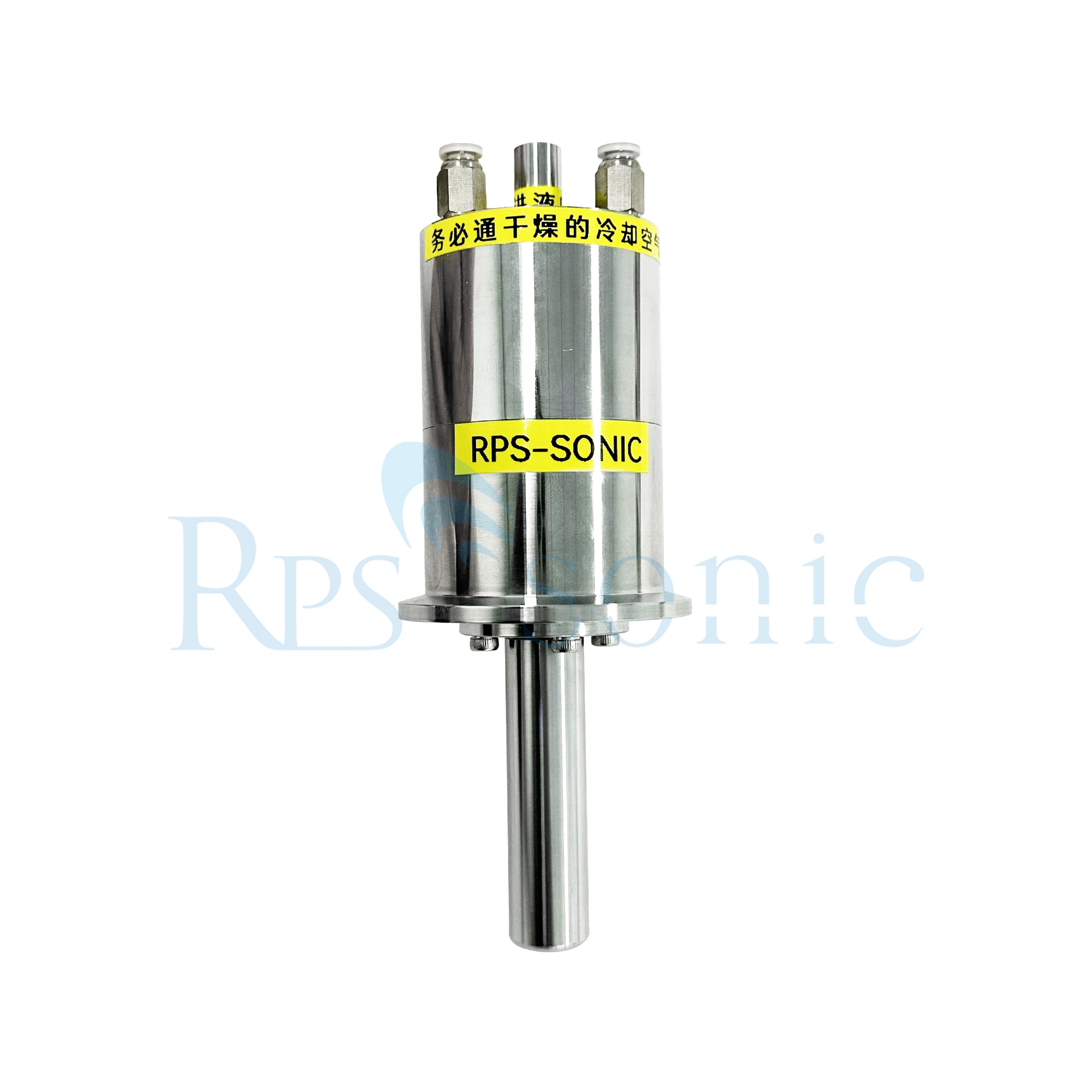
40KHz ultrasonic spray nozzle ultrasonic spray coating machine
-
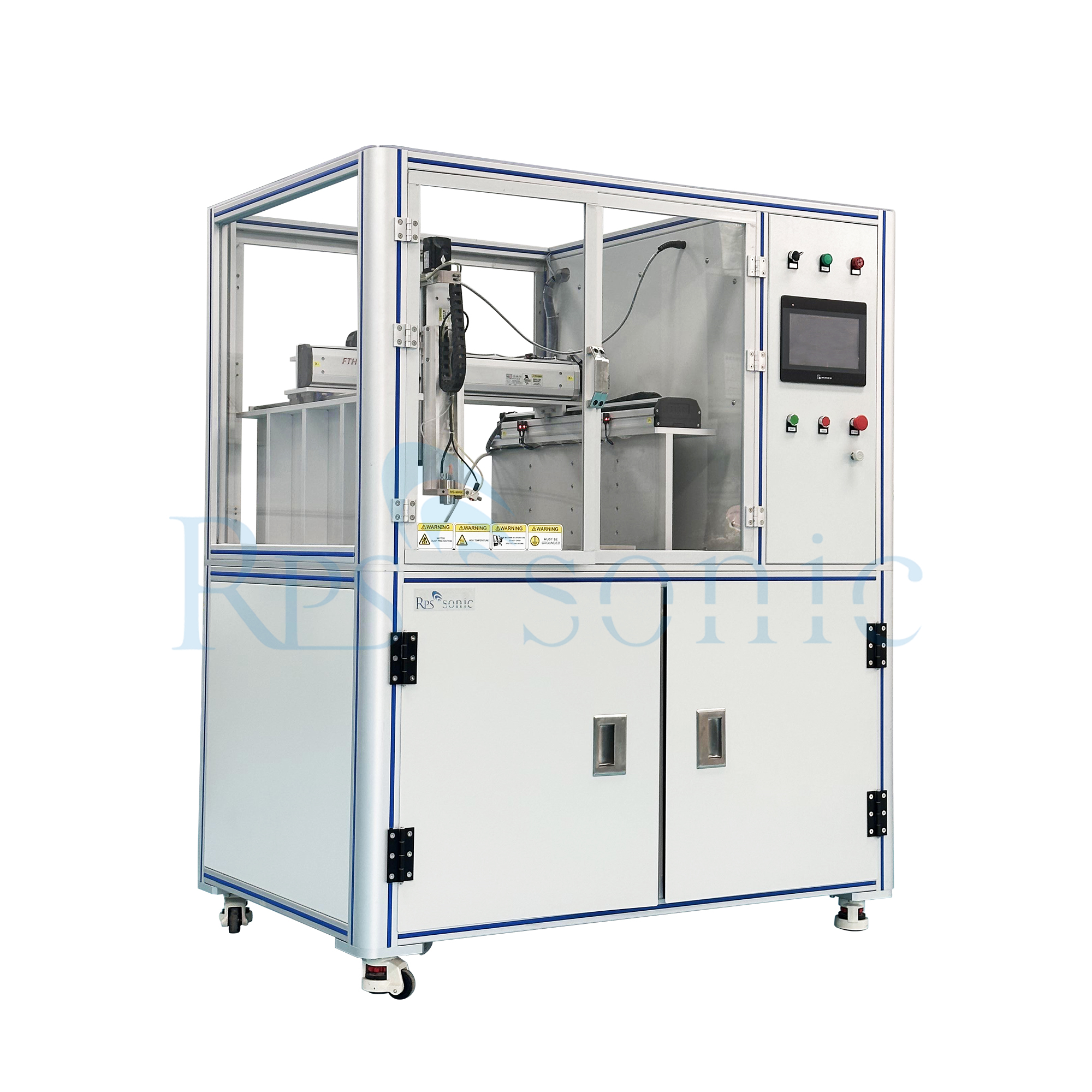
50KHz automatic ultrasonic spray coating machine
-

60KHz ultrasonic spray nozzle for coating organic silane
-

Ultrasonic spray coating nozzle with pump for spray catalyst ink on PEM membranes
-

120KHz ultrasonic spray nozzle for coating organic silane