




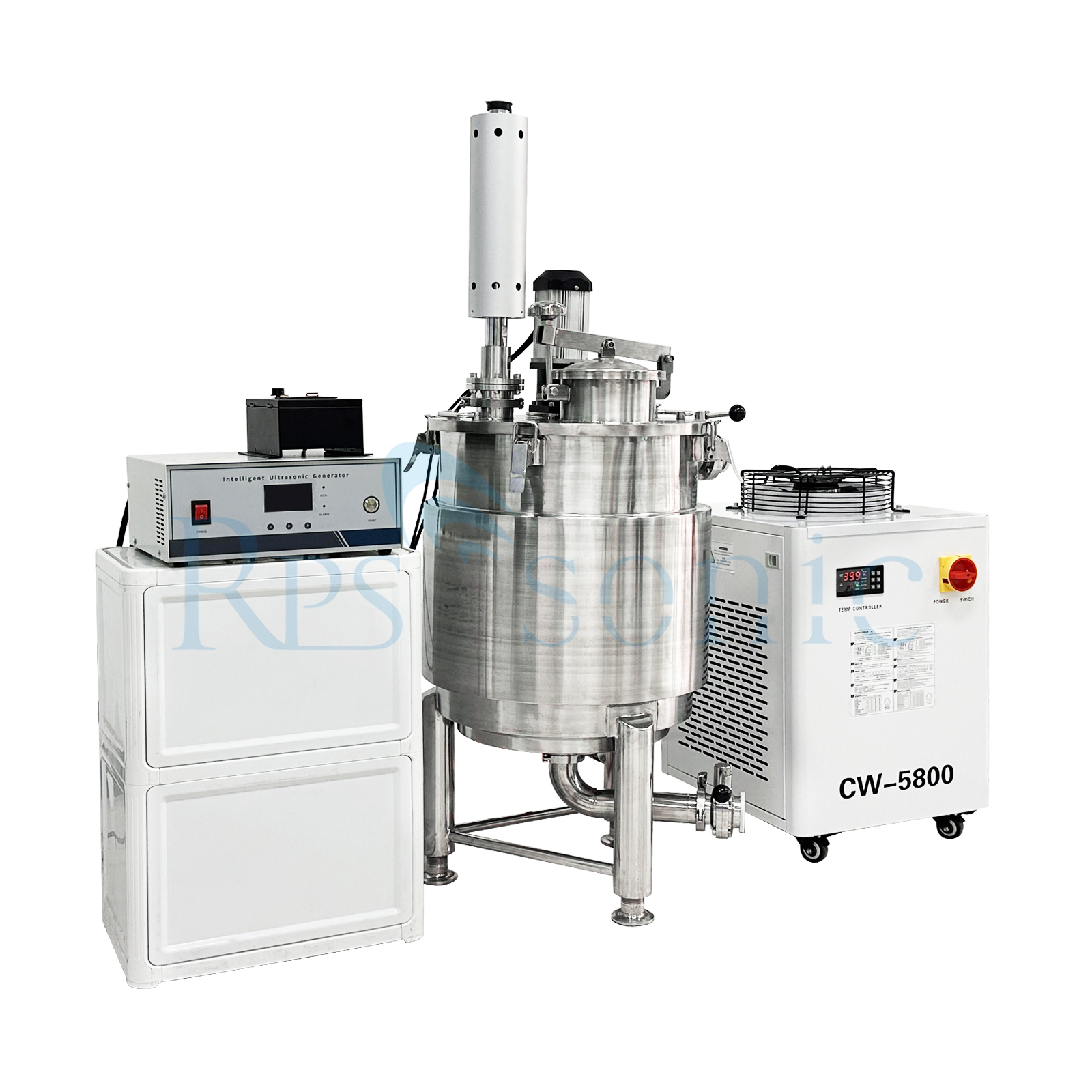
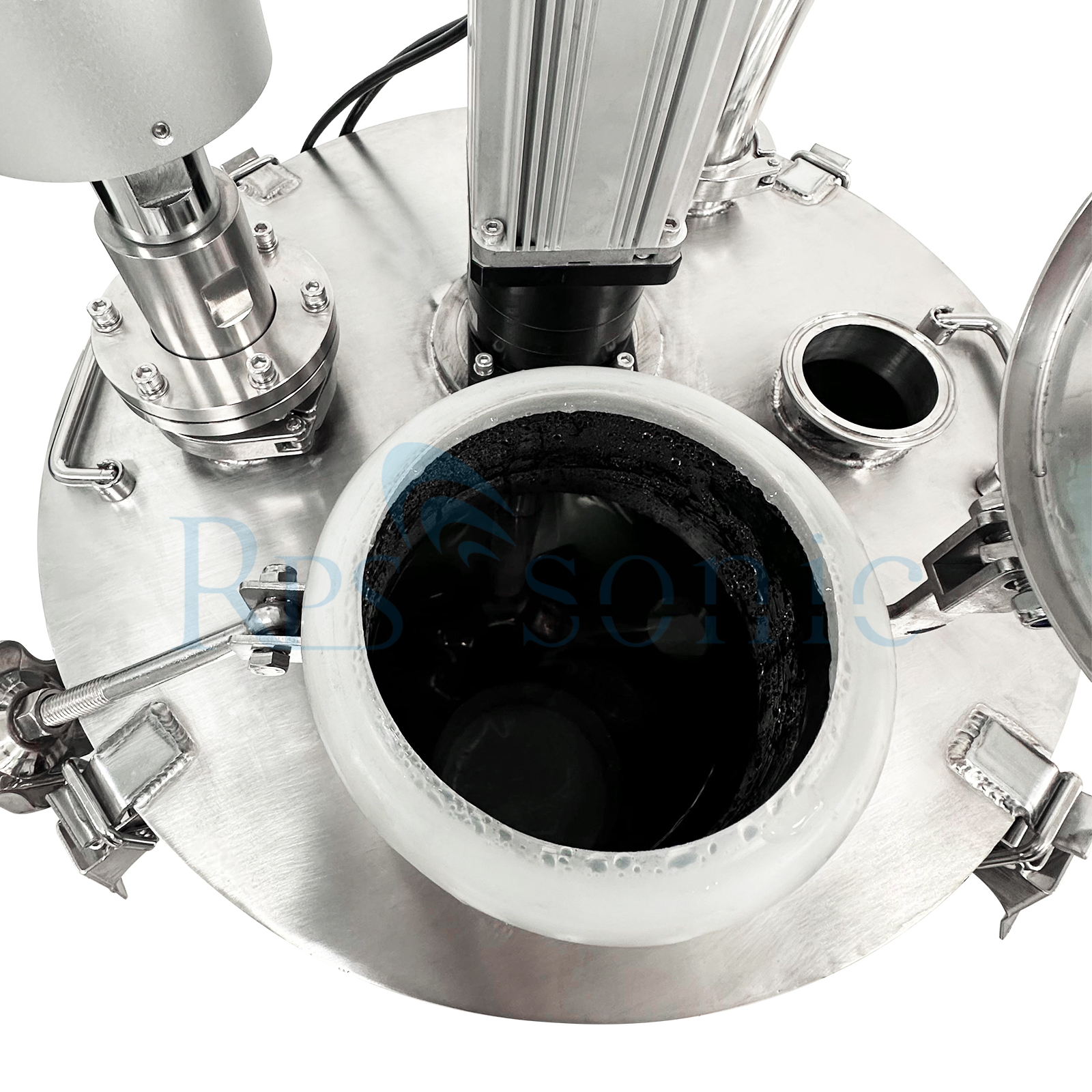
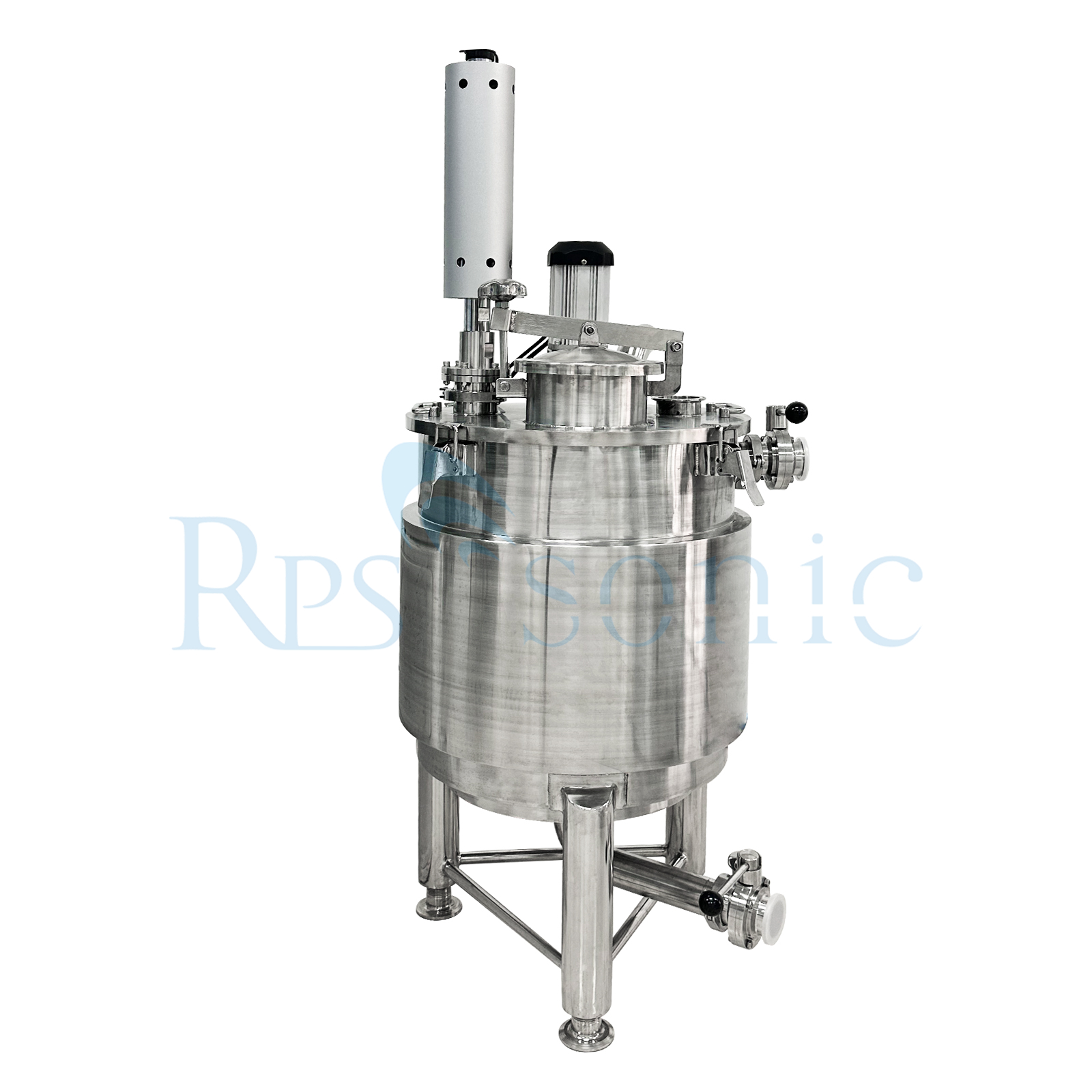
50L ultrasonic mushroom extraction machine with water cooling system



| Item | Parameter |
| Frequency | 20kHz |
| Power | 3000watt |
| Capacity | Above 20L |
| Amplitude | 10-99% |
| Power supply | 220v/50-60Hz |
| Horn material | Titanium alloy |
| Horn size | 50mm |
| Tank capacity | 50L |
| Tank material | SS304 Doubla layer |
| Gnerator | Digital type |
| Frame material | SS304 |
| Optional | Water bath,chiller,pump |
With the booming development of the health industry, the rich polysaccharides, triterpenoids and antioxidant components in mushrooms have become a research hotspot in the field of functional food and medicine. However, traditional extraction methods (such as water extraction and alcohol extraction) have bottlenecks such as low efficiency, long time consumption, and easy destruction of components. In recent years, Ultrasound-Assisted Extraction (UAE) technology has injected new vitality into the field of mushroom deep processing with its unique advantages.
1. Principle of ultrasonic extraction: synergistic effect of physics and chemistry
The core of ultrasonic extraction is to use the cavitation effect produced by high-frequency sound waves (usually 20-100 kHz) in liquid media. When the sound waves are transmitted through the solvent, countless tiny bubbles will instantly form inside the liquid and collapse violently, releasing powerful shock waves and local high temperatures (up to 5000K). This physical effect can:
1.1 Breaking cell structure: Chitin and cellulose in mushroom cell walls are difficult to be completely destroyed by traditional methods, while the mechanical shear force generated by ultrasound can directly penetrate the cell wall and release intracellular active substances;
1.2 Accelerating the mass transfer process: The cavitation effect significantly improves the solvent penetration efficiency and shortens the extraction time to 1/3-1/5 of the traditional method;
1.3 Protecting heat-sensitive components: By precisely controlling ultrasonic parameters (such as pulse mode), high temperature is avoided to degrade heat-labile components such as polysaccharides.
2. Technical advantages: efficiency and sustainability
2.1 Ultra-high extraction rate
Experiments show that ultrasound can increase the extraction rate of Ganoderma lucidum polysaccharides from 8% of traditional water extraction to 22%, and the recovery rate of ergothioneine in shiitake mushrooms can be increased by more than 40%.
Case: A German biotechnology company used 40 kHz ultrasound to treat Grifola frondosa, and obtained more than 90% of β-glucan in just 20 minutes.
2.2 Green and environmentally friendly
Reduce the amount of organic solvents (ethanol consumption is reduced by more than 50%), and the energy consumption is only 1/3 of microwave-assisted extraction, which is in line with the trend of low-carbon production.
2.3 Wide adaptability
Applicable to a variety of edible and medicinal fungi such as Ganoderma lucidum, Cordyceps sinensis, Hericium erinaceus, and can flexibly adjust the solvent system for different target components (such as fat-soluble triterpenes or water-soluble polysaccharides).
1. Cavitation effect: When ultrasonic waves propagate in the slurry, they generate high-frequency vibrations and form tiny bubbles. These bubbles expand and contract rapidly under the action of sound pressure, and eventually burst and release gas.
2. Bubble removal: The burst bubbles release gas, and the gas escapes from the slurry to achieve the purpose of degassing.
3. Slurry homogenization: Ultrasonic vibration can also promote the dispersion of particles in the slurry and improve the uniformity of the slurry.
3. Industrial Application and Challenges
At present, modular ultrasonic reactors have achieved large-scale production. For example, a continuous flow ultrasonic system developed by a Canadian company can process 500 kg of fresh mushroom raw materials per hour, reducing unit costs by 30%. However, technical optimization still needs to break through two major bottlenecks:
3.1 Precise parameter control: The differences in cell structure of different mushroom varieties require customized ultrasonic frequency, power and processing time;
3.2 Equipment durability: Long-term high-frequency vibration may affect the life of the transducer, and real-time monitoring is required in combination with smart sensors.
Ultrasonic technology has not only revolutionized the extraction of active ingredients from mushrooms, but has also promoted the transformation of the entire natural product industry towards high efficiency and intelligence. With the deep integration of scientific research and industry, this technology will help humans discover more of the "hidden value" of mushrooms and open a new chapter in the big health industry.
1.What types of samples can be processed with ultrasonic homogenizers?
Ultrasonic homogenizers can process a wide range of samples, including biological tissues, cells, microorganisms, plant material, pharmaceutical formulations, emulsions, suspensions, and various types of liquids.
2.Are there different sizes and power options available for ultrasonic homogenizers?
Yes, ultrasonic homogenizers come in various sizes and power options to accommodate different sample volumes and processing requirements. They range from small handheld devices for small-scale applications to larger benchtop or industrial-scale systems.
3.How do I choose the right ultrasonic homogenizer for my application?
When choosing an ultrasonic homogenizer, consider factors such as sample volume, processing time, frequency and power settings, sample type, and the specific application requirements. Consulting with the manufacturer or supplier can help in selecting the most suitable device.
4.Can ultrasonic homogenizers be used in combination with other techniques?
Yes, ultrasonic homogenizers can be used in combination with other techniques to enhance the efficiency and effectiveness of sample processing. For example, they can be used in conjunction with enzymatic treatments, mechanical agitation, or temperature control methods to achieve specific results.
5.What is more important when choosing the appropriate device - power rating or amplitude?
Power output is not the sole criterion for selecting the ultrasonic homogeniser. This value only indicates the power of the ultrasonic generator but not the energy delivered into the sample. The amplitude at the radiating surface of the probe is the determining factor while considering the sample volume. RPS-SONIC homogenisers provide higher amplitudes than comparable devices in the market due to an optimal matching of all components.
-
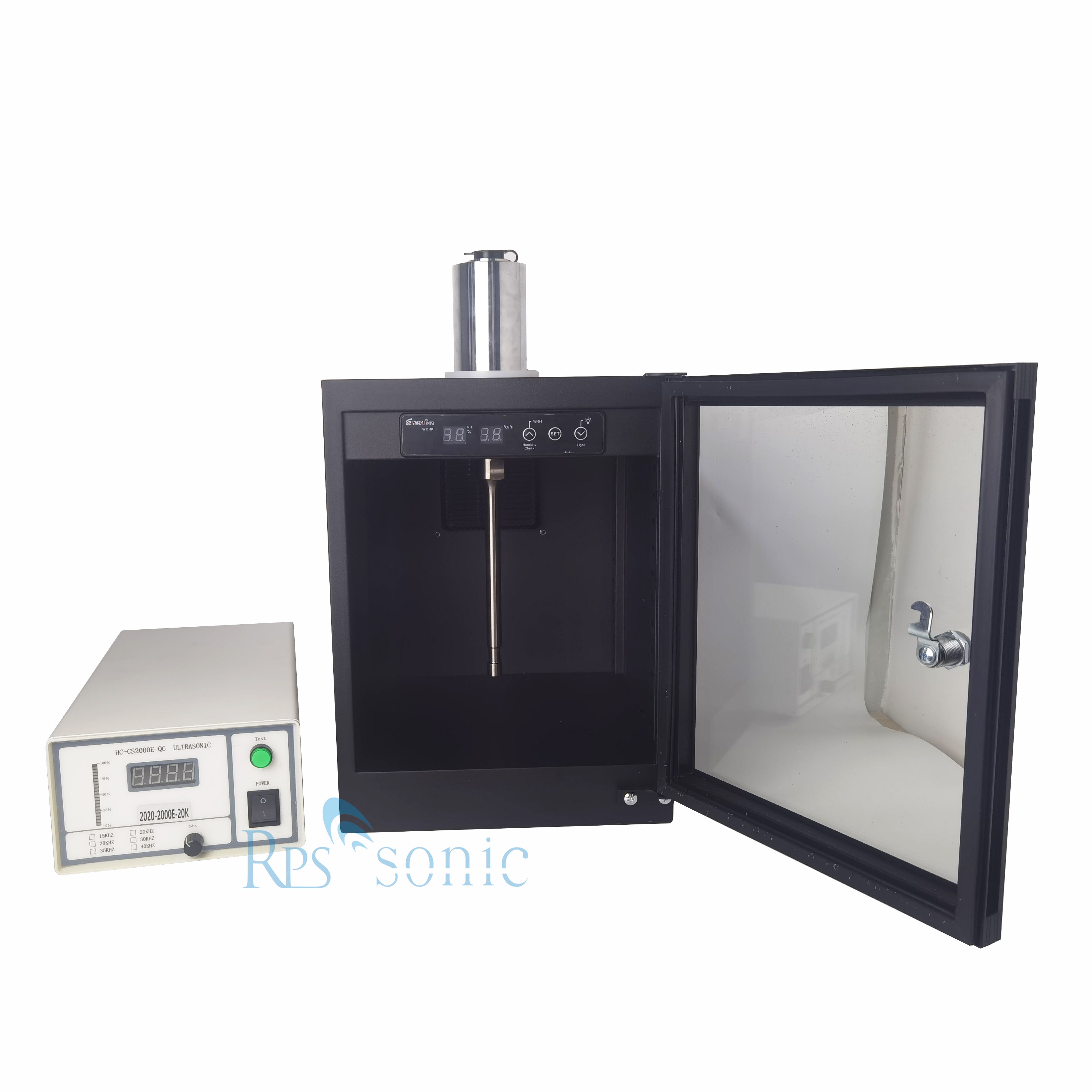
20Khz 1000w ultrasonicator ultrasonic emulsification equipment with Sound-proof enclosure
-
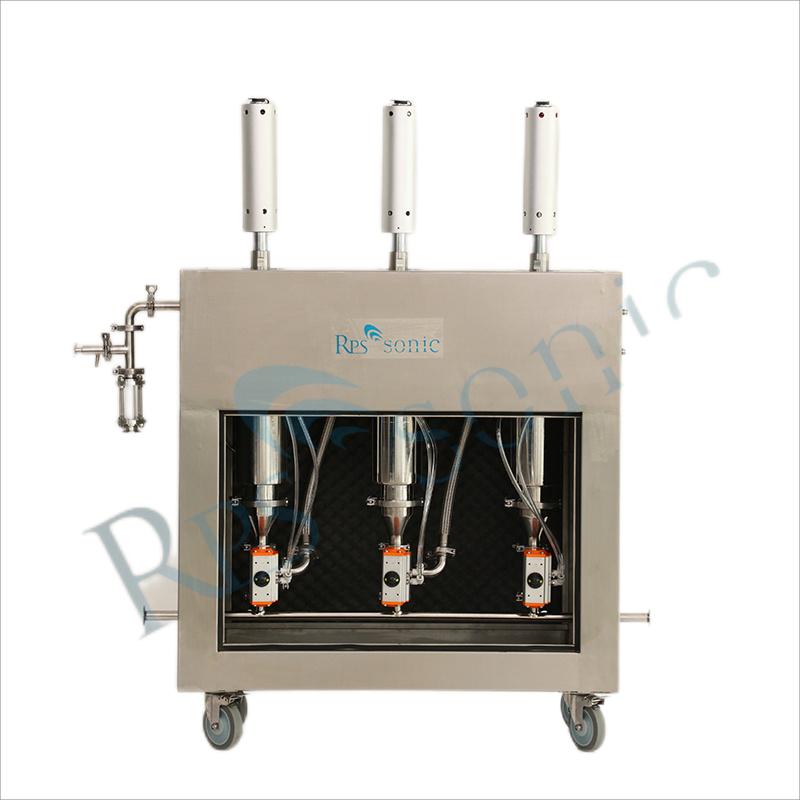
Industrial 20kHz Ultrasonic homogenizer ultrasonic Series circulating liquid processor
-

Flow cell ultrasonic homogenizer for oil and water emulsification supplier
-

Flow cell ultrasonic homogenizer for oil and water emulsification supplier
-

Flow cell 20KHz ultrasonic homogenizer for oil and water emulsification supplier
-

3 in 1 Series ultrasonic herb extraction machine ultrasonic cell disruptor
-

Laboratory scale Ultrasonic circulation treatment equipment ultrasonic sonicator
-
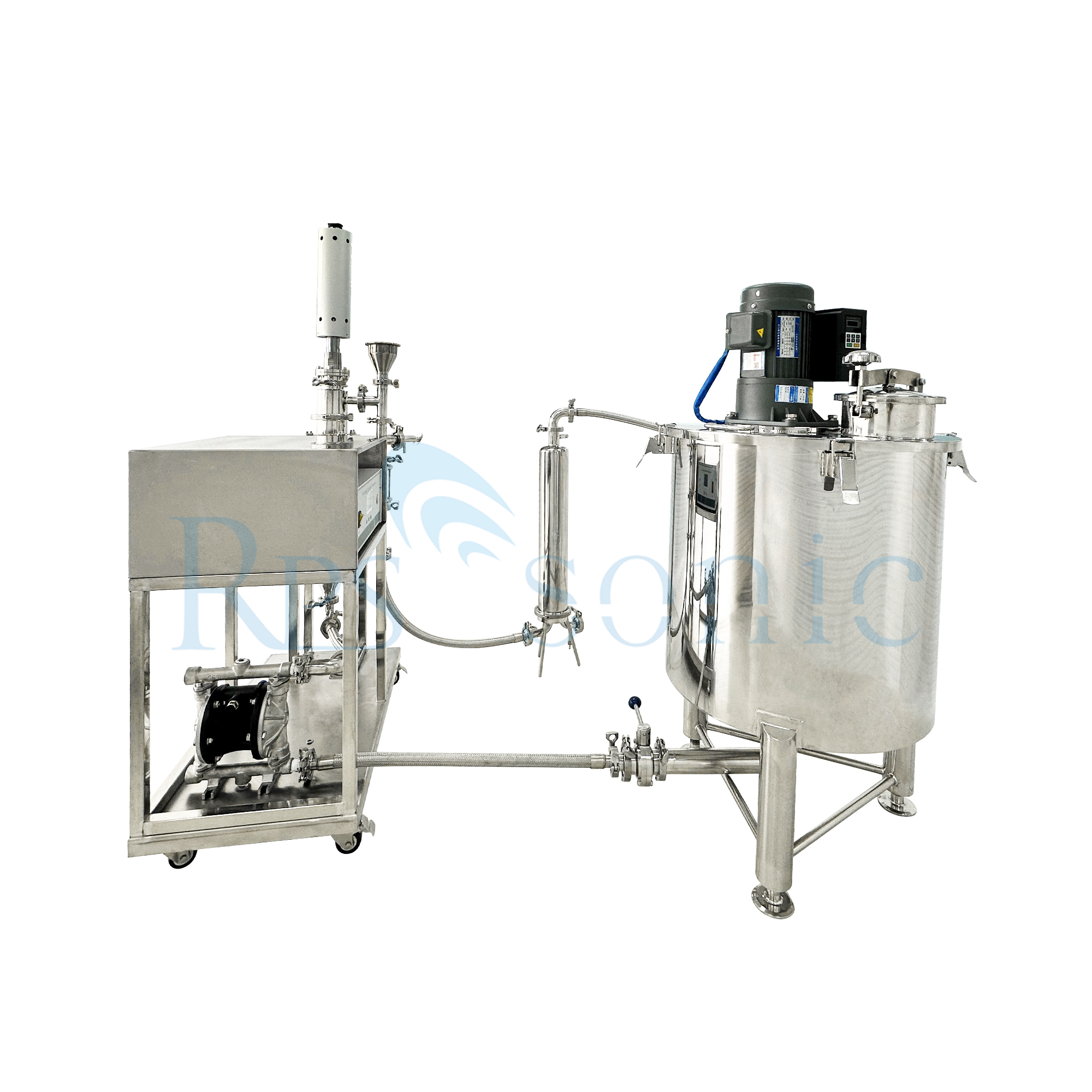
Ultrasonic flow cell homogenizer for CBD oil extraction with 100L tank
-
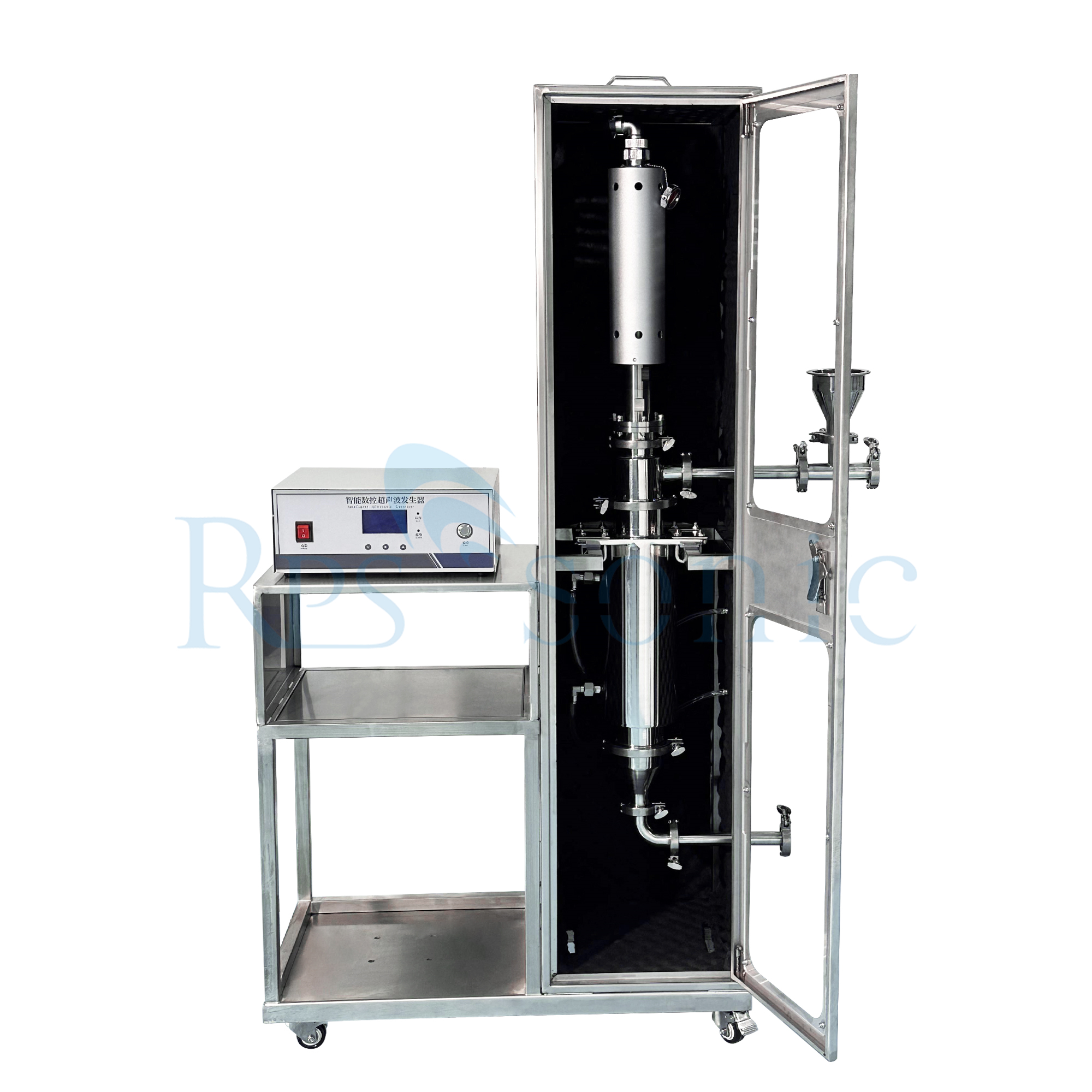
Soundproof ultrasonic homogenizer for Battery slurry degassing
-

Glass rector ultrasonic homogenizer for nano material dispersion