




20kHz Ultrasonic tinning pot for Tinned Aluminum/Copper

| Model No. | RPS-UTP2 | |
| Ultrasonic Frequency | 20Khz | |
| Maximum Output | 1000 Watt | |
| Temperature Range | 150 ~ 400 °C | |
| Power Supply | 220V / 50-60 Hz | |
| Ultrasonic Generator | Size | 250(W) x 310(L) x 135(H) mm |
| Weight | 5 Kg | |
| Feature | Ultrasonic Amplitude Adjustable | |
| Pot dimension | 20*15cm | |
| Avail Soldering Matrial | ITO Glass, AL, Mo, Cu etc., | |
1. Core Principle
Ultrasonic vibration: The ultrasonic generator (usually with a frequency of 20kHz-40kHz) converts electrical energy into mechanical vibration, which is transmitted to the solder liquid level in the tin pot through the transducer, generating high-frequency micro-amplitude fluctuations.
Cavitation effect: Ultrasonic waves generate tiny bubbles in the molten solder and burst them instantly, breaking the oxide layer on the metal surface, enhancing the wettability of the solder, and making the welding stronger.
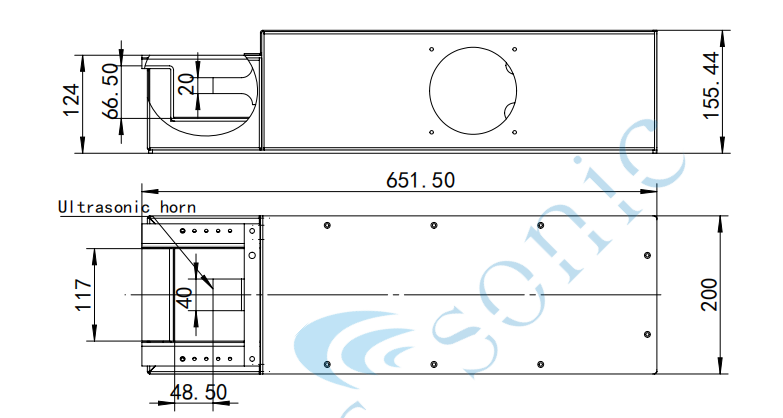
2. Main components
Tin bath: a high temperature resistant metal container (such as titanium alloy) that holds molten solder (usually Sn-Ag-Cu lead-free alloy) with controllable temperature (200°C-450°C).
Ultrasonic system:
Transducer: converts electrical signals into mechanical vibrations.
Amplifier: amplifies the vibration amplitude and transmits it to the tin liquid.
Heating system: electric heating tube or ceramic heater to maintain the molten state of solder.
Control system: PID temperature control module, ultrasonic power adjustment, timing function, etc.
3. Workflow
3.1 Preheating: Heat the solder to the set temperature (such as 250°C).
3.2 Ultrasonic activation: Start the ultrasonic wave, and the surface of the tin liquid will vibrate evenly.
3.3 Soldering: Immerse the workpiece to be soldered (such as PCB board or metal terminal) in the tin liquid, the oxide layer is broken, and the solder quickly wets the soldering surface.
3.4 Completion: Take out the workpiece and form a smooth solder joint.
4. Technical features
4.1 No flux required: Ultrasonic waves can remove the oxide layer, reduce chemical residues, and are environmentally friendly and cost-saving.
4.2 Applicable to difficult-to-weld materials: It has significant effects on materials that are difficult to weld traditionally, such as aluminum, stainless steel, and ceramics.
4.3 Precision welding: Suitable for high-demand scenarios such as micro-pitch components (such as SMT patches) and high-frequency signal lines.
4.4 Temperature uniformity: Dynamic vibration of tin liquid avoids local overheating and reduces thermal damage.
5. Typical applications
Electronic manufacturing: PCB board plug-in welding, FPC flexible circuit welding.
Semiconductor packaging: lead frame, sensor pin welding.
Special materials: lithium battery tabs, metal shielding cover welding.
-
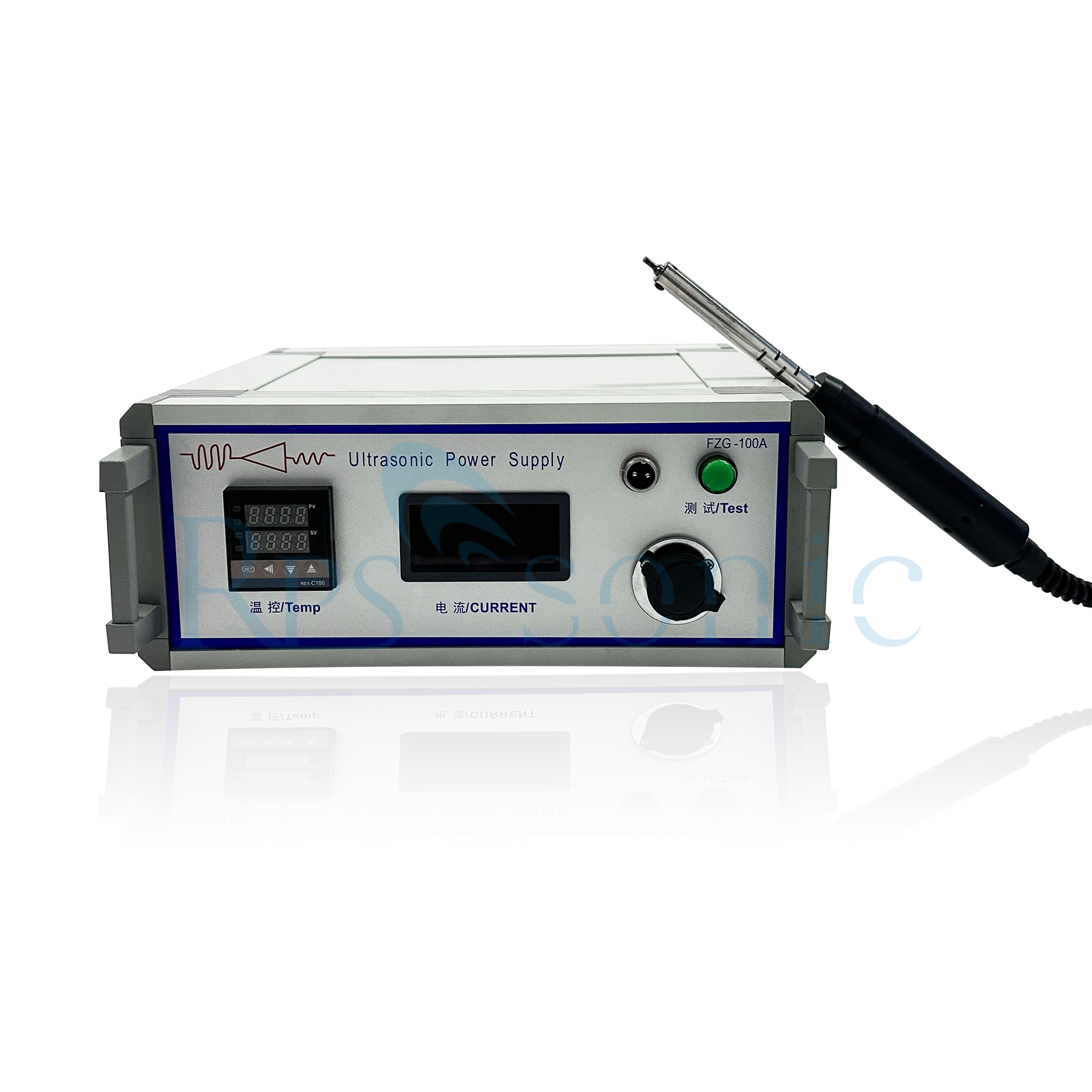
60Khz Ultrasonic soldering iron equipment for soldering copper
-
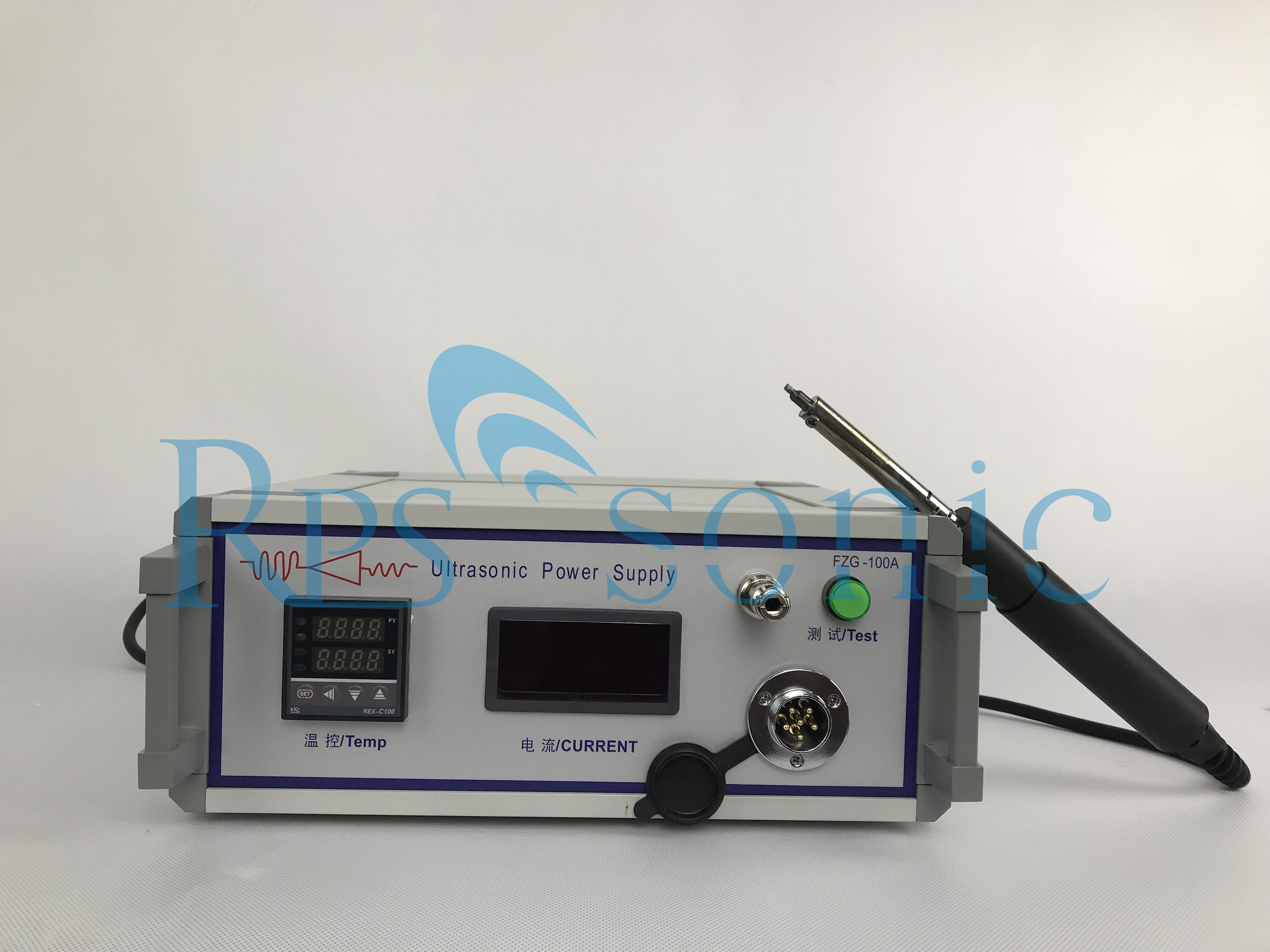
60Khz Ultrasonic soldering iron equipment for Soldering titanium
-
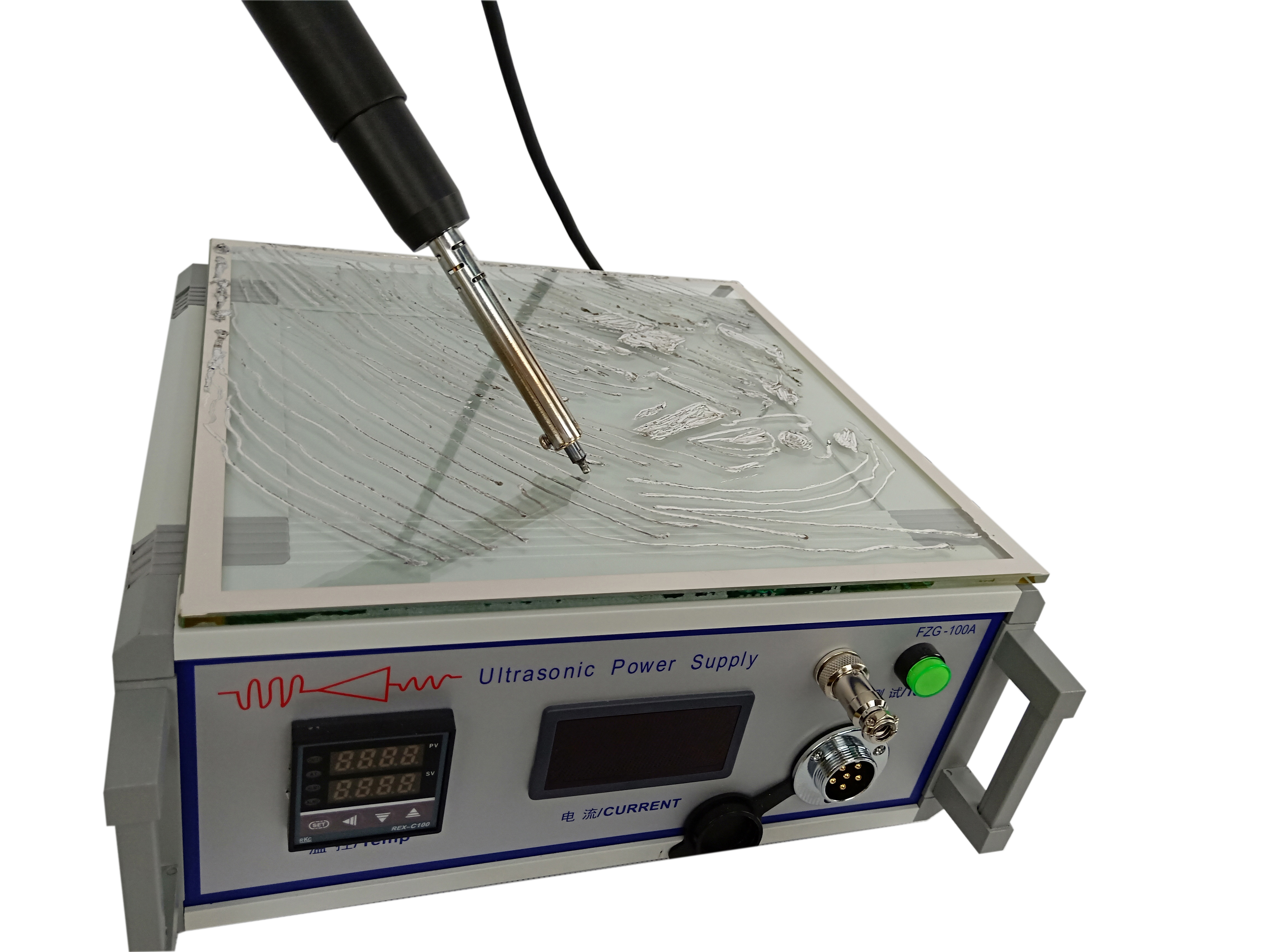
60Khz Ultrasonic soldering iron equipment for Soldering Copper Wire on Glass
-
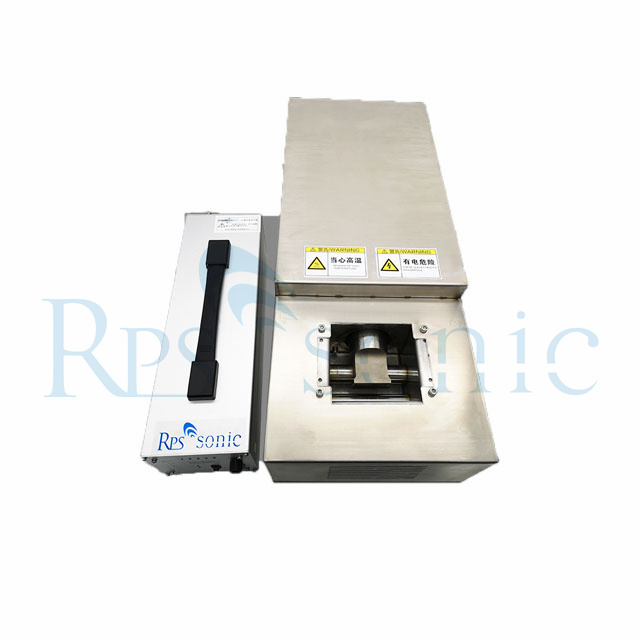
20Khz ultrasonic dip tinning welding Ultrasonic Soldering iron Pots
-
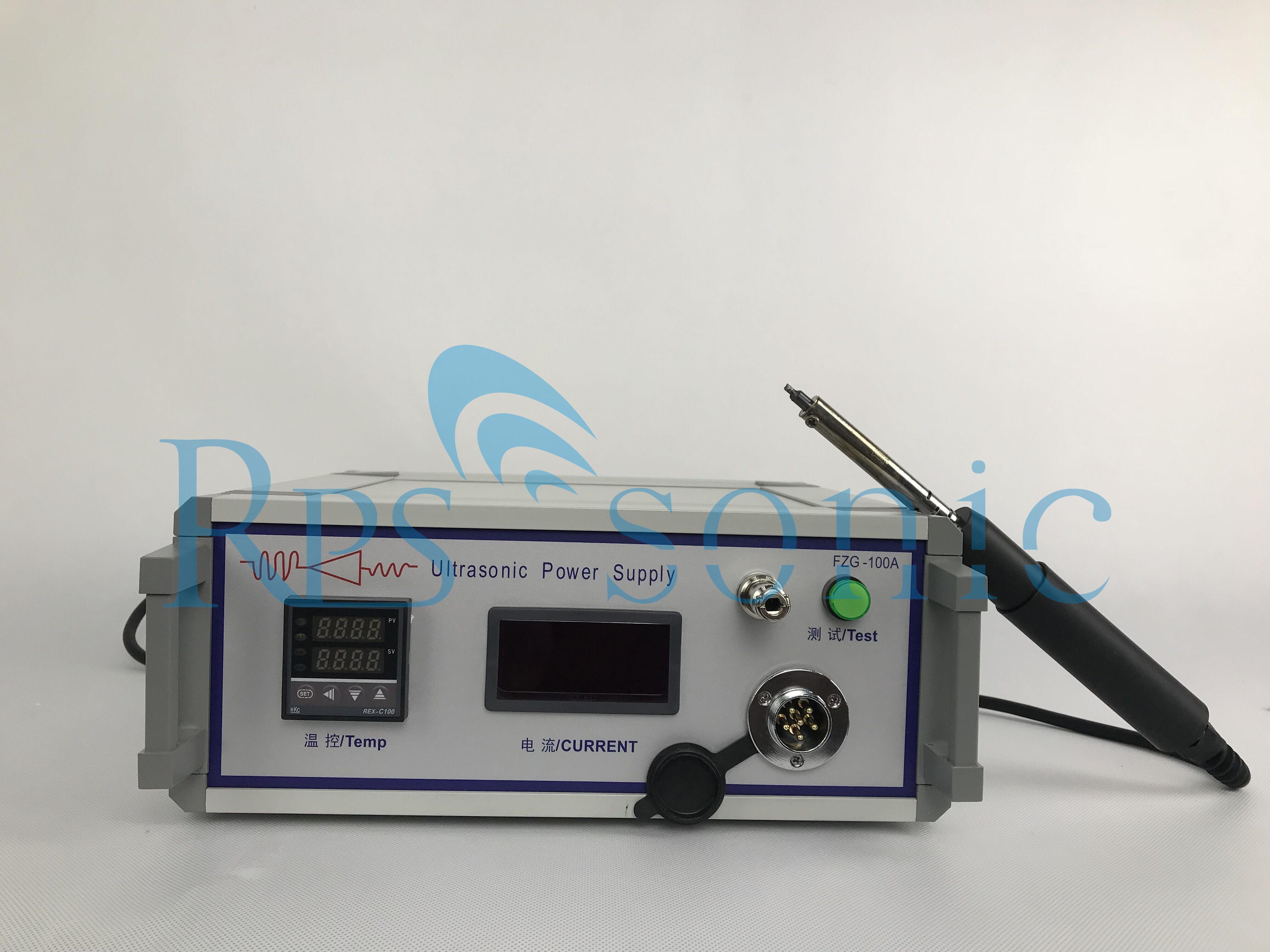
60Khz 100w Portable Ultrasonic soldering iron equipment for Glass welding
-
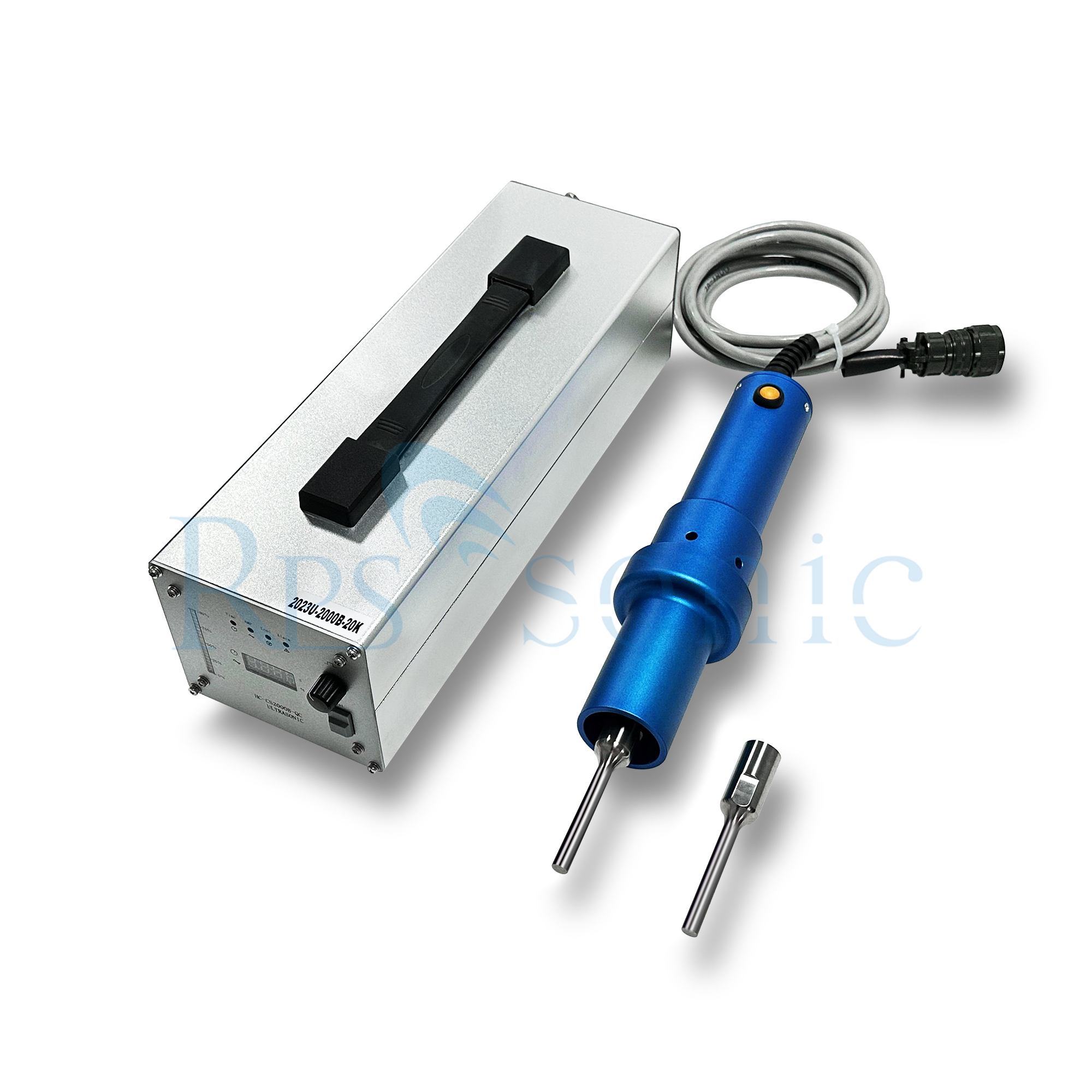
Handheld ultrasonic dip tinning welding Ultrasonic Soldering iron equipment
-
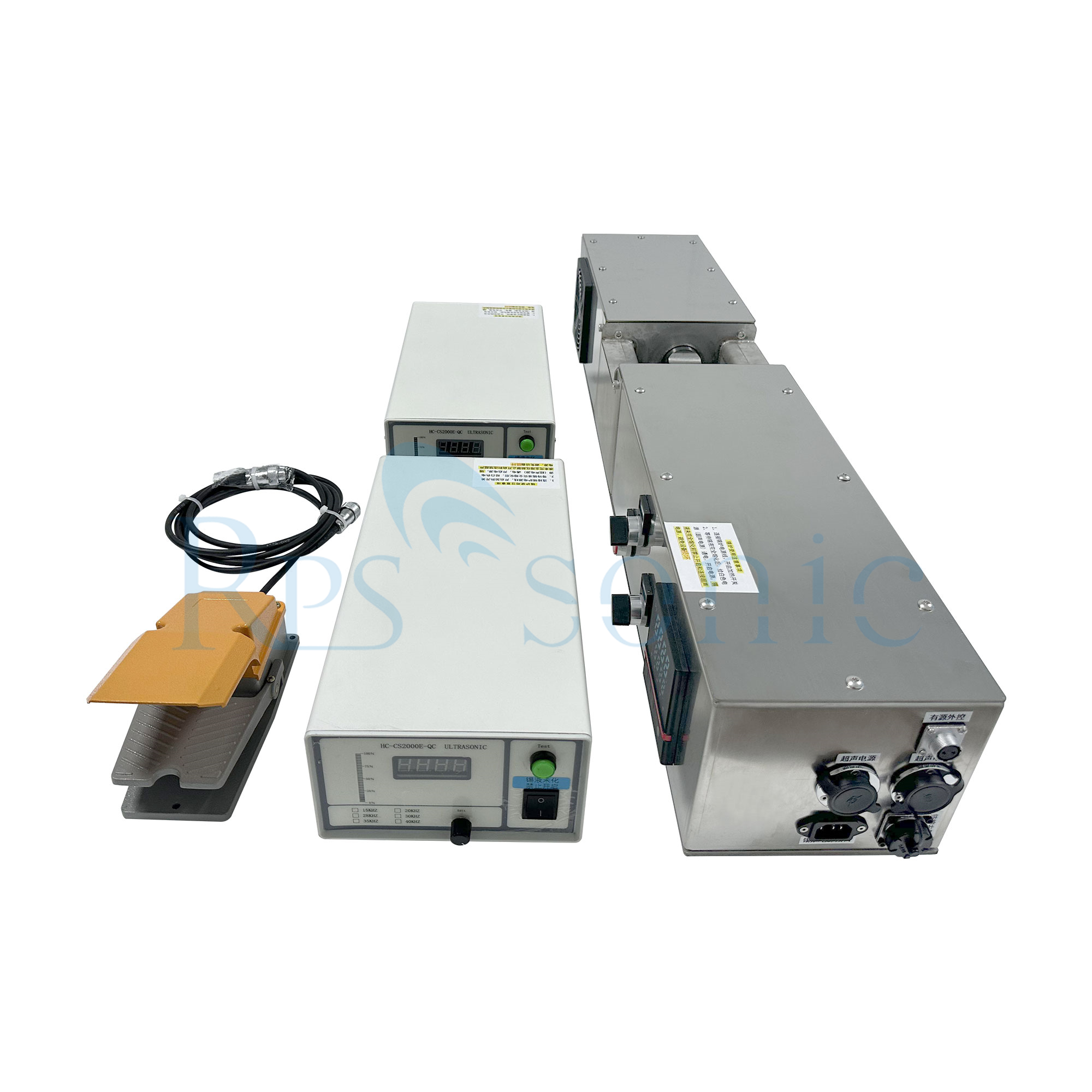
20Khz ultrasonic dip tinning welding Ultrasonic Soldering iron Pots China supplier
-
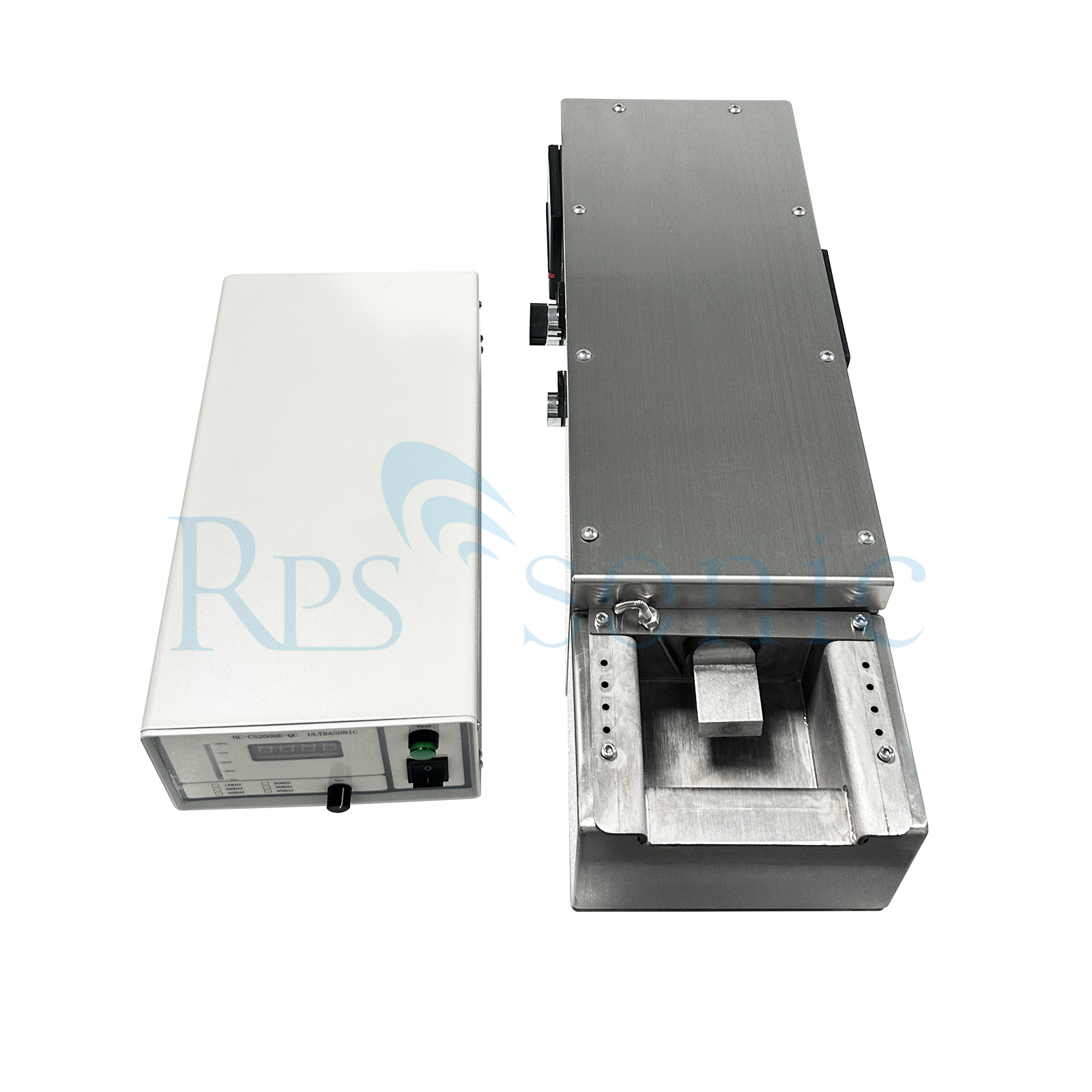
20Khz fluxless ultrasonic dip tinning welding Ultrasonic Soldering iron Pots China supplier
-
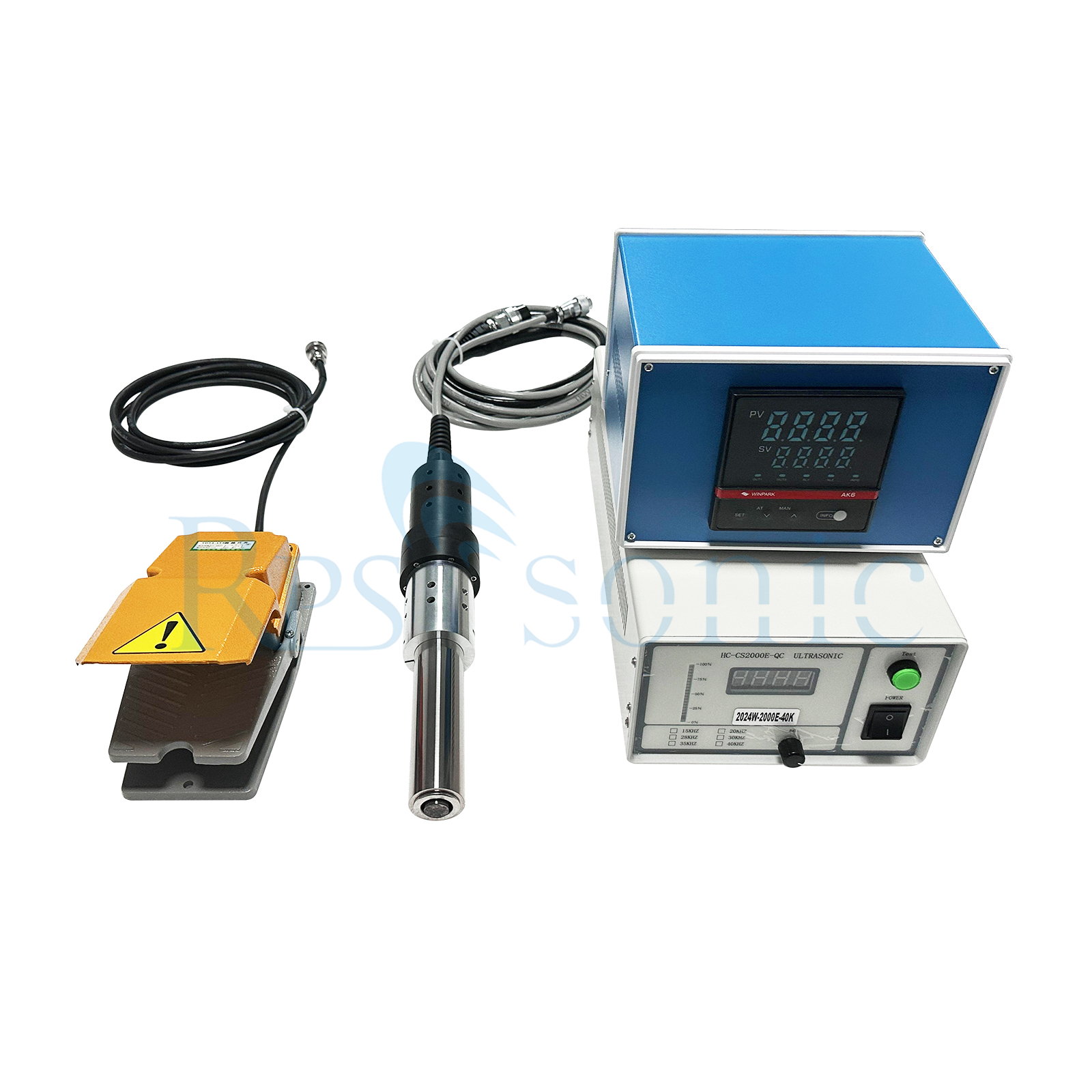
40Khz handheld ultrasonic soldering iron equipment for soldering aluminum