




High-Performance Flow Cell 20KHz Ultrasonic Extraction Machine for Efficient Oil and Water Emulsification


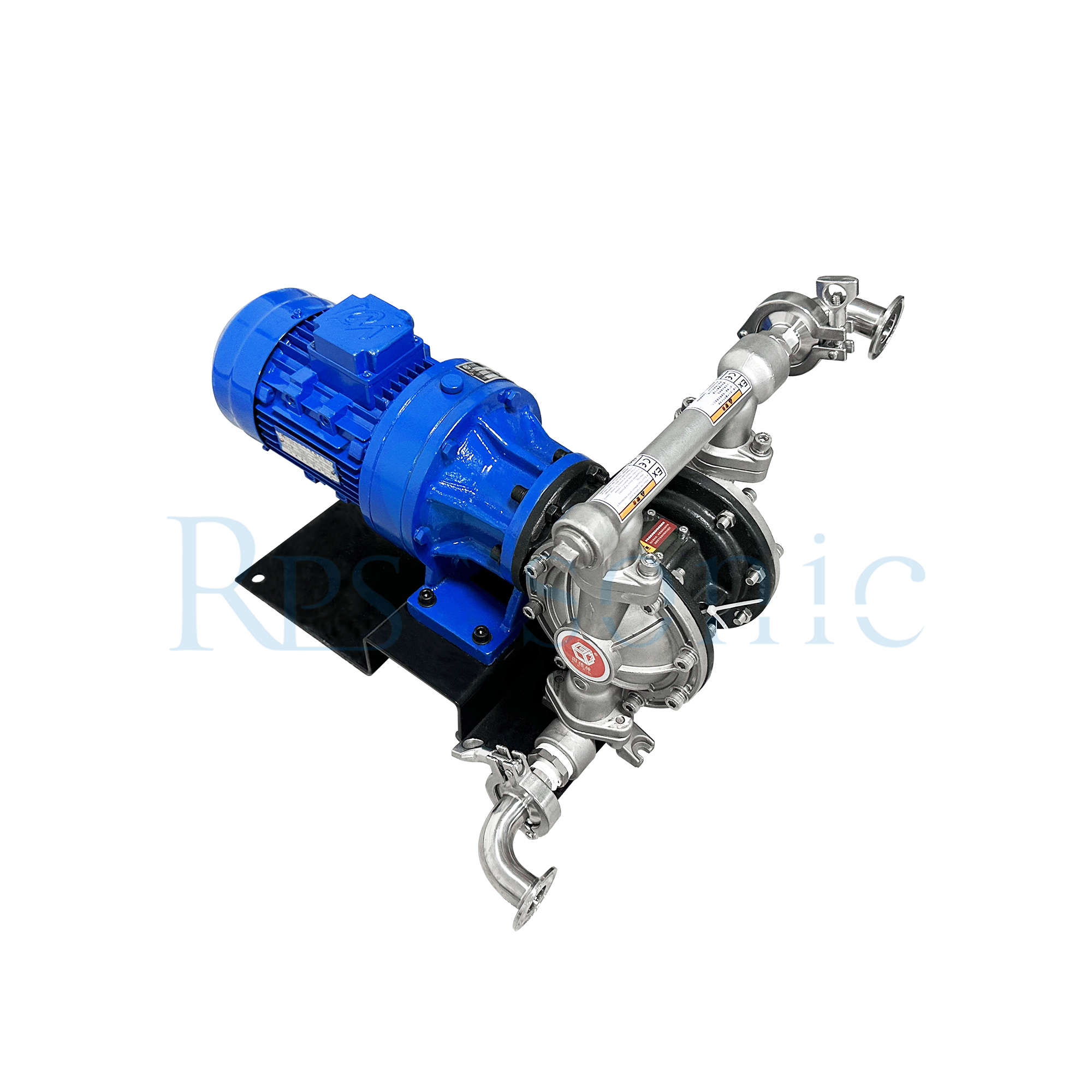

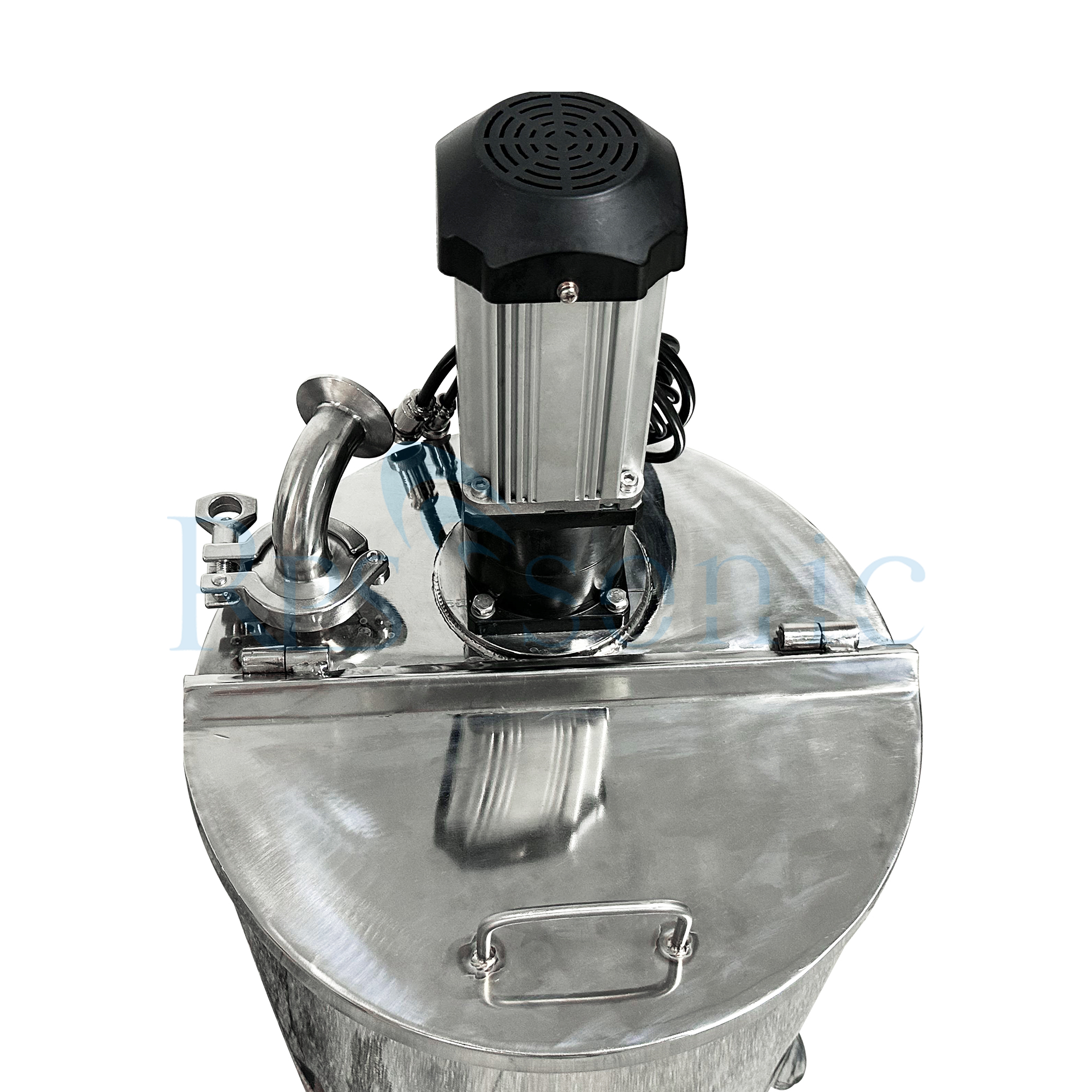
| Model | SONO20-1000 | SONO20-2000 | SONO15-3000 | SONO20-3000 |
| Frequency | 20±0.5 KHz | 20±0.5 KHz | 15±0.5 KHz | 20±0.5 KHz |
| Power | 1000 W | 2000 W | 3000 W | 3000 W |
| Voltage | 220/110V | 220/110V | 220/110V | 220/110V |
| Temperature | 300 ºC | 300 ºC | 300 ºC | 300 ºC |
| Pressure | 35 MPa | 35 MPa | 35 MPa | 35 MPa |
| Intensity of sound | 20 W/cm² | 40 W/cm² | 60 W/cm² | 60 W/cm² |
| Max Capacity | 10 L/Min | 15 L/Min | 20 L/Min | 20 L/Min |
| Tip Head Material | Titanium Alloy | Titanium Alloy | Titanium Alloy | Titanium Alloy |
Description
Ultrasonic extraction is widely used to release valuable intracellular substances from plant material. Target extracts include lipids/fatty acids, proteins, vitamins, polyphenols and other bioactive compounds. As a process intensification technique, ultrasonic extraction of edible oils, such as extra virgin olive oil, avocado oil, sunflower oil, flaxseed oil, etc., can increase the yield of extracted oil (fatty acids), shorten the extraction time and reduce or avoid the use of solvent consumption.
Olive oil extraction
Ultrasonic machines can be integrated into regular olive oil production lines. The performance of the extraction process can be improved by sonicating olive paste, thereby increasing the extraction capacity of olive oil mills. Sonication, an essential step in the mechanical olive oil extraction process, can greatly improve the situation. The gelatinization efficiency depends on the rheological properties of the olive paste and the process parameters of the gelatinization, such as time and temperature. These factors significantly affect the yield and quality of virgin olive oil.
Cavitation occurs when powerful ultrasonic waves are applied to tapenade. Cavitation refers to the formation, growth and collapse of bubbles during alternating pressure cycles. Ultrasonic cavitation disrupts cellular structure, enables the release of soluble compounds from olive plant tissue, and improves mass transfer. Therefore, by sonication, the extraction rate and yield are significantly improved. The oil in the sonicated olive paste also showed lower bitterness and higher content of tocopherols, chlorophyll and carotenoids.
Sonication is a gentle, non-thermal food processing technique that releases oils and active compounds (e.g. antioxidants, phenols, vitamins) from olive paste. The olive-colored paste can be processed very uniformly through a continuous in-line process in the ultrasonic cavitation zone. Sonication is also very beneficial for process temperature: sonication heats up instantaneously and greatly reduces the warm-up time for tapenade, after which the process temperature can be easily maintained at the optimum process temperature (eg 28-30C).
Avocado Oil Extract
Using an ultrasonic extraction machine to process avocado puree can increase the recovery rate of avocado oil by 15-24%. Sonication aids in the cold pressing of avocado oil by increasing oil production. Non-autoclaved technology allows avocado oil to retain its valuable nutrients, flavorful aromas and intense emerald green color. Ultrasonic instant dissolution and extraction of avocado pulp improves oil release and potentially shortens the instant dissolution time in industrial avocado oil production without compromising quality.
Ultrasonic-pressed avocado oil is carefully maintained to retain all of its healthy nutritional compounds such as vitamins, enzymes, micronutrients and flavor components. Studies have shown that sonication increases the extraction rate and reduces extraction time of edible oils, while maintaining the high nutrient levels of vegetable oils.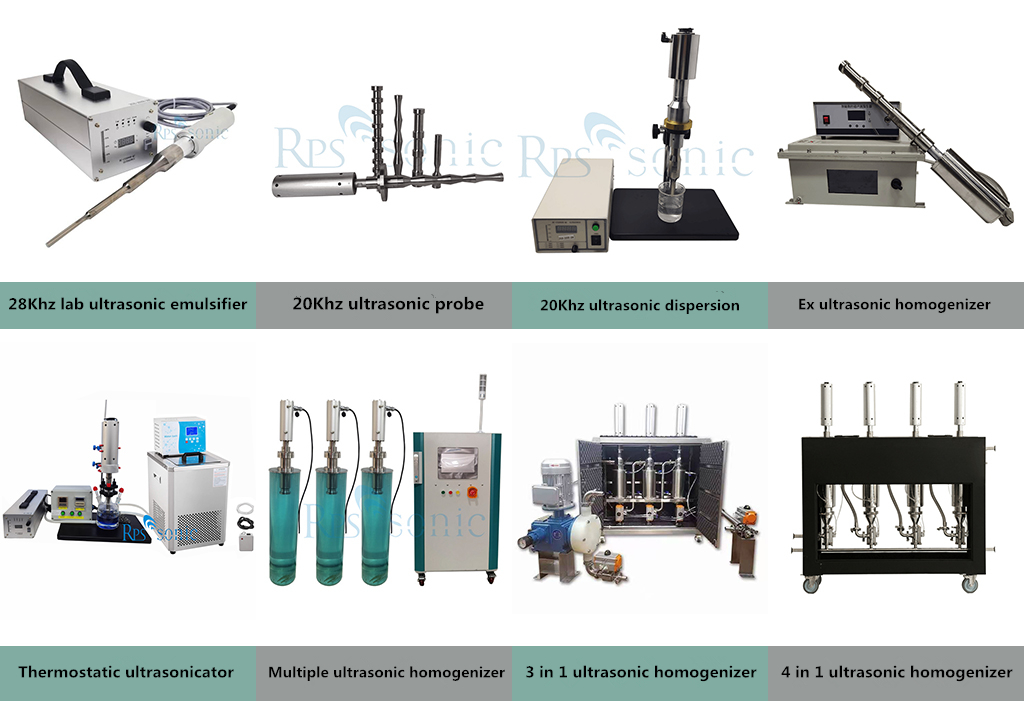
All our models operate at a steady frequency of 20±0, ensuring consistent and reproducible results. With our machines, you can achieve unparalleled homogenization, blending, and emulsification, making them an essential tool for industries ranging from pharmaceuticals to food processing and beyond. The ultrasonic extraction machine not only enhances the emulsification process but also significantly reduces the time and energy required, leading to cost savings and increased productivity. Choose the RPS-SONIC Flow Cell 20KHz Ultrasonic Extraction Machine for a reliable, efficient, and high-quality solution to all your emulsification needs. With our advanced technology and dedication to excellence, we provide you with the tools to take your industrial processes to the next level.
1.What types of samples can be processed with ultrasonic homogenizers?
Ultrasonic homogenizers can process a wide range of samples, including biological tissues, cells, microorganisms, plant material, pharmaceutical formulations, emulsions, suspensions, and various types of liquids.
2.Are there different sizes and power options available for ultrasonic homogenizers?
Yes, ultrasonic homogenizers come in various sizes and power options to accommodate different sample volumes and processing requirements. They range from small handheld devices for small-scale applications to larger benchtop or industrial-scale systems.
3.How do I choose the right ultrasonic homogenizer for my application?
When choosing an ultrasonic homogenizer, consider factors such as sample volume, processing time, frequency and power settings, sample type, and the specific application requirements. Consulting with the manufacturer or supplier can help in selecting the most suitable device.
4.Can ultrasonic homogenizers be used in combination with other techniques?
Yes, ultrasonic homogenizers can be used in combination with other techniques to enhance the efficiency and effectiveness of sample processing. For example, they can be used in conjunction with enzymatic treatments, mechanical agitation, or temperature control methods to achieve specific results.
5.What is more important when choosing the appropriate device - power rating or amplitude?
Power output is not the sole criterion for selecting the ultrasonic homogeniser. This value only indicates the power of the ultrasonic generator but not the energy delivered into the sample. The amplitude at the radiating surface of the probe is the determining factor while considering the sample volume. RPS-SONIC homogenisers provide higher amplitudes than comparable devices in the market due to an optimal matching of all components.
-
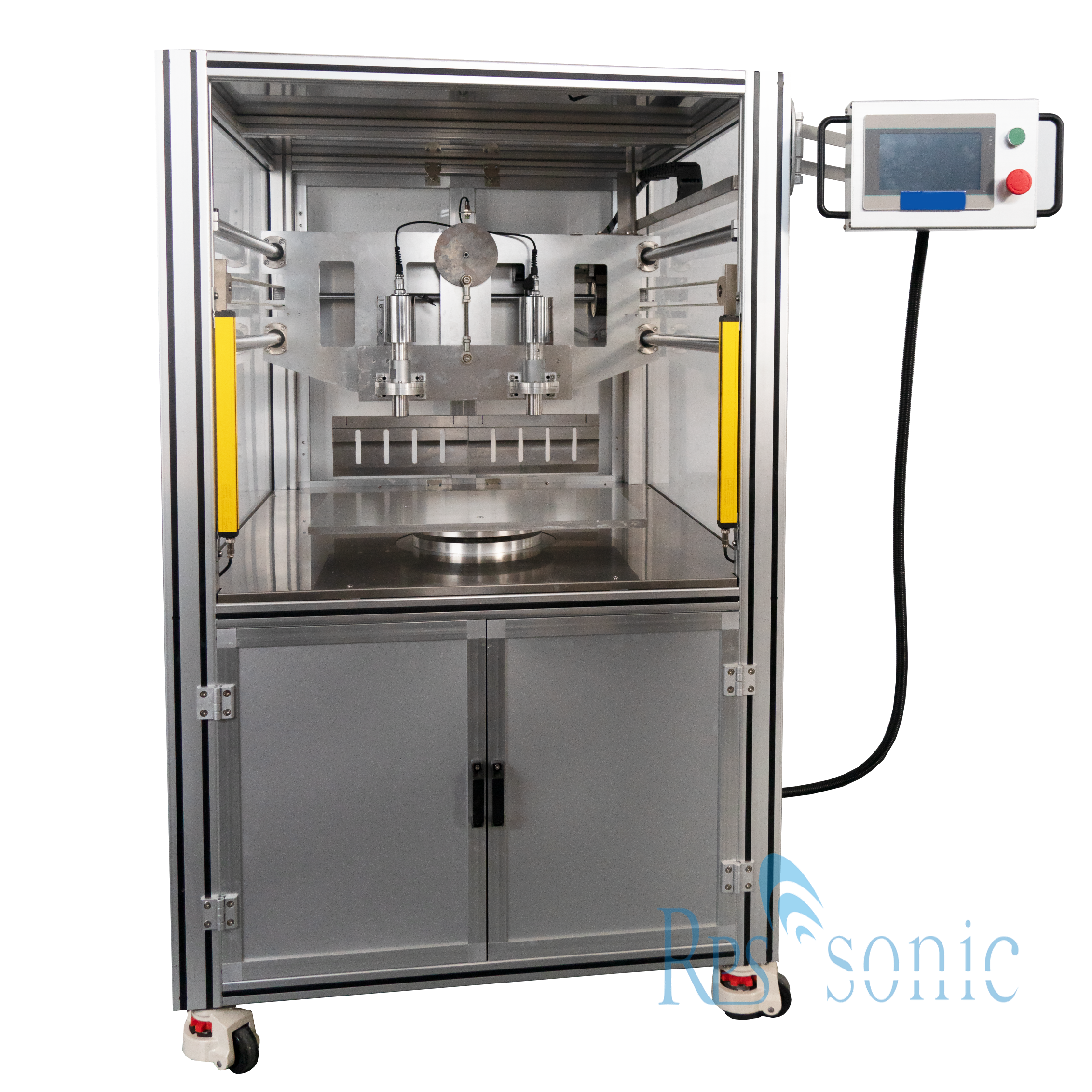
20Khz automatic ultrasonic cutting machine for cake bread candy cutting
-
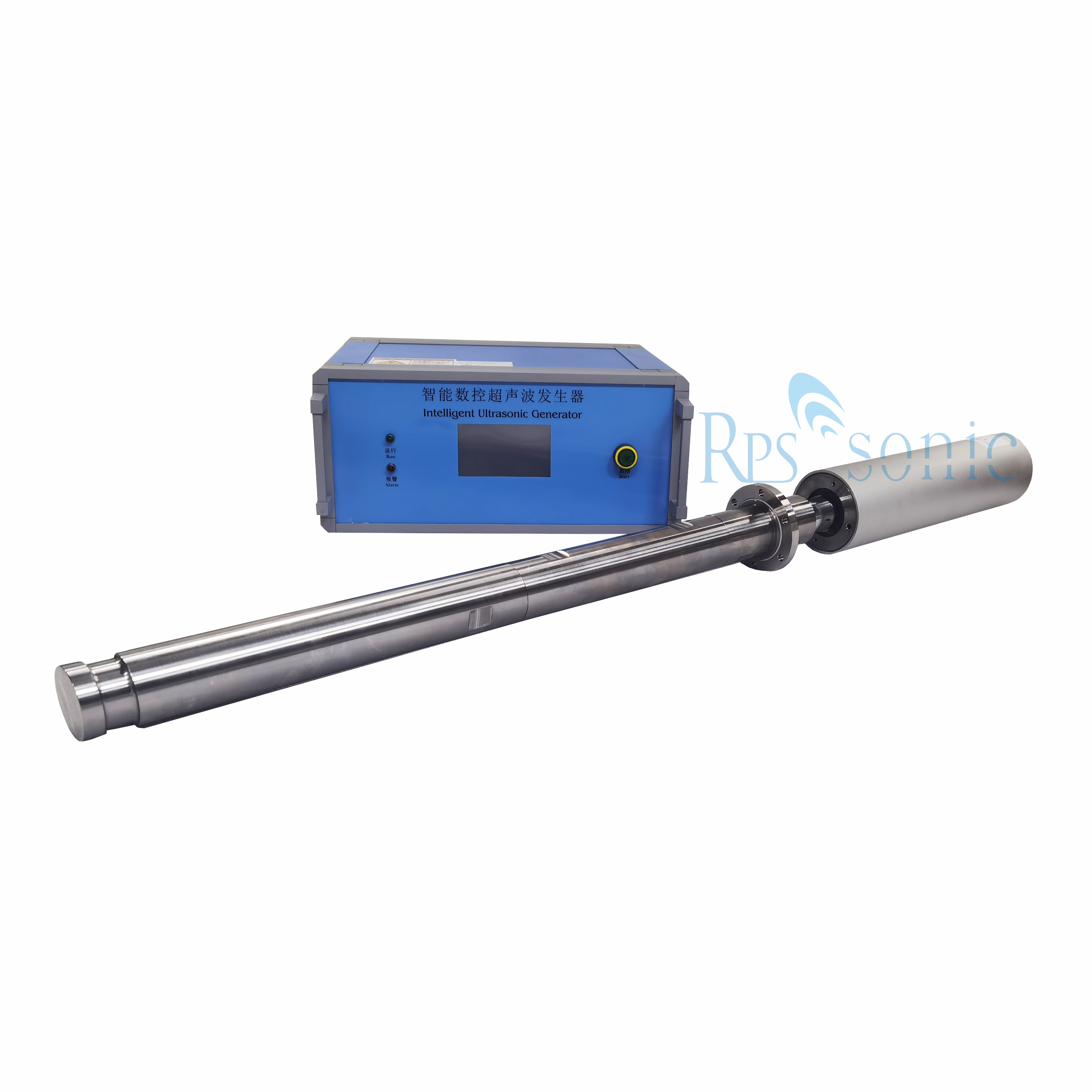
20Khz 1000w Ultrasonic Aluminum Molten Metal Treatment System with titanium horn
-
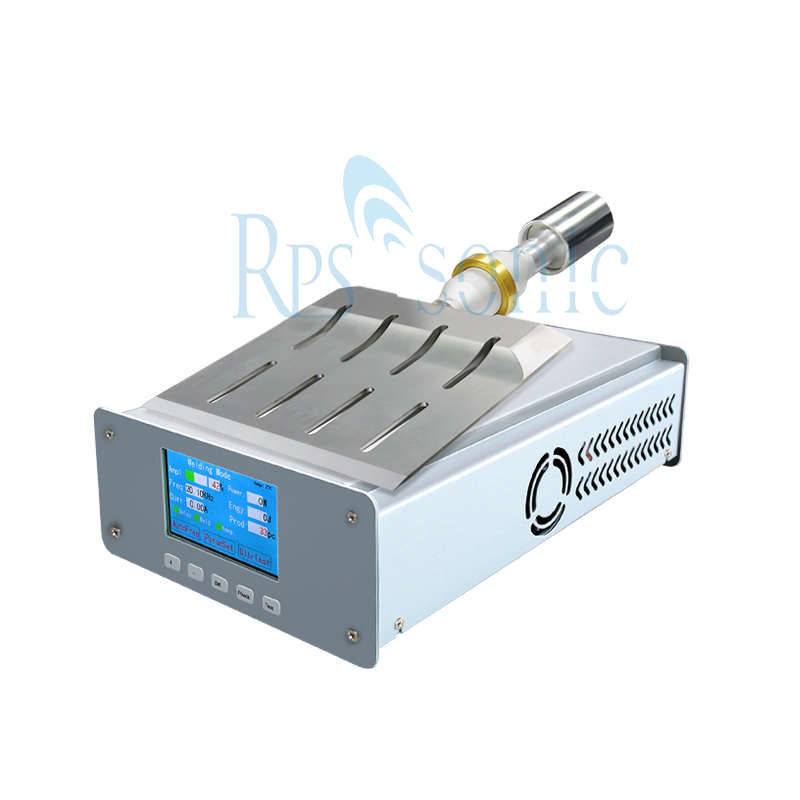
OEM/ODM Manufacturer China Food Grade Titanium Alloy 20kHz Ultrasonic Food Cutter for Automatic Production Line
-

20Khz 3000w high power Graphene Preparation Ultrasonic dispersion machine
-
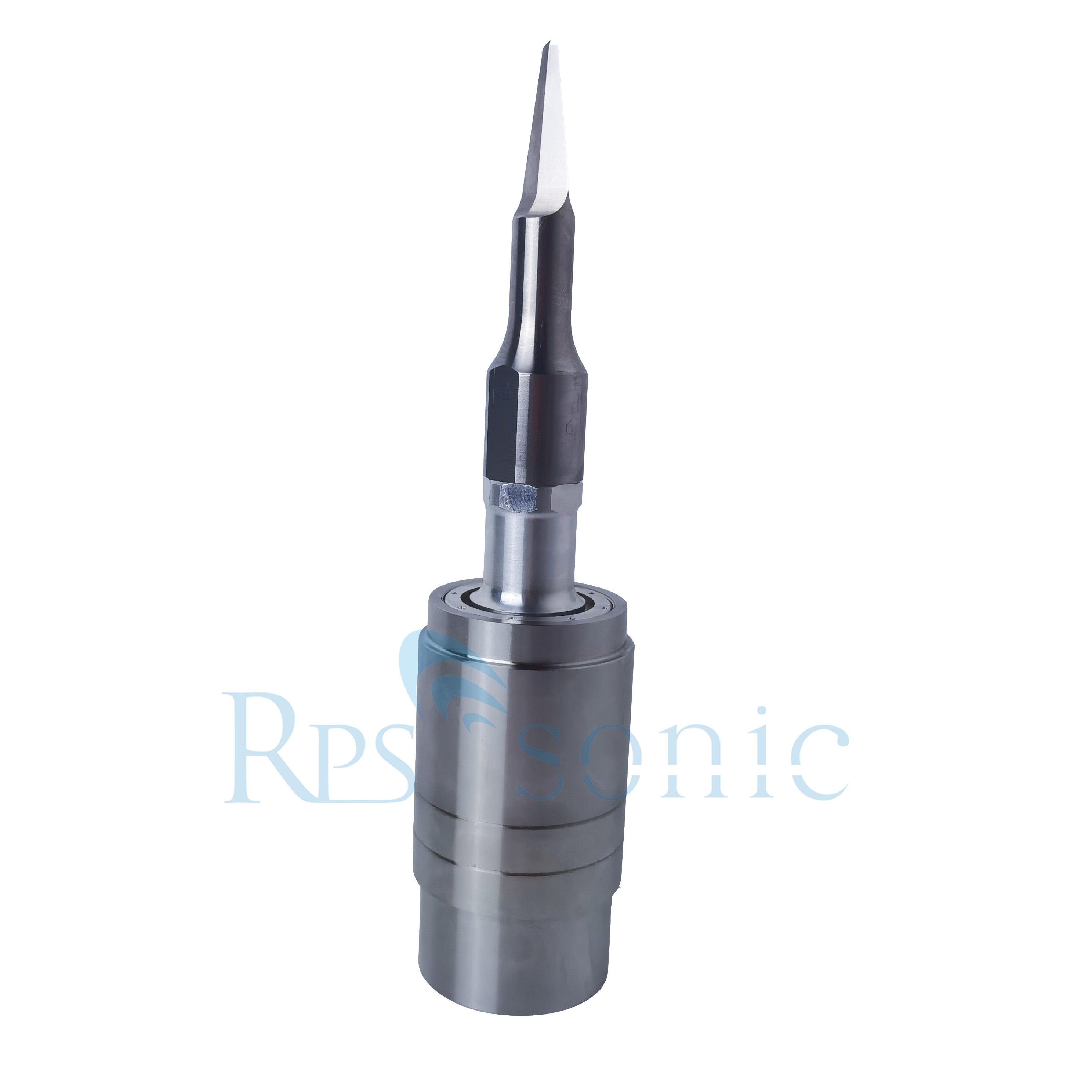
35kHz 350W Integrated Ultrasonic Cutting System for Fabric Cutting
-

Customized Geogrid Ultrasonic Welding Horn High Power 1/2-20 Unf