




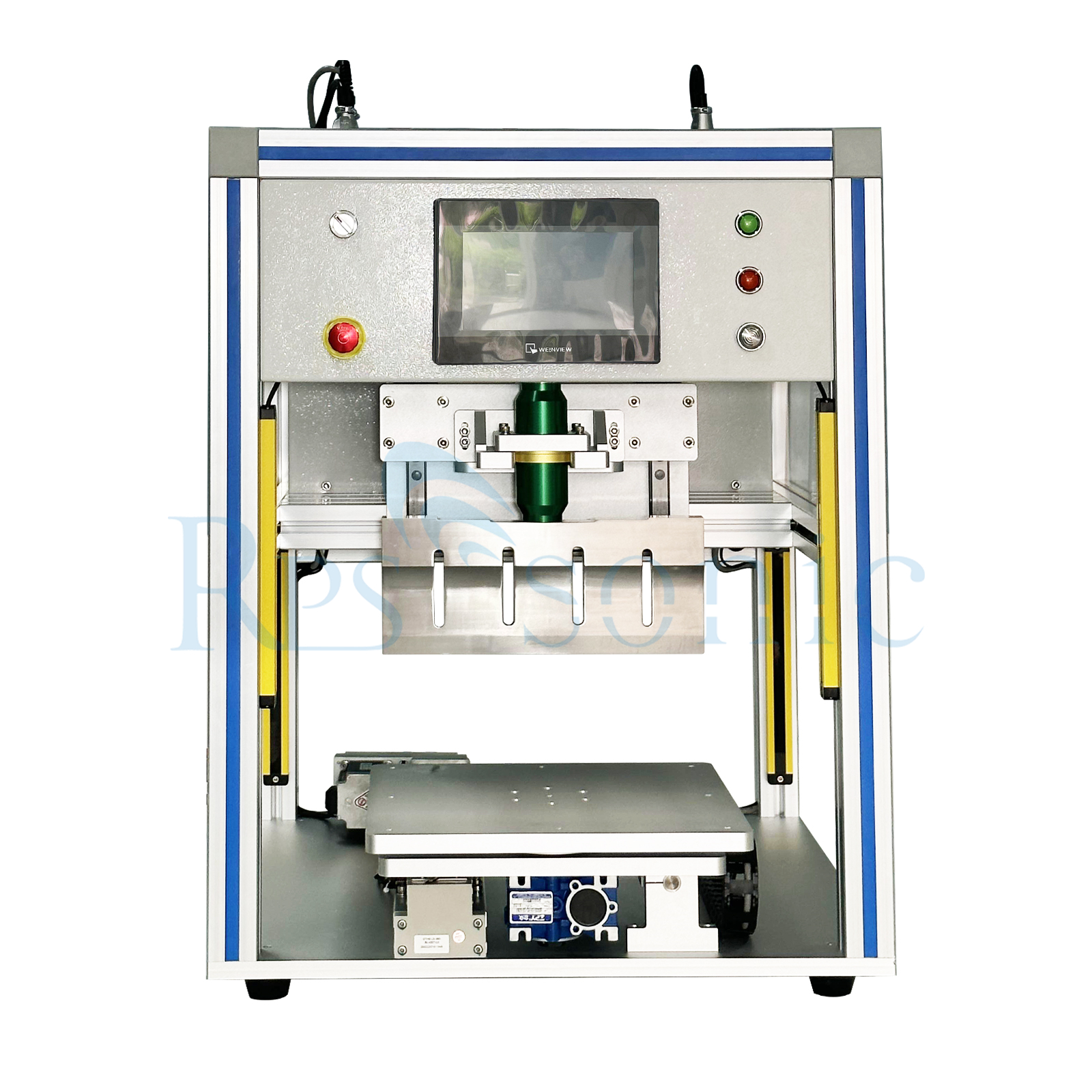
Ultrasonic food cutting machine supplier semi-automatic ultrasonic cutting machine
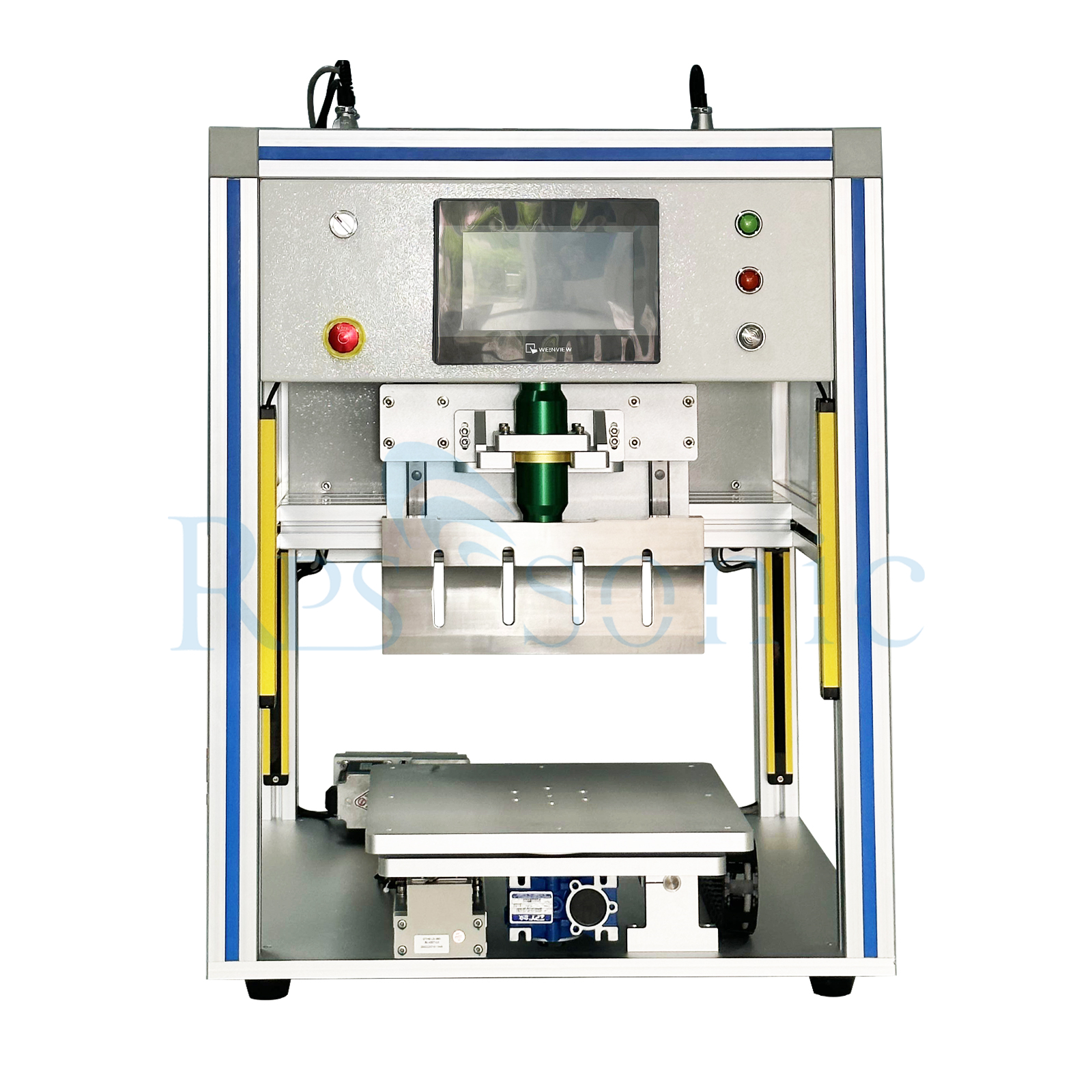
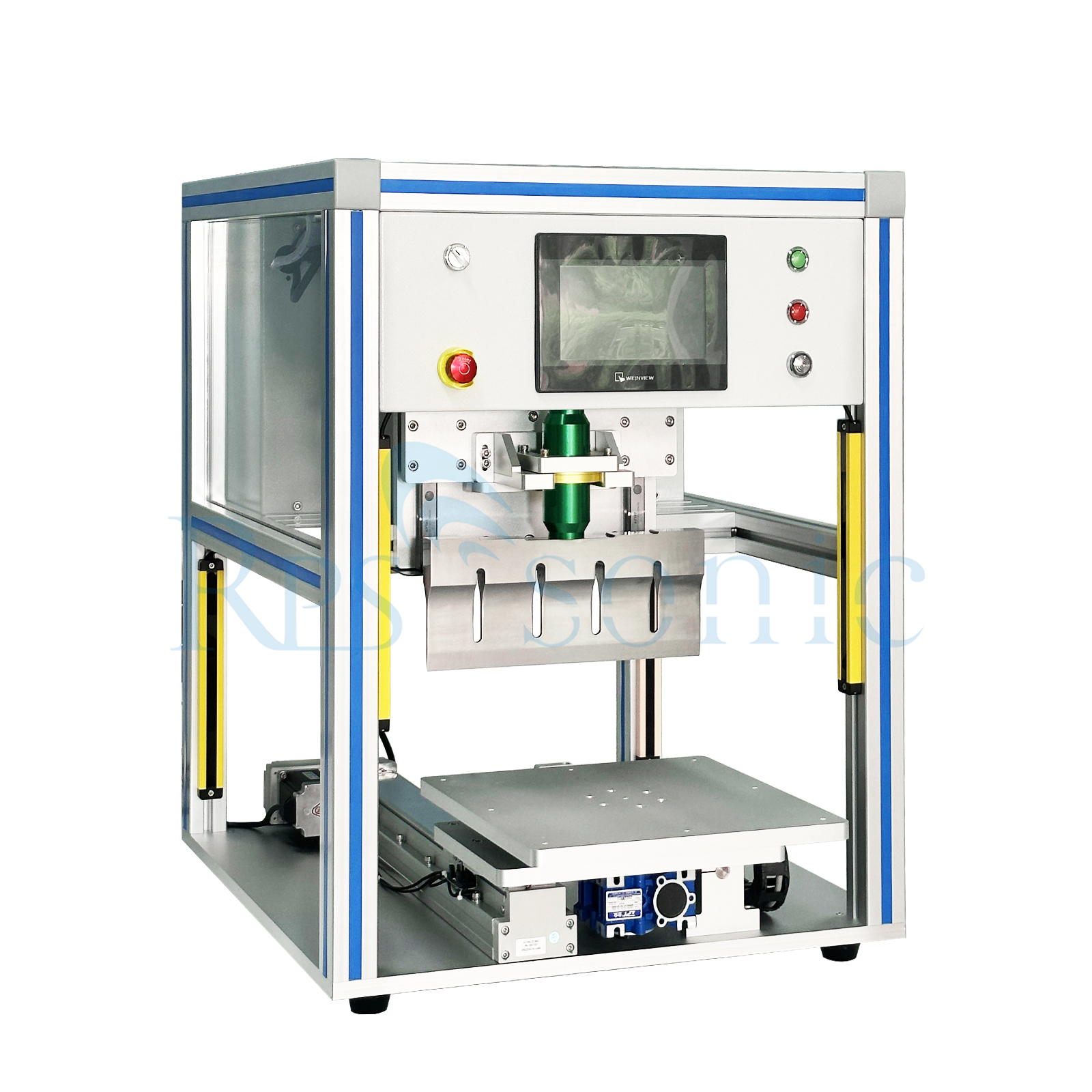
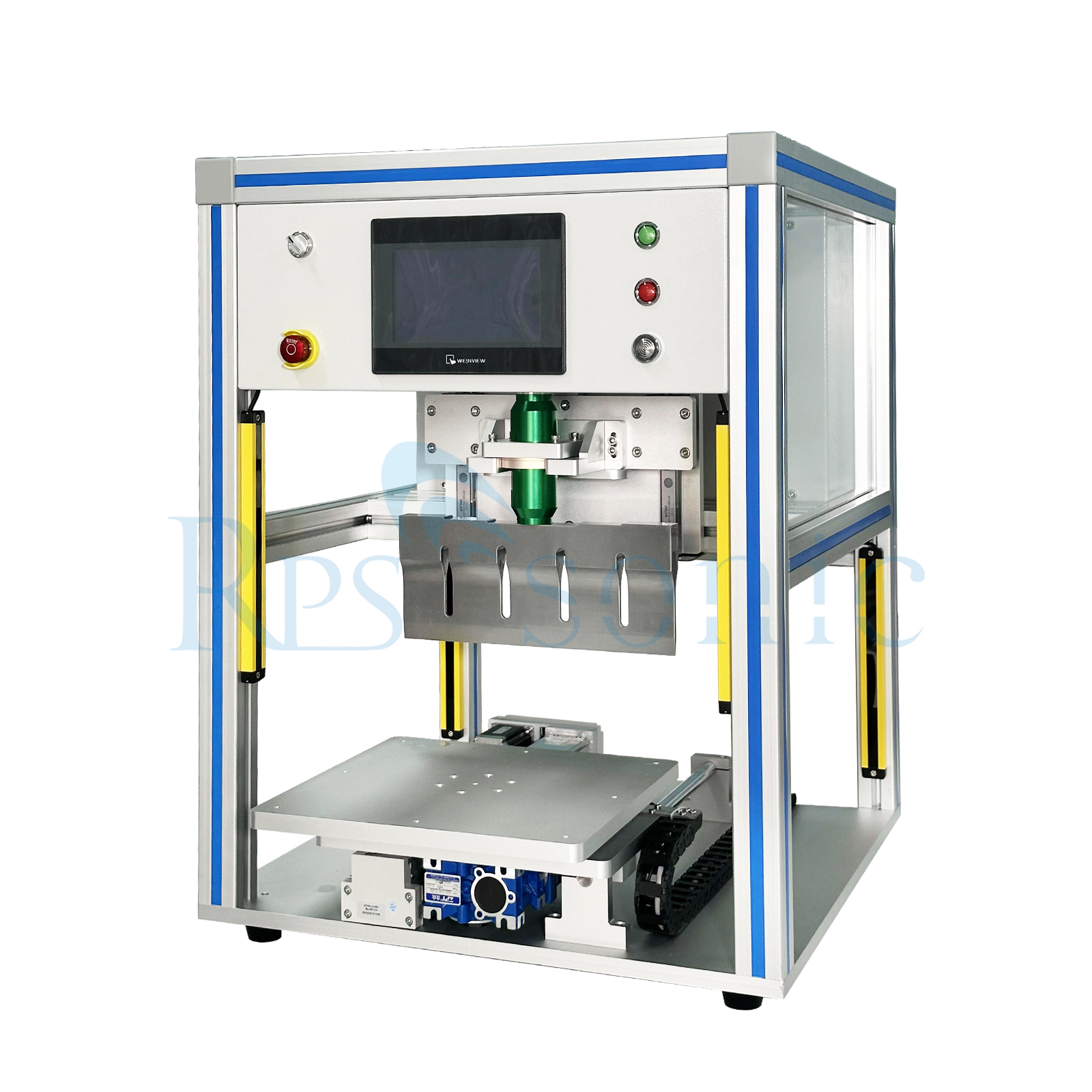


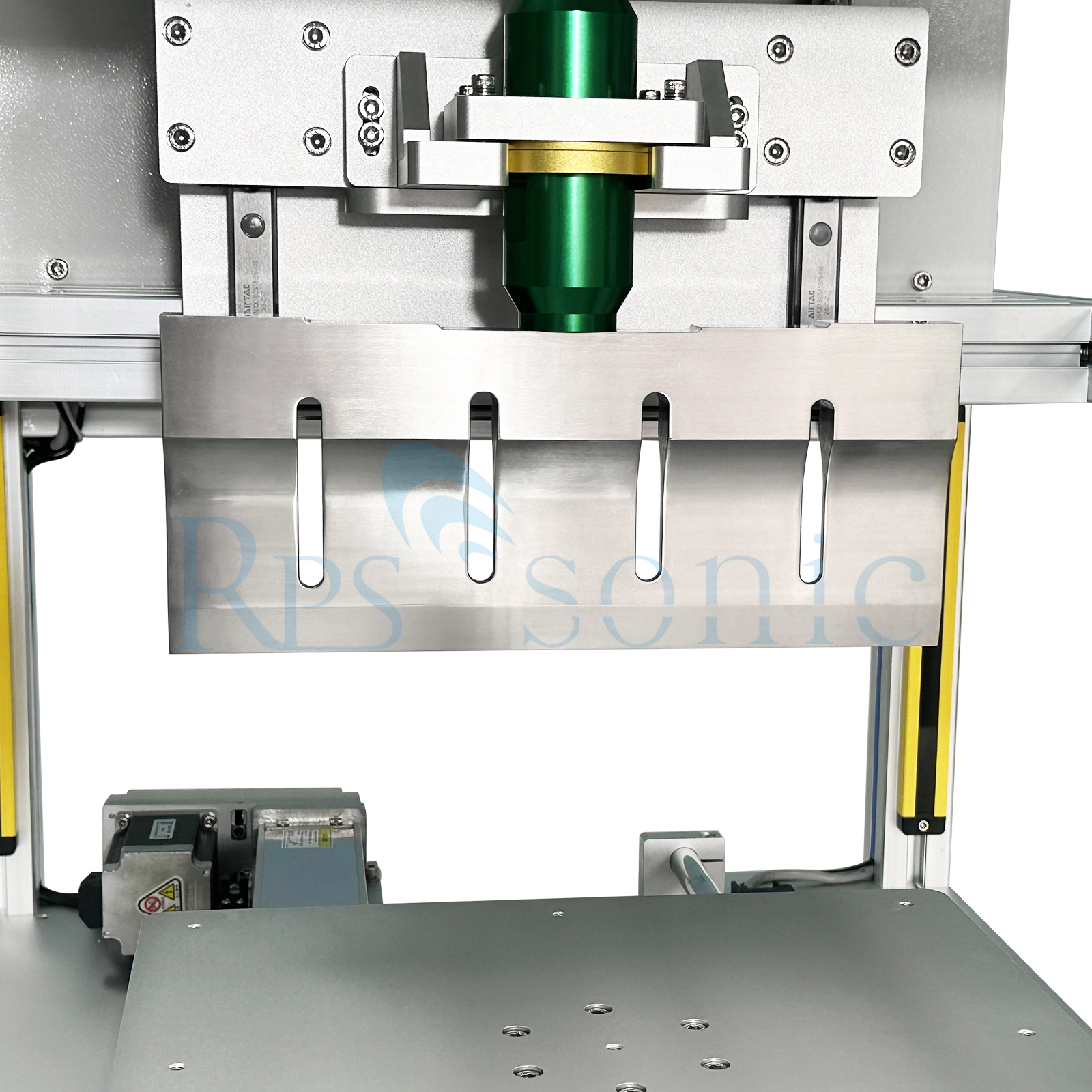
| Machine | Ultrasonic cake Cutter |
| Frequency(KHz) | 20Khz |
| Power | 1000 W |
| Cutting Blade / Horn | Titanium |
| Voltage(V) | 220V/50Hz |
| The width of blade | depend on your requirement |
| Cutting thickness | 65mm(depend on materials) |
| Horn amplitude | 10-40μm |
| Equipment weight | 150kg |
Description
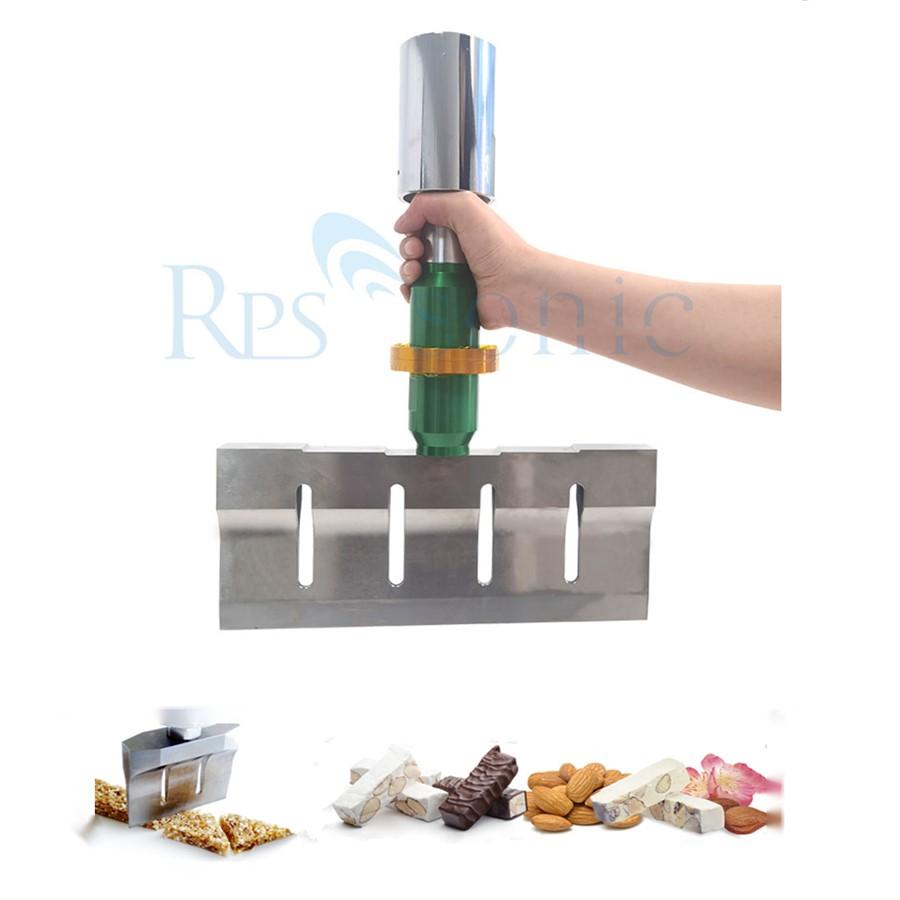
1.The core principle of an ultrasonic food cutter is to utilize high-frequency mechanical vibrations to generate micron-level high-speed vibrations in the cutting blade, thereby achieving efficient food cutting. Its operation is divided into three key steps:
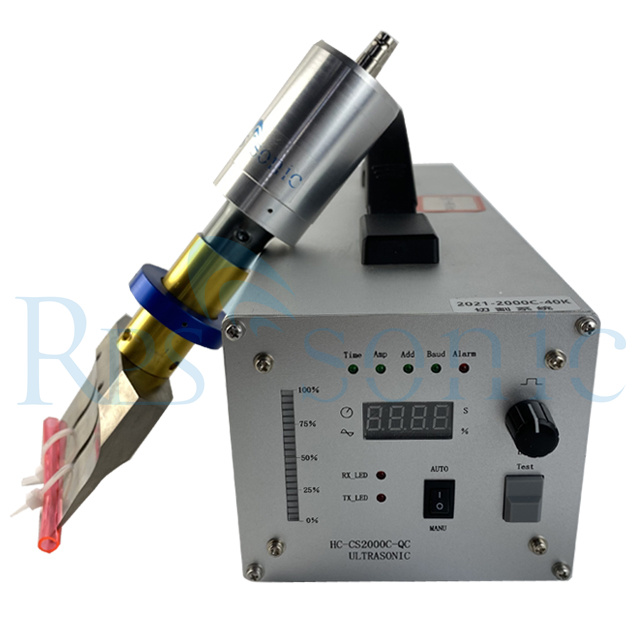
●Energy Conversion: The device's built-in ultrasonic generator converts ordinary electrical energy into a high-frequency electrical signal of 20kHz-40kHz. The transducer then converts the electrical signal into high-frequency mechanical vibrations (typically with an amplitude of 10μm-50μm);
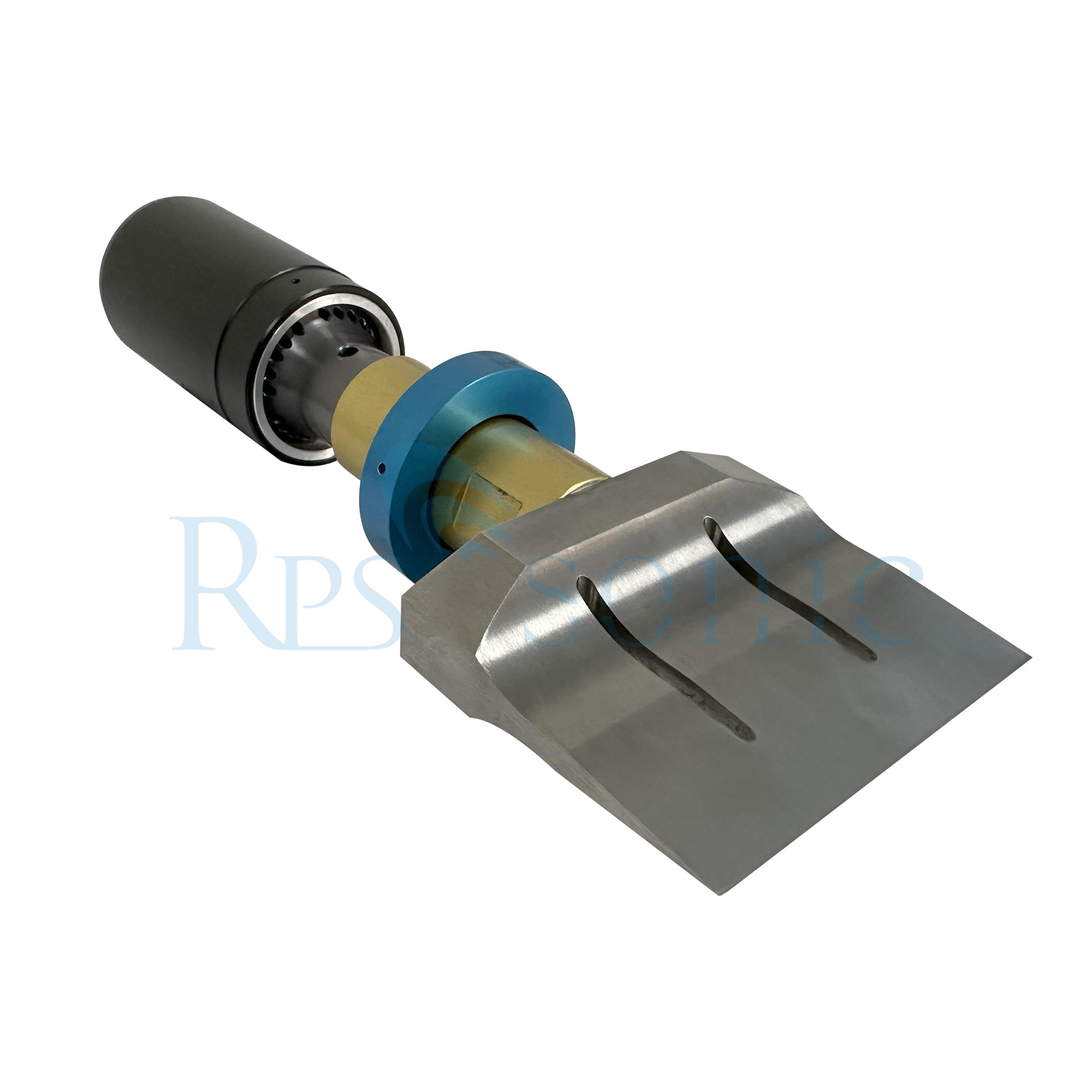
●Vibration Transmission: The high-frequency mechanical vibrations are amplified by the horn and precisely transmitted to a dedicated cutting tool (such as a blade or wire cutter), causing the blade to vibrate back and forth at high speed along the cutting direction;
●Drag-Free Cutting: When the vibrating blade contacts food, the high-frequency vibrations rapidly disrupt the food's internal molecular structure and bonding forces. Simultaneously, a layer of "air film" forms between the blade and food, effectively preventing food from adhering to the blade. This results in smooth, "no-squeeze, no-friction" cutting, resulting in a smooth, even cut surface.
2.The rapid adoption of ultrasonic food cutters in the food industry stems from their five core advantages, specifically designed for food characteristics, which perfectly address the pain points of traditional cutting methods:
●Significant anti-sticking effect: The high-frequency vibration creates an "air barrier" that effectively isolates the food from the cutter. Even when cutting extremely sticky foods (such as gummy candies, chocolate, and glutinous rice products), sticking to the cutter prevents food deformation or cutter clogging, eliminating the need for frequent cutter cleaning and significantly improving cutting efficiency.
●High cutting precision and smooth cross-sections: The vibration cutting process eliminates squeezing and pulling, with cutting errors controlled to within ±0.1mm. This makes it particularly suitable for foods with high aesthetic requirements (such as baked cakes, decorated cookies, and medicinal donkey-hide gelatin). Post-cutting eliminates the need for secondary trimming, allowing for direct packaging or subsequent processing.
●Preserving food's original quality: By eliminating the need for significant pressure, this method avoids the damage to the food's internal structure that occurs with traditional cutting methods. This method maximizes the preservation of food texture (such as the fluffiness of soft cakes and the tenderness of meat), nutrients (such as vitamins in fruits and vegetables), and flavor, while minimizing food debris and improving raw material utilization. 10%-20%;
●Wide Applicability and Compatibility: Suitable for a variety of food shapes and textures, whether solid (such as cheese, frozen meat, nuts), semi-solid (such as red bean paste, jam, ice cream), or sticky. Simply replace the corresponding blade (such as straight blade, serrated blade, or wire cutter) to achieve precise cutting to meet the needs of different processing scenarios.
●Clean and Hygienic, Compliant with Food Standards: All food contact parts (knives and work surface) are made of 304 stainless steel or food-grade materials, resulting in a smooth and easy-to-clean surface. The cutting process is dust-free and oil-free, complying with FDA and HACCP food hygiene standards. It is particularly suitable for high-standard processing applications such as medical foods and infant food.
Applitions
1. Baking and Desserts: Suitable for cutting soft and easily deformed desserts such as chiffon cakes, mousse cakes, and crepe cakes. The resulting cakes have distinct layers and a smooth cross-section, preventing the collapse caused by traditional cutting methods. It can also precisely cut cookies, biscuits, and egg yolk pastries, ensuring uniform size and enhancing the product's appearance.
2. Candy and Chocolate: Suitable for processing sticky foods such as fudge, toffee, and chocolate bars, preventing sticking or deformation. It can cut single pieces or batches, and is particularly suitable for cutting complex candies such as chocolate-filled candies and chocolate-filled chocolates.
3. Meat and Aquatic Products: Cutting frozen meat (-18°C to - 4°C), fresh meat, fish fillets, shrimp balls, etc. can be cut directly without thawing, preventing moisture loss during the thawing process and reducing meat scraps, thereby increasing meat utilization. When cutting cooked meats (such as braised dishes and sausages), the machine maintains the integrity of the meat without damaging the meat fibers.
4. Fruit and Vegetable Processing: Suitable for cutting soft fruits and vegetables such as tomatoes, mangoes, and strawberries, avoiding the loss of juice caused by traditional cutting methods. It can also cut hard fruits and vegetables such as carrots and potatoes, achieving uniform slicing and dicing to meet the processing needs of salads, fruit and vegetable chips, and other products.
5. Functional Food: Suitable for cutting products with extremely high precision and hygiene requirements, such as medicinal donkey-hide gelatin, instant bird's nests, and meal replacement powders. The cutting accuracy meets pharmaceutical standards while ensuring product cleanliness and avoiding contamination risks.
-
40Khz Ultrasonic rubber and tire cutting equipment-RPS-SONIC ultrasonic
-
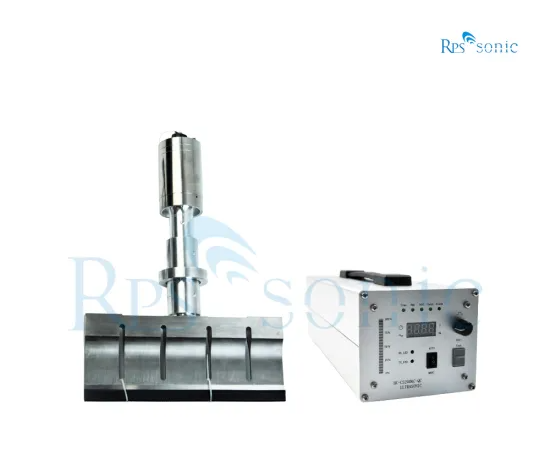
20Khz 1000w ultrasonic food cutting machine with titanium blade
-
40Khz Ultrasonic cutting blade For Tire rubber cutting rubber manufacturer
-
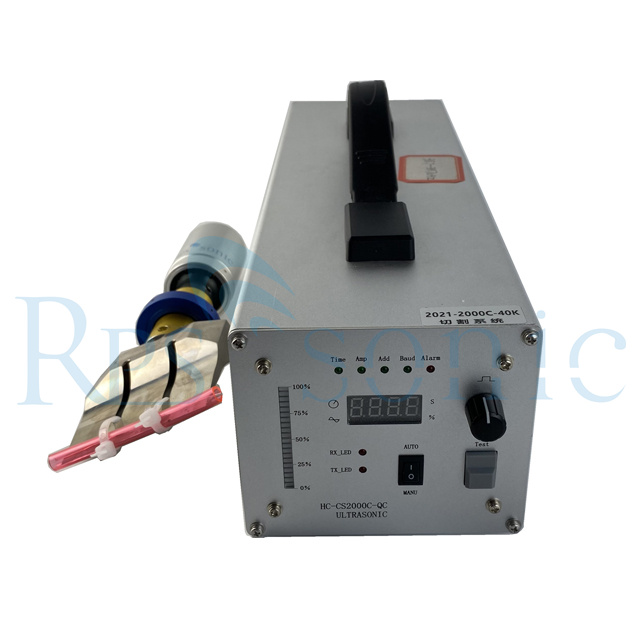
40Khz Ultrasonic cutting machine For Tire rubber cutting rubber manufacturer
-
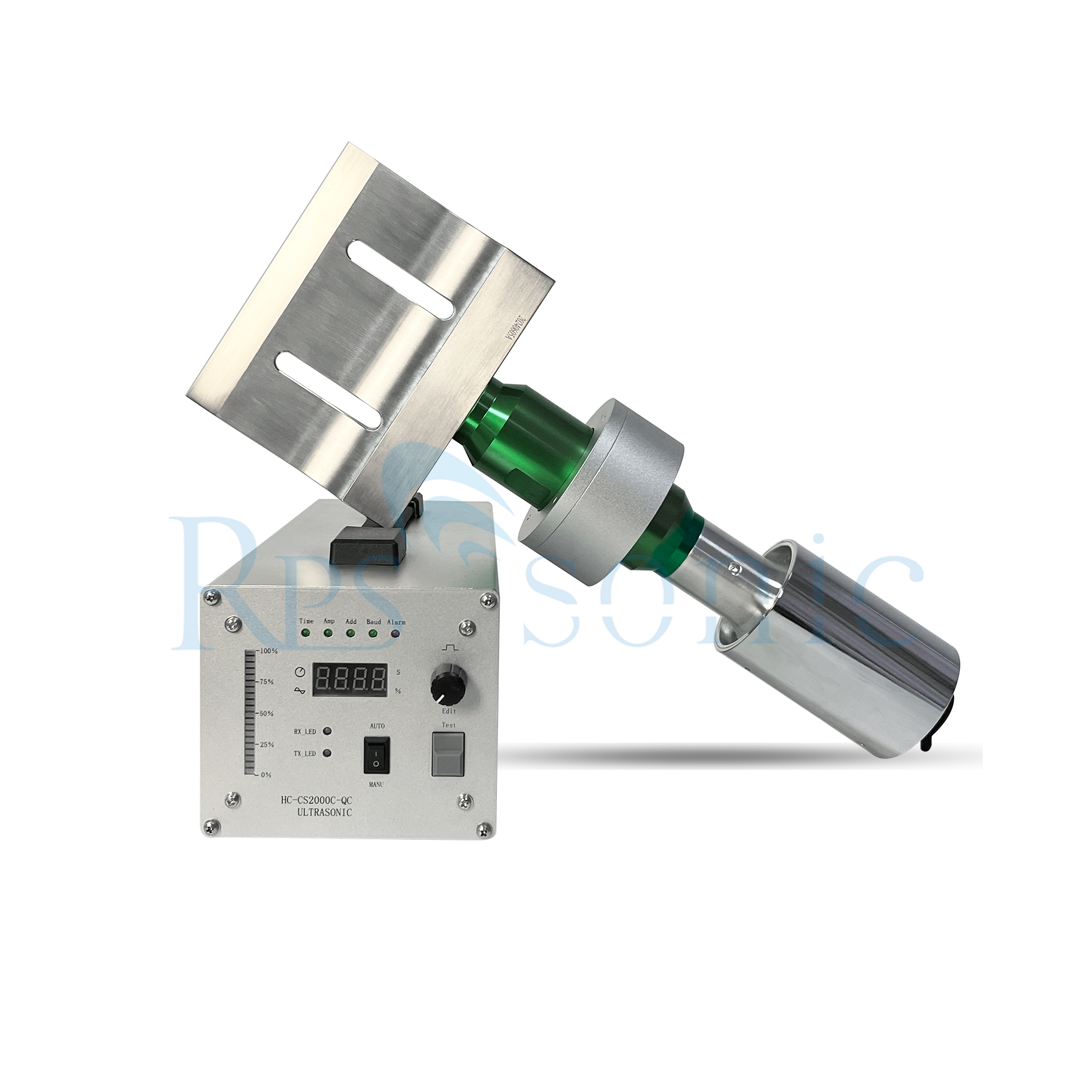
20Khz 150mm Ultrasonic food cutting blade with digital ultrasonic generator for food cutting
-

20Khz 150mm Ultrasonic food cutting blade with digital ultrasonic generator for food cutting
-
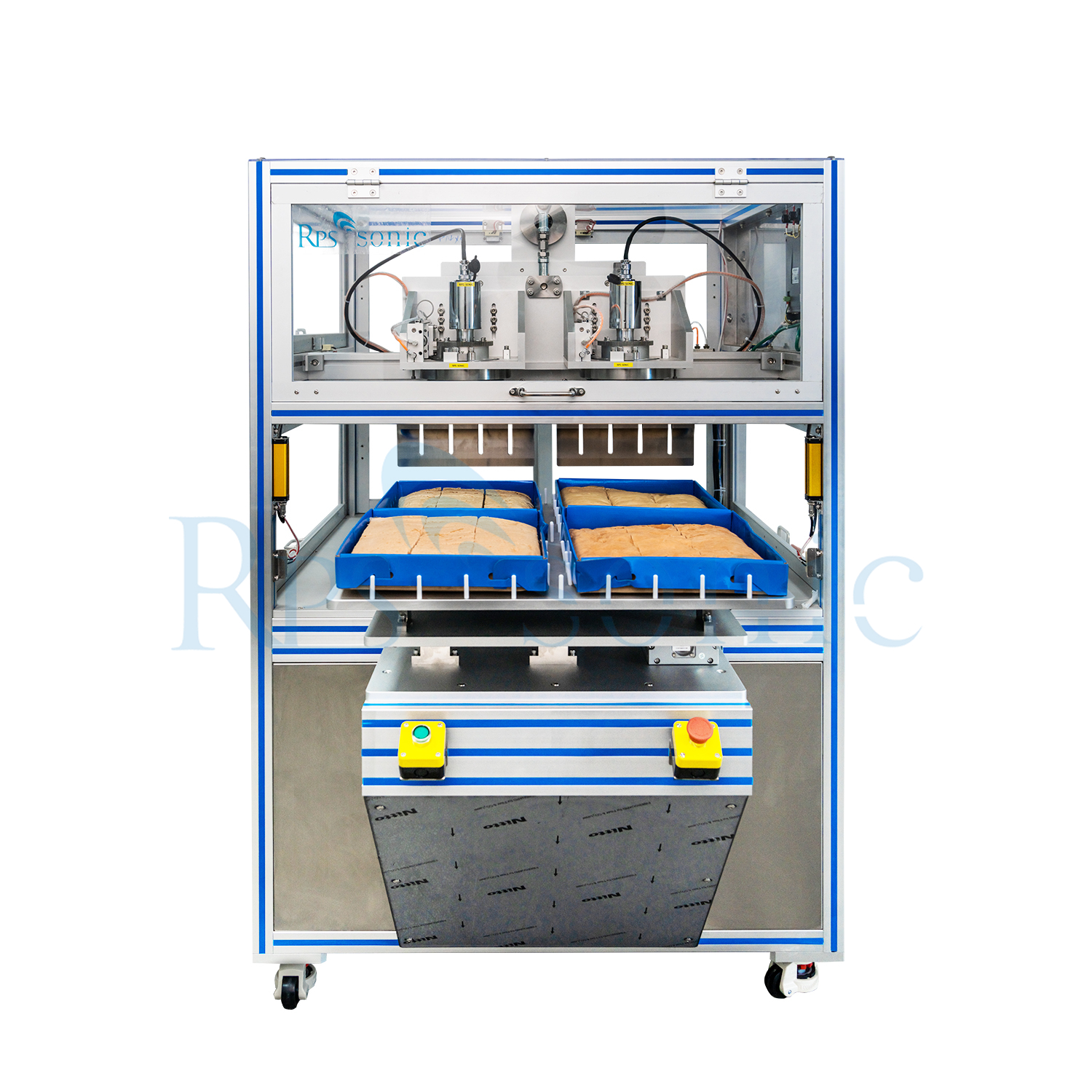
Automatic 20Khz ultrasonic food cutting machine for chocolate bar cake cutting
-

82.5mm 40Khz Ultrasonic cutting system for rubber cutting
-
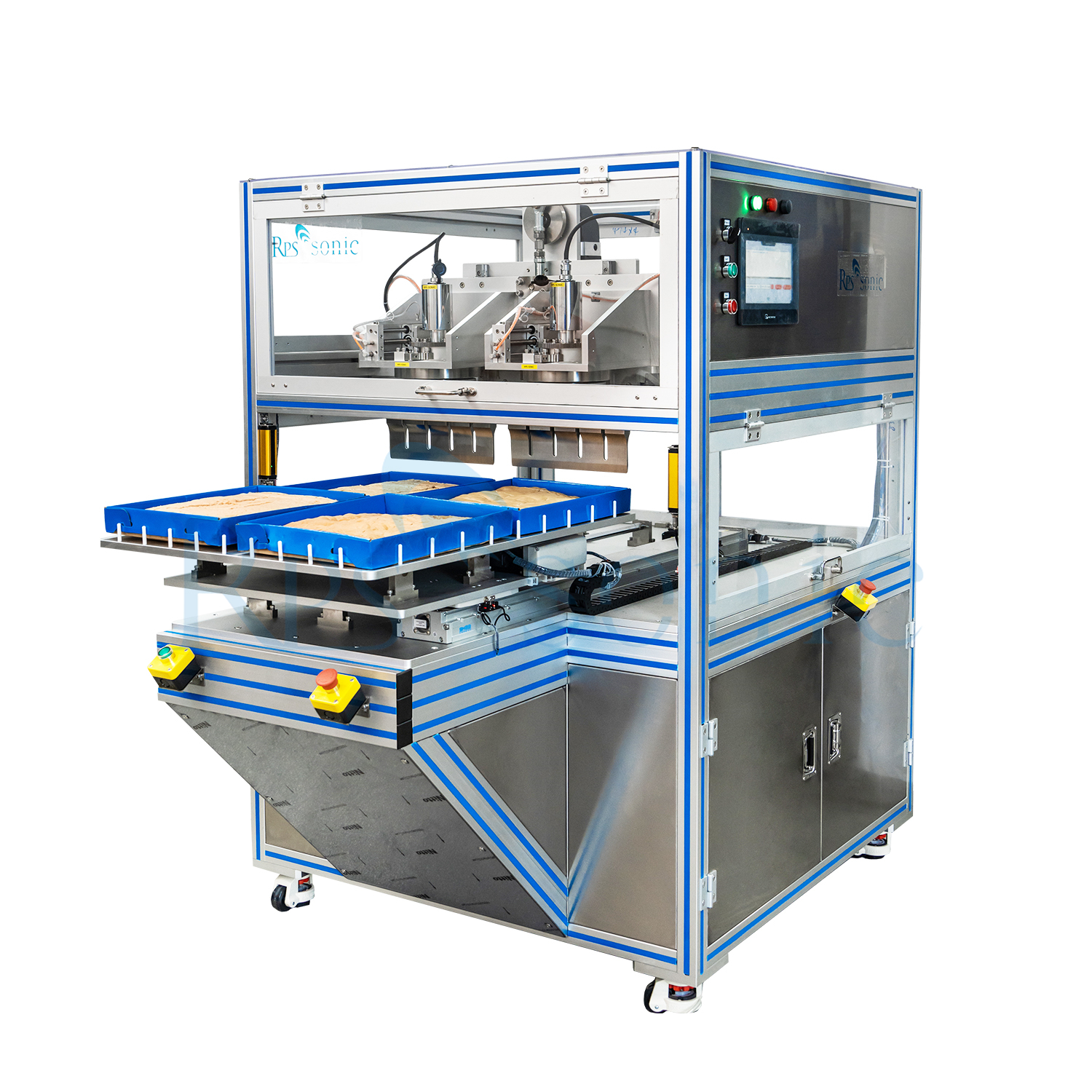
20kHz high power ultrasonic food cutting machine automatic type for cake cutting
-
Desk-top ultrasonic food cutting machine cake bread cutting